Utah Auto Glass Replacement Costs and Tips
Navigating Utah auto glass replacement requires balancing unpredictable mountain weather, comprehensive state insurance regulations, and specific vehicle safety technology calibration. Understanding standard pricing tiers, out-of-pocke...
Navigating Utah auto glass replacement requires balancing unpredictable mountain weather, comprehensive state insurance regulations, and specific vehicle safety technology calibration. Understanding standard pricing tiers, out-of-pocket expenses, mobile versus in-shop service options, and statutory insurance mandates helps vehicle owners make informed decisions when a chip or crack compromises visibility and structural integrity.
Contents
Understanding Auto Glass Damage in Utah
Utah's unique environment presents distinct challenges for vehicle windshields and side windows. Drivers across the Beehive State frequently face severe temperature swings, loose gravel on canyon roads, winter rock salt, and highway construction debris. These environmental stressors transform minor stone chips into sprawling cracks within hours, particularly when drivers blast the defroster during freezing winter mornings or leave vehicles parked under direct summer sun.
When evaluating damage, vehicle owners must determine whether a chip can be safely repaired or if the entire assembly requires replacement. Generally, rock chips smaller than a quarter and cracks shorter than three inches located outside the driver's direct line of sight can be repaired using a specialized resin injected into the glass. However, structural damage extending to the edges of the frame, severe pitting that causes glare, or cracks penetrating the inner layer of laminated glass necessitate a complete auto glass replacement to maintain cabin safety.
Cost Breakdown for Utah Auto Glass Replacement
The total cost of replacing a windshield or side window in Utah depends on vehicle make, model, year, glass quality, and the presence of Advanced Driver Assistance Systems (ADAS). On average, standard aftermarket windshield replacements for older sedan models range from $200 to $400 out-of-pocket. Conversely, luxury vehicles, trucks with specialized acoustic or solar-tinted glass, and modern cars equipped with integrated safety cameras often cost between $500 and $1,500 or more.
Understanding the difference between Original Equipment Manufacturer (OEM) glass and Aftermarket glass is essential for cost management. OEM glass is produced by the original manufacturer or under strict specifications, ensuring a precise factory fit and exact branding. Aftermarket glass is manufactured by third parties to federal safety standards, typically costing 30% to 50% less than OEM options. While aftermarket glass offers significant savings, drivers with leased vehicles or high-end luxury automobiles should verify lease agreements or insurance stipulations regarding glass specifications.
| Glass Type & Vehicle Category | Typical Cost Range (Parts & Labor) | ADAS Calibration Required? |
|---|---|---|
| Standard Sedan / Economy Car (Aftermarket) | $200 – $350 | Rare (Only if camera is mounted to glass) |
| SUV / Mid-Size Truck (Aftermarket) | $300 – $600 | Common on models manufactured after 2018 |
| Luxury Vehicle / European Import (OEM) | $800 – $1,500+ | Frequently Required |
| Side Door Glass Replacement | $150 – $350 | No |
| Rear Back Glass (Backlight with Defroster) | $300 – $700 | No |
Utah Insurance Laws and Zero-Deductible Coverage
Utah operates under specific insurance guidelines that directly impact how motorists pay for windshield repair and replacement. Under Utah law, comprehensive insurance policies cover auto glass damage, but the out-of-pocket cost depends entirely on whether the policyholder has selected a standard comprehensive deductible or a specialized zero-deductible glass endorsement.
Unlike a few neighboring states that mandate zero-deductible glass coverage by statute for all comprehensive policies, Utah insurers offer zero-deductible glass riders as an optional policy add-on for a modest increase in monthly premiums. Drivers who carry comprehensive insurance without this specific rider must pay their standard deductible—typically ranging from $100 to $500—before the insurance company covers the remainder of the replacement cost.
- Comprehensive Coverage Verification: Contact your auto insurance provider prior to booking service to verify if glass claims impact your premium rates or cause a loss-free discount forfeiture. Under Utah regulations, many insurers waive rate hikes for minor comprehensive glass claims, but repeated claims within a short window can trigger underwriting reviews.
- The Right to Choose: Under Utah insurance principles, consumers retain the legal right to choose any auto glass repair shop they prefer. Insurance companies cannot legally force a policyholder to use a preferred corporate network, though they may cap reimbursement at competitive regional rates.
Choosing Between Mobile and In-Shop Services
Utah's vast geography—stretching from dense urban corridors along the Wasatch Front to remote rural stretches in San Juan or Iron counties—makes service convenience a major priority. Most reputable auto glass companies in Utah offer both mobile repair units and physical shop locations.
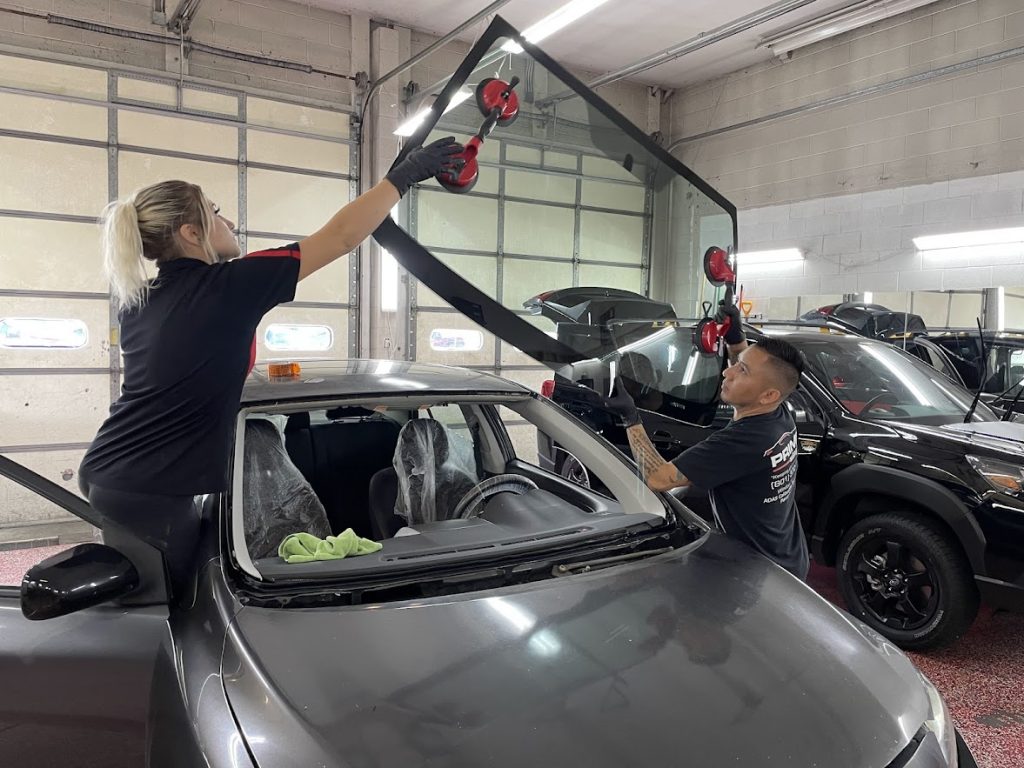
Mobile glass replacement allows technicians to travel directly to a home, workplace, or roadside location. This option minimizes disruption to the vehicle owner's schedule. However, mobile installations are subject to environmental constraints. Technicians require a dry, sheltered area with stable ambient temperatures—typically between 45°F and 95°F—to ensure proper urethane adhesive curing. High winds, heavy snow, or freezing rain can compromise the structural bond of newly installed urethane, forcing technicians to reschedule or require an indoor shop environment.
In-shop replacement provides a controlled climate for adhesive curing and allows technicians immediate access to specialized calibration equipment. If your vehicle requires ADAS camera recalibration after a windshield swap, an in-shop appointment is often the safer, more efficient choice.
The Crucial Role of ADAS Calibration
Modern vehicles rely heavily on Advanced Driver Assistance Systems, including lane departure warnings, adaptive cruise control, automatic emergency braking, and pedestrian detection. These systems utilize forward-facing cameras and sensors mounted directly to the windshield glass. When a windshield is replaced, the camera's field of vision shifts, making post-installation calibration mandatory.
Utah drivers must ensure their replacement provider accounts for ADAS calibration. Calibration is divided into two primary categories:
- Static Calibration: Performed inside a controlled shop environment using specialized target boards placed at precise measurements in front of the vehicle while diagnostic tools interface with the onboard computer.
- Dynamic Calibration: Performed by driving the vehicle at specified speeds on marked roadways so the camera can auto-calibrate by reading lane markings and road signs.
Failing to calibrate ADAS sensors after a windshield replacement can cause driver-assist features to misread traffic conditions, creating severe safety hazards. Always confirm upfront whether the quoted glass replacement price includes ADAS calibration or if it requires an additional fee.
Practical Tips for Selecting a Utah Auto Glass Provider
Finding a trustworthy auto glass technician protects your investment and ensures your vehicle remains structurally sound in a collision. Consider the following criteria when vetting a shop in Utah:
- Technician Certification: Look for technicians certified by the Auto Glass Safety Council (AGSC) or trained through recognized industry programs like Dow or Sika adhesive safety protocols.
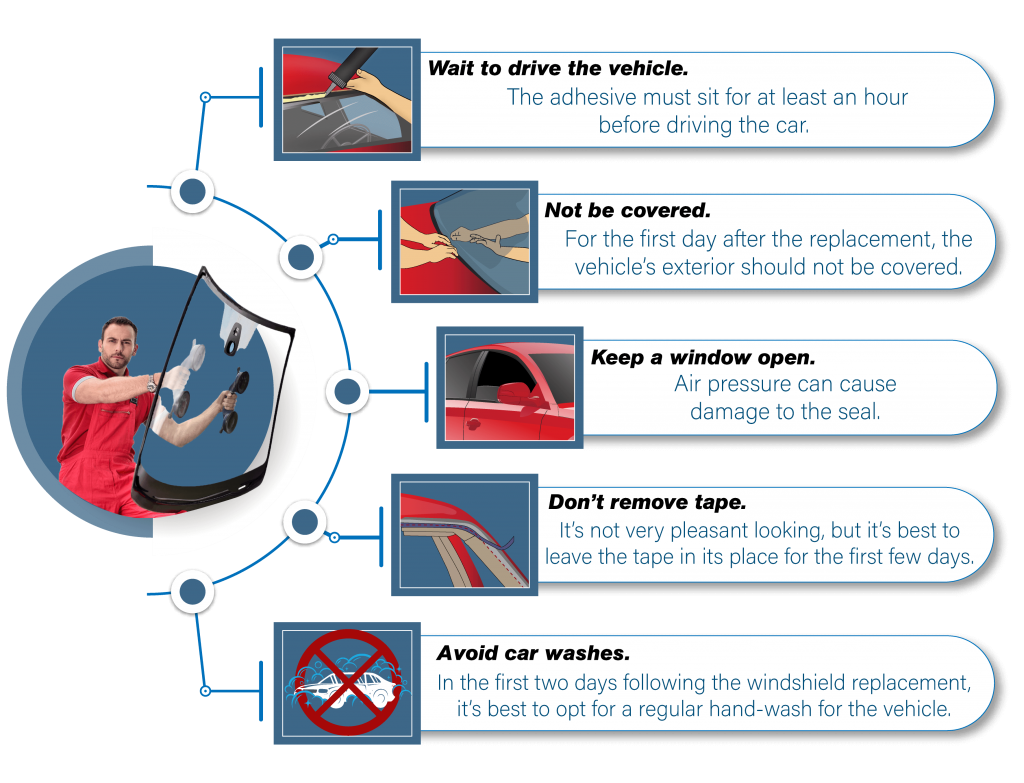
- Adhesive Quality and Safe Drive-Away Time: Ask what brand of urethane adhesive the shop uses. High-grade fast-curing adhesives ensure the vehicle achieves Federal Motor Vehicle Safety Standards (FMVSS) crash-worthiness requirements within an hour of installation.
- Warranty Protection: Reputable Utah providers offer a lifetime workmanship warranty against air leaks, water leaks, and manufacturing defects. Ensure the warranty covers stress cracks resulting from improper installation.
- Reviews and Local Reputation: Check independent customer review platforms to gauge consistency in punctuality, cleanup thoroughness, and insurance claims handling.
Frequently Asked Questions
Does insurance cover the full cost of a windshield replacement in Utah?
Insurance covers windshield replacement only if you carry comprehensive coverage. If you have a standard deductible, you must pay that amount out-of-pocket, with the insurer covering the remainder. If you purchased a zero-deductible glass endorsement on your policy, the replacement is fully covered without out-of-pocket expenses.
How long must I wait to drive my car after a new windshield is installed?
The safe drive-away time depends on the specific urethane adhesive used by the technician and ambient weather conditions. High-performance, fast-curing adhesives typically require a minimum of 30 minutes to one hour for the urethane to cure sufficiently to meet federal crash safety standards.
Can a cracked windshield cause me to fail a vehicle safety inspection in Utah?
Yes. Although Utah repealed the mandatory statewide safety inspection for passenger vehicles registered in 2018 and later, commercial vehicles and vehicles registered in certain counties still require inspections. Even without mandatory state inspections, driving with a severely cracked windshield obstructing the driver's view violates Utah traffic laws and can result in a police citation.
Is OEM glass always better than aftermarket glass?
Not necessarily. OEM glass is identical to the factory glass that came with your car, while aftermarket glass is manufactured by independent companies to exact safety specifications. While aftermarket glass is significantly cheaper, some vehicle owners prefer OEM glass to maintain precise branding, acoustic dampening properties, or rain-sensor compatibility.
What should I do immediately after my windshield gets chipped?
Cover the chip immediately with a small piece of clear packing tape to prevent dirt, moisture, and road salt from contaminating the impact point. Avoid using the heater or air conditioner on high settings, and schedule a repair with a professional technician as soon as possible before the chip expands into a full crack.
Next Actions for Vehicle Owners
If your vehicle has sustained glass damage, inspect the size and location of the crack or chip immediately to determine repairability. Contact your auto insurance provider to verify your comprehensive deductible and check for zero-deductible glass endorsements. Obtain multiple quotes from certified local shops along the Wasatch Front or your regional area, making sure to ask whether ADAS recalibration and mobile service fees are included in the estimate.
Image Gallery