The X-Files Theme: The Composition and Legacy of Mark Snow’s Iconic Score
The X-Files theme, officially titled "Materia Primoris," is one of the most recognizable pieces of television music in history. Composed by Mark Snow in 1993, the theme utilizes a distinctive synthesized whistle and an accidental echo...
The X-Files theme, officially titled "Materia Primoris," is one of the most recognizable pieces of television music in history. Composed by Mark Snow in 1993, the theme utilizes a distinctive synthesized whistle and an accidental echo effect to create an atmosphere of mystery, paranoia, and the supernatural that defined the 1990s aesthetic.
Contents
The Origins of a Cultural Phenomenon
When Chris Carter, the creator of The X-Files, approached Mark Snow to compose the theme for his new sci-fi procedural, he had a specific but elusive vision. Carter wanted something that would signal to the audience that they were entering a world of the unknown, but he avoided the traditional orchestral tropes of horror or science fiction. The goal was to create a "hook" that was both frightening and alluring.
Mark Snow, who had a background in traditional orchestration but had embraced the burgeoning world of digital synthesis, began experimenting in his home studio. The process was not immediate. Carter rejected several early iterations, finding them either too conventional or not atmospheric enough. The breakthrough came from a moment of creative frustration and a stroke of technical serendipity. Snow has often recounted how he was struggling to find the right rhythmic foundation when he accidentally triggered a "delay" or "echo" effect on his equipment while resting his hand on the keyboard. This created the haunting, repeating rhythmic motif that serves as the backbone of the track.
By the time the show premiered in September 1993, the theme had become the sonic signature of the series. As we look back from 2026, the theme remains a masterclass in minimalist composition, proving that a handful of well-chosen sounds can be more impactful than a full symphony.
The Technical Alchemy: How the Theme Was Crafted
The "X-Files" theme is a product of early 1990s synthesis technology. To understand its unique texture, one must look at the specific hardware and software used by Mark Snow during the production of the first season.
The Proteus/2 Orchestral Module
The primary source for the famous whistle sound was the E-mu Proteus/2 XR orchestral MIDI sound module. Specifically, Snow used a patch known as "Whistling Joe." While the patch was designed to sound like a human whistle, Snow processed it through various filters and added a significant amount of reverb to give it an ethereal, non-human quality. This whistle carries the main melody, providing a lonely, piercing sound that cuts through the lower-frequency atmospheric pads.
The Accidental Echo
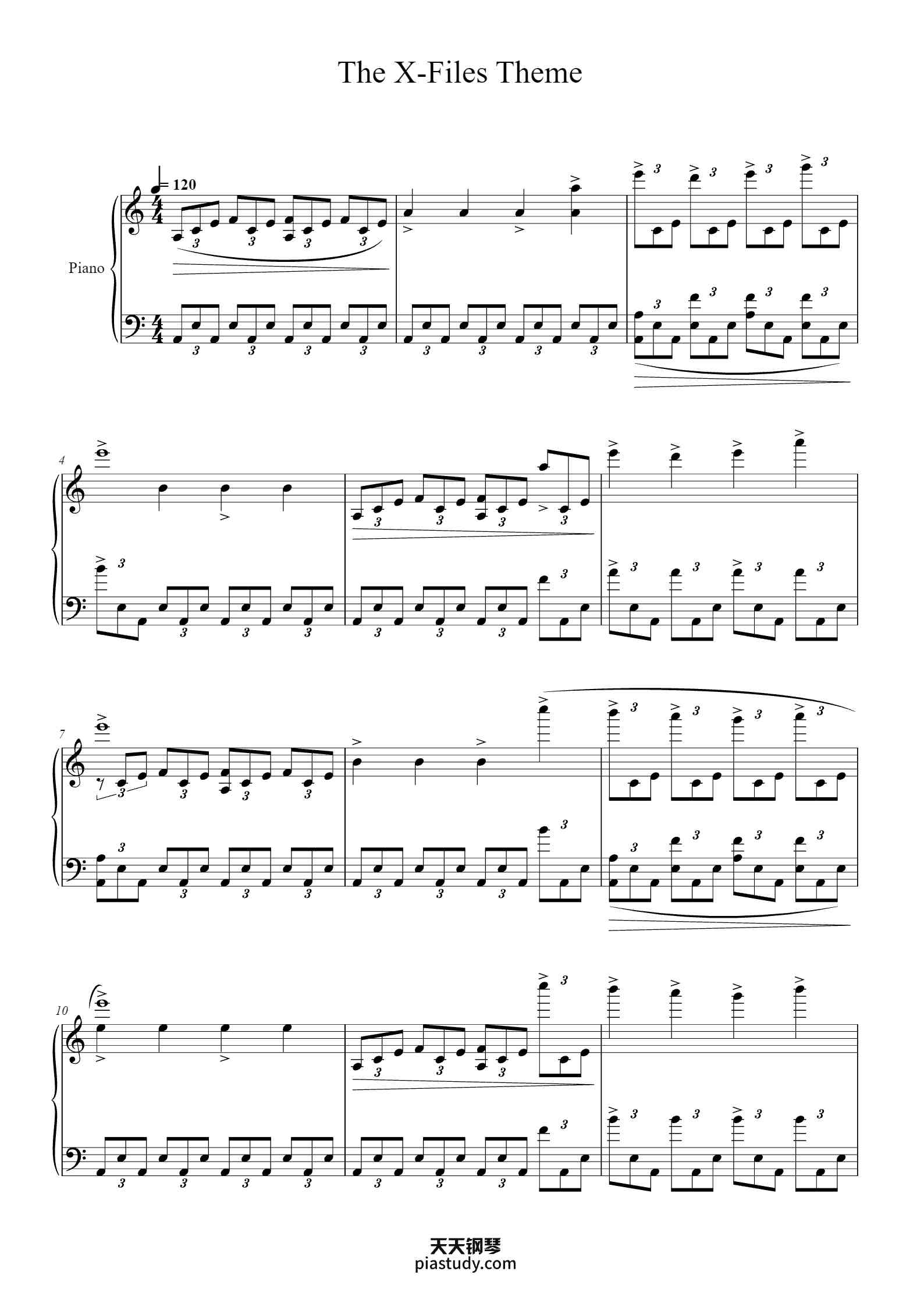
The rhythmic "heartbeat" of the theme—the repeating six-note pattern—was created using a digital delay unit. When Snow played a cluster of notes, the delay settings caused them to repeat and overlap in a way that created a complex, shimmering rhythm. This accident transformed a simple chord progression into the driving force of the theme. The use of delay was unconventional for television themes at the time, which usually relied on more direct melodic statements.
Layering and Texture
Beyond the whistle and the echo, Snow utilized the E-mu Proteus/1 and various Waldorf and Roland synthesizers to layer "washes" of sound. These textures, often referred to as "pads," provide the harmonic bed for the theme. They are characterized by slow attack times and long releases, creating a sense of vast, empty space. This reflected the show’s frequent use of dark, expansive Pacific Northwest landscapes.
Analyzing the Musical Structure
Musically, the theme is deceptive in its simplicity. It is primarily centered in the key of A minor, a key often associated with sadness or mystery in Western music. However, Snow employs specific intervals to heighten the tension.
- The Tritone: Also known as diabolus in musica (the devil in music), the tritone is an interval of three whole steps. Snow uses dissonant intervals within the background textures to create a subconscious feeling of unease.
- Minimalist Repetition: The theme does not follow a standard verse-chorus structure. Instead, it is a linear build-up of layers. This minimalism was influenced by composers like Philip Glass and Steve Reich, focusing on steady pulses rather than traditional melodic development.
- Frequency Contrast: The theme balances very high frequencies (the whistle) with deep, sustained low frequencies (the bass drones). This "frequency gap" creates a psychological sense of vacuum or isolation, perfectly mirroring the isolation felt by protagonists Fox Mulder and Dana Scully.
Evolution Across Seasons and Cinema
As The X-Files grew from a cult hit into a global franchise, the theme music evolved alongside it. Mark Snow was tasked with updating the sound for different mediums while maintaining the core DNA of the original composition.
The 1998 Feature Film: Fight the Future
For the first big-screen outing, Snow was given the opportunity to work with a live orchestra. While the iconic whistle remained synthesized (as its digital nature was part of its charm), the surrounding arrangement was bolstered by a 90-piece ensemble. This gave the music a "cinematic" weight, adding brass swells and complex string arrangements that weren't possible on a 1993 television budget.
The 2016 and 2018 Revivals
When the show returned for Seasons 10 and 11, fans were curious if the theme would be modernized. Snow and Carter decided to keep the original theme nearly identical to the 1993 version, understanding that the nostalgia associated with the original recording was a powerful tool. However, the incidental music (the "unscore") within the episodes was updated with modern VST (Virtual Studio Technology) instruments, providing a crisper, high-definition audio experience that suited modern 4K broadcasting standards.
Versions and Iterations Comparison
| Version | Year | Key Characteristics | Primary Medium |
|---|---|---|---|
| Original Theme | 1993 | Purely synthesized, heavy delay, lo-fi aesthetic. | TV (Seasons 1-9) |
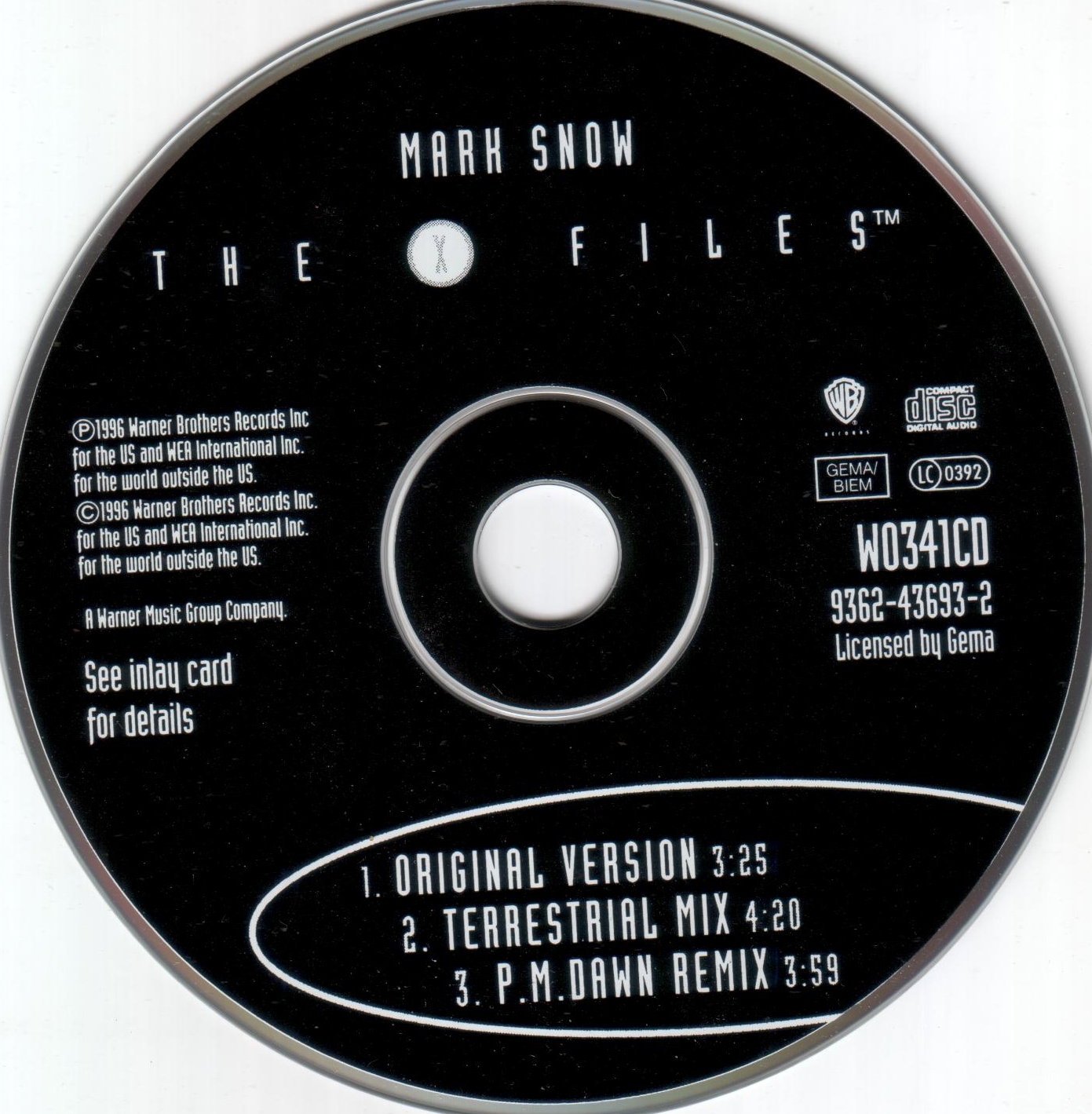
| P.M. Dawn Remix | 1996 | Trip-hop beat, urban contemporary influence. | Soundtrack Album |
| The X-Files (Triple X) | 1996 | Club/Dance remix, became a global chart hit. | Radio/Clubs |
| Fight the Future | 1998 | Orchestral hybrid, cinematic scope, deep brass. | Feature Film |
| I Want to Believe | 2008 | Darker, more atmospheric, minimal percussion. | Feature Film |
| Event Series | 2016 | Remastered original, higher dynamic range. | TV (Seasons 10-11) |
The "Unscore": Mark Snow’s Atmospheric Contribution
While the theme is the most famous element, Mark Snow’s contribution to The X-Files extends to nearly 200 episodes of incidental music. Snow developed what critics called the "unscore." Unlike many TV shows of the era that used "mickey-mousing" (music that mimics the action on screen), Snow’s music was often ambient and detached.
He used the music to represent the environment rather than the characters' emotions. If Mulder and Scully were in a forest, the music sounded "woody" or "organic." If they were in a government facility, the music became "metallic" and "industrial." This approach was revolutionary for television and paved the way for the complex soundscapes of modern prestige TV.
According to interviews with Snow on Mark Snow's official ASCAP profile, he often produced 30 to 40 minutes of music per episode, a staggering output that required a highly efficient workflow involving MIDI sequencing and digital workstations.
Commercial Success and Cultural Impact
In 1996, at the height of "X-Philes" mania, a remix of the theme by Mark Snow himself (often credited as "The X-Files Theme" by Triple X in some regions) became a surprise hit on the pop charts. It reached the Top 10 in the United Kingdom, France, and Australia. This was a rare feat for a television instrumental and solidified the theme's status as a cultural touchstone.
The theme has been parodied and referenced in countless other media, from The Simpsons to South Park. Its ability to immediately evoke the "paranormal" has made it a shorthand for anything mysterious in popular culture. Even in 2026, digital content creators continue to use variations of the whistle to signal a "conspiracy theory" or an unexplained event, demonstrating the theme's enduring linguistic power in the world of audio.
Frequently Asked Questions
Did Mark Snow actually whistle the theme himself?
No, the whistle heard in the theme is not a human whistle. It is a synthesized sound from the E-mu Proteus/2 orchestral module, specifically the "Whistling Joe" patch. Mark Snow’s wife, Glynn Snow, was present during the creation process and reportedly suggested the use of a whistle-like sound, but the final version used in the show is entirely electronic.
What is the official title of the X-Files theme song?
While most people refer to it simply as "The X-Files Theme," it is officially titled "Materia Primoris" on many soundtrack releases. The title is Latin for "First Matter," a concept in alchemy referring to the primitive, formless base of all matter, fitting the show's themes of evolution and hidden truths.
Why does the theme sound so different in the movies?
The movie versions (1998 and 2008) utilize a live orchestra in addition to the synthesizers. For the 1998 film Fight the Future, Mark Snow recorded with a large ensemble to provide a more "epic" feel suitable for the cinema. The television version remained mostly electronic to maintain the specific "home viewing" atmosphere of the 1990s.
Are there lyrics to the X-Files theme?
The official theme is an instrumental piece. However, several fan-made versions and novelty covers have added lyrics over the years. None of these are considered canon or were written by Mark Snow or Chris Carter. The intent of the music was always to remain wordless to emphasize the "unspoken" mysteries of the series.
Is the original equipment still used today?
While Mark Snow has moved on to modern digital workstations (DAWs) and software synthesizers, he still possesses the original Proteus units. For the 2016 revival, he revisited his original MIDI files and sounds to ensure the "new" music maintained the exact sonic character of the original 1993 production.
Practical Recommendations for Fans and Composers
For those looking to explore the music of Mark Snow more deeply, the following steps are recommended:
- Listen to the Expanded Soundtracks: La-La Land Records has released several multi-disc sets of Mark Snow’s scores for The X-Files. These collections include the "unscore" and variations of the theme that are not available on standard streaming platforms.
- Study Early 90s Synthesis: For aspiring composers, studying the limitations of the E-mu Proteus and Roland JV series synthesizers can provide valuable insights into how Snow achieved such a massive sound with relatively limited technology.
- Explore the "Millennium" Score: Mark Snow also composed the music for Chris Carter’s sister show, Millennium. It serves as a darker, more brooding counterpart to the X-Files music and showcases Snow’s range in the horror genre.
Mark Snow’s work on The X-Files remains a definitive example of how sound design and music composition can merge to create a brand identity. As of 2026, the whistle and the echo remain as haunting and relevant as they were three decades ago.
Image Gallery