Clinton Portis Leads the Charge as a Reliable Rusher
When evaluating the most dynamic and dependable running backs of the 2000s National Football League era, Clinton Portis stands out as a foundational pillar of offensive production. Known for his explosive burst, exceptional vision, and...
When evaluating the most dynamic and dependable running backs of the 2000s National Football League era, Clinton Portis stands out as a foundational pillar of offensive production. Known for his explosive burst, exceptional vision, and robust durability during his prime years, Portis consistently anchored the ground attacks for both the Denver Broncos and the Washington Redskins. His career trajectory offers a compelling study of how a specialized zone-running scheme back transformed into a workhorse franchise cornerstone, setting high standards for reliability and yardage accumulation in an era defined by physical, run-first philosophies.
Contents
The Foundations of a Prolific Career: College Success to the Denver Broncos
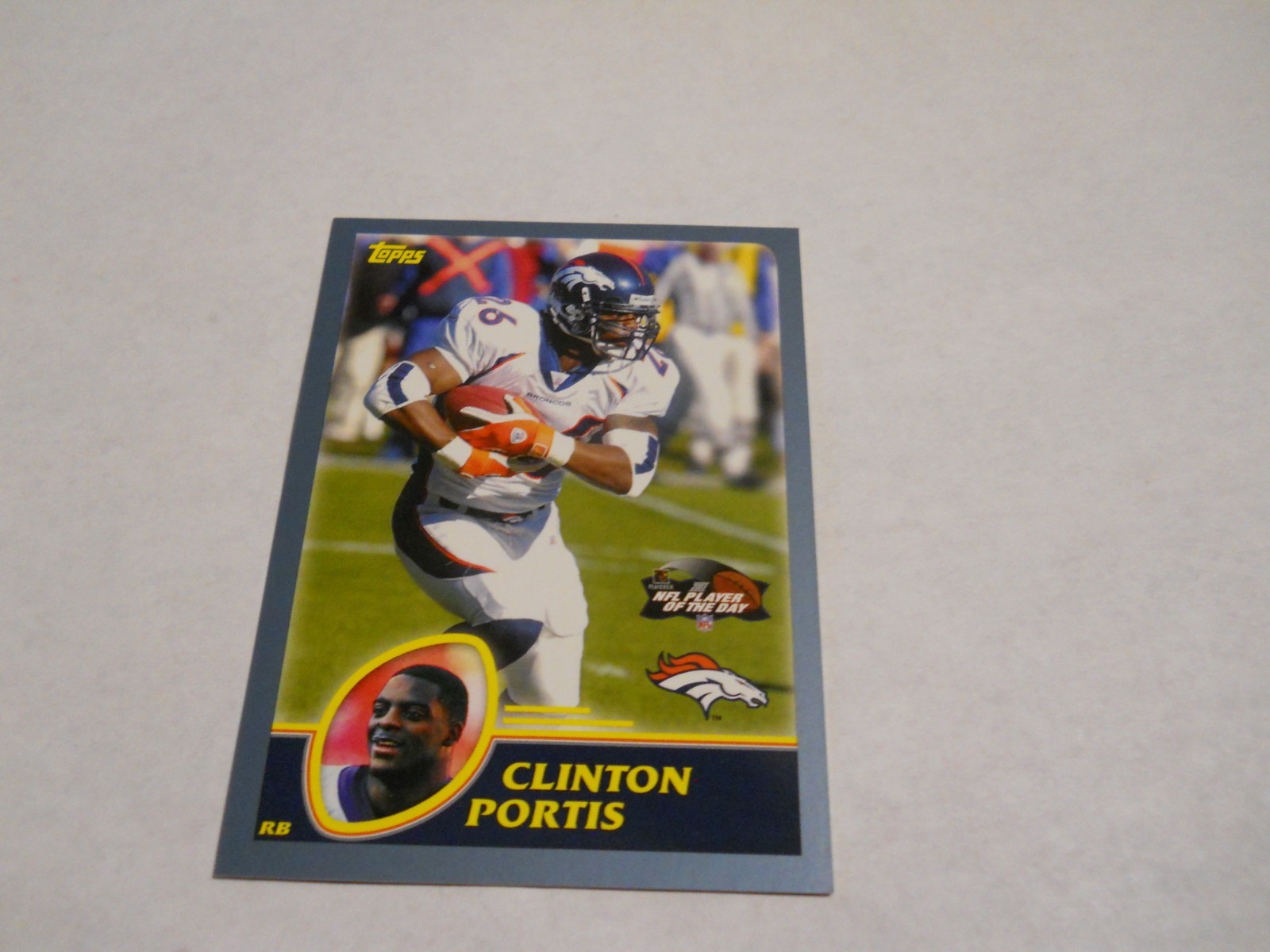
Long before establishing himself as a household name in the NFL, Clinton Portis honed his craft at the University of Miami, starring for the Hurricanes as part of one of the most talent-laden rosters in college football history. Sharing a backfield with future NFL stars and operating within a high-octane offensive system, Portis showcased the breakaway speed and tackle-breaking capability that immediately caught the attention of professional scouts. His collegiate efficiency translated directly into draft stock, culminating in his selection by the Denver Broncos in the second round of the 2002 NFL Draft.
Stepping into the professional ranks, Portis immediately benefited from the legendary offensive mind of head coach Mike Shanahan and his signature zone-blocking scheme. This blocking architecture relied heavily on offensive linemen firing out in unison, creating cutback lanes that favored a back possessing quick acceleration and decisive one-cut capabilities. Portis possessed these traits in abundance. Rather than requiring prolonged development, he seized the starting role early in his rookie campaign, immediately validating the Broncos' draft investment by orchestrating a dominant debut season that stunned opposing defensive coordinators across the league.
Explosive Rookie Impact and Sophomore Consistency in Denver
During the 2002 NFL season, Clinton Portis exploded onto the professional scene by rushing for 1,508 yards and scoring 15 touchdowns, averaging an elite 5.5 yards per carry. His remarkable debut earned him the Associated Press NFL Offensive Rookie of the Year award and established him as one of the most dangerous open-field runners in the sport. His ability to turn a seemingly bottled-up handoff into a massive gain due to his elite patience and sudden acceleration made the Denver rushing attack virtually unstoppable.
| Year | Team | Rush Yards | Yards Per Carry | Rushing Touchdowns |
|---|---|---|---|---|
| 2002 | Denver | 1,508 | 5.5 | 15 |
| 2003 | Denver | 1,591 | 4.3 | 14 |
| 2004 | Washington | 1,315 | 3.5 | 5 |
| 2005 | Washington | 1,515 | 4.3 | 11 |
Following up on a stellar rookie campaign, Portis maintained his elite production in 2003 by rushing for 1,591 yards and adding another 14 touchdowns. Operating behind Denver's disciplined offensive line, he became the first player in franchise history to rush for over 1,500 yards in each of his first two professional seasons. This sustained output confirmed that his rookie success was no fluke; rather, it signaled the arrival of a premier running back capable of shouldering heavy workloads while maintaining high efficiency.
The Blockbuster Trade to Washington and Continuing Production
Despite his astronomical production in Denver, contract considerations and roster management led to a monumental trade in the 2004 offseason. The Denver Broncos traded Clinton Portis to the Washington Redskins in exchange for star cornerback Champ Bailey and a second-round draft pick. This transaction stands as one of the most significant player swaps of the decade, shifting the offensive identity of Washington while handing Portis the responsibility of carrying a franchise striving to reclaim past glory.
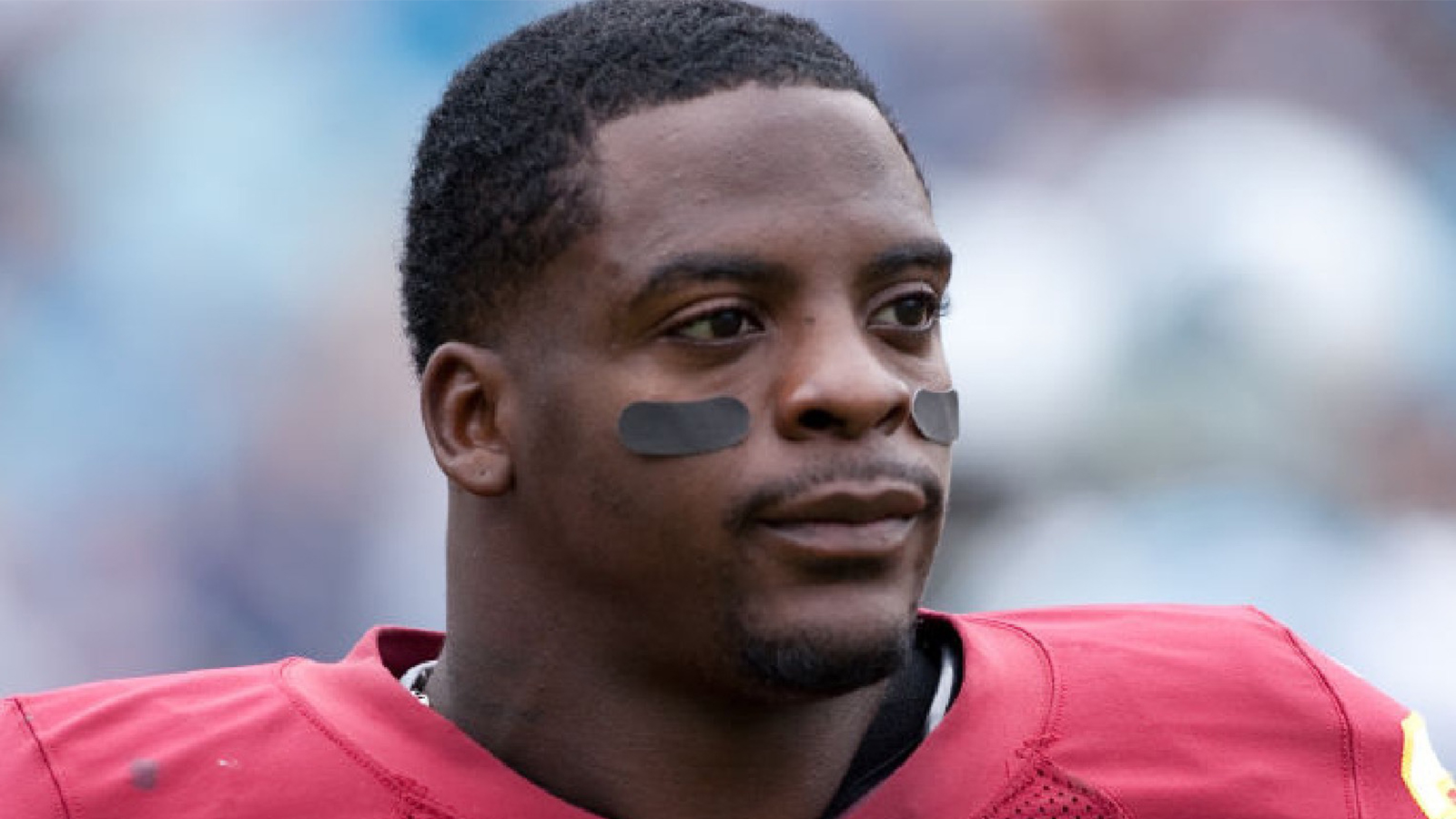
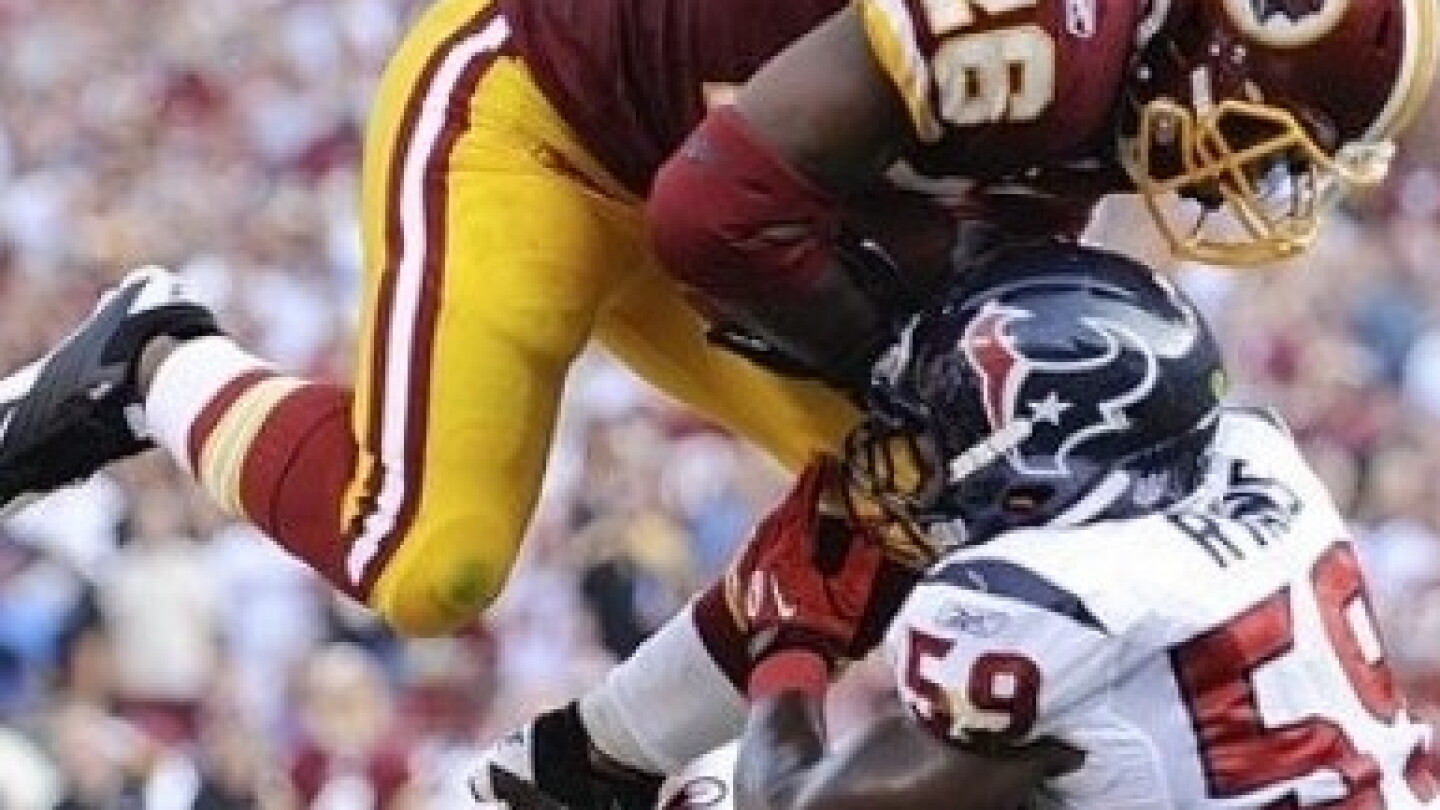
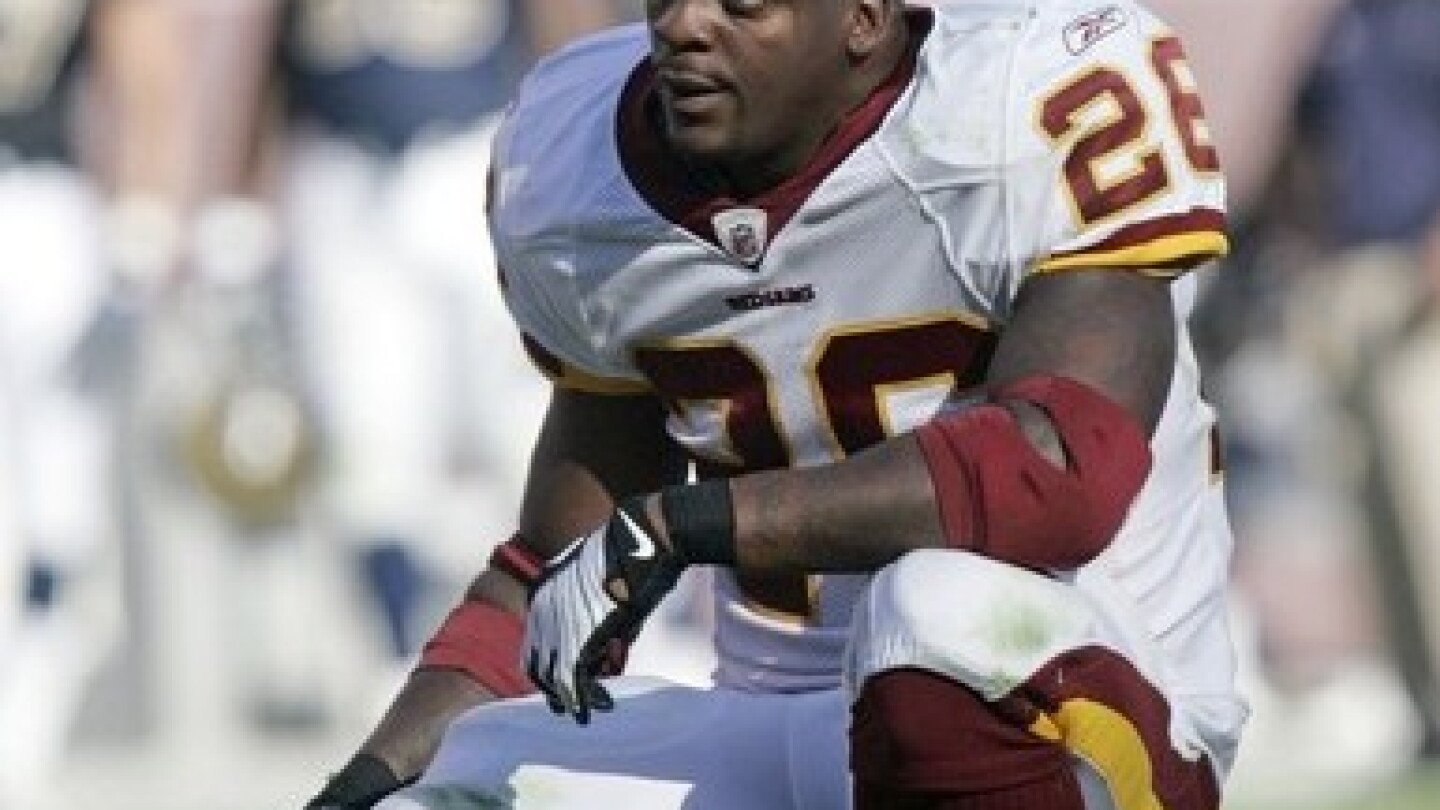
Transitioning from Denver's zone-blocking scheme to Washington's power-running attack presented initial schematic adjustments. Yet, Portis immediately embraced the challenge under head coach Joe Gibbs. In his debut season with Washington in 2004, he rushed for 1,315 yards, proving that his reliability transcended any single system. Two years later, in 2005, Portis delivered one of his finest professional seasons, rumbling for 1,515 yards and 11 touchdowns to help propel Washington into the NFC postseason. His workload during these years was immense, frequently logging over 300 carries per season and cementing his reputation as a durable, dependable focal point of the offense.
Evaluating Portis as a Complete Offensive Weapon
True reliability for a modern running back extends far beyond simply accumulating rushing yards on standard handoffs. Clinton Portis earned his reputation as a complete offensive weapon due to his proficiency in pass protection, soft hands as a receiver out of the backfield, and exceptional football IQ. When opposing defenses dialed up intricate blitz packages, Portis routinely stepped up to identify and neutralize blitzing linebackers and defensive backs, providing his quarterbacks with crucial pocket protection.
Furthermore, his contributions as a pass catcher kept defenses honest, preventing units from simply loading the box to stop the run. While he was never utilized primarily as a vertical slot receiver, his ability to leak out into the flat or run option routes made him a reliable safety valve. This multifaceted skill set allowed coaching staffs to keep him on the field in all three downs, maximizing offensive flexibility and minimizing the need for predictable personnel substitutions.
Physical Resilience and Durability Challenges
Playing the running back position in the NFL demands an extraordinary physical toll, and Portis absorbed punishing hits game after game. His running style—characterized by low center of gravity, relentless leg drive, and aggressive forward lean—meant he initiated contact frequently rather than stepping out of bounds. This fearless approach naturally accumulated physical wear and tear over multiple seasons of heavy usage.
By the latter stages of his career, injuries began to impact his availability, culminating in hip and concussion concerns that eventually led to his retirement. However, examining his career durability reveals an impressive baseline of resilience. For the majority of his prime, Portis played through minor injuries that would sideline lesser athletes, earning the respect of teammates and opponents alike for his toughness and commitment to the team's weekly game plans.
Legacy and Impact on the Running Back Position
Clinton Portis finished his NFL career with nearly 10,000 rushing yards and 75 total touchdowns, numbers that place him among the productive tier of running backs from his era. Beyond the raw statistics, his career serves as a bridge between the traditional run-heavy philosophies of the late 20th century and the evolving passing-dominated strategies of the modern gridiron. He demonstrated that a franchise could successfully build its offensive identity around a single bell-cow runner who reliably gains tough yardage in crucial moments.
His legacy within the organizations he represented remains secure. In Denver, he remains celebrated as one of the most explosive runners in franchise history, while in Washington, his gritty, hard-nosed performances earned him a permanent place in the hearts of the fan base. As analysts evaluate the evolution of the running back position, Portis stands out as a prime example of what consistent, high-volume production looks like when paired with elite athletic traits and unwavering competitive drive.
Frequently Asked Questions
What teams did Clinton Portis play for during his NFL career?
Clinton Portis played for two primary franchises during his professional career. He was drafted by the Denver Broncos in 2002 and played there for two seasons before being traded to the Washington Redskins in 2004, where he played until the conclusion of his career.
What are Clinton Portis's most notable career achievements?
Portis won the Associated Press NFL Offensive Rookie of the Year award in 2002, was selected to two Pro Bowl games (2003, 2008), and surpassed the 1,000-rushing-yard mark in four separate seasons, including two years with over 1,500 yards.
Why was Clinton Portis traded from Denver to Washington?
The trade was driven by a combination of contract negotiations and Denver's strategic preference for utilizing the zone-blocking scheme to generate production from various running backs, paired with their urgent need to upgrade their secondary by acquiring star cornerback Champ Bailey.
How did Clinton Portis perform in the passing game?
In addition to his rushing prowess, Portis was a reliable pass catcher and a willing, highly effective blocker in pass protection. He caught over 350 passes during his career, serving as a dependable safety valve for his quarterbacks.
What was Clinton Portis's running style?
Portis was known for exceptional vision, patience behind his blockers, sudden acceleration, and a low center of gravity that allowed him to break tackles and gain extra yardage after contact.
Conclusion
Clinton Portis cemented his legacy as a reliable rusher through a combination of explosive athleticism, exceptional vision, and remarkable durability. By anchoring the ground games in both Denver and Washington, he proved his ability to produce at an elite level regardless of scheme changes or defensive adjustments. His contributions as a runner, blocker, and teammate ensure his enduring place in the historical narrative of 2000s professional football.
Image Gallery