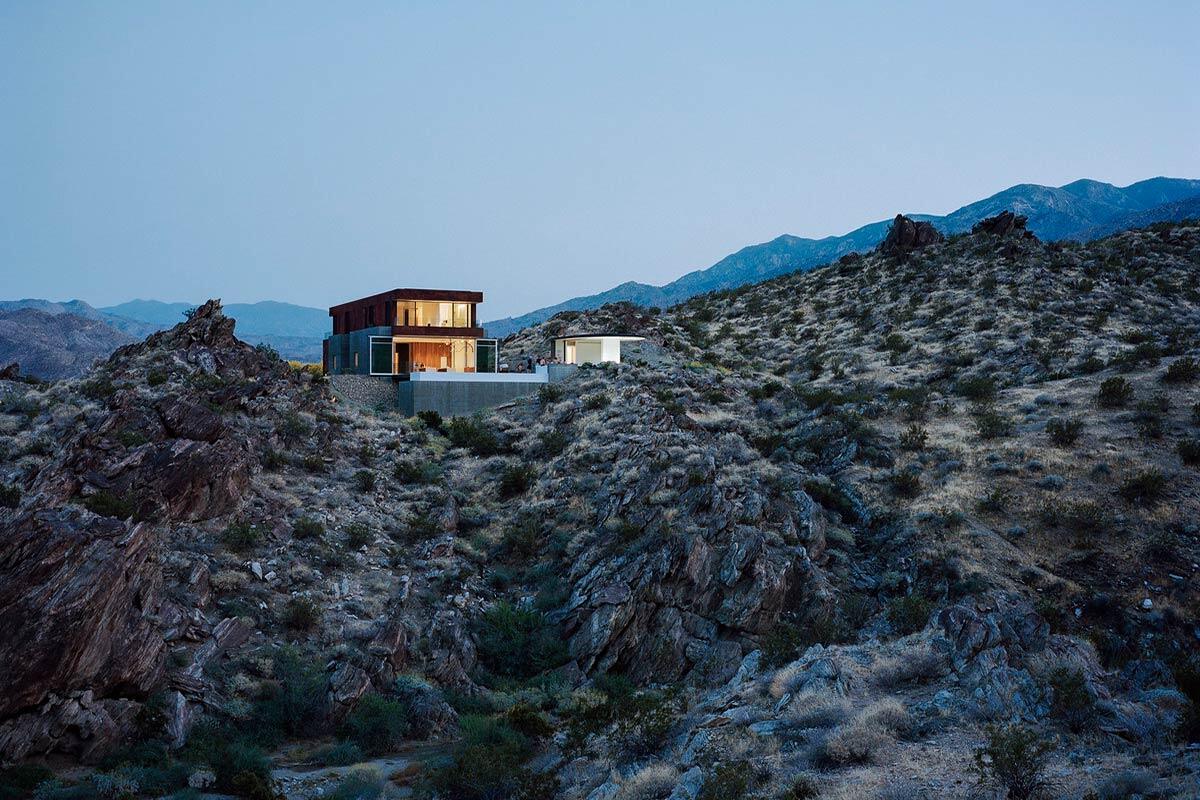
Zac Clark and the Shifting Landscape of Home Innovation in 2026
Zac Clark’s influence on home innovation in 2026 stems from the intersection of mental health advocacy and residential design. As the founder of Release Recovery, Clark has pioneered the integration of "restorative architecture"—a move...
Zac Clark’s influence on home innovation in 2026 stems from the intersection of mental health advocacy and residential design. As the founder of Release Recovery, Clark has pioneered the integration of "restorative architecture"—a movement prioritizing air quality, circadian lighting, and smart monitoring to create living environments that actively support long-term wellness and emotional stability.
Contents
The Evolution of Wellness-Centric Living
By 2026, the concept of home innovation has transitioned from mere "smart" automation to "intuitive" support systems. Zac Clark has been at the forefront of this shift, arguing that the physical environment is a critical component of the recovery journey. This philosophy has moved beyond specialized sober living facilities and into the mainstream residential market. The modern home is no longer just a shelter; it is viewed as a proactive health tool.
The "shifting landscape" Clark refers to involves a departure from high-gloss, sterile aesthetics toward biophilic and sensory-aware designs. This involves using natural materials that reduce cortisol levels and layout configurations that promote community and connection within the family unit. In 2026, developers are increasingly looking to Clark’s "Release" model to understand how physical spaces can mitigate stress and prevent burnout.
Smart Technology as a Pillar of Mental Health
One of the most significant innovations in 2026 is the use of non-intrusive monitoring systems designed to support mental health. Unlike the invasive security cameras of the past, these systems utilize AI-driven biometrics to track sleep patterns, heart rate variability (HRV), and even vocal tones to detect early signs of anxiety or depressive episodes.
Zac Clark’s advocacy has helped bridge the gap between tech developers and wellness experts. In contemporary home innovation, these technologies serve several key functions:
- Circadian Rhythm Alignment: Automated lighting systems that mimic the natural progression of sunlight, aiding in melatonin production and improving sleep hygiene—a cornerstone of recovery and mental health.
- Environmental Stability: AI systems that maintain optimal humidity and CO2 levels, which have been scientifically linked to cognitive function and emotional regulation.
- Predictive Maintenance for the Self: Smart mirrors and wearable-integrated home hubs that offer daily affirmations or suggest meditation breaks based on the user's physiological data.
These innovations are not just luxury add-ons; in 2026, they are being integrated into affordable housing projects and urban developments, reflecting Clark's commitment to making wellness-focused living accessible to a broader demographic.
Biophilic Design and the "Release" Aesthetic
The aesthetic component of home innovation under Zac Clark’s influence emphasizes "Biophilic Design." This approach incorporates natural elements—such as indoor gardens, natural light, and water features—to create a calming environment. Research into the "Release" aesthetic shows that environments with organic shapes and natural textures significantly reduce the physiological markers of stress.
In 2026, this translates to specific architectural choices:
- Fractal Patterns: Incorporating patterns found in nature into wall coverings and flooring to provide a sense of visual comfort.
- Transitional Spaces: Creating "decompression zones" between the outdoors and the living area to help residents transition from the high-stress outside world to a peaceful home environment.
- Acoustic Management: Using advanced sound-dampening materials that filter out urban noise pollution, which is a known trigger for sensory overload and anxiety.
Technical Specifications for the 2026 Restorative Home
To achieve the standards set by the shifting landscape of 2026, specific technical requirements must be met. These are no longer optional "upgrades" but are becoming standard in high-performance residential builds.
Air and Water Filtration
In 2026, the standard for air filtration is the HEPA-14 or PECO (Photoelectrochemical Oxidation) system, capable of removing 99.99% of particulate matter, including volatile organic compounds (VOCs) that can affect neurological health. Water filtration systems now include multi-stage reverse osmosis with mineral re-introduction to ensure that the primary fuel for the body is free of contaminants and neurologically supportive.
Lighting and Connectivity
The shift toward Matter 2.0 protocols allows for seamless integration between different brands of smart home devices. This interoperability is essential for "wellness scenes" where lighting, temperature, and sound systems coordinate to create specific moods—such as a "winding down" sequence that begins two hours before sleep.
| Feature | Traditional Home (Pre-2024) | Innovative Restorative Home (2026) |
|---|---|---|
| Air Quality | Basic MERV 8 filters | HEPA-14 with real-time VOC monitoring |
| Lighting | Static LED/Incandescent | Circadian-synced, flicker-free spectrum |
| Smart Tech | Security and convenience focus | Mental health and biometric focus |
| Materials | Synthetic, high-VOC finishes | Natural, toxin-free, biophilic materials |
| Sound | Basic insulation | Active acoustic management and white noise integration |
| Water | Standard municipal filtering | Multi-stage filtration with remineralization |
The Economic Impact and Future Outlook
The landscape of home innovation is also being reshaped by the economic realization that wellness-focused homes hold higher long-term value. In 2026, "Wellness Real Estate" is one of the fastest-growing sectors in the industry. Properties that incorporate the principles championed by figures like Zac Clark command a premium, not just for their luxury, but for their documented impact on the inhabitants' health.
Insurance companies have begun to take notice, with some offering "Healthy Home" premium discounts for residences equipped with certified air purification and biometric monitoring systems. This shift moves the financial burden of health from reactive medical treatment to proactive environmental prevention.
Furthermore, Clark’s influence extends into the corporate world. As remote and hybrid work remain standard in 2026, the "Home Office" has evolved into a "Wellness Suite." Employers are increasingly providing stipends for home innovation upgrades that align with Clark’s restorative principles, recognizing that a mentally healthy employee is more productive and less prone to absenteeism.
Common Obstacles and Troubleshooting in Home Innovation
Despite the advancements, transitioning to a restorative home environment in 2026 comes with challenges. Users often face "tech fatigue" or "notification anxiety" from over-monitored environments.
Troubleshooting the Restorative Home:
- Data Privacy: With biometric monitoring comes the risk of data breaches. It is essential to use systems with edge computing, where data is processed locally within the home rather than stored on a cloud server.
- System Over-Complexity: If a smart home requires a manual to operate, it adds stress rather than removing it. Zac Clark emphasizes "invisible tech"—systems that operate in the background without requiring user intervention.
- Initial Cost: While long-term value is high, the upfront cost of HEPA-14 systems and circadian lighting can be significant. To mitigate this, many homeowners are adopting a "room-by-room" approach, prioritizing the bedroom (for sleep) and the home office (for focus).
FAQs
How does Zac Clark define "home innovation"?
Zac Clark views home innovation as the purposeful use of technology and design to create a supportive ecosystem for mental health. It is less about "gadgets" and more about how light, air, and space can be optimized to assist in recovery and emotional regulation.
Can restorative home features be retrofitted into older houses?
Yes. By 2026, many modular solutions exist for older homes. Plug-and-play circadian lighting, portable high-grade air purifiers, and smart water filtration attachments allow homeowners to implement Clark’s principles without a full renovation.
Is the biometric monitoring in these homes intrusive?
In 2026, the leading systems use "passive sensing." This means they use radar or infrared sensors to track vitals like heart rate and breathing without the need for cameras or wearable devices, ensuring privacy while maintaining the benefits of health monitoring.
What is the role of Release Recovery in these home designs?
Release Recovery serves as the ideological blueprint. The lessons learned in Clark’s recovery centers—such as the importance of community spaces, the elimination of environmental triggers, and the necessity of routine—are applied to residential architecture to create "Trigger-Free" living environments.
Are these innovations covered by health insurance?
While not universally covered, by 2026, several forward-thinking health savings accounts (HSAs) and high-tier insurance plans allow for the reimbursement of "medical grade" home innovations, such as advanced air filtration and certain biometric monitoring hubs, if they are recommended for specific health conditions.
Practical Recommendations for 2026
For those looking to align their living space with the shifting landscape of home innovation, the first step is an Environmental Audit. This involves measuring current VOC levels, light flicker rates, and sleep-interrupting noise levels.
Prioritize the "Restorative Bedrock":
- Sleep: Invest in circadian lighting and sound-masking technology.
- Breath: Install a high-performance air filtration system.
- Mind: Create a designated "tech-free" zone using biophilic design elements to encourage daily mindfulness.
By adopting these principles, homeowners can move beyond the "smart home" era and into an era of intentional, health-first living as envisioned by Zac Clark.
Image Gallery