Understanding the Pit in a Hospital Setting: Efficiency in Emergency Care
In a hospital setting, "the pit" refers to a high-intensity, rapid-assessment zone within the Emergency Department (ED) where a Physician-In-Triage (PIT) or a specialized clinical team performs immediate evaluations. This model is desi...
In a hospital setting, "the pit" refers to a high-intensity, rapid-assessment zone within the Emergency Department (ED) where a Physician-In-Triage (PIT) or a specialized clinical team performs immediate evaluations. This model is designed to eliminate traditional waiting room delays by initiating diagnostic tests, treatments, and disposition decisions the moment a patient arrives, rather than waiting for an open inpatient-style bed.
Contents
For decades, the standard flow of an emergency room was linear: a patient checked in, saw a triage nurse, sat in the waiting room until a bed became available, and finally saw a physician. As of 2026, hospital systems have largely moved toward "The Pit" model—also known as Provider-in-Triage or Rapid Assessment Zones—to combat overcrowding and reduce the number of patients who leave without being seen (LWBS). By placing a high-level decision-maker at the front end of the clinical process, hospitals can front-load the diagnostic process, significantly improving patient safety and operational throughput.
What Exactly is "The Pit"?
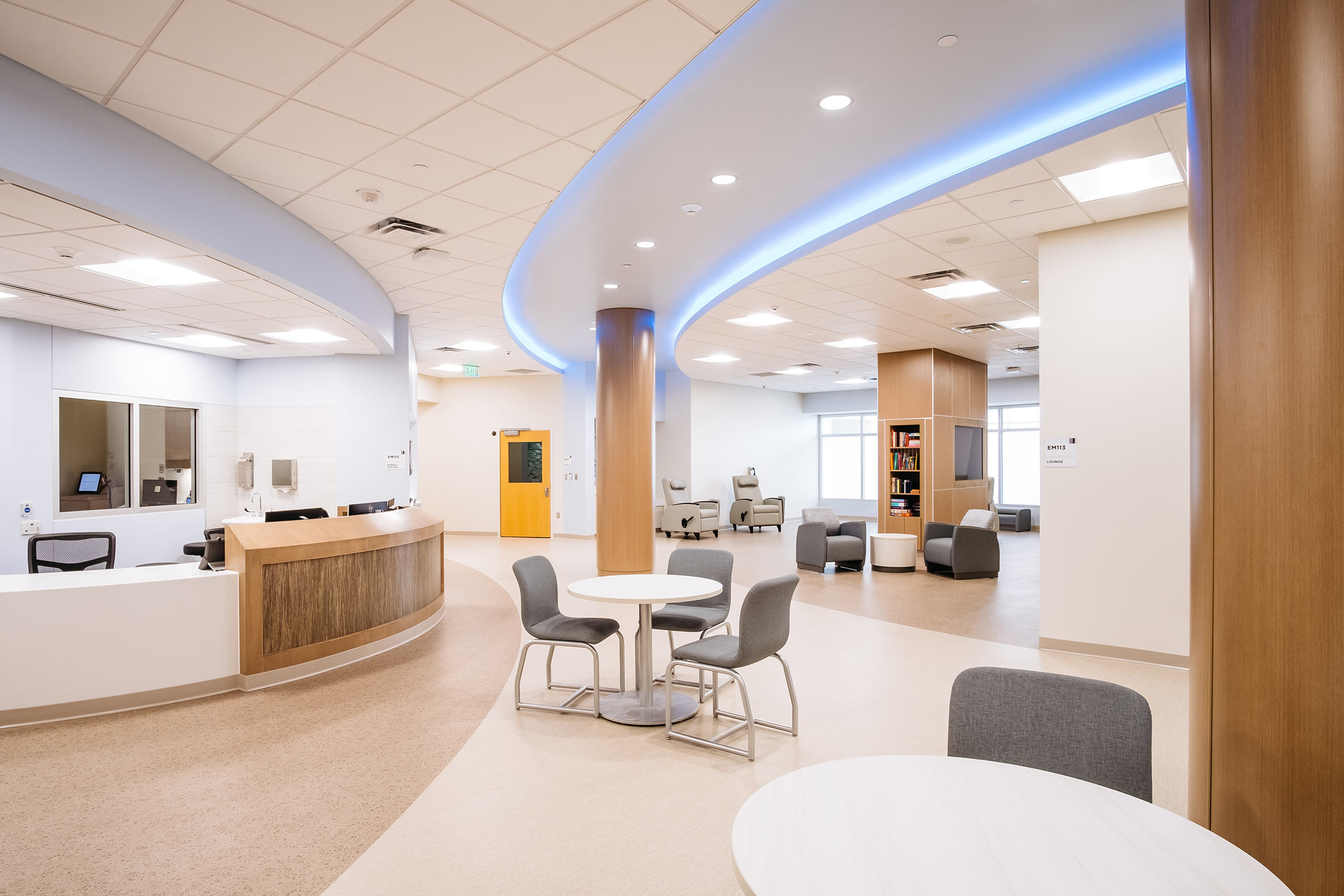
While the name may sound informal or even chaotic, the pit is a highly structured clinical environment. Physically, it is often a cluster of exam chairs or "vertical" bays located near the hospital entrance or triage desk. Unlike traditional ED rooms, these areas are not designed for long-term monitoring or recovery. Instead, they are designed for "vertical flow"—treating patients who are mobile and do not require a stretcher.
The primary goal of the pit is to decrease the "Door-to-Provider" time. In a traditional model, this metric could often stretch into hours during peak surges. In a pit-equipped hospital, the goal is often to have a provider assess the patient within 15 to 30 minutes of arrival. During this brief encounter, the provider performs a focused physical exam, listens to the chief complaint, and immediately enters orders for blood work, imaging (like X-rays or CT scans), and initial medications.
The Role of the Physician-In-Triage (PIT)
The engine that drives the pit is the Physician-In-Triage. This role is typically filled by an experienced Emergency Medicine physician, though in many 2026 staffing models, Physician Assistants (PAs) and Nurse Practitioners (NPs) are also utilized in this capacity under physician supervision.
The PIT provider must be a master of rapid clinical gestalt. They are not performing a comprehensive head-to-toe history and physical for every patient; rather, they are looking for "red flags" and determining the trajectory of care.
Immediate Decision-Making and Order Sets
In the pit, the provider uses "advanced triage protocols" or "order sets." For instance, if a patient presents with chest pain, the PIT provider can order an EKG, troponin levels, and a chest X-ray within minutes. By the time the patient is moved to a formal ED bed or a secondary waiting area, the laboratory results may already be processing. This "parallel processing" of patients is the core advantage of the pit model.
Disposition from the Front
One of the most effective uses of the pit is the "treat and release" pathway. Many patients come to the ED for minor ailments—lacerations, simple infections, or mild musculoskeletal injuries. A PIT provider can often diagnose these issues, provide a prescription or a simple procedure (like a suture), and discharge the patient directly from the pit area. This prevents low-acuity patients from ever occupying a high-acuity bed, leaving those resources available for critically ill patients.
Key Benefits of the Pit Model in 2026
As of the current 2026 healthcare landscape, the adoption of the pit model is no longer seen as a luxury but as a necessity for urban and high-volume community hospitals. The benefits extend across three main pillars: patient safety, operational efficiency, and financial health.
1. Reduction in Left Without Being Seen (LWBS) Rates
When waiting rooms are full and wait times are long, patients with potentially life-threatening conditions often leave in frustration. A robust pit model drastically reduces LWBS rates because every patient is seen by a provider early in their visit. Once a patient has seen a doctor and has had tests started, they are much more likely to stay for their full course of care.
2. Enhanced Patient Safety
The pit serves as a "safety net." In a traditional waiting room, a patient’s condition could deteriorate unnoticed by the clerical staff or the triage nurse. In the pit, because a physician or advanced practice provider (APP) is performing a rapid assessment, critical conditions like early sepsis, atypical myocardial infarction, or stroke symptoms are identified much sooner.
3. Improved Hospital Throughput
Throughput is the measure of how efficiently a patient moves through the hospital system. By starting the "work-up" in the pit, the total Length of Stay (LOS) in the ED is shortened. Even if a patient eventually needs a bed, they arrive in that bed with their lab results already back, allowing the primary ED physician to make a final decision (admit or discharge) almost immediately.
Comparing Traditional ED Flow vs. The Pit Model
The following table illustrates the operational differences between the traditional triage-to-bed model and the modern "Pit" or "Vertical Flow" model used in many 2026 facilities.
| Feature | Traditional ED Model | The Pit / Vertical Flow Model |
|---|---|---|
| Primary Goal | Patient comfort and monitoring | Rapid assessment and order initiation |
| Provider Contact | Occurs after a bed is assigned | Occurs within minutes of arrival |
| Patient Position | Horizontal (on a stretcher) | Vertical (in a chair/recliner) |
| Lab/Imaging Orders | Delayed until bed placement | Initiated at the point of triage |
| Average Wait Times | High (2–6+ hours) | Low (15–45 minutes to provider) |
| Staffing Emphasis | Nursing-heavy triage | Provider-heavy (MD/PA/NP) triage |
| Discharge Potential | Rare before bed placement | High (Treat-and-release is common) |
The Pit Process: A Step-by-Step Walkthrough
Understanding how a patient moves through the pit helps demystify the experience for both staff and patients.
- Arrival and Quick Look: The patient is greeted by a technician or nurse who performs a "quick look" to ensure the patient isn't in immediate respiratory or cardiac arrest.
- Vital Signs: Basic vitals (blood pressure, heart rate, oxygen saturation) are taken immediately.
- The Pit Assessment: The patient is moved to the pit area. The PIT provider performs a 3-to-5-minute focused evaluation.
- Order Initiation: Orders are placed into the Electronic Health Record (EHR). A "Pit Nurse" may draw blood and start an IV right there in the assessment chair.
- Diagnostic Staging: The patient is moved to an internal waiting area (often called a "Results Waiting" lounge) while tests are processed. This keeps the pit chairs open for the next arrival.
- Disposition: Once results are ready, the PIT provider or a transition nurse informs the patient of the plan. They are either discharged, moved to a procedure room, or assigned to a main ED bed for admission to the hospital.
Challenges and Operational Limitations
While the pit model is highly effective, it is not without its hurdles. Hospital administrators and clinicians must navigate several complexities to make the system work.
Space and Privacy Concerns
The pit is often a high-traffic, open-concept area. Maintaining HIPAA (Health Insurance Portability and Accountability Act) standards and patient privacy can be difficult. Hospitals in 2026 often use acoustic dampening materials, mobile privacy screens, and "white noise" machines to protect patient conversations during the rapid assessment phase.
Provider Burnout
Working in the pit is mentally exhausting. A PIT provider may see 10 to 15 patients per hour during a surge, making rapid-fire decisions without the benefit of a quiet environment. Facilities often rotate doctors in and out of the pit in 4-hour shifts to prevent "decision fatigue" and maintain high levels of diagnostic accuracy.
The "Bottleneck" Shift
The pit is excellent at starting the workup, but it can create a bottleneck elsewhere. If the laboratory is overwhelmed or if the hospital's upstairs inpatient beds are full (boarding), the pit's efficiency is neutralized. The pit only works if the rest of the hospital's "downstream" processes are equally optimized.
The Future of the Pit: Technology and AI Integration
By 2026, many pit models have begun integrating Artificial Intelligence (AI) to assist in triage. AI algorithms can scan a patient's historical records and current vital signs to suggest specific order sets to the PIT provider, further shaving minutes off the assessment time. Additionally, "Tele-Pit" models have emerged, where a remote physician performs the triage assessment via a high-definition video kiosk, allowing smaller rural hospitals to access the expertise of board-certified emergency physicians in real-time.
Professional Advice and Limitations
While the pit model improves efficiency, it is primarily a tool for emergency medicine and hospital operations. Patients should be aware that the pit is for initial stabilization and diagnostic "kick-starting." It is not a substitute for a comprehensive longitudinal exam by a primary care physician. For hospital staff, implementing a pit model requires significant cultural shifts and interdisciplinary cooperation between nursing, physician groups, and environmental services.
Frequently Asked Questions
Is the "Pit" the same as the "ER"?
No, the pit is a specific section or process within the Emergency Room. Think of the ER as the entire department and the pit as the "express lane" or "command center" where patients are first sorted and their care is initiated.
Why was I sent back to a waiting room after seeing a doctor in the pit?
This is a sign that the system is working. Once the doctor in the pit sees you and orders tests, you are moved to a secondary waiting area while the lab processes your results. This keeps the pit exam area open for the next person who just walked through the door.
Will I see the same doctor again after I leave the pit?
Not necessarily. In many hospitals, the PIT provider's job is only to start the process. If you require a long-term stay or admission, your care will be "handed off" to a different doctor in the main section of the Emergency Department.
Can I get treatments like stitches or IV fluids in the pit?
Yes. Many modern pit designs include "Fast Track" or procedure rooms specifically for minor treatments so that patients can be discharged without ever needing a formal hospital bed.
Is the pit used for people coming in by ambulance?
Usually, no. Patients arriving by ambulance who are unstable are typically taken directly to a resuscitation bay or a high-acuity room. The pit is primarily designed to manage the "walk-in" volume which accounts for the majority of ED visits.
Does the pit model increase my medical bill?
Generally, the billing is based on the complexity of the care provided (Level 1-5 ED visits), not the specific location where the care was delivered. However, by reducing your total time in the hospital, the pit model can actually lower secondary costs related to prolonged stays.
Practical Recommendation
If you are a hospital administrator looking to implement a pit model in 2026, start by analyzing your "Arrival to Provider" metrics and your LWBS rates. If more than 3% of your patients are leaving without being seen, a Physician-In-Triage system is likely necessary. For patients, if you enter an ED and are seen almost immediately in a chair-based setting, recognize that this is a "Pit" model designed to get your tests started hours faster than the traditional method.
Image Gallery