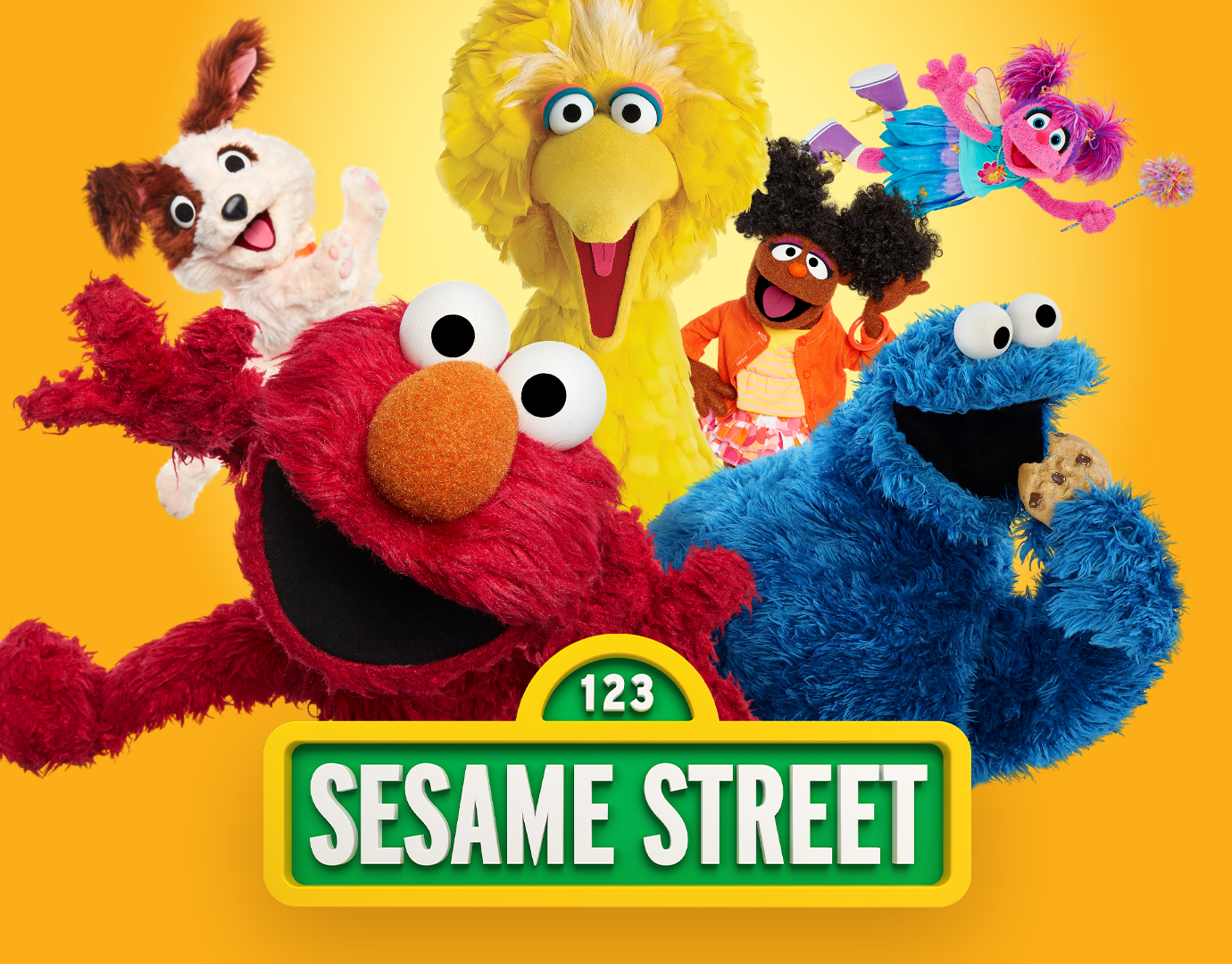
The Shifting Landscape of Sesame Street Viewership: A 2026 Analysis
As of 2026, the landscape of Sesame Street viewership is defined by a "streaming-first" hybrid model that prioritizes on-demand access while maintaining its foundational commitment to public broadcasting. While the platform Max (former...
As of 2026, the landscape of Sesame Street viewership is defined by a "streaming-first" hybrid model that prioritizes on-demand access while maintaining its foundational commitment to public broadcasting. While the platform Max (formerly HBO Max) serves as the primary hub for first-run premieres and the vast historical archive, PBS Kids remains the essential vehicle for free, equitable access to the program following a strategic broadcast delay.
Contents
The Evolution of Distribution: From Broadcast to Multi-Platform
For nearly five decades, Sesame Street was synonymous with the Public Broadcasting Service (PBS), operating as the gold standard for free, accessible educational television. However, the financial realities of high-quality television production in the 21st century necessitated a dramatic pivot. The shift began in earnest in 2015 when Sesame Workshop entered into a landmark agreement with HBO, which later transitioned to Warner Bros. Discovery’s Max platform.
By 2026, the "shifting landscape" is no longer a transition but a settled reality. The viewership model is bifurcated: affluent households and digital-native families typically consume the show via Subscription Video on Demand (SVOD), while a significant portion of the audience continues to rely on linear broadcast and the free PBS Kids app. This fragmentation has changed how the Workshop measures success, moving away from traditional Nielsen ratings toward a holistic view of "minutes viewed" across all digital touchpoints.
The Financial Catalyst for Change
The migration to a premium-first model was driven primarily by the rising costs of production and a decline in traditional licensing revenue from DVD sales and physical merchandise. By partnering with a premium cable and streaming giant, Sesame Workshop secured the funding necessary to increase its content output—moving from 18 episodes per season to 35—and expanding its social impact initiatives. For viewers, this meant that while the show remained "free" on PBS, it was no longer "first" on PBS.
The "Max" Factor and the Subscription Era
In the current 2026 media environment, Max acts as the "home base" for the Muppets. This relationship has fundamentally altered the viewing habits of preschoolers. Streaming allows for "looping" and "binge-watching," behaviors that were impossible during the era of appointment television.
Warner Bros. Discovery has utilized Sesame Street as a cornerstone of its family programming. However, this partnership has not been without its challenges. In 2022, the removal of a significant portion of the Sesame Street back catalog from the streaming service sparked a conversation about the volatility of digital archives. Today, viewers must navigate a landscape where corporate maneuvers can instantly change the availability of historical "Street" content.
The Impact of Premium Placement
The shift to premium streaming has introduced a "two-tiered" experience for the audience. Subscribing families gain access to:
- Immediate Premieres: New episodes are available months before they reach public airwaves.
- High-Definition Archives: Selected classic episodes remastered for modern screens.
- Ad-Free Environment: A consistent, uninterrupted learning experience that many parents find worth the monthly subscription fee.
The Enduring Necessity of PBS: Bridging the Digital Divide
Despite the dominance of streaming, PBS remains the most critical component of the Sesame Street mission. The "nine-month window"—the period during which new episodes are exclusive to Max before airing on PBS—remains a point of contention and interest in 2026. This window ensures that Sesame Workshop can fund its operations while still fulfilling its mandate to reach children in low-income households who may not have access to high-speed internet or monthly streaming budgets.
The viewership on PBS in 2026 is increasingly concentrated in the PBS Kids Video App. This platform provides a middle ground, offering a live stream of the channel and a rotating selection of on-demand episodes for free. This hybrid approach has allowed Sesame Street to maintain its status as a universal cultural touchstone, even as the "digital divide" threatens to sequester high-quality educational content behind paywalls.
| Feature | Max (Streaming) | PBS Kids (Broadcast/App) | YouTube (Clips/Shorts) |
|---|---|---|---|
| Availability | Instant Premieres | 9-Month Delayed | Select Segments Only |
| Cost | Monthly Subscription | Free | Free (Ad-Supported) |
| Archive Depth | Extensive (50+ Seasons) | Rotating Recent Episodes | Fragmented Highlights |
| Primary Intent | Entertainment/Convenience | Equity/Education | Discovery/Viral Content |
| Target Audience | SVOD Households | All Families/Low-Income | Mobile/Casual Viewers |
Analyzing Demographic Trends and "Co-Viewing" Habits
The way families watch Sesame Street in 2026 is also a reflection of changing parental philosophies. "Co-viewing"—the practice of parents and children watching together—has seen a resurgence. This is partly due to the "nostalgia factor," as Millennial and Gen X parents introduce their children to the characters they grew up with, and partly due to the show's intentional writing, which includes humor and parodies aimed at adults.
The Shrinking Target Age
One of the most significant shifts in the viewership landscape is the "age compression" of the audience. Traditionally aimed at children ages 3 to 5, data indicates that the core audience now skews younger, often beginning at 18 to 24 months. By the time children reach age 5, many have migrated to more high-octane animated content or user-generated content on platforms like YouTube and TikTok. This has forced the show to adapt its curriculum to focus on "school readiness" for an even younger cohort.
The YouTube Effect: Short-Form Content and Viral Education
Beyond the full episodes on Max and PBS, a massive portion of Sesame Street's viewership occurs on YouTube. In 2026, the Sesame Street YouTube channel serves as a global entry point for the brand.
YouTube viewership is characterized by:
- Repeatability: Children often watch the same "Letter of the Day" or "Elmo’s World" segment dozens of times.
- Viral Music: Hits like "Wonderland" or celebrity collaborations often garner hundreds of millions of views, reaching audiences that may never watch a full 30-minute episode.
- Algorithmic Discovery: The "shifter" in the landscape here is the algorithm, which often leads children from an official Sesame Street clip into a sea of unrelated, often lower-quality, "toddler content."
Sesame Workshop has responded to this by creating "digital-first" content—shorter segments specifically designed for the mobile, short-attention-span environment of the mid-2020s.
Technical Specifications and Accessibility Features
In 2026, the "how" of viewing is as important as the "what." The technical landscape of Sesame Street viewership includes several advancements designed to make the show more inclusive.
- Closed Captioning and Audio Description: These are now standard across all platforms, but the Max versions often feature enhanced descriptive audio for the visually impaired.
- Interactive Overlays: On some streaming devices, Sesame Street incorporates basic interactive elements that allow children to "respond" to the Muppets using a remote or touch screen, bridging the gap between passive viewing and active learning.
- Multilingual Options: Reflecting the shifting demographics of the United States, the ability to toggle between English and Spanish audio has become a primary feature for a large segment of the viewing population.
The Achievement Gap and Public Policy
The shifting landscape of viewership has sparked ongoing discussions among educators and policymakers. When the program moved to HBO/Max, concerns were raised that the "achievement gap" between high-income and low-income children would widen.
If children in wealthier homes have a nine-month "head start" on the educational curriculum of the newest season, does that provide them an unfair advantage? By 2026, research from organizations like the National Association for the Education of Young Children (NAEYC) has suggested that while the delay is a factor, the sheer volume of "evergreen" content available on PBS mitigates most of the negative impact. Sesame Street's core curriculum—social-emotional learning, basic literacy, and numeracy—remains consistent across seasons.
FAQs
Why is Sesame Street on Max instead of just PBS?
The move to Max (and HBO before it) was a financial necessity. The funding provided by the subscription service allows Sesame Workshop to produce more content and expand its non-profit social work globally. PBS receives the episodes at a lower cost after an exclusivity window, ensuring the show remains free for the public.
Has the "nine-month delay" impacted educational outcomes?
There is no definitive evidence that the delay has harmed children's learning. Most educational goals in the show are reinforced over multiple seasons. However, the delay does mean that PBS viewers may see "seasonal" content (like holiday specials) significantly later than their streaming counterparts.
Is Sesame Street still free for those without a subscription?
Yes. Sesame Street continues to air daily on local PBS stations and is available via the PBS Kids app and website. While you cannot see the newest episodes immediately, there is a massive library of content available at no cost.
How has the show's format changed for streaming?
Starting around Season 46, the show shortened from 60 minutes to 30 minutes. This change was designed to better fit the viewing habits of children on digital platforms and to align with the shorter attention spans observed in the streaming era.
What is the role of YouTube in current viewership trends?
YouTube is the primary platform for "discovery." It allows the Workshop to reach a global audience and provide short, focused educational segments. It acts as a funnel, introducing children to the characters before they move on to full-length episodes on Max or PBS.
Is the entire archive of Sesame Street available to watch?
Not entirely. While Max holds a significant portion of the library, hundreds of episodes from the 1970s through the early 2000s are not currently available on any streaming platform due to licensing issues, music rights, and changing educational standards.
Practical Recommendations for Parents
To navigate the current landscape of Sesame Street viewership effectively in 2026, families should adopt a multi-platform strategy. Use Max if you desire the latest episodes and an ad-free experience, but do not overlook the PBS Kids app, which offers high-quality, curated content that is specifically designed for child safety.
For parents concerned about screen time, prioritize "active viewing" by using the show's themes—such as the "Word of the Day"—as conversation starters during non-screen activities. Regardless of the platform, the educational value of Sesame Street is maximized when the viewing experience is shared and discussed within the family unit.
Image Gallery