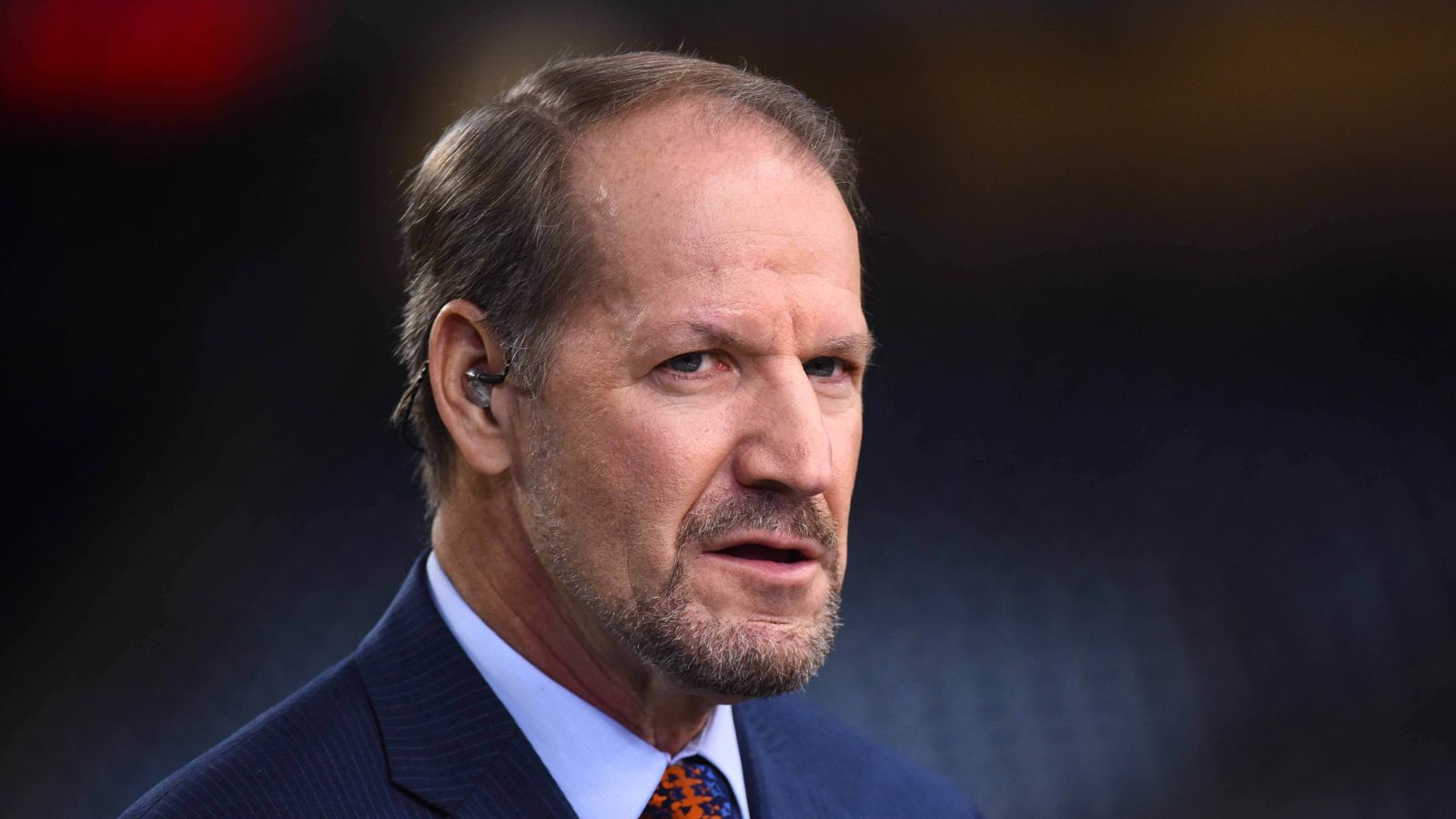
Is Bill Cowher Still the Best Choice for the Browns? Examining the Historic Coaching Link
Bill Cowher is not a realistic choice to coach the Cleveland Browns today, given his long-standing retirement from the NFL sideline, his successful broadcasting career with CBS Sports, and his lack of interest in returning to coaching...
Bill Cowher is not a realistic choice to coach the Cleveland Browns today, given his long-standing retirement from the NFL sideline, his successful broadcasting career with CBS Sports, and his lack of interest in returning to coaching since leaving the Pittsburgh Steelers after the 2006 season. While fans and analysts frequently invoke his name whenever the Browns experience a coaching vacancy, evaluating him as a candidate requires separating nostalgic desire from modern NFL operational realities.
Contents
To understand why the perennial connection between Bill Cowher and the Cleveland Browns persists, it is necessary to examine his historical ties to the franchise, the evolution of NFL coaching philosophies, the current state of the Browns organization, and the practical hurdles that prevent such a high-profile reunion from ever materializing.
The Roots of the Cowher-Browns Connection
The historical appeal of Bill Cowher to Cleveland Browns supporters stems from deep geographical, cultural, and professional roots. Cowher is a native of Crafton, Pennsylvania, just outside Pittsburgh, but his ties to Northeast Ohio run deep. He played linebacker for the Cleveland Browns under head coach Sam Rutigliano from 1980 through 1982, experiencing firsthand the hard-nosed, blue-collar football identity that defines the region.
Furthermore, Cowher served as a defensive coordinator for the Kansas City Chiefs under Marty Schottenheimer—a former Browns head coach—before taking over the Pittsburgh Steelers in 1992. His tenure with Pittsburgh spanned fifteen seasons, during which he captured a Super Bowl title (XL), reached another, and established a culture of stability and physical toughness. Because the Browns have endured decades of instability, front-office turnover, and losing seasons since their 1999 return to the NFL, fans frequently yearn for a proven, authoritative figure like Cowher to instill discipline and a winning culture.
Evaluating the Modern NFL Coaching Landscape
NFL head coaching has undergone a massive transformation since Cowher walked away from the game in January 2007. The modern game is heavily skewed toward offensive innovation, analytical integration, and youthful leadership. Teams increasingly prioritize brilliant offensive play-callers, passing game coordinators, and coaches who can maximize the potential of a modern quarterback through sophisticated scheme design and data-driven decision-making.
While Cowher was an elite head coach who understood how to manage games, motivate players, and build resilient defenses, the profile of a successful NFL coach has shifted away from the old-school, CEO-style disciplinarian. Even defensive-minded head coaches in the current era must possess a contemporary grasp of modern offensive spacing, RPO concepts, and explosive play generation.
| Era / Factor | Bill Cowher’s Coaching Era (1992–2006) | Modern NFL Coaching Era (2026 Context) |
|---|---|---|
| Primary Focus | Physical defense, running game, clock management, and emotional leadership. | Advanced offensive schematics, quarterback development, and data analytics. |
| Staff Structure | Traditional coordinators with heavy reliance on established positional coaches. | Collaborative environments blending scouting, sports science, and specialized analytical departments. |
| Candidate Source | Long-time defensive or offensive coordinators with extensive sideline experience. | Young offensive coordinators, passing game specialists, and innovative collegiate minds. |
| Media & Public Pressure | Traditional print and television media cycles with slower information dissemination. | 24/7 social media scrutiny, instant analysis, and immediate accountability. |
Practical Obstacles to a Cleveland Return
Beyond philosophical shifts in the game, several concrete, practical barriers make the notion of Bill Cowher coaching the Browns entirely theoretical.
1. Retirement Stability and Broadcasting Success
Cowher stepped away from coaching at the peak of his career not because he was forced out, but because he desired a better work-life balance and relief from the grinding 80-hour workweeks demanded of NFL head coaches. Since 2007, he has established himself as a fixture on CBS Sports' The NFL Today, earning substantial financial compensation while enjoying a prominent media profile with significantly reduced stress. There has been no indication from Cowher that he has any desire to trade the television studio for the high-pressure environment of an NFL locker room.
2. Age and Time Away from the Sideline
Entering his late sixties, Cowher has been away from active NFL coaching for nearly two decades. The game has evolved drastically in terms of collective bargaining agreements, practice limitations, technological integration, and tactical complexity. While a mind as sharp as Cowher's could theoretically adapt, the adjustment period for a coach who has been out of the daily operations of a franchise for twenty years represents an unprecedented gamble for any front office.
3. Front Office and Ownership Alignment
Modern NFL franchises operate under complex organizational structures involving general managers, chief strategy officers, analytical departments, and ownership groups. Cowher famously commanded immense organizational control during his final years in Pittsburgh. Replicating that dynamic in Cleveland, where Andrew Berry serves as the Executive Vice President of Football Operations and General Manager under ownership group Jimmy and Dee Haslam, would require a complete restructuring of an established front office.
Comparing Cowher to Alternative Strategic Profiles
When evaluating what the Cleveland Browns require to achieve sustained success, comparing a historical candidate like Cowher to the types of coaches actually targeted in modern hiring cycles highlights the divergence in organizational strategy.
- The Established Veteran: Coaches who have proven track records of turning struggling franchises around or maintaining high floors, though they may command massive salaries and heavy personnel input.
- The Offensive Innovator: Young coordinators known for scheming open receivers, protecting young quarterbacks, and adapting weekly game plans to exploit defensive tendencies.
- The Culturally Driven Leader: Coaches who emphasize high energy, player empowerment, and modern communication styles to maintain locker room cohesion during long, grueling seasons.
Cowher represents the epitome of the traditional, culture-first leader. However, modern front offices typically prefer hiring coordinators who have direct, recent experience managing the complex offensive ecosystems required to win playoff games in the current NFL environment.
Common Misconceptions About Coaching Retreads
Fans and sports talk radio callers often romanticize the idea of hiring a legendary former coach who won elsewhere, assuming that past success translates automatically to a new market. However, historical precedent shows that legendary coaches returning to the sideline after long layoffs rarely replicate their previous glory.
Football operations require daily, unyielding immersion in roster construction, salary cap management, scouting evaluations, and modern scheme development. A coach who has spent nearly twenty years evaluating the game from a high-level broadcast perspective is fundamentally detached from the granular, exhausting realities of weekly NFL game planning and personnel management.
Frequently Asked Questions
Did the Cleveland Browns ever seriously attempt to hire Bill Cowher?
While media speculation frequently linked Cowher to the Browns during various coaching searches over the years, no official, verified contract offers were ever extended during periods when Cowher was actively evaluating coaching opportunities. Cowher consistently maintained that he was not actively pursuing a return to the sidelines.
What was Bill Cowher’s career record as an NFL head coach?
During his fifteen seasons with the Pittsburgh Steelers, Cowher compiled a regular-season record of 149-90-1 and a postseason record of 12-9, capturing Super Bowl XL at the conclusion of the 2005 season.
Why do fans keep bringing up Bill Cowher during Browns coaching searches?
The persistent rumors reflect fan frustration with historic organizational instability. Because Cowher represents a golden standard of stability, toughness, and winning culture in nearby Pittsburgh, fans view him as the ultimate antidote to Cleveland's historical struggles.
Is Bill Cowher in the Pro Football Hall of Fame?
Yes. Bill Cowher was elected to the Pro Football Hall of Fame as part of the Centennial Class of 2020, cementing his legacy as one of the definitive coaches of his generation.
Could any team convince Bill Cowher to return to coaching?
Given his established broadcasting career, his age, and his repeated public statements regarding his satisfaction with retirement, it is exceedingly unlikely that any NFL franchise could lure Cowher back to the sideline.
Next Actions and Conclusion
For fans and analysts evaluating the Cleveland Browns, the persistent daydream of Bill Cowher taking over the franchise is best viewed as a testament to the organizational stability the fanbase desires rather than a viable roster or coaching strategy. Evaluating the Browns moving forward requires focusing on modern candidate pools, offensive innovation, and front-office alignment rather than looking backward toward retired legends. The franchise's path to sustained competitiveness lies in identifying contemporary leaders capable of navigating today's NFL landscape.
Image Gallery