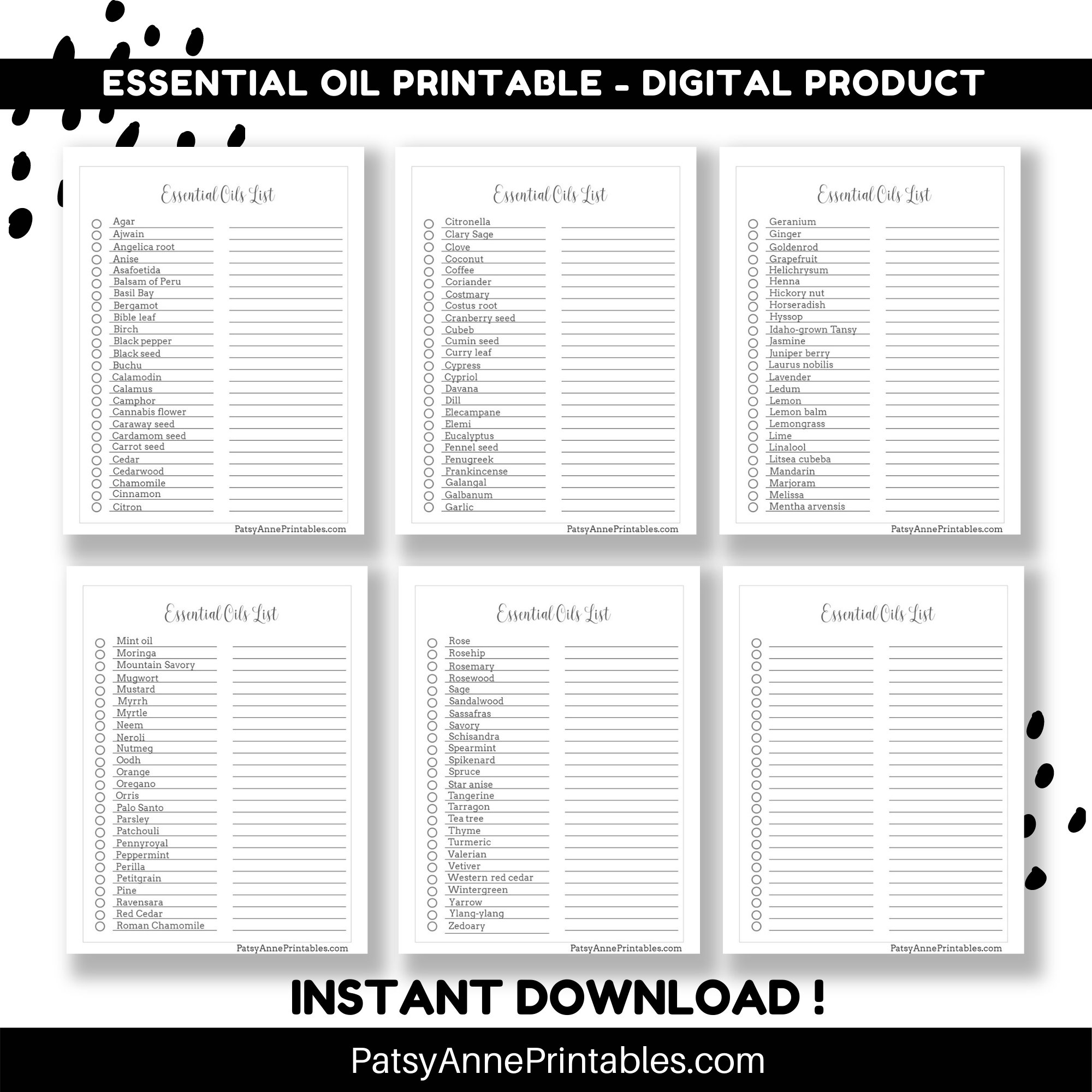
How to Get an Essential Oil List and Their Uses PDF: Free Downloads, Key Oils, and Safety Guide
To obtain a comprehensive essential oil list and uses PDF, download free reference documents directly from accredited aromatherapy organizations, university extension services, and public health institutions. Alternatively, you can com...
To obtain a comprehensive essential oil list and uses PDF, download free reference documents directly from accredited aromatherapy organizations, university extension services, and public health institutions. Alternatively, you can compile a custom PDF reference chart using verified botanical names, safety guidelines, application methods, and standardized carrier oil dilution ratios.
Contents
Medical and Safety Disclaimer
This guide and any downloaded essential oil reference documents are intended solely for educational and informational purposes. Essential oils contain concentrated phytochemical compounds that can interact with medications, irritate skin, or cause severe allergic reactions. They are not intended to diagnose, treat, cure, or prevent any disease. Always consult a qualified healthcare professional or board-certified clinical aromatherapist before using essential oils, particularly if you are pregnant, nursing, managing a chronic health condition, or planning to use oils near infants, young children, or pets.
Where to Find Reliable Essential Oil PDF Downloads
Finding an accurate, scientifically grounded essential oil reference PDF requires screening out promotional materials created solely to market specific brand-name oils. Reliable PDFs focus on botanical chemistry, objective therapeutic properties, and evidence-based safety standards rather than exaggerated wellness claims.
1. Academic Extension Programs and University Health Centers
State university agricultural extensions and academic integrative health centers publish peer-reviewed PDF guides on essential oil profiles, cultivation, and safe home usage. Institutions such as the National Center for Complementary and Integrative Health offer research-backed summary sheets detailing the clinical evidence, potential benefits, and safety limitations of widely used plant extracts. University extension sites regularly release printable PDFs that highlight specific plant species, chemical constituents, and safe harvesting or dilution practices.
2. Professional Aromatherapy Associations
Nonprofit industry associations establish strict safety standards and offer downloadable reference materials for both consumers and practitioners. The National Association for Holistic Aromatherapy provides educational resources, safety sheets, and printable PDF charts outlining proper usage, botanical nomenclature, and contraindications. Documents sourced from recognized professional bodies prioritize user safety over product sales.
3. Open-Access Chemical and Botanical Databases
For deep technical insight into plant chemistry, researchers and educated consumers access open biomedical databases such as PubMed. Many peer-reviewed systematic reviews on essential oil efficacy offer open-access downloadable PDF charts that map specific essential oils to their primary chemical constituents (such as linalool, 1,8-cineole, or alpha-pinene) and documented pharmacological activities.
Essential Information Every Quality Essential Oil PDF Must Include
Not all essential oil PDF charts are created equal. A high-quality reference document must include specific parameters to ensure safety, consistency, and proper application.
| Essential Components of an Essential Oil PDF |
|---|
| 1. Botanical (Latin) Name & Plant Part Used |
| 2. Chemotype (CT) Classification (where applicable) |
| 3. Primary Aromatherapeutic & Practical Applications |
| 4. Safe Application Methods (Diffusion vs. Topical) |
| 5. Standardized Topical Dilution Guidelines (Percentages & Drops) |
| 6. Safety Contraindications & Phototoxicity Warnings |
Botanical (Latin) Names and Chemotypes
Common plant names can be misleading. For example, "lavender" can refer to Lavandula angustifolia (True Lavender), Lavandula latifolia (Spike Lavender), or Lavandula x intermedia (Lavandin). Each species possesses distinct chemical profiles, therapeutic applications, and safety risks. Spike Lavender contains significant levels of camphor, making it unsuitable for small children, whereas True Lavender is gentle and low in camphor. A credible PDF must always list the exact binomial Latin name alongside any chemotype designations (such as Thymus vulgaris ct. thymol vs. Thymus vulgaris ct. linalool).
Application Methods and Dilution Ratios
Essential oils should rarely be applied neat (undiluted) to the skin. An authoritative PDF guide outlines specific application methods—such as passive inhalation, ultrasonic diffusion, or topical dilution—and provides clear carrier oil dilution ratios.
Comprehensive Safety Warnings
Safety warnings must clearly identify phototoxicity risks, potential organ toxicities, mucous membrane irritation, and age restrictions. For example, cold-pressed citrus oils contain furanocoumarins, which cause severe sunburn or blistering when exposed to ultraviolet (UV) light within 12 to 24 hours of application.
Essential Oils Quick-Reference Chart
The following reference table outlines ten foundational essential oils, detailing their botanical origins, primary uses, recommended topical dilutions, and primary safety cautions. This structure serves as an ideal template when compiling or reviewing an essential oil PDF.
| Essential Oil (Common Name) | Botanical (Latin) Name | Primary Practical & Wellness Uses | Recommended Topical Dilution | Crucial Safety Notes & Contraindications |
|---|---|---|---|---|
| Lavender | Lavandula angustifolia | Relaxation, sleep support, minor burn relief, skin calming | 1% – 2% | Generally well tolerated; avoid confusing with Spike Lavender around infants. |
| Peppermint | Mentha x piperita | Muscle tension relief, mental alertness, cooling sensation | 0.5% – 1% | Strong mucous membrane irritant. Do not use on or near the face of children under 6. |
| Tea Tree | Melaleuca alternifolia | Skin blemishes, scalp health, surface cleaning, antifungal | 1% – 2% | Toxic if ingested. Can cause skin sensitization if oxidized; store in a dark, airtight container. |
| Eucalyptus | Eucalyptus globulus | Respiratory clear-breathing, surface cleansing, congestion | 0.5% – 1% | High in 1,8-cineole. Avoid use near the face or respiratory tracts of children under 10. |
| Sweet Orange | Citrus sinensis | Mood elevation, surface degreasing, diffuse blend enhancer | 1% – 2% | Cold-pressed forms carry low phototoxicity risk compared to Bergamot, but sun safety is advised. |
| Frankincense | Boswellia carterii | Skin rejuvenation, meditation support, grounding blends | 1% – 2% | Generally safe; low irritation risk. Ensure pure resin distillate without synthetic additives. |
| Lemon | Citrus limon | Air freshening, sticky residue removal, brightening | 0.5% – 1% | Phototoxic (cold-pressed). Avoid UV/sun exposure for 12 hours post-topical application. |
| Rosemary | Rosmarinus officinalis | Scalp massage, mental clarity, focus support | 1% – 2% | Avoid with high blood pressure or epilepsy. Avoid use during pregnancy or around young children. |
| Clary Sage | Salvia sclarea | Menstrual discomfort support, relaxation, scalp care | 1% | Avoid during pregnancy due to potential emmenagogue effects. Do not consume. |
| Roman Chamomile | Chamaemelum nobile | Soothing sensitive skin, evening relaxation, tension relief | 1% | Cross-sensitivity possible for individuals allergic to the Asteraceae (ragweed) plant family. |
Step-by-Step: How to Obtain or Create a Printable Essential Oil PDF
If you cannot find a single PDF that meets all your safety and reference requirements, you can easily download official source materials and assemble your own customized, print-ready document.
Step 1: Gather Source Material from Authoritative Sites
Begin by downloading official regulatory and educational guidance sheets. Review consumer information published by the U.S. Food and Drug Administration regarding cosmetics, essential oil labeling, and regulatory distinctions between aromatherapy products and drug claims. Collect research summaries from recognized university extensions and clinical organizations.
Step 2: Organize Data into Standardized Columns
Extract key parameters for each oil you intend to include in your PDF:
- Common Name & Latin Binomial Name
- Extraction Method (Steam-distilled vs. Cold-pressed)
- Primary Aromatic Profile (Top, Middle, or Base Note)
- Target Application (Aromatic, Topical, Household Cleaning)
- Maximum Safe Topical Dilution Rate
- Specific Hazards (Phototoxicity, Age Limits, Animal Toxicity)
Step 3: Format the Document for Printing
Open a word processor (such as Google Docs or Microsoft Word) or a visual document tool. Set page orientation to Landscape to accommodate multi-column data tables cleanly. Ensure clear, high-contrast typography (minimum 10-point font size for table data) so that safety warnings remain easily legible when printed.
Step 4: Export to PDF Format
Once your document is compiled and proofread against medical and safety standards:
- Select File > Download or Export.
- Choose PDF Document (.pdf).
- Save the file to your device or cloud storage for easy offline retrieval on mobile devices or printing for your home or clinic workspace.
Essential Oil Dilution and Safety Guidelines
Proper dilution is essential when working with concentrated essential oils. Using oils without adequate carrier oil dilution increases the risk of contact dermatitis, systemic toxicity, and long-term chemical sensitization.
| Dilution Rate | Drops per 1 oz (30 mL) Carrier | Primary Recommended Application |
|---|---|---|
| 0.5% Dilution | 3 drops | Sensitive skin, facial creams |
| 1.0% Dilution | 6 drops | Daily body lotion, massage |
| 2.0% Dilution | 12 drops | Standard adult topical application |
| 3.0% Dilution | 18 drops | Short-term localized discomfort |
| 5.0% Dilution | 30 drops | Targeted, short-term application |
Recommended Carrier Oils
Carrier oils act as a base to spread the volatile essential oil molecules evenly over the skin, slowing evaporation and protecting the skin barrier. Common carrier oils include:
- Jojoba Oil (Simmondsia chinensis): Chemically similar to human sebum, ideal for facial applications.
- Sweet Almond Oil (Prunus dulcis): Rich in fatty acids, excellent for general massage (check for tree nut allergies).
- Fractionated Coconut Oil (Cocos nucifera): Liquid at room temperature, odorless, and highly shelf-stable.
Critical Phototoxicity Precautions
Certain cold-pressed citrus oils contain compounds known as furanocoumarins (such as bergapten). When applied to the skin prior to sun or UV light exposure, these compounds can trigger severe phototoxic reactions characterized by intense burning, blistering, and long-lasting skin hyperpigmentation.
To prevent phototoxicity:
- Use steam-distilled versions of citrus oils (such as Bergamot FCF or steam-distilled Lime), which are free of furanocoumarins.
- Observe strict maximum dilution limits (e.g., cold-pressed Bergamot oil must be diluted below 0.4% to avoid phototoxic risk).
- Avoid sunlight, tanning beds, or direct UV rays on treated skin for at least 12 to 18 hours after topical application of phototoxic oils.
How to Spot Misleading or Dangerous Essential Oil PDFs
The internet contains numerous downloadable PDF charts containing incorrect or dangerous usage instructions. Recognizing common red flags helps ensure that the materials you save and share are safe.
| Red Flags in Essential Oil PDFs |
|---|
| [!] Recommending routine internal ingestion in water or capsules |
| [!] Omitting Latin binomial names (e.g., listing only "Lavender") |
| [!] Claiming an oil can treat, cure, or replace prescription drugs |
| [!] Stating that pure essential oils cause no allergic reactions |
| [!] Recommending undiluted (neat) application on children or infants |
Unsafe Ingestion Recommendations
Commercial PDF guides distributed by multi-level marketing (MLM) distributors frequently encourage adding drops of essential oils directly to water, tea, or gel capsules for daily consumption. Essential oils are hydrophobic—they do not dissolve in water. Drinking essential oils in water drops concentrated oil directly onto fragile mucous membranes of the mouth, esophagus, and stomach lining, which can cause severe mucosal chemical burns, internal irritation, or hepatic stress. Ingestion should only occur under the direct supervision of a licensed physician or clinical pharmacologist certified in aromatherapeutics.
Blanket Medical Claims
PDF charts asserting that specific oils can cure serious medical conditions like cancer, diabetes, or severe bacterial infections violate international health regulatory standards and pose severe health risks if individuals delay evidence-based medical treatment.
Frequently Asked Questions
Where can I download a free, scientifically verified essential oil list PDF?
You can access free, peer-reviewed essential oil PDF reference sheets through public university agricultural extension portals, government health research agencies such as the National Center for Complementary and Integrative Health (NCCIH), and accredited non-profit bodies like the National Association for Holistic Aromatherapy (NAHA).
Why is the botanical Latin name essential on an essential oil PDF chart?
Botanical Latin names uniquely identify the exact plant species and genus used to distill the oil. Common names can refer to multiple distinct plants with completely different chemical compositions, therapeutic actions, and safety profiles. Listing the Latin name ensures accurate identification and prevents hazardous misuse.
How do I calculate essential oil dilution for a carrier oil?
To calculate dilution, use standard drop equivalents: approximately 6 drops of essential oil per 1 fluid ounce (30 mL) of carrier oil yields a 1% dilution. A 2% dilution requires 12 drops per ounce, while a 0.5% dilution (recommended for sensitive skin) requires 3 drops per ounce.
Are printable essential oil reference charts safe to use around pets?
Standard consumer essential oil charts are written for human application and are often dangerous for pets. Cats, dogs, and birds metabolize volatile organic compounds differently than humans. For example, Tea Tree, Eucalyptus, and Citrus oils can cause severe neurotoxicity or respiratory distress in animals. Always consult a veterinarian for pet-specific essential oil guidance.
What is the difference between cold-pressed and steam-distilled citrus oils on a PDF chart?
Cold-pressed citrus oils are extracted mechanically from the fruit peel and retain furanocoumarins, making them phototoxic when exposed to UV light. Steam-distilled citrus oils heat the plant material to extract volatile compounds, leaving behind heavy phototoxic molecules and resulting in an oil that does not cause UV photosensitivity.
Recommended Next Steps
To build a reliable essential oil reference library:
- Download Official Source Documentation: Start by collecting reference sheets from official health databases, accredited clinical aromatherapy associations, and academic extension services.
- Audit Any Existing PDF Guides: Cross-reference your current PDF charts against scientific benchmarks. Eliminate any document that advocates routine unguided internal ingestion or omits Latin botanical names.
- Build or Print a Standardized Chart: Keep a printed copy of a verified essential oil safety chart—complete with standard carrier oil dilution tables and phototoxicity warnings—in your aromatherapy workspace or storage cabinet for quick offline reference.
Image Gallery