The Impact of Share Bazar in India on Investors: Growth, Risks, and Wealth Creation
The Indian stock market, popularly known as the Share Bazar, has a profound impact on investors by offering long-term wealth accumulation, inflation-hedged returns, and direct participation in national economic growth. However, market...
The Indian stock market, popularly known as the Share Bazar, has a profound impact on investors by offering long-term wealth accumulation, inflation-hedged returns, and direct participation in national economic growth. However, market participation also exposes investors to market volatility, behavioral biases, and capital loss. Driven by regulatory modernization and digital infrastructure, the equity market has transformed how Indian households allocate capital, shifting savings from physical assets toward structured financial instruments.
Contents
Disclaimer: Stock market investments are subject to market risks. Past performance is not indicative of future returns. This article is provided for educational and informational purposes only and does not constitute financial or investment advice.
The Evolution of the Indian Share Bazar and Investor Participation
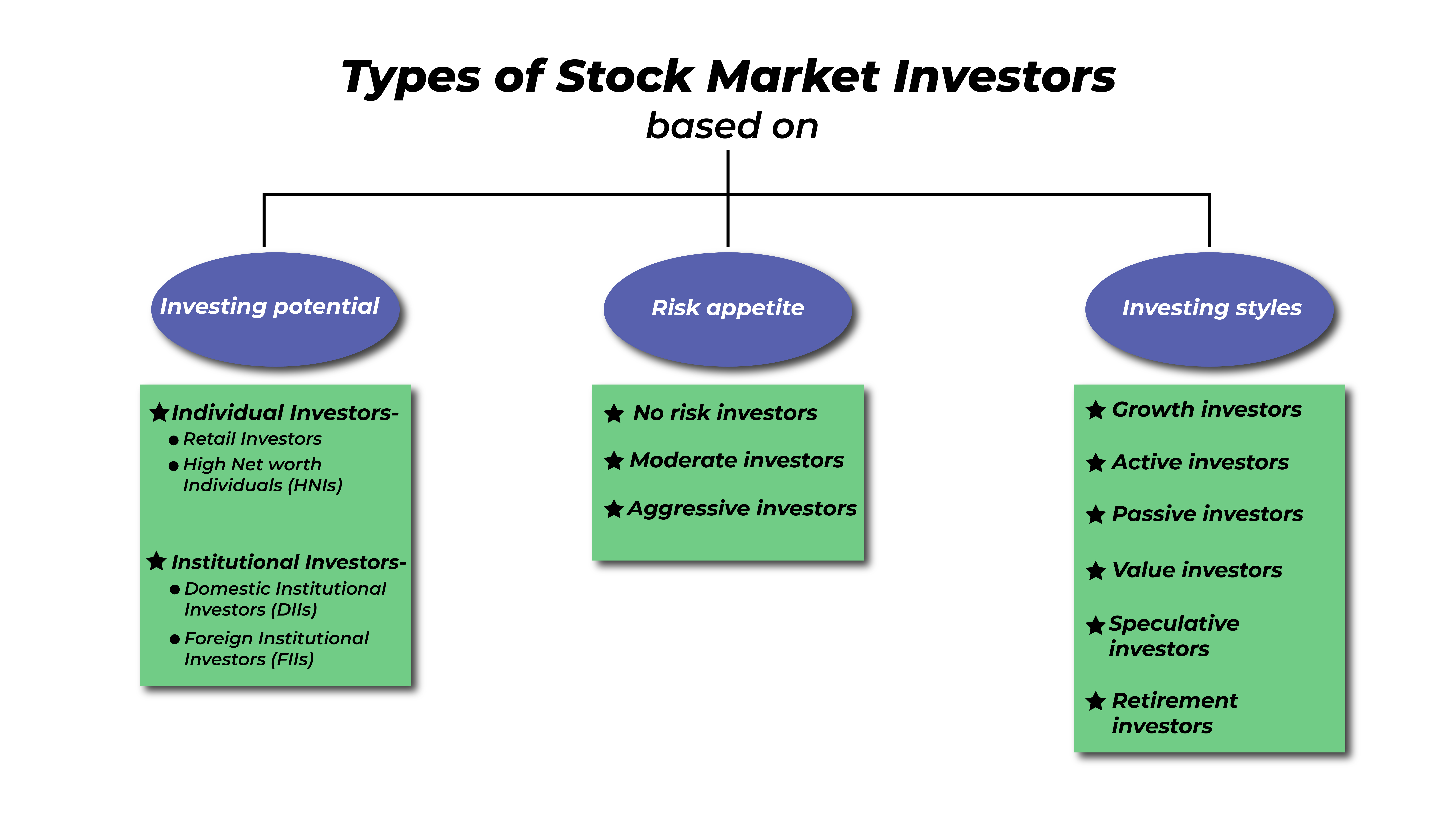
The Indian stock market has evolved from an open-cry trading floor into one of the world's most technologically advanced financial ecosystems. Managed primarily through the National Stock Exchange of India (NSE) and the BSE (formerly Bombay Stock Exchange), the market provides the infrastructure for companies to raise capital and for public investors to trade equities, derivatives, bonds, and exchange-traded funds (ETFs).
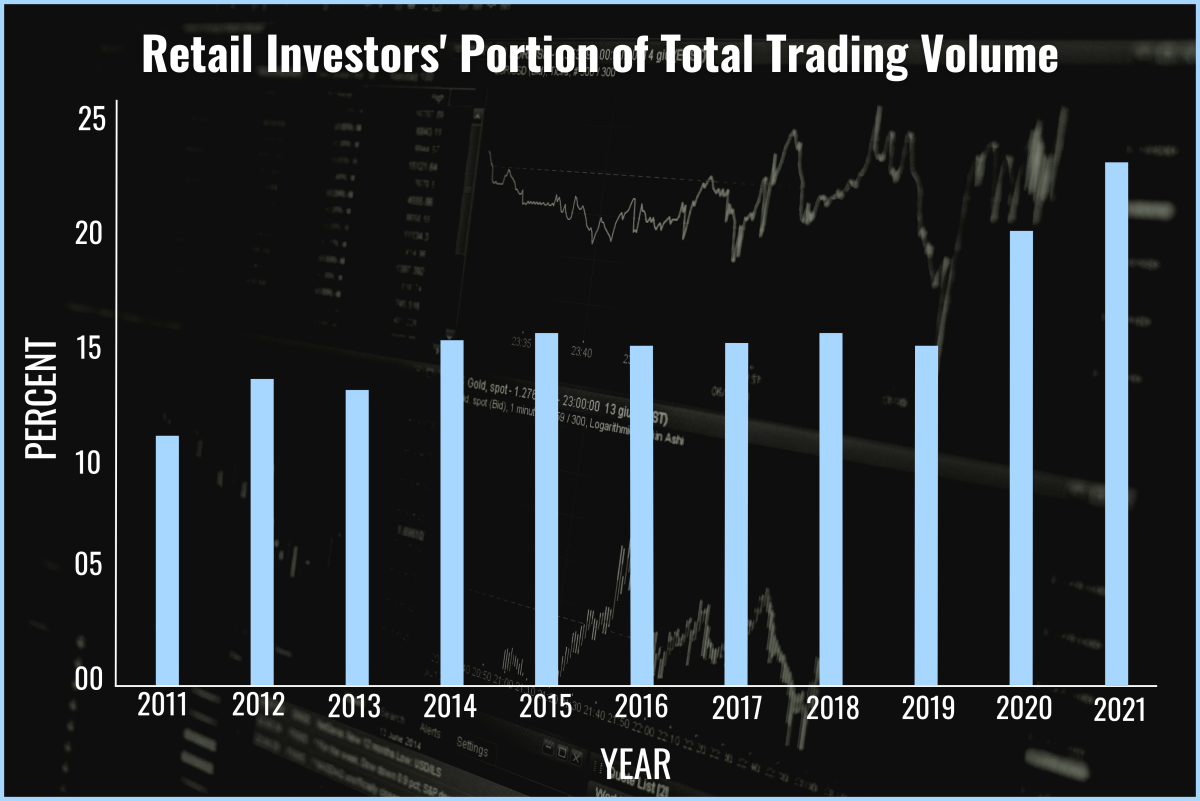
Historically, Indian household wealth was predominantly concentrated in non-financial, physical assets such as real estate and physical gold. Over the past decade, regulatory reforms, rapid smartphone penetration, and simple electronic Know-Your-Customer (e-KYC) processes have democratized access to the market. The expansion of depository participant networks like the National Securities Depository Limited (NSDL) and Central Depository Services Limited (CDSL) has enabled millions of retail individuals to open Demat accounts in minutes.
Furthermore, the growth of mutual funds and Systematic Investment Plans (SIPs) managed under the framework of the Association of Mutual Funds in India (AMFI) has created an indirect participation model. This institutionalization of retail money has stabilized market liquidity, allowing domestic investors to counterbalance foreign institutional investor (FII) flows during periods of global macroeconomic uncertainty.
Positive Financial Impacts on Indian Investors
For investors who navigate the market with discipline and a long-term horizon, the Share Bazar serves as an engine for compounding wealth and expanding personal financial capability.
1. Superior Long-Term Wealth Accumulation
Equities have historically outperformed traditional fixed-income instruments in India over long investment horizons (typically 7 to 10 years or more). Benchmark indices like the Nifty 50 and the BSE Sensex have reflected the underlying growth of top Indian corporations, compounding capital at rates that significantly exceed historical bank deposit interest rates. This capital appreciation enables long-term goals such as retirement planning, higher education funding, and intergenerational wealth transfer.
2. Inflation-Adjusted Real Returns
Consumer Price Index (CPI) inflation in emerging economies like India can erode the purchasing power of idle cash or low-yielding savings accounts. Traditional asset classes like fixed deposits often yield low real (post-inflation and post-tax) returns. Equities, by contrast, represent ownership in companies that can adjust pricing power alongside inflation, allowing investors to capture real wealth expansion over time.
3. Passive Income via Dividends
Beyond capital gains, investing in publicly traded Indian companies offers liquidity through cash dividend payouts. Established public sector undertakings (PSUs), fast-moving consumer goods (FMCG) firms, and mature technology companies frequently distribute a portion of their net profits directly to shareholders. For retirees and income-focused portfolios, a diversified basket of dividend-yielding stocks creates a sustainable income stream without requiring the liquidation of core capital.
Economic and Structural Shifts for Domestic Households
The broader influence of the Share Bazar extends beyond individual portfolio balances, altering the structural financial behavior of Indian society.
- Traditional Allocation (Gold / Real Estate / Cash)
- Digitalization & Regulatory Support
- Modern Allocation (Demat Accounts / Direct Equities / SIPs)
Shift from Physical to Financial Assets
The systemic financialization of domestic savings represents a monumental shift in the Indian economy. Rather than locking capital into illiquid real estate or non-productive gold bullion, capital flows directly into equity markets. This equity capital funds enterprise expansion, research and development, and infrastructure building, which subsequently drives economic productivity and job creation.
Lower Barriers to Entry and Reduced Transaction Costs
The emergence of discount brokerages and fintech platforms has eliminated traditional commission structures that historically favored high-net-worth individuals (HNIs). Fractionalized access through mutual fund micro-SIPs allows individuals to start investing with as little as ₹100 to ₹500 per month. Additionally, competitive brokerage fees, transparent order books, and real-time execution reduce the overall cost of investment.
Key Risks and Challenges for Investors
While the advantages are significant, the Share Bazar also presents financial risks that can lead to severe capital erosion if not managed effectively.
1. Market Volatility and Capital Eradication
Equities are inherently volatile and subject to macroeconomic shocks, geopolitical tension, interest rate fluctuations, and corporate governance failures. Investors who lack risk management strategies or those exposed to high-beta, low-quality stocks risk permanent loss of capital. Unpredictable market cycles mean short-term capital can shrink dramatically during market downturns or bear markets.
2. Psychological Traps and Speculative Trading
The accessibility of modern trading platforms can blur the line between long-term investing and short-term speculation. Fear Of Missing Out (FOMO), overtrading, and emotional responses to market noise frequently lead retail investors to buy at market peaks and sell during panic crashes.
A prominent issue in the Indian market is the widespread adoption of unhedged Futures and Options (F&O) trading among retail market participants. Reports published by the Securities and Exchange Board of India (SEBI) demonstrate that an overwhelming majority of individual traders in the equity derivatives segment incur net financial losses. Highly leveraged derivative trading remains one of the fastest paths to retail capital destruction.
3. Misinformation and Unregulated Advisory Services
The proliferation of social media "finfluencers" and unauthorized Telegram advisory channels has exposed inexperienced investors to pump-and-dump schemes and fraudulent tip services. Relying on unverified advice rather than fundamental research or certified financial planning leads to misallocation of capital and unexpected financial losses.
Comparative Analysis: Stock Market vs. Traditional Indian Asset Classes
To understand the trade-offs involved in equity market participation, investors must evaluate equities alongside traditional asset classes commonly held in India.
| Asset Class | Expected Long-Term Risk Profile | Liquidity Level | Historical Inflation Protection | Minimum Capital Requirement | Primary Wealth Driver |
|---|---|---|---|---|---|
| Direct Equities | High / Volatile | Very High (T+1 Settlement) | High | Very Low (Price of 1 Share) | Capital Appreciation & Dividends |
| Equity Mutual Funds | Moderate to High | High | High | Very Low (e.g., ₹100–₹500 SIP) | Professional Compounding |
| Bank Fixed Deposits (FD) | Low | Moderate (Penalty on Early Exit) | Low to Negative (Post-Tax) | Low | Fixed Interest Income |
| Physical Gold | Moderate | Moderate to High | Moderate (Store of Value) | Moderate | Capital Appreciation |
| Real Estate | High (Illiquid Risk) | Very Low | Moderate to High | Very High | Rental Yield & Price Appreciation |
Regulatory Framework: How SEBI Safeguards Investors
Investor confidence in the Indian market is heavily reliant on the oversight of the market regulator, SEBI. The framework implemented by SEBI aims to balance market development with investor safety through several systemic measures:
- T+1 Settlement Cycle: India became one of the major global economies to fully transition to a T+1 (Trade + 1 Day) settlement system. This reduces counterparty settlement risk, releases margin funds faster, and increases liquidity for investors.
- Mandatory KYC and Investor Protection Funds: Strict Know Your Customer rules enforced through registered entities help curb fraud and financial crimes. Additionally, exchanges maintain Investor Protection Funds (IPF) to compensate investors in the event of broker default.
- Enhanced Disclosures and Surveillance: SEBI continuously updates regulations regarding insider trading, related-party transactions, and financial reporting standards. Real-time surveillance systems identify abnormal price movements and curb illegal market manipulation.
- Framework for Financial Advisors: Regulated framework guidelines separate SEBI-Registered Investment Advisers (RIAs) and Research Analysts (RAs) from unaccredited financial commentary, giving retail investors access to vetted, professional advice.
Practical Strategies for Investors to Maximize Positive Outcomes
To harness the wealth-building potential of the Share Bazar while minimizing structural risks, investors should adopt a methodical investment framework:
Define Clear Time Horizons and Asset Allocation
Capital required within a short timeframe (under 3 years) should generally not be exposed to direct equity markets. Investors should establish an asset allocation strategy tailored to their risk tolerance, financial goals, and age—balancing equities with debt instruments, gold, or liquid funds.
Utilize Dollar-Cost Averaging (SIP Route)
Attempting to time market highs and lows consistently fails for most individual investors. Utilizing Systematic Investment Plans (SIPs) in index funds or well-managed mutual funds ensures disciplined purchasing across market cycles, averaging down the cost of investment during downturns.
Step-by-Step Investor Safety Framework:
- Establish Emergency & Insurance Buffer
- Define Asset Allocation & Risk Profile
- Allocate via Low-Cost Index Funds & SIPs
- Maintain Diversification & Periodic Rebal
Diversify Across Sectors and Market Caps
Holding a concentrated portfolio of a single stock or sector exposes an investor to idiosyncratic business risks. Diversification across large-cap stability, mid-cap growth, and small-cap opportunities—spanning various industries like banking, technology, healthcare, and consumer goods—shields portfolios from isolated industry downturns.
Avoid Highly Leveraged Speculation
Retail investors should avoid high-frequency day trading, margin-funding products, and complex derivatives (F&O) unless they possess institutional-level risk management technology and deep domain expertise. Focus instead on equity ownership in financially sound companies with strong balance sheets and transparent governance.
Frequently Asked Questions (FAQs)
How does the Indian stock market impact beginner retail investors?
The stock market gives beginner investors direct access to wealth creation by letting them buy fractional ownership in growing companies. Through digital Demat accounts and mutual fund SIPs, beginners can build long-term wealth, combat inflation, and earn passive dividend income, provided they avoid speculative day trading and remain invested over long horizons.
What is the role of SEBI in protecting investors in the Share Bazar?
The Securities and Exchange Board of India (SEBI) regulates exchanges, brokerages, mutual funds, and listed firms. SEBI enforces disclosure norms, prevents insider trading, manages investor protection funds, mandates strict KYC compliance, and mandates fast settlement timelines (such as T+1) to ensure fair and transparent operations for all market participants.
Why do many retail investors lose money in the Indian stock market?
Retail investors primarily lose money due to speculative behavior, lack of risk management, emotional trading driven by panic or greed, and heavy involvement in complex derivative segments like Futures and Options (F&O). Additional causes include investing based on unverified tips from social media rather than fundamental financial research.
How does investing in equities compare to traditional options like Fixed Deposits (FDs)?
Equities carry higher short-term risk and price volatility compared to Fixed Deposits, which offer guaranteed nominal returns. However, over multi-year horizons, equities generally yield higher inflation-adjusted returns than FDs, whose fixed payouts are subject to income tax and purchasing power erosion.
What is the safest way for a beginner to start investing in the Share Bazar?
The safest and most practical entry point for beginners is through broad-market index mutual funds (such as Nifty 50 or Sensex index funds) via Systematic Investment Plans (SIPs). This approach ensures instant diversification, low expense ratios, professional management, and eliminates the need to select individual stocks without fundamental expertise.
Strategic Next Steps for Investors
Navigating the Share Bazar successfully requires a balanced combination of market knowledge, financial discipline, and patience. To optimize your financial strategy:
- Assess Financial Foundations: Ensure you have adequate health insurance and an emergency fund in liquid assets before committing capital to equities.
- Determine Your Risk Profile: Evaluate your risk capacity and investment horizon to create an appropriate asset allocation strategy.
- Start with Core Holdings: Begin building your portfolio around low-cost index funds or large-cap diversified mutual funds.
- Educate Yourself Continually: Rely on accredited educational materials, such as the portal hosted by the Reserve Bank of India or official exchange learning modules, rather than unverified tips.
- Review Portfolios Periodically: Conduct semi-annual or annual reviews of your investments to rebalance back to your target asset allocation as market valuations shift.
Image Gallery