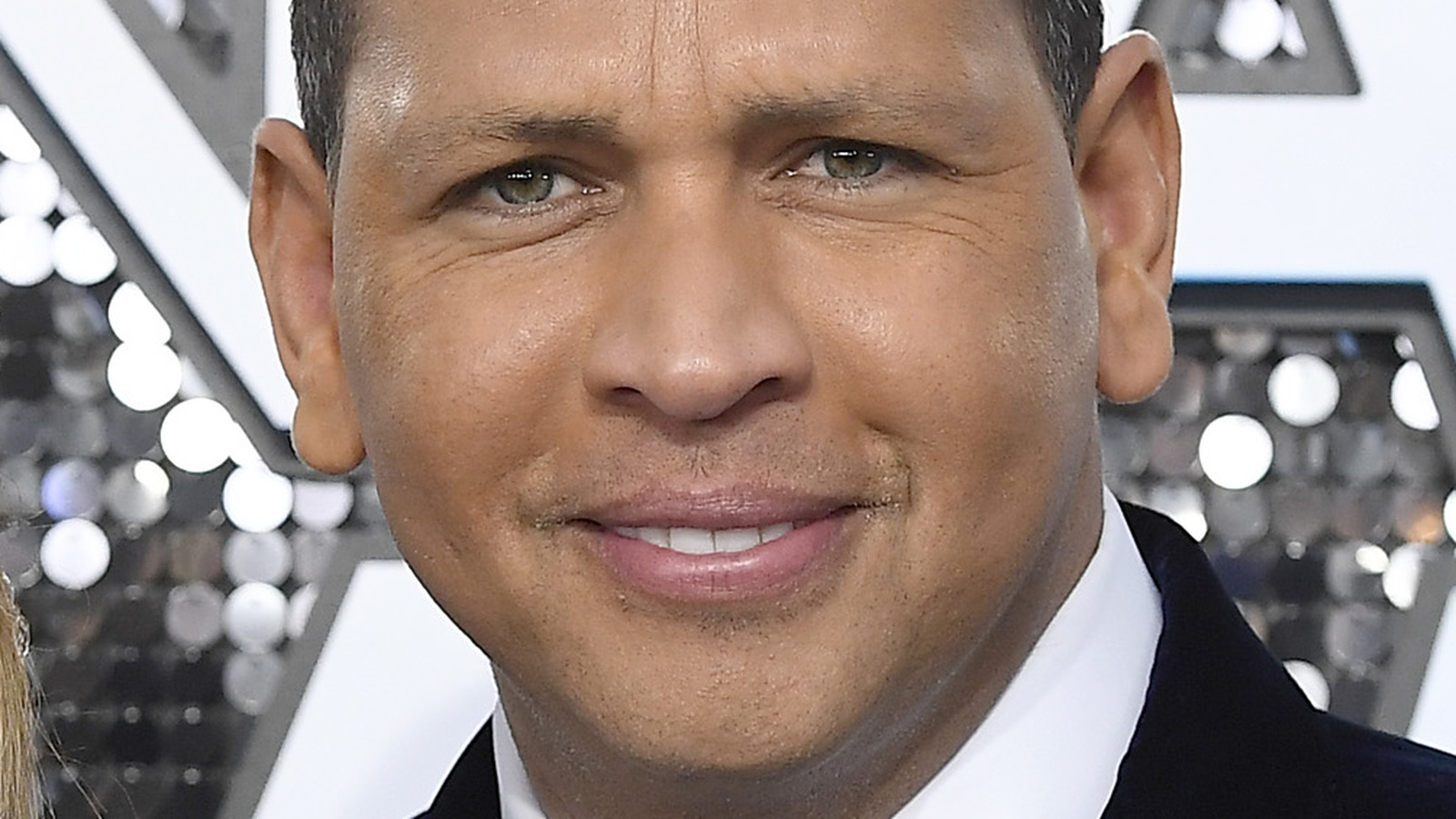
Alex Rodriguez: From Baseball Legend to Billionaire Status
Alex Rodriguez, widely recognized as one of the most prolific hitters in Major League Baseball (MLB) history, successfully transitioned his career from the diamond to the boardroom. While his status as a "billionaire" is frequently dis...
Alex Rodriguez, widely recognized as one of the most prolific hitters in Major League Baseball (MLB) history, successfully transitioned his career from the diamond to the boardroom. While his status as a "billionaire" is frequently discussed in media, it is more accurate to categorize his financial standing as a high-net-worth individual with a diversified investment portfolio centered on A-Rod Corp, which manages assets estimated in the hundreds of millions.
Contents
The Foundation: A Historic MLB Career
Before becoming a fixture in the world of private equity and real estate, Alex Rodriguez established himself as an elite athlete. His professional baseball career spanned 22 seasons (1994–2016), during which he played for the Seattle Mariners, Texas Rangers, and the New York Yankees. His performance on the field set the stage for his subsequent financial success by generating substantial liquid capital through record-breaking contracts.
Notable Career Milestones
- Three-time American League Most Valuable Player (MVP): Rodriguez won the award in 2003, 2005, and 2007.
- World Series Champion: He secured a championship title with the New York Yankees in 2009.
- Career Home Runs: He retired with 696 career home runs, placing him among the top tier of all-time power hitters.
- Contract Records: Rodriguez signed two of the largest contracts in MLB history at the time—a 10-year, $252 million deal with the Texas Rangers in 2001 and a 10-year, $275 million extension with the Yankees in 2007.
These earnings provided the initial capital necessary to move into the investment sector, allowing him to bypass the typical challenges associated with early-stage business bootstrapping.
The Business Pivot: A-Rod Corp and Strategic Diversification
Transitioning from professional sports to business required shifting his focus from salary-based income to equity-based wealth accumulation. Through his investment firm, A-Rod Corp, Rodriguez began building a multifaceted portfolio. His investment strategy relies on a combination of real estate, sports-related ventures, and wellness technology.
Real Estate Acquisitions
Real estate remains a cornerstone of the A-Rod Corp strategy. Rodriguez began his real estate journey early in his career, utilizing his initial baseball earnings to purchase small residential properties. This evolved into the acquisition and development of significant multi-family units and commercial properties across the United States. His approach typically involves identifying undervalued properties, improving management or infrastructure, and maintaining them for long-term cash flow rather than short-term flipping.
Sports and Media Investments
His involvement in sports extended beyond his playing days through strategic partnerships. Notably, Rodriguez entered into an agreement to acquire a majority stake in the Minnesota Timberwolves and Minnesota Lynx. This move signaled a shift toward sports franchise ownership, a highly exclusive asset class that aligns with his history as a professional athlete.
Understanding the Billionaire Narrative
In financial reporting, the term "billionaire" is often applied to athletes with significant brand value and large investment portfolios. However, verified financial data suggests that while Rodriguez’s portfolio is substantial, his net worth is typically cited in the high hundreds of millions rather than exceeding the $1 billion threshold.
The confusion often arises from the valuation of his total managed assets compared to his personal net worth. A-Rod Corp manages significant capital, and his influence in private equity often leads to his association with billionaire-level investment circles. For investors looking to mirror this trajectory, it is important to distinguish between personal liquidity and the gross value of managed investment funds.
Key Investment Pillars
| Sector | Strategic Focus |
|---|---|
| Real Estate | Multi-family residential and workforce housing developments. |
| Sports | Franchise ownership and minority equity stakes. |
| Wellness | Fitness technology and health-focused consumer products. |
| Private Equity | Long-term capital growth through diversified asset holdings. |
Lessons for Aspiring Entrepreneurs
Rodriguez’s transition from a professional athlete to a successful investor offers several practical takeaways for those managing career earnings or building a business.
- Early Capital Allocation: Rodriguez did not wait until retirement to start his business journey. By investing his early career earnings into real estate, he created a secondary income stream that was independent of his physical performance on the field.
- Strategic Networking: By surrounding himself with mentors from the private equity and real estate sectors, he successfully pivoted his personal brand from "athlete" to "business leader," allowing him access to investment opportunities that are typically gated to institutional players.
- Risk Management: His portfolio is built on hard assets like real estate, which provide a buffer against the volatility of the stock market or the risk-heavy environment of venture capital.
- Operational Efficiency: His business model emphasizes active management. Whether in sports franchises or property development, he takes an active role in the board or management side, rather than acting as a passive investor.
Frequently Asked Questions
How did Alex Rodriguez start his investment journey? Rodriguez started by investing his initial MLB earnings into small, residential real estate properties. This early exposure to the housing market helped him understand property valuation and long-term rental income before scaling up to larger commercial acquisitions.
What is the role of A-Rod Corp? A-Rod Corp is an investment firm that acts as the vehicle for his various business ventures, including real estate development, media partnerships, and minority stakes in professional sports teams. It consolidates his financial activities into a single, cohesive entity.
Does Alex Rodriguez own the Minnesota Timberwolves? Alex Rodriguez and his partner Marc Lore entered into a multi-year phased agreement to acquire a majority stake in the Minnesota Timberwolves and Minnesota Lynx. This move is part of his broader effort to transition from a player to a sports owner.
Why is he often associated with billionaire status? The association is often a conflation of his celebrity status, the total value of the assets managed under his corporate entities, and his high-profile public business deals. While he is extremely wealthy, his personal net worth is verified by financial analysts to be in the high hundreds of millions, distinct from the billionaire threshold.
Can individual investors replicate his real estate strategy? Yes, though at a different scale. The principle of reinvesting earned income into hard assets remains a standard wealth-building strategy. Individual investors can start by focusing on residential rental properties and leveraging management firms, mirroring the methodology used by larger investment groups.
Moving Forward: Next Steps for Investors
For those interested in wealth management or professional transitions, the primary takeaway from the career path of Alex Rodriguez is the importance of diversification. Regardless of your initial income source, the goal remains to convert liquid capital into income-generating assets. If you are looking to build a portfolio similar to a private equity model, prioritize identifying assets with long-term utility, such as residential or commercial real estate, and seek out partnerships with established operators to lower the risk of entry. Always consult with a licensed financial advisor before making significant shifts in your investment strategy to ensure they align with your specific risk tolerance and tax objectives.
Image Gallery