Understanding Navajo Symbols: Meaning, History, and Cultural Significance
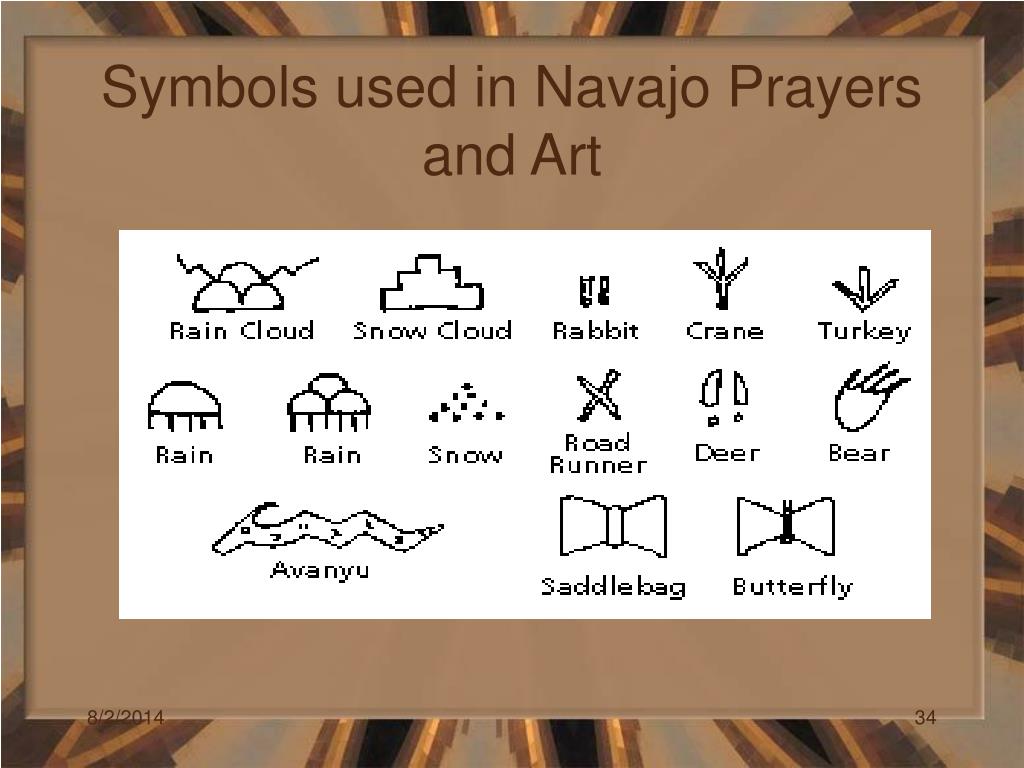
Navajo symbols represent a rich visual vocabulary rooted in the spiritual, historical, and daily life of the Diné people. These sacred motifs, traditionally found in sandpaintings, weaving, and jewelry, encode deep philosophical concep...
Navajo symbols represent a rich visual vocabulary rooted in the spiritual, historical, and daily life of the Diné people. These sacred motifs, traditionally found in sandpaintings, weaving, and jewelry, encode deep philosophical concepts about balance, harmony, and humanity's relationship with the natural world.
Contents
Navajo symbols are deeply integrated into the cultural and spiritual framework of the Diné people, serving as visual representations of sacred narratives, natural forces, and moral philosophies. Far from being mere decorative art, these motifs act as conduits for spiritual power, healing, and the maintenance of Hózhǫ́—a complex Navajo concept encompassing beauty, balance, goodness, and harmony. Understanding these symbols requires an appreciation of their historical context, traditional applications, and the strict cultural protocols surrounding their creation and display.
The Philosophical Foundation of Diné Art: What is Hózhǫ́?
To comprehend any Navajo symbol, one must first understand Hózhǫ́. This foundational concept defies a single-word translation in English, blending ideas of health, aesthetic beauty, holiness, order, and happiness. In the Diné worldview, the universe is dynamic, and maintaining Hózhǫ́ requires continuous effort through prayer, song, and traditional art forms.
Navajo symbols serve as visual anchors for this harmony. They remind the community of creation stories, the journey of the Holy People (Diyin Dinéʼe), and the proper way to walk upon the earth (Sa'ah Naagháí Bik'eh Hózhǫ́). When weavers create a rug or medicine men create a sandpainting, they are actively participating in the restoration or maintenance of this universal balance.
Major Categories of Traditional Navajo Symbols
Traditional Navajo visual culture spans several distinct mediums, each utilizing specific motifs and designs. While geometric patterns dominate weaving, spiritual and narrative figures take center stage in healing ceremonies.
Geometric Weaving Patterns
Navajo textiles are internationally celebrated for their intricate geometric precision. Early blankets and rugs featured simple horizontal stripes, diamond motifs, and stepped terraces. Over time, distinct regional styles evolved across the Navajo Nation:
- Teec Nos Pos: Characterized by complex, highly detailed geometric patterns, elaborate borders, and influences from Persian rugs brought by early traders.
- Two Grey Hills: Known for tightly spun yarns, natural wool colors (black, grey, white, brown), and striking central geometric medallions with complex borders.
- Ganado and Crystal: Dominated by rich red backgrounds, bold crosses, diamonds, and eye-dazzler patterns that create intense optical vibrations through high-contrast color palettes.
Sacred and Ceremonial Motifs
Unlike woven rugs, which are often made for commercial trade, ceremonial symbols hold immense spiritual weight and are governed by strict cultural protocols.
- Yei and Yei be Cheii: Depictions of the Holy People or ancestral spirits. These tall, stylized figures appear in sacred sandpaintings and specific ceremonial weavings.
- Whirling Logs: A traditional sacred symbol representing the four cardinal directions and the cosmic cycle of life. (Note: Due to historical appropriation and desecration by the 20th-century Nazi regime, this ancient Diné symbol is distinct from and predates European political iconography, though its modern public use is handled with extreme sensitivity).
- The Sacred Mountains: Stylized representations of the four sacred peaks that bound traditional Navajo ancestral lands: Blanca Peak (East), Mount Taylor (South), San Francisco Peaks (West), and Hesperus Mountain (North).
Symbolism in Navajo Jewelry: Silver, Turquoise, and Meaning
The art of Navajo silversmithing (béésh łigaií), learned from Mexican artisans in the mid-19th century, quickly evolved into a distinct medium for cultural expression. The materials themselves carry profound meaning.
| Material / Element | Traditional Association | Cultural Significance |
|---|---|---|
| Turquoise (dootł'izh) | Water, sky, and breath | Associated with protection, good fortune, and the color of the south; brings physical and mental well-being. |
| Silver (béésh łigaií) | The moon and night sky | Provides a cool, grounding contrast to the vibrant, sun-like energy of turquoise. |
| Coral | Life force and distant oceans | Acquired through historical trade routes, symbolizing connection to the wider world and vitality. |
| The Squash Blossom | Pomegranate flower or squash petals | A iconic necklace design adopted from Spanish-Moorish influences, representing fertility, growth, and agricultural abundance. |
Protocols, Respect, and Cultural Preservation
As interest in Native American arts grows, navigating the distinction between appreciation and appropriation becomes vital. The Diné Nation fiercely protects its cultural heritage, and outsiders must understand the boundaries surrounding sacred imagery.
Respecting Sacred Boundaries: Ceremonial Exclusivity: Sandpaintings and authentic Yei representations are ephemeral spiritual tools created for specific healing ceremonies (Kachina or Nightway chants). Once the ritual concludes, traditional sandpaintings are ritually destroyed to release the spiritual energy. Commercial vs. Sacred Art: Weavings featuring certain sacred beings or ceremonial designs are traditionally considered inappropriate for casual domestic display (such as being walked on as rugs), as they can disrupt spiritual equilibrium. Buyers and collectors should always consult with knowledgeable Indigenous artists and reputable trading posts to ensure ethical acquisition.
Comparison of Navajo Visual Arts and Their Purposes
To better understand how different symbols function across mediums, the following comparison highlights the primary differences between commercial, historical, and sacred forms.
| Art Medium | Primary Purpose | Common Symbols Used | Cultural Status |
|---|---|---|---|
| Navajo Rugs & Blankets | Practical warmth, artistic expression, and economic sustenance | Diamonds, steps, terraced zigzags, regional borders | Generally acceptable for public display and trade |
| Sandpaintings | Spiritual healing, restoring Hózhǫ́, and connecting with Holy People | Holy People (Yei), sacred animals, sun, corn, lightning | Strictly ceremonial; temporary and ritually destroyed |
| Silver & Turquoise Jewelry | Personal adornment, status, protection, and trade | Squash blossoms, N-cora, feather motifs, animal totems | Widely traded and collected with cultural respect |
Frequently Asked Questions About Navajo Symbols
What do Navajo symbols mean?
Navajo symbols generally represent harmony, balance (Hózhǫ́), creation stories, and elements of the natural world such as the four sacred mountains, rain, and corn. They serve as visual reminders of cultural values and spiritual connections.
Are Navajo rugs considered sacred objects?
Most contemporary Navajo rugs are created for commercial trade and artistic expression rather than direct ritual use. However, older textiles or those featuring specific ceremonial figures may carry deeper cultural weight and require respectful handling.
Why are sandpaintings destroyed after a ceremony?
Sandpaintings are temporary altars created to absorb illness and restore balance to a patient. Once the healing ritual concludes, the sacred energy is released, and the sand must be dispersed to prevent spiritual harm.
Can anyone wear Navajo turquoise jewelry?
Yes, Navajo silver and turquoise jewelry is widely appreciated and traded globally. Purchasing authentic pieces directly from Diné artisans supports local families and keeps traditional silversmithing techniques alive.
How can I identify authentic Navajo art?
Look for certification tags, artist hallmarks, and documentation from reputable trading posts or cooperatives on the Navajo Nation. Authentic pieces reflect traditional craftsmanship standards, distinct regional styles, and high-grade natural materials.
Supporting Authentic Diné Artistry
Engaging with Navajo culture requires mindfulness, respect, and a commitment to supporting authentic Indigenous creators. By purchasing directly from Diné-owned businesses, cooperatives, and verified artists, collectors ensure that the traditional knowledge behind these powerful symbols is preserved, honored, and transmitted to future generations with integrity.
Image Gallery