Nicolas Cage as Superman in The Flash: The Story Behind the Multiverse Cameo
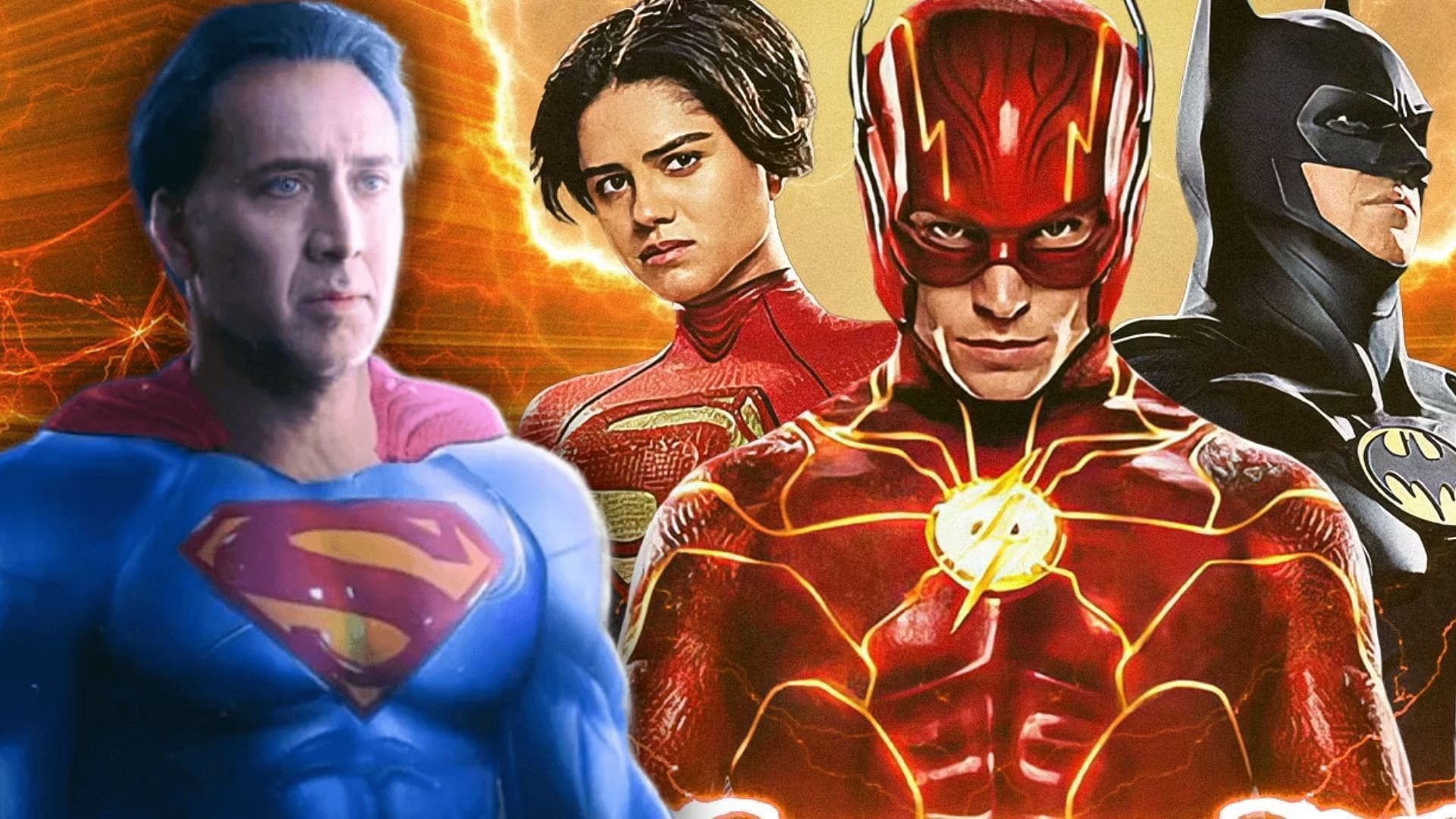
In the 2023 film The Flash, Nicolas Cage finally portrayed Superman in a brief but historic multiverse cameo, realizing a casting vision that had been stalled for over 25 years. This appearance serves as a tribute to the cancelled 1990...
In the 2023 film The Flash, Nicolas Cage finally portrayed Superman in a brief but historic multiverse cameo, realizing a casting vision that had been stalled for over 25 years. This appearance serves as a tribute to the cancelled 1990s project Superman Lives, directed by Tim Burton, which remains one of cinema's most famous "what-if" stories.
Contents
The Long Road from Superman Lives to the Multiverse
To understand why Nicolas Cage appearing as Superman in The Flash was such a monumental moment for DC fans, one must look back to the late 1990s. Following the success of his Batman films, director Tim Burton was tapped by Warner Bros. to reboot the Man of Steel in a project titled Superman Lives. The script, which saw various iterations by writers like Kevin Smith, Wesley Strick, and Dan Gilroy, was intended to be a radical departure from the Christopher Reeve era.
Nicolas Cage, a lifelong comic book enthusiast who famously named his son Kal-El, was cast as Clark Kent. Cage’s vision for the character was intended to be more alien, introspective, and physically distinct than previous iterations. For nearly two years, the project moved through pre-production, with millions of dollars spent on costume tests, set designs, and concept art. However, due to ballooning budgets and the box office failure of other Warner Bros. projects at the time, the studio pulled the plug in 1998, just weeks before filming was set to begin.
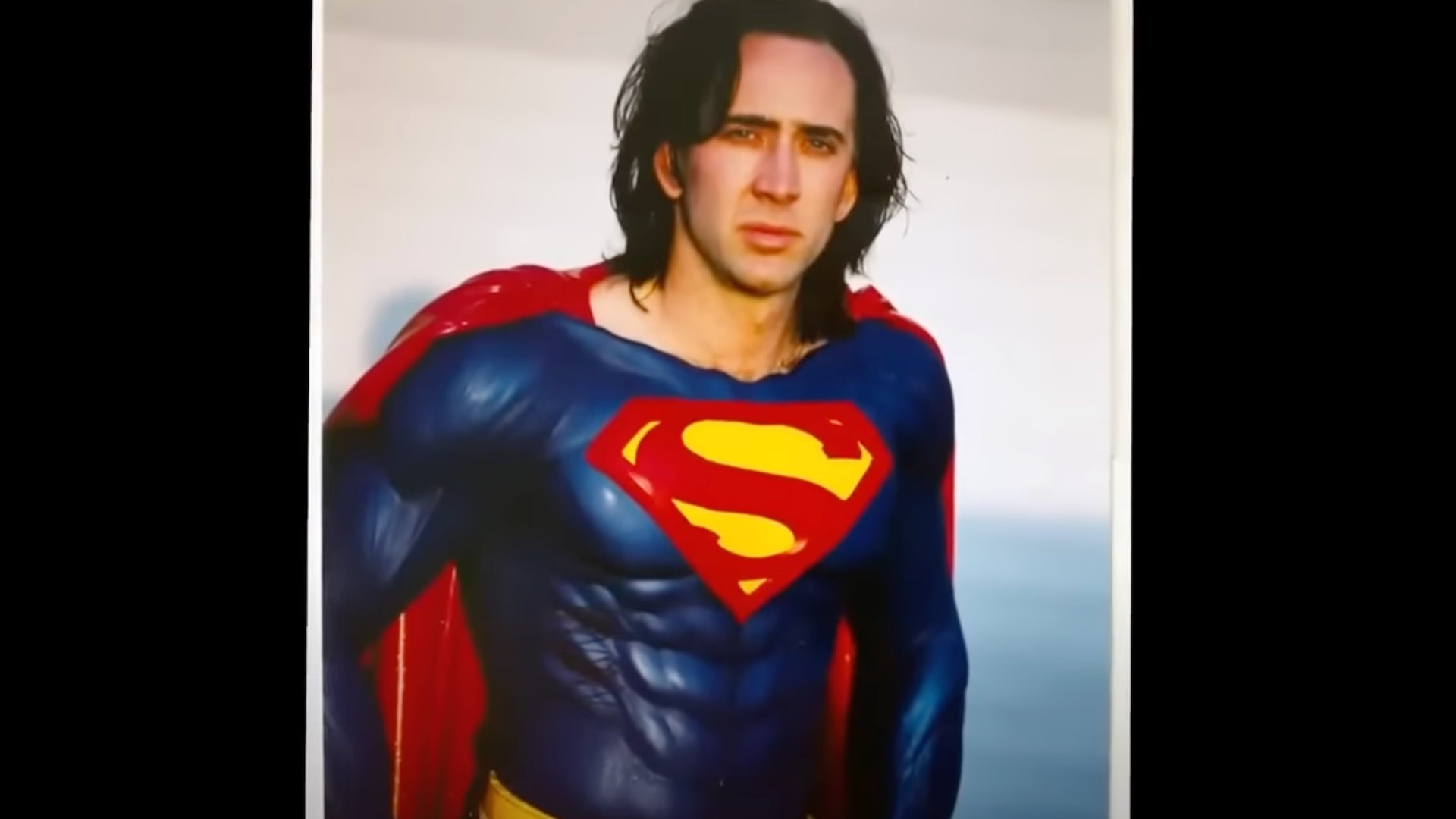
As of 2026, Superman Lives is still regarded as the ultimate "lost" superhero movie. The footage of Cage’s costume tests—featuring a long-haired, muscular Superman in an iridescent, bio-organic suit—circulated for decades on the internet, fueling a cult-like fascination with what might have been. When director Andy Muschietti finally brought Cage onto the set of The Flash, he wasn't just filming a cameo; he was closing a 25-year-old loop in Hollywood history.
The Specific Intent of the Cameo: The "Giant Spider" Mandate
One of the most specific and "inside-baseball" elements of Nicolas Cage’s appearance in The Flash involves the creature he is seen fighting. In the "Chronobowl" sequence—a visual representation of the multiverse colliding—Cage’s Superman is depicted battling a massive, multi-legged robotic entity. This is not a random choice by the filmmakers; it is a direct nod to the notorious production demands of Jon Peters, the producer of the original Superman Lives.
According to writer Kevin Smith, Peters had three strict requirements for the 1990s film:
- Superman could not fly.
- Superman could not wear the traditional red-and-blue suit.
- Superman had to fight a giant spider in the third act.
While these demands were ridiculed by fans and writers for years, The Flash utilized the multiverse concept to finally give Peters his wish. Seeing Nicolas Cage’s Superman engage with a "Thanagarian Snare-Beast" (the technical name for the spider-like creature) was a self-aware meta-commentary on the chaotic nature of film production. For seasoned fans, this detail transformed the cameo from a simple "look-who-it-is" moment into a sophisticated piece of DC lore.
Technical Execution: De-aging and CGI Challenges
The production of The Flash utilized significant digital intervention to bring this version of Superman to life. Although Nicolas Cage was present on set to film his movements and facial expressions, the final version seen on screen was heavily augmented with Computer-Generated Imagery (CGI).
The Role of De-aging
Since Cage was in his late 50s during the filming of The Flash, the production team used de-aging technology to make him look as he would have in 1998. This involved mapping Cage's current facial performances onto a digitally reconstructed version of his younger self. The goal was to preserve the specific aesthetic captured in the original Superman Lives wardrobe tests.
The "Uncanny Valley" Reception
The execution of this cameo was met with a spectrum of reactions. While the emotional impact of seeing Cage in the suit was high, many viewers and critics pointed out the "uncanny valley" effect—a term used to describe the unsettling feeling when a digital human looks almost, but not quite, real. As we look back from 2026, the VFX in The Flash remains a point of technical discussion regarding the ethics and quality of digital resurrections in cinema.
Cage himself has been vocal about the experience. In various interviews post-release, he clarified that while he was on set to film a specific sequence of "standing in an alternate dimension and witnessing the destruction of the universe," the final version involving the giant spider was largely a creation of the visual effects team. This highlights the growing gap between an actor's physical performance and the final digital asset presented to the audience.
Comparing the Vision: 1998 vs. 2023
The table below outlines the primary differences between the original concept of Nicolas Cage’s Superman and his eventual appearance in the 2023 film.
| Category | Superman Lives Concept (1998) | The Flash Appearance (2023) |
|---|---|---|
| Director | Tim Burton | Andy Muschietti |
| Suit Design | Iridescent, bio-organic, "living" suit | High-gloss, metallic version of the 90s test suit |
| Primary Antagonist | Brainiac / Doomsday | Multiversal Collapse / Snare-Beast |
| Hair Style | Long, rock-star inspired locks | Long, dark hair (reconstructed via CGI) |
| Context | A standalone reboot of the franchise | A 30-second multiverse cameo |
| Actor Involvement | Extensive training and costume fittings | Brief performance capture session |
The Cultural Significance of "The Cage Cameo"
The appearance of Nicolas Cage as Superman represents a shift in how studios view their "failed" or "unproduced" history. In earlier decades, a cancelled project like Superman Lives would have been buried and forgotten. However, in the modern era of the multiverse, every iteration of a character—whether it made it to the screen or not—is considered a valid part of the brand's mythology.
This cameo served several strategic purposes for Warner Bros. and DC:
- Fan Service: It rewarded long-term fans who had followed the "Death of Superman Lives" documentary and internet rumors for years.
- Multiverse Validation: It reinforced the idea that every DC story ever conceived exists somewhere in the "Omniverse," a concept that became central to the DCU strategy.
- Nicolas Cage’s Legacy: For Cage, it provided a sense of closure. Despite being one of the most famous actors in the world and a massive comic book fan, the "Superman" hole in his filmography was a frequent topic of discussion. The Flash allowed him to officially enter the pantheon of Superman actors, alongside Christopher Reeve, Brandon Routh, and Henry Cavill.
The Impact on Future DC Projects
As of 2026, the landscape of DC films has shifted under new leadership, focusing on a more unified narrative thread. However, the precedent set by Nicolas Cage’s casting in The Flash has opened the door for other "Elseworlds" explorations. It proved that audiences are willing to engage with obscure references and that the history of cinema is just as important as the source material of the comic books themselves.
The cameo also sparked discussions about the future of digital acting. Because the performance was so heavily reliant on CGI, it raised questions about the longevity of an actor's "likeness" and how studios might use it even decades after a project has been abandoned. This remains a key topic of negotiation between acting guilds and studios in the current industry climate of 2026.
Frequently Asked Questions
Did Nicolas Cage actually film scenes for The Flash?
Yes, Nicolas Cage was physically present on set to film his cameo. However, he has noted in interviews that the scene he filmed—which involved him standing and observing the multiverse—was modified in post-production. The giant spider fight and much of the environment were created using CGI, with his digital likeness mapped over the performance.
Why was Nicolas Cage's Superman fighting a giant spider?
The giant spider is a reference to producer Jon Peters, who was adamant that Superman fight a "giant spider" in the third act of the cancelled Superman Lives project. Director Andy Muschietti included this as a "meta" joke and a tribute to the strange history of the 1990s production.
What happened to the original Superman Lives movie?
The project was cancelled in 1998 due to a combination of high production costs (around $190 million estimated at the time) and a string of box office disappointments for Warner Bros. The studio chose to focus on other projects, and the script went through many more hands before eventually becoming Superman Returns in 2006.
Is Nicolas Cage the oldest actor to play Superman?
At the time of The Flash release in 2023, Nicolas Cage was 59 years old. While he is one of the older actors to portray the character, his version was digitally de-aged to look like he was in his 30s, maintaining the illusion of the 1998 version of the character.
Will Nicolas Cage play Superman again?
As of 2026, there are no official plans for Nicolas Cage to return as Superman in a lead role. With the DCU undergoing a full reboot, the focus has shifted to a younger Superman. However, Cage has expressed satisfaction with the cameo, viewing it as a "completion" of his journey with the character.
Practical Recommendation for Fans
For those interested in the full story behind this cameo, the best next action is to watch the documentary The Death of "Superman Lives": What Happened? (2015), directed by Jon Schnepp. It provides an exhaustive look at the concept art, costume tests, and interviews with the original creative team. Understanding the turmoil of that production makes the 30-second appearance in The Flash far more meaningful, transforming a simple visual effect into a historic cinematic milestone.
Image Gallery