The Evolution and Impact of the NBC The Voice Judges Panel
The coaching panel on NBC’s The Voice defines the cultural footprint and competitive dynamics of the hit reality singing competition. Featuring a rotating lineup of iconic music industry superstars—including original coaches Blake Shel...
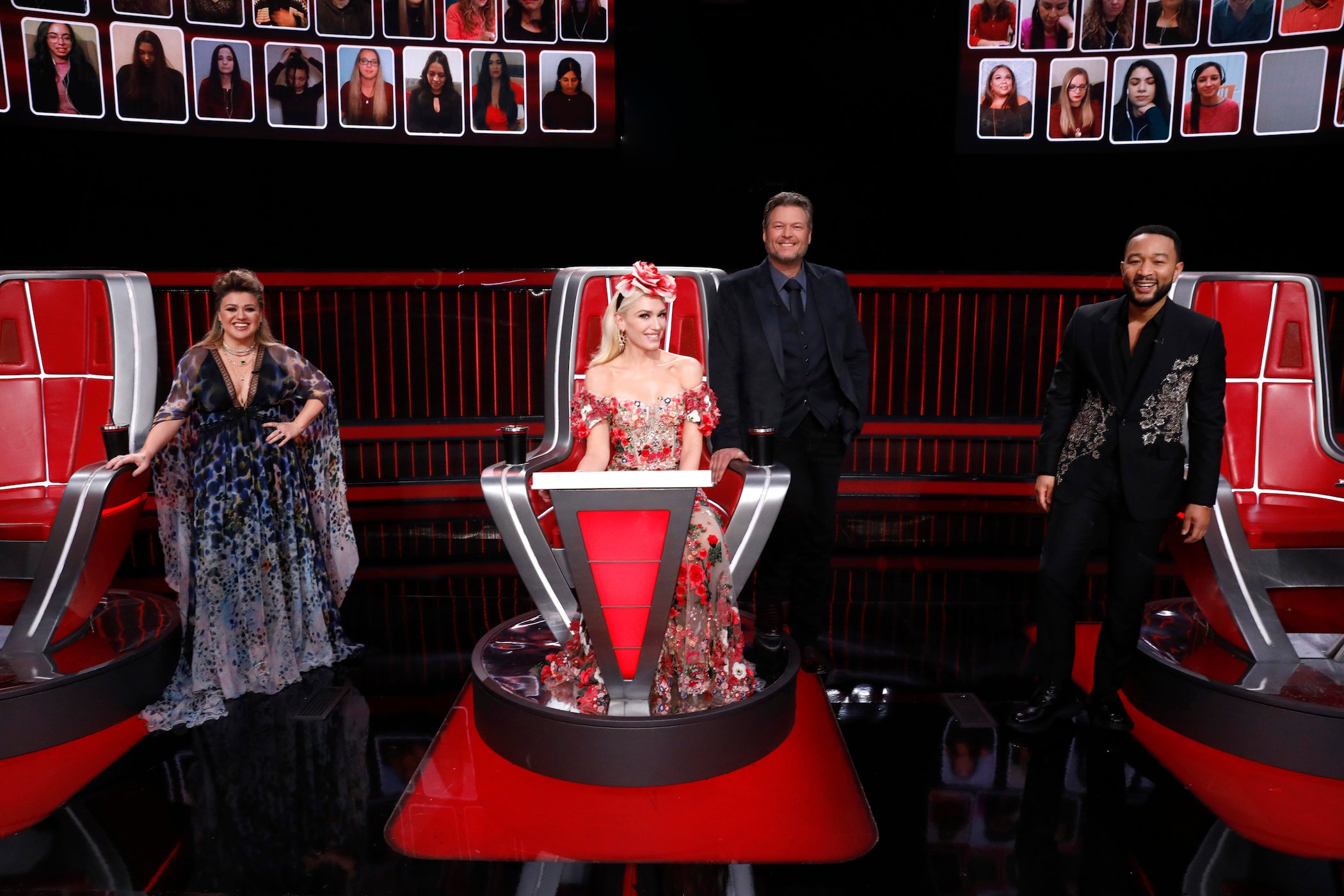
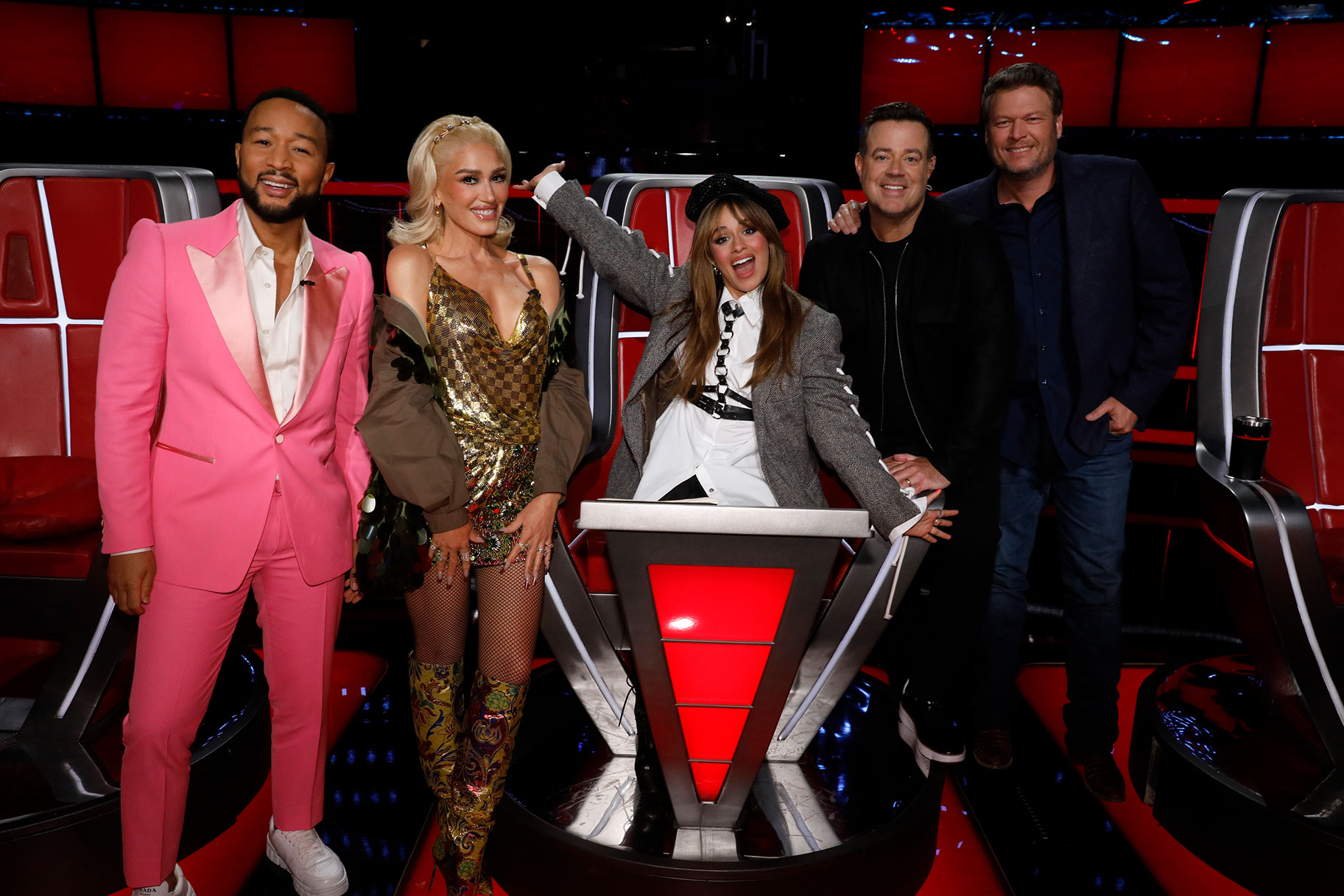
The coaching panel on NBC’s The Voice defines the cultural footprint and competitive dynamics of the hit reality singing competition. Featuring a rotating lineup of iconic music industry superstars—including original coaches Blake Shelton, Adam Levine, Christina Aguilera, and CeeLo Green, alongside multi-era icons like Gwen Stefani, Kelly Clarkson, John Legend, Ariana Grande, Snoop Dogg, and Michael Bublé—the coaches act as mentors, vocal directors, and strategists who shape raw talent into chart-ready artists while driving the show's prime-time broadcast appeal.
Contents
The Foundations of the Coaching Format
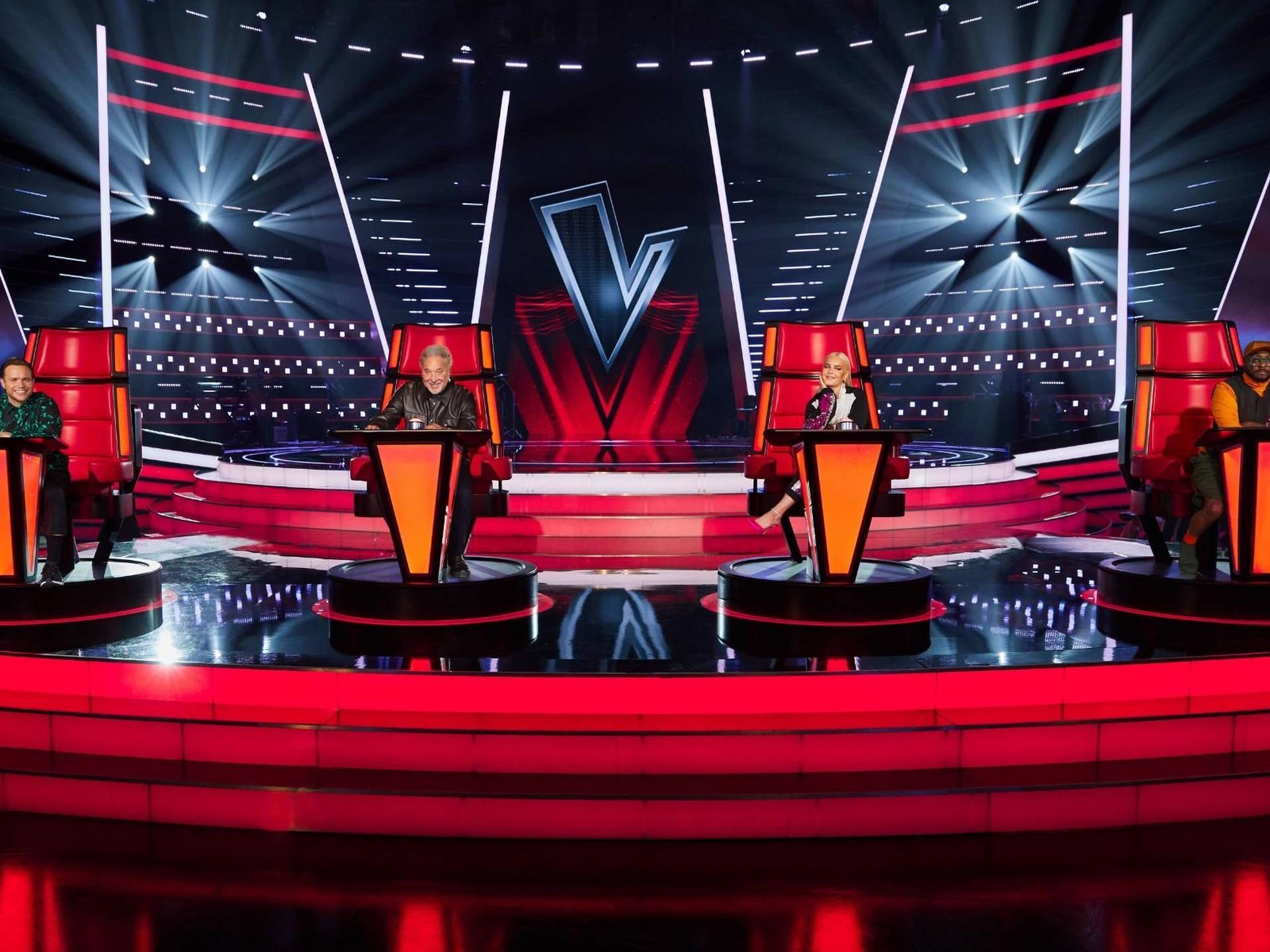
When The Voice premiered on NBC in April 2011, it introduced a structural innovation to the television singing competition landscape: the blind auditions. Unlike legacy formats where judges faced performers immediately, the coaches sat in oversized red chairs with their backs turned to the stage, evaluating contestants strictly on vocal timbre, technical control, and emotional resonance.
This format shift required a different kind of panelist. Producers bypassed traditional, purely critical studio executives in favor of active, high-profile recording artists with current industry relevance and distinct genre expertise. This design ensured that the coaches could offer authentic artistic direction, drawing from their own active recording and touring careers.
The initial lineup—Blake Shelton representing country music, Adam Levine anchoring pop-rock, Christina Aguilera bringing powerhouse pop and R&B, and CeeLo Green offering soul and alternative perspectives—established a blueprint of genre diversity. This multi-genre dynamic prevented the show from leaning into a single musical lane, allowing artists of various backgrounds to find specialized mentorship.
Key Eras and Legendary Panelists
Over more than two decades and dozens of seasons, the composition of the coaching panel has evolved, creating distinct eras defined by shifting industry trends and unique interpersonal chemistry among the stars.
The Original Guard and Country-Pop Rivalries
The early seasons belonged to the foundational quartet. Blake Shelton’s dry wit and dominant country roots collided with Adam Levine’s competitive, sharp-tongued pop-rock sensibility. This ongoing banter became a cornerstone of the show's entertainment value. Christina Aguilera and CeeLo Green added counterweights, bringing soulful depth and theatrical flair to the chair rotation.
The Expansion to Multi-Genre Superstars
As the series matured, NBC rotated in a wide array of rotating coaches to keep the format fresh. Gwen Stefani brought her distinctive blend of punk, pop, and fashion influence. Kelly Clarkson, an alumnus of competition television herself, proved to be an exceptionally strategic and empathetic coach, leveraging her deep technical vocal understanding and relatable personality to secure multiple wins. John Legend added elite R&B pedigree, EGOT-winning gravitas, and sophisticated harmonic arrangements to his team’s performances.
Next-Generation Icons and Contemporary Additions
In later seasons, the show integrated younger pop superstars like Ariana Grande and Nick Jonas to capture broader demographic segments. These newer additions brought intense, dedicated fanbases and fresh perspectives on modern vocal production and social media-era branding. Meanwhile, enduring veterans like Blake Shelton—who finally departed the show after Season 23 following a historic 23-season run—anchored the show's long-term identity.
The Strategic Role of a Coach
Being a coach on The Voice extends far beyond sitting in a red chair and offering praise during the blind auditions. The role encompasses three distinct phases of the competition, each demanding specific professional skills:
- The Blind Auditions (The Recruitment Phase): Coaches must pitch themselves to contestants who earn multiple chair turns. This phase resembles a high-stakes industry signing process, where coaches leverage their career achievements, networking connections, and genre-specific expertise to convince artists to join their teams.
- The Battle and Knockout Rounds (The Culling Phase): Coaches act as vocal arrangers and producers. They pair artists against one another, assign songs that highlight both performers' strengths while exposing vulnerabilities, and make definitive elimination choices or execute strategic "steals" and "saves."
- The Live Shows (The Management Phase): Once the public voting phase begins, the coaches transition into executive producers and creative directors. They collaborate with styling, staging, and band teams to craft visually and aurally compelling performance packages for their artists, essentially managing mini-concerts week after week.
Comparison of Major Coaching Archetypes
| Coach Archetype | Primary Focus | Notable Examples | Strategic Advantage |
|---|---|---|---|
| The Country Anchor | Country, Americana, Roots | Blake Shelton, Reba McEntire, Dan + Shay | Deep Nashville industry pipelines, loyal regional voting blocs. |
| The Vocal Technician | Pop, R&B, Power Ballads | Kelly Clarkson, Christina Aguilera, Ariana Grande | Exceptional breath control insights, intricate riff structuring, range expansion. |
| The R&B/Soul Virtuoso | Soul, R&B, Jazz, Gospel | John Legend, CeeLo Green, Pharrell Williams | Focus on harmonic depth, emotional authenticity, and nuanced phrasing. |
| The Pop-Rock Icon | Pop, Rock, Alternative | Adam Levine, Gwen Stefani, Nick Jonas | Commercial appeal, stage presence coaching, crossover market strategy. |
Behind the Scenes: How Coaches Are Selected and Scheduled
The production schedule for The Voice operates on an intense, compressed timeline, which directly influences who can sit in the red chairs. NBC and executive producers typically tape two full seasons per calendar year. This rigorous shooting schedule requires significant time commitments, often spanning several months of continuous production in Los Angeles.
Casting directors and network executives curate each panel carefully to balance several competing criteria:
- Demographic Appeal: Ensuring the panel collectively appeals to country, pop, hip-hop, rock, and soul audiences.
- Interpersonal Chemistry: Fostering a mix of friendly rivalry, mutual respect, and comedic sparring—particularly between the veteran coaches and newcomers.
- Industry Currency: Recruiting artists who are actively touring, charting, or producing music to maintain the show's contemporary relevance.
Frequently Asked Questions About The Voice Judges
Who is the longest-running coach on The Voice?
Blake Shelton holds the record as the longest-running coach in the history of the US version of The Voice. He appeared on every single season from Season 1 through Season 23, earning a record nine wins before stepping down from the red chair.
Do the coaches get paid to be on the show?
Yes, the coaches receive substantial salaries to appear on The Voice. Compensation packages vary based on the artist's current star power, industry demand, and tenure on the show. Major A-list artists have historically commanded multi-million-dollar salaries per season due to the significant time commitment and the drawing power they bring to the network's prime-time schedule.
How much input do coaches actually have in song choices?
Coaches and their designated advisors work closely with the contestants on song selection, though the final approval involves production, legal clearance, and network guidelines. Coaches use their experience to select material that showcases an artist's unique vocal signature while connecting with the television viewing audience.
Do coaches mentor the contestants after the show ends?
While formal mentorship concludes with the broadcast season, several coaches maintain professional relationships with their former team members. Some winners and standout contestants have signed to record labels associated with the coaches, or have been invited as opening acts on the coaches' national tours.
Can a coach block another coach from getting a contestant?
Yes, the "Block" feature allows a coach to press a designated button during the blind auditions that prevents another specific coach from adding that particular contestant to their team, adding a layer of strategic gameplay to the initial selection phase.
Next Actions and Viewing Guide
For aspiring contestants looking to understand what the coaches value, analyzing past blind audition episodes offers a clear masterclass in vocal clarity, dynamic control, and emotional delivery. To watch current seasons and explore historical coach performances, viewers can access episodes through NBC's official streaming platforms, Peacock, or authorized broadcast syndication partners. Aspiring performers should review official casting announcements and digital submission guidelines directly through NBC's talent search portal during open application windows.
Image Gallery