The Cost of Dental Implants in Los Angeles: 2026 Pricing and Financial Guide
In 2026, the average cost of a single dental implant in Los Angeles typically ranges from $3,500 to $6,500. This comprehensive price generally includes the surgical placement of the titanium post, the connecting abutment, and the final...
In 2026, the average cost of a single dental implant in Los Angeles typically ranges from $3,500 to $6,500. This comprehensive price generally includes the surgical placement of the titanium post, the connecting abutment, and the final custom-fabricated crown. For full-mouth restorations such as All-on-4, Los Angeles residents can expect to pay between $25,000 and $55,000 per arch.
Contents
Understanding the Components of Dental Implant Pricing
When evaluating the cost of dental implants in the Los Angeles metropolitan area, it is essential to recognize that a "dental implant" is not a single product, but a multi-stage surgical and restorative process. Each stage carries its own clinical requirements and associated fees. In 2026, the competitive landscape of Southern California dentistry has led to more transparent pricing, yet the total investment remains significant due to the high overhead of operating advanced surgical facilities in the region.
The Implant Post (The Surgical Phase)
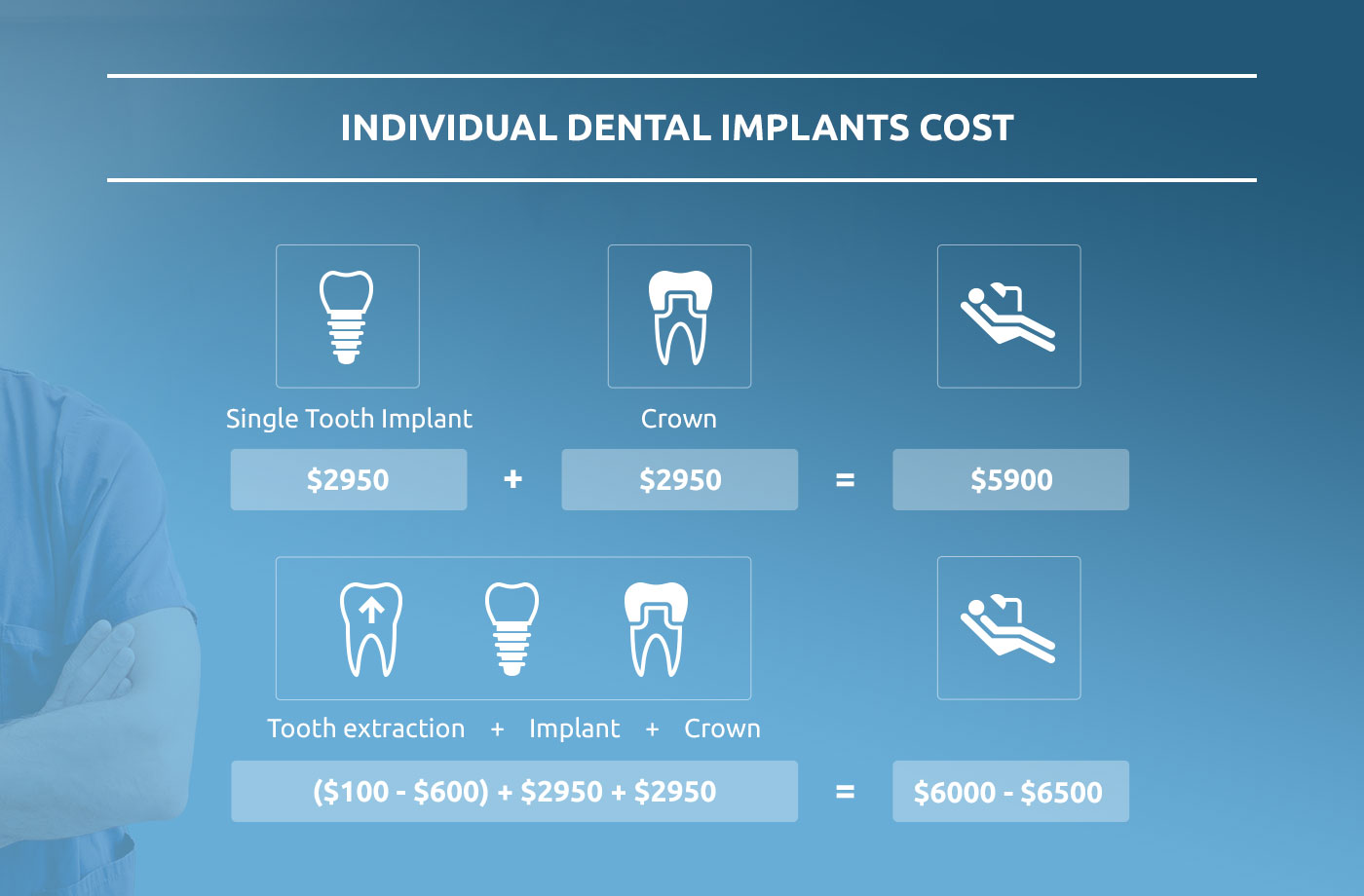
The largest portion of the initial cost is the implant post itself, which acts as a prosthetic tooth root. Most practitioners in Los Angeles use medical-grade titanium or zirconia. The surgical fee covers the sterile environment, the surgeon's expertise, and the biocompatible hardware. In 2026, the surgical placement of a single post in Los Angeles typically costs between $2,000 and $3,500.
The Abutment and Crown (The Restorative Phase)
Once the implant has integrated with the jawbone—a process known as osseointegration—the restorative phase begins. The abutment is a connector piece that attaches to the post and supports the crown. In Los Angeles, custom abutments are increasingly preferred over stock versions to ensure better gum health and aesthetics, which can add $500 to $1,000 to the total. The crown, which is the visible tooth portion, varies in cost based on material, such as porcelain-fused-to-metal (PFM) or high-translucency zirconia.
Primary Factors Influencing Los Angeles Dental Costs
Los Angeles represents one of the most diverse dental markets in the United States. Prices can vary drastically between a boutique practice in Beverly Hills and a multi-doctor clinic in the San Fernando Valley. Understanding these variables helps patients navigate quotes that may seem inconsistent.
Provider Expertise and Specialization
In 2026, patients often choose between a general dentist and a specialist, such as a periodontist or an oral and maxillofacial surgeon. While many general dentists are highly trained in implantology, specialists typically charge a premium—often 15% to 25% higher—due to their residency training and focus on complex surgical cases. For patients with high-risk factors like significant bone loss or systemic health issues, the investment in a specialist is often recommended to minimize the risk of implant failure.
Diagnostic Technology and Guided Surgery
The integration of 3D Cone Beam Computed Tomography (CBCT) and digital impressions has become the standard of care in Los Angeles. Many top-tier practices now utilize "guided surgery," where a computer-generated stent is used to place the implant with sub-millimeter precision. While these technologies increase the diagnostic fee by $300 to $600, they significantly reduce the risk of nerve damage and improve the long-term success rate of the implant.
Geographic Micro-Markets
The "neighborhood premium" remains a factual reality in Southern California. Clinics located in high-rent districts such as Santa Monica, West Hollywood, and Brentwood often have higher fees to offset operational costs. Conversely, patients may find more competitive rates in areas like Glendale, Long Beach, or Pasadena, where the average cost of a single implant might trend toward the lower end of the $3,500 to $6,500 spectrum.
Estimated Costs for Preparatory Procedures
Many patients require preparatory surgeries before an implant can be safely placed. These procedures are vital for ensuring that the jawbone can support the mechanical load of chewing.
| Procedure Type | Estimated Cost Range (LA 2026) | Purpose |
|---|---|---|
| Simple Extraction | $250 - $600 | Removal of a non-restorable tooth |
| Surgical Extraction | $500 - $900 | Removal of impacted or complex tooth roots |
| Bone Grafting | $600 - $2,500 | Augmenting bone volume for implant stability |
| Sinus Lift | $1,800 - $4,500 | Adding bone to the upper jaw near sinus cavities |
| 3D CBCT Scan | $250 - $600 | High-resolution imaging for surgical planning |
| IV Sedation | $600 - $1,200 | Deep relaxation for complex or anxious cases |
Full-Arch Restorations: All-on-4 and Beyond
For patients missing most or all of their teeth, Los Angeles clinics offer full-arch solutions. The most popular is the "All-on-4" technique, which uses four strategically tilted implants to support a full bridge of teeth.
In 2026, the price for a full-arch restoration in Los Angeles is highly dependent on the material of the final prosthesis. An acrylic bridge (often used as a temporary or mid-tier option) will be on the lower end of the $25,000 range. However, a monolithic zirconia bridge—known for its extreme durability and lifelike appearance—can push the cost toward $35,000 to $55,000 per arch. These costs generally encompass the extractions, the dental implants, the temporary bridge provided on the day of surgery, and the final permanent bridge.
Insurance, Financing, and Tax Strategies in 2026
While dental implants were once considered purely cosmetic, most modern dental insurance plans in 2026 recognize them as a standard of care for tooth replacement. However, insurance coverage is rarely comprehensive.
Dental Insurance Limitations
Most PPO dental plans in Los Angeles have an annual maximum benefit ranging from $1,500 to $3,000. Because a single implant often exceeds this amount, insurance typically covers only about 25% to 50% of the total cost, leaving the patient with a significant out-of-pocket balance. It is common for Los Angeles residents to "phase" their treatment across two calendar years to maximize their insurance benefits.
Flexible Spending (FSA) and Health Savings Accounts (HSA)
Because dental implants are a qualified medical expense, using pre-tax dollars through an FSA or HSA is one of the most effective ways to reduce the "real" cost. For a patient in a high tax bracket in California, using $5,000 from an HSA can result in effective savings of over $1,500 compared to using post-tax income.
Third-Party Financing
Recognizing the high cost, nearly all Los Angeles implant centers offer financing through providers like CareCredit, Proceed Finance, or LendingClub. In 2026, many practices offer 12-month interest-free promotional periods. For longer terms, interest rates typically range from 7.9% to 19.9%, depending on the patient's credit profile.
Frequently Asked Questions
Why is the cost of dental implants higher in Los Angeles than in other cities?
The cost reflects the high cost of living, commercial real estate, and professional malpractice insurance in California. Additionally, Los Angeles is a hub for advanced dental technology and world-renowned specialists, which attracts a high demand for premium-tier dental care.
Are there "hidden costs" I should look for in a quote?
Patients should always ask if a quote is "all-inclusive." Common hidden costs can include the initial consultation fee, the 3D imaging fee, the cost of the temporary crown, and any necessary follow-up adjustments. Ensure your written estimate breaks down the surgical fee, the abutment fee, and the crown fee separately.
Is it cheaper to get "Mini Dental Implants" in LA?
Yes, mini dental implants (MDIs) are typically 40% to 60% cheaper than traditional implants. However, they are smaller and less stable, making them unsuitable for all patients, particularly those with low bone density or those needing to replace large molars.
Does the material of the implant change the price?
Most implants are made of titanium alloy, which is the industry standard. Zirconia (ceramic) implants are an alternative for patients with metal sensitivities or those who prefer a "holistic" approach. In 2026, zirconia implants generally cost $500 to $1,000 more per tooth due to the higher manufacturing costs and specialized surgical requirements.
How long do dental implants last?
With proper oral hygiene and regular professional cleanings, a dental implant post can last a lifetime. The crown sitting on top may need replacement every 10 to 15 years due to normal wear and tear, similar to a natural tooth. This long-term durability often makes implants more cost-effective over a 20-year period than dental bridges or dentures, which require more frequent replacement.
Practical Recommendation for Los Angeles Patients
To ensure the best value and clinical outcome in 2026, Los Angeles residents should seek a consultation that includes a comprehensive digital scan. Avoid selecting a provider based solely on the lowest advertised price, as "bargain" implants may use lower-grade components or lack the precision of guided surgery.
Always request a detailed, itemized treatment plan that includes the specific brand of implant (e.g., Straumann, Nobel Biocare, or Zimmer Biomet) and the materials used for the final restoration. Obtaining at least two opinions—ideally one from a general dentist and one from a surgical specialist—will provide a clear picture of the local price range for your specific clinical needs.
Image Gallery