Marketing with Salesforce: A Comprehensive Guide to Data-Driven Engagement
Marketing with Salesforce involves leveraging the Salesforce Customer 360 platform—primarily through Marketing Cloud and Account Engagement (formerly Pardot)—to automate, personalize, and measure cross-channel customer journeys. By int...
Marketing with Salesforce involves leveraging the Salesforce Customer 360 platform—primarily through Marketing Cloud and Account Engagement (formerly Pardot)—to automate, personalize, and measure cross-channel customer journeys. By integrating behavioral data with sales and service information, organizations can orchestrate relevant communication at scale, ensuring marketing efforts directly influence revenue growth and long-term customer retention.
Contents
Understanding the Salesforce Marketing Ecosystem
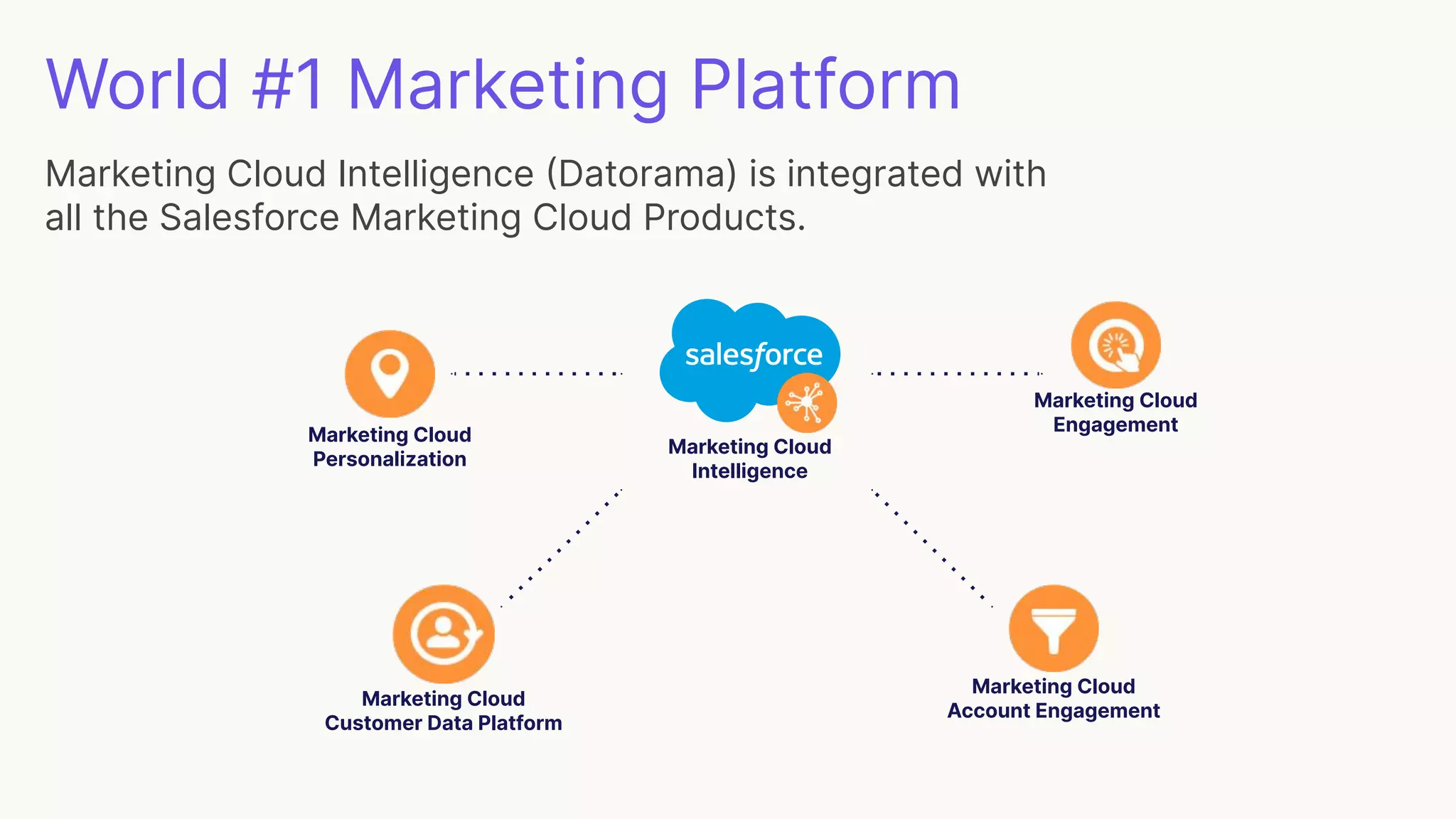
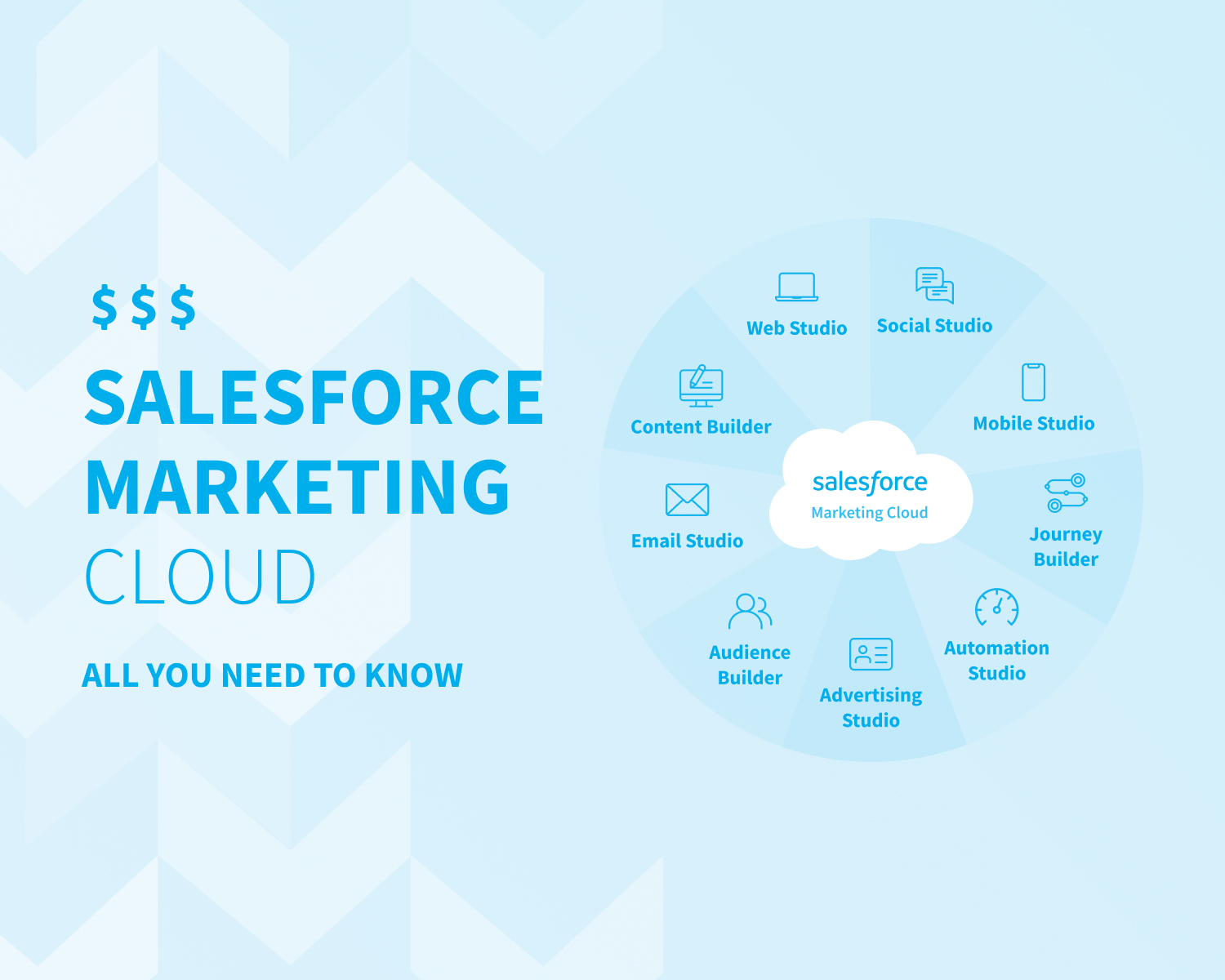
Marketing with Salesforce is not a single tool but an ecosystem of integrated products designed to handle different aspects of the customer lifecycle. To effectively market using this platform, you must distinguish between the two primary pillars of the Salesforce marketing portfolio:
Salesforce Marketing Cloud (SFMC)
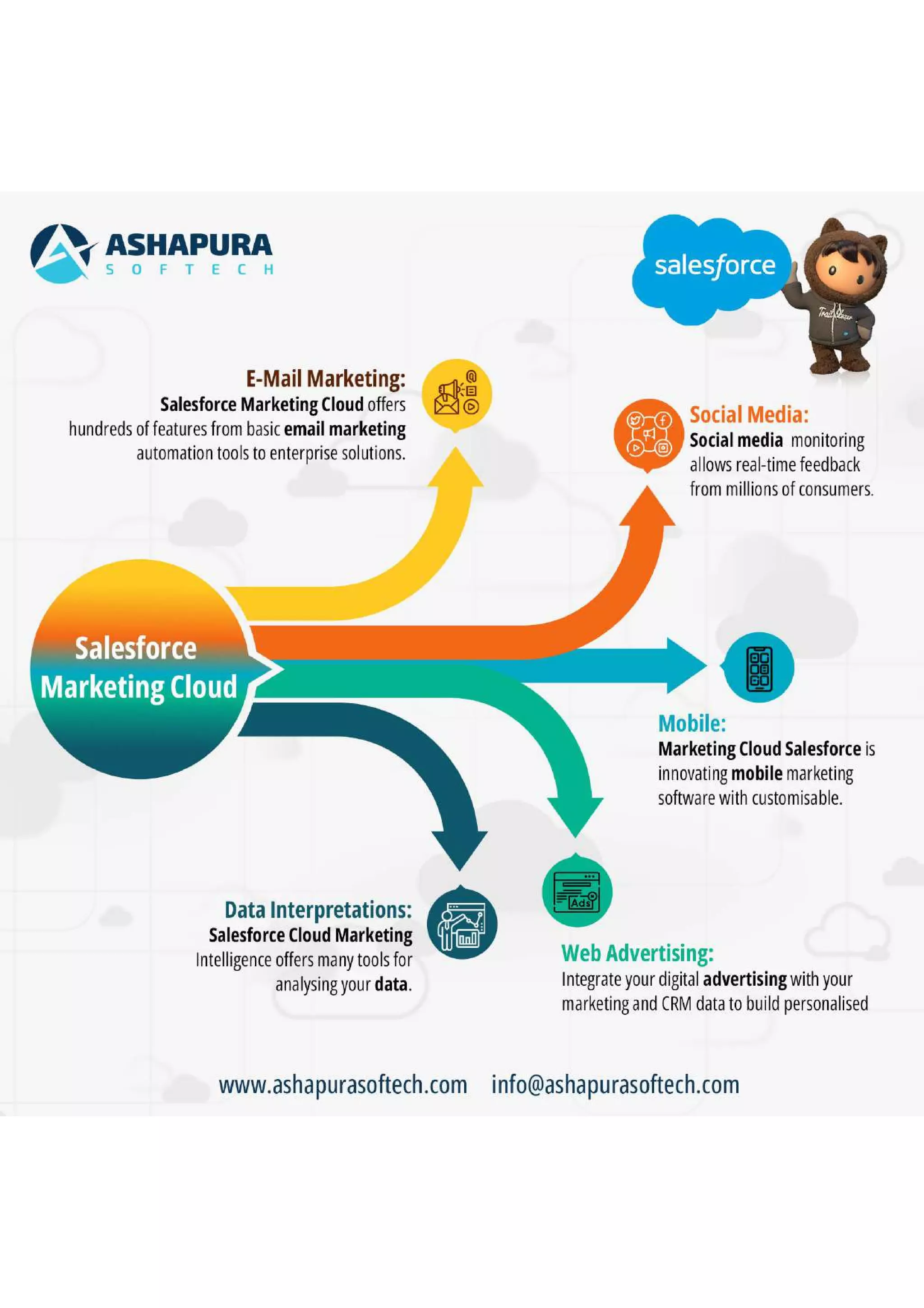
Marketing Cloud is designed primarily for B2C (Business-to-Consumer) organizations with high-volume, cross-channel needs. It provides a robust suite of tools for email, mobile (SMS/push notifications), social media, and advertising. Its strength lies in its ability to handle millions of customer records and execute complex, multi-step customer journeys based on real-time data triggers.
Salesforce Marketing Cloud Account Engagement (Pardot)
Account Engagement is tailored for B2B (Business-to-Business) enterprises. It focuses on the lead-to-revenue process, offering sophisticated lead scoring, grading, and nurturing capabilities. It is tightly integrated with the Sales Cloud, allowing sales representatives to see exactly what content a lead has engaged with before reaching out, thereby aligning sales and marketing teams on the same set of data.
Prerequisites for Successful Implementation
Before initiating a marketing strategy within the Salesforce environment, organizations must ensure their data foundation is sound. Salesforce operates on the principle that "data is the fuel" for your marketing engine.
- Clean Data Architecture: If your customer data is siloed across disparate systems, your marketing campaigns will lack context. Ensure that your lead, contact, and account objects are standardized, deduplicated, and synchronized.
- Unified Identifier: Establish a "Single Source of Truth." Whether it is a unique email address, a Subscriber ID, or a Customer ID, every platform in your stack must recognize the same record as the same individual.
- Sales and Marketing Alignment: Define the "Lead Handoff" process. Before a campaign launches, establish the exact criteria for when a marketing-qualified lead (MQL) becomes a sales-accepted lead (SAL).
Strategic Execution: Mapping the Customer Journey
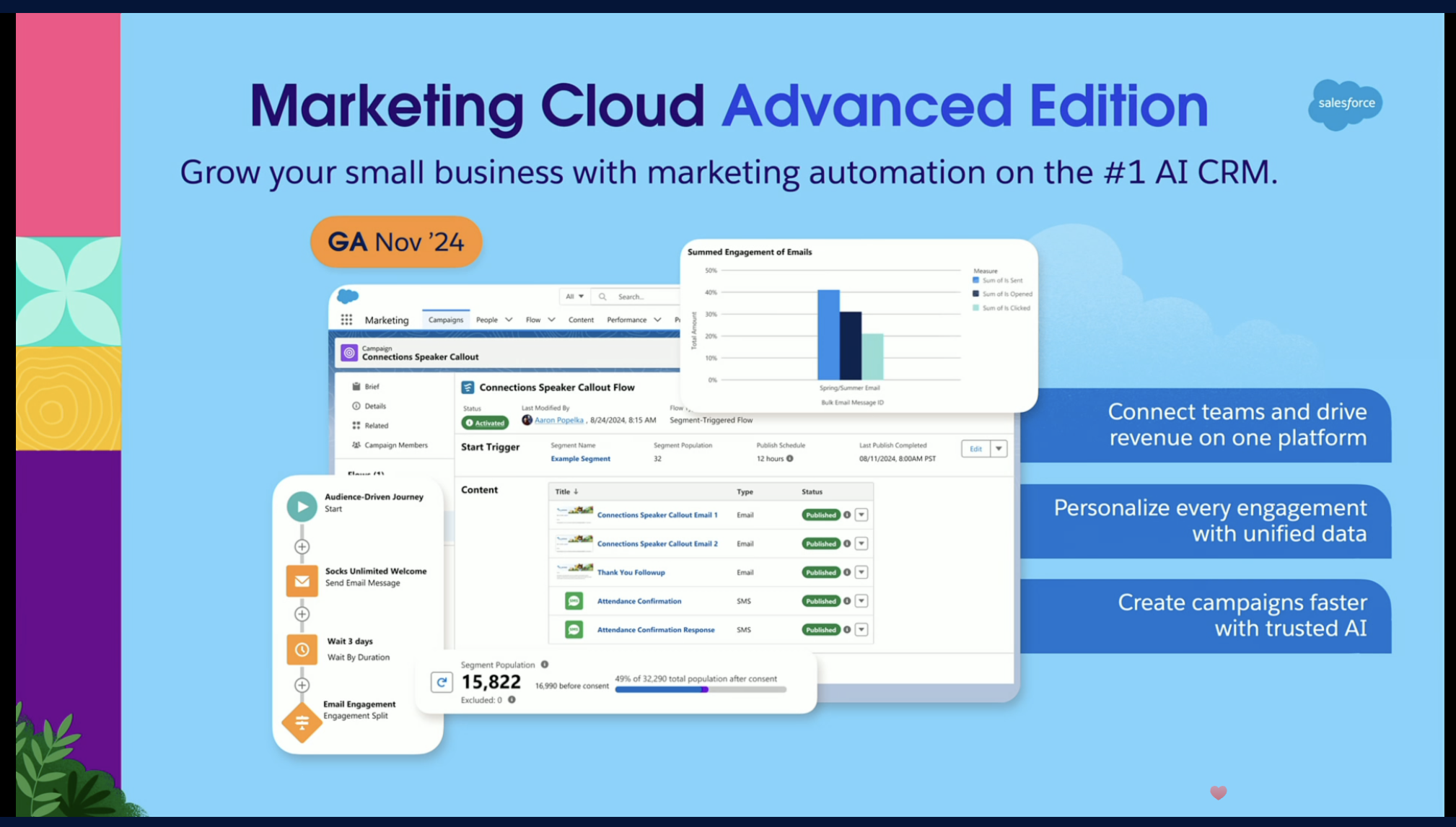
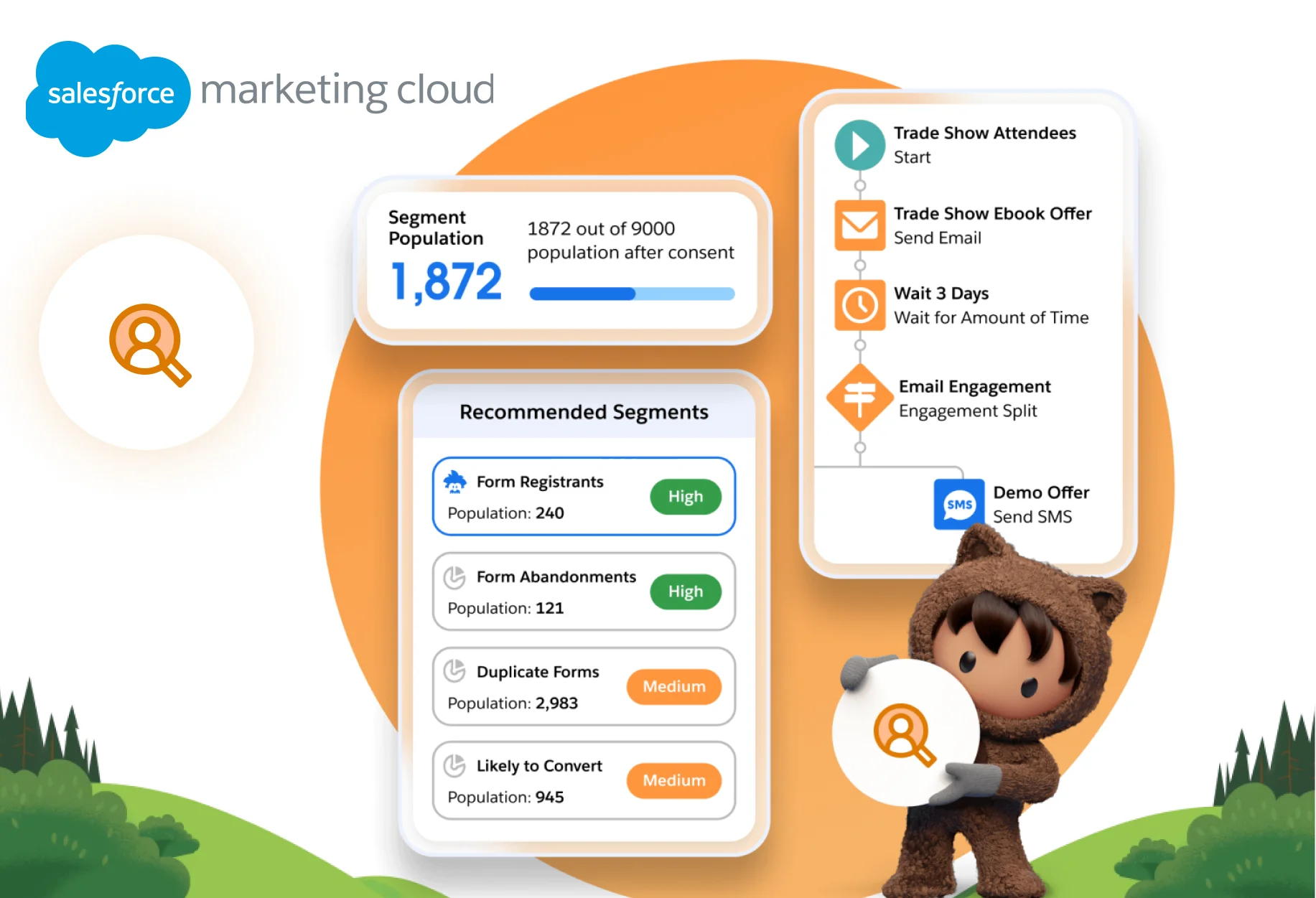
The power of marketing with Salesforce is most evident in "Journey Builder," a visual tool within Marketing Cloud that allows marketers to design multi-touchpoint interactions.
1. Defining Triggers and Entry Points
Every journey needs a starting point. This could be a website submission, a purchase event, a specific milestone in the customer lifecycle, or a behavioral trigger tracked via the Marketing Cloud "Collect" code.
2. Personalization via Data Extensions
Unlike standard databases, Salesforce uses Data Extensions to store customer attributes. You can use this data to dynamically populate emails or SMS messages. For example, rather than sending a generic newsletter, you can pull specific product categories or recent purchase history into the content blocks of your message, ensuring high relevance.
3. Implementing Decision Splits
Journey Builder allows for "Decision Splits" based on customer behavior. If a recipient opens an email but does not click the link, the journey can automatically branch to send a follow-up reminder. If they do click, they can be routed to a separate path involving a personalized demo request or a whitepaper download.
Comparing Marketing Cloud and Account Engagement
Selecting the right tool depends on your business model and complexity requirements.
| Feature | Marketing Cloud (SFMC) | Account Engagement (Pardot) |
|---|---|---|
| Primary Audience | B2C (High volume) | B2B (Lead-focused) |
| Data Architecture | Data Extensions / SQL | CRM Objects / Lead Scoring |
| Core Strength | Cross-channel automation | Sales and Marketing alignment |
| Sales Force Integration | High-level syncing | Native/Deep CRM integration |
| Main Output | Personalized consumer journeys | Lead nurturing and grading |
Common Challenges and Troubleshooting
Marketing with Salesforce is a complex undertaking that often encounters technical hurdles. Addressing these proactively saves significant operational costs.
Data Synchronization Lag
When integrating with the core Sales Cloud, you may notice delays in data updates. Use "Marketing Cloud Connect" to configure synchronization frequency settings. Always verify that your API limits are sufficient, as high-frequency syncing during peak promotional periods can trigger rate limiting.
Engagement Attribution
A common point of friction is failing to attribute revenue to specific marketing channels. Ensure "Campaign Influence" settings are enabled in your Salesforce CRM. Without proper configuration, your dashboard will show vanity metrics (clicks/opens) rather than meaningful ROI (pipeline generated).
Technical Debt in Templates
Custom HTML templates in Marketing Cloud can become difficult to manage if not structured correctly. Utilize the "Content Builder" modular approach. By breaking email templates into reusable blocks, you ensure brand consistency across your organization without needing to re-code every individual campaign.
Best Practices for 2026 and Beyond
As of 2026, the focus has shifted heavily toward "Zero-Party Data"—data that a customer intentionally shares with a brand. Leverage Salesforce "Preference Centers" to allow users to update their communication interests directly. This not only improves deliverability but also ensures compliance with evolving global data privacy regulations.
Furthermore, utilize "Einstein" AI features to optimize send times. Einstein analyzes when a specific contact is most likely to engage with an email and automatically adjusts the delivery time, significantly increasing open rates compared to batch-and-blast methods.
Frequently Asked Questions
1. Does Salesforce marketing replace my email service provider? Yes, both Marketing Cloud and Account Engagement are enterprise-grade email platforms. They offer advanced reporting, automation, and list management features that far exceed the capabilities of basic ESPs, specifically because they are built to interact with your CRM data.
2. How do I know if I need Marketing Cloud or Account Engagement? If your cycle involves complex, multi-touch nurture tracks and you rely heavily on B2B sales teams, Account Engagement is typically the better fit. If you manage massive B2C consumer databases and require multi-channel orchestration (Mobile, Social, Web), Marketing Cloud is the required solution.
3. Is coding knowledge required to use Salesforce marketing tools? Basic functionality like drag-and-drop email building, journey creation, and report generation is "low-code" or "no-code." However, deep customization—such as SQL querying for data segmentation or AMPScript for advanced personalization—requires technical proficiency.
4. How does Salesforce handle opt-outs and unsubscribes? Salesforce provides built-in compliance tools to manage unsubscribes. When a user unsubscribes, the platform automatically flags the record across your synced data, ensuring that your organization remains compliant with CAN-SPAM and GDPR regulations.
5. Can I use Salesforce for social media marketing? Yes, Marketing Cloud includes tools for social listening and engagement. You can monitor brand sentiment and schedule posts across various social platforms, all while tying social interaction data back to the individual customer profile in your CRM.
Next Steps for Your Organization
To move forward with marketing in Salesforce, perform a comprehensive audit of your existing customer data. Identify where your contacts reside, confirm how they are being segmented, and determine the primary pain point in your current customer journey. If you are starting from scratch, begin with the "Trailhead" learning platform to understand the fundamental architecture of the clouds you intend to deploy. Schedule a consultation with a certified Salesforce consultant to map your technical requirements before committing to a licensing tier, as license costs are tiered based on features and contact volume.
Image Gallery