Understanding Why Cyberbullying Effects on Mental Health Matter
Cyberbullying effects on mental health matter because they cause profound, long-term psychological damage, including clinical depression, chronic anxiety, and increased risks of suicidal ideation. Unlike traditional bullying, digital h...
Cyberbullying effects on mental health matter because they cause profound, long-term psychological damage, including clinical depression, chronic anxiety, and increased risks of suicidal ideation. Unlike traditional bullying, digital harassment is persistent, public, and inescapable, creating a 24/7 cycle of trauma that alters brain development and necessitates comprehensive clinical and legislative intervention.
Contents
The Magnitude of Digital Trauma in 2026
As we navigate 2026, the boundary between our physical and digital lives has effectively vanished. For most individuals, especially adolescents and young adults, their digital identity is not a secondary persona but a core component of their social existence. When this environment becomes hostile through cyberbullying, the impact is not confined to a screen; it permeates every aspect of the victim’s psychological well-being.
Cyberbullying matters because it bypasses the traditional "safe havens" of the home. In previous decades, a child bullied at school could find sanctuary in their bedroom. Today, the bullying follows the victim through their smartphone, reaching them in their most private spaces at any hour of the night. This constant state of hyper-vigilance keeps the body’s stress response—the "fight or flight" mechanism—permanently activated. Over time, this chronic stress leads to physical and mental exhaustion, weakening the immune system and increasing susceptibility to mental health disorders.
Furthermore, the scale of cyberbullying is unprecedented. A derogatory post or a leaked private image can be shared thousands of times within minutes. This "digital permanence" means that the victim does not just experience a single traumatic event; they relive the trauma every time they see the engagement metrics rise or realize the content is still accessible to peers, future employers, or strangers.
Neurological and Developmental Implications
The effects of cyberbullying matter because they can fundamentally alter the architecture of the developing brain. Neurobiological research indicates that chronic social exclusion and digital harassment trigger the same neural pathways as physical pain. In adolescents, whose prefrontal cortex is still maturing, these experiences can lead to long-lasting deficits in emotional regulation and decision-making.
When a person is subjected to repeated digital aggression, the amygdala—the brain's emotional processing center—becomes hyper-reactive. This results in heightened sensitivity to social cues, often causing victims to perceive hostility even in neutral interactions. This "cognitive bias" can lead to social withdrawal, as the victim attempts to protect themselves from further perceived threats.
Moreover, the suppression of serotonin and the overproduction of cortisol (the stress hormone) associated with cyberbullying can lead to:
- Hippocampal Volume Reduction: Chronic stress can lead to the shrinking of the hippocampus, the area responsible for memory and learning.
- Executive Dysfunction: Victims often struggle with focus, task switching, and impulse control, directly impacting their academic or professional performance.
- Sleep Disturbance: The psychological distress, combined with the blue light of late-night digital monitoring, disrupts REM cycles, further exacerbating mood disorders.
The Erosion of Academic and Social Foundations
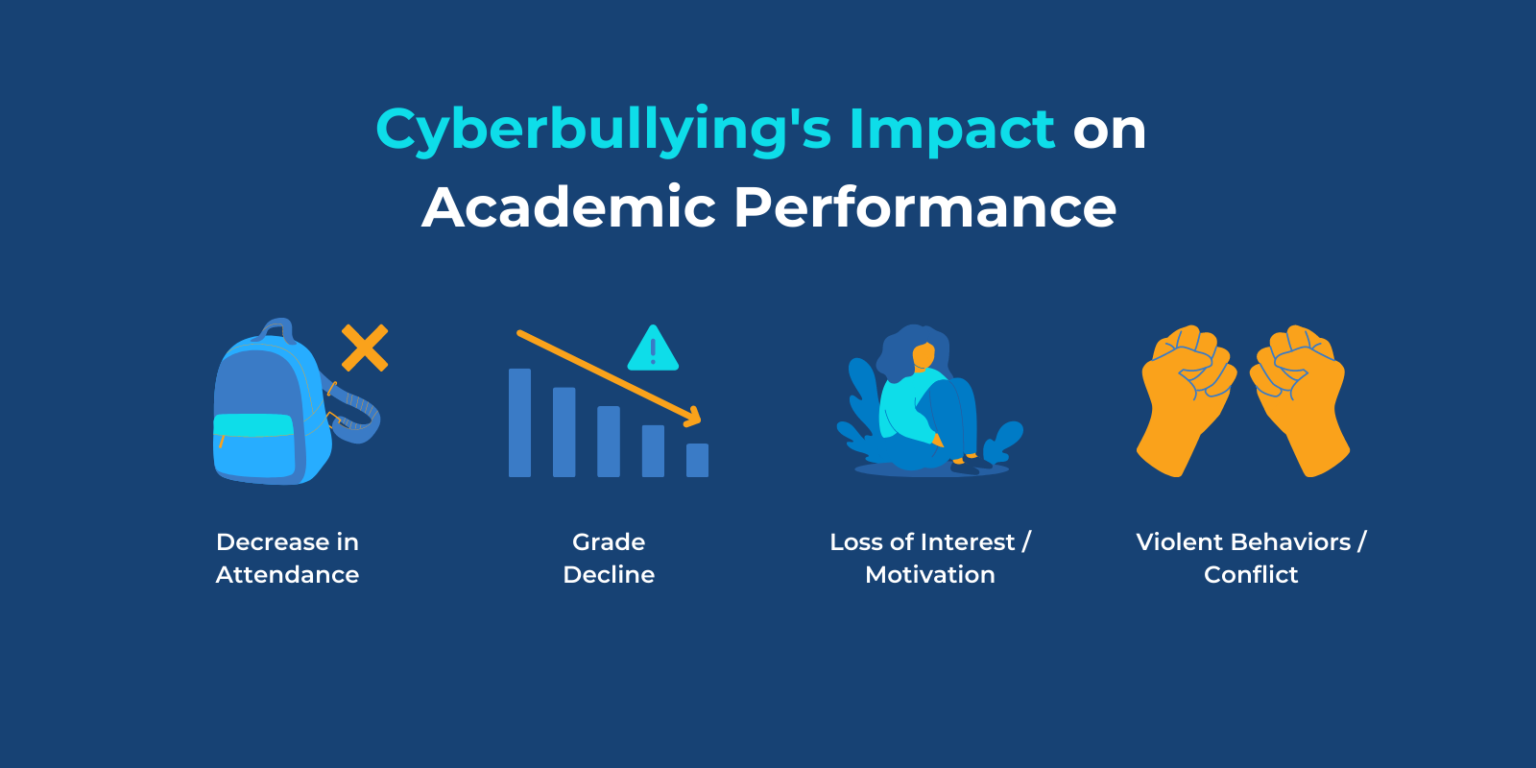
The impact of cyberbullying extends beyond the individual, affecting the broader social and educational ecosystem. In 2026, educational institutions recognize that digital harassment is a primary driver of school refusal and declining graduation rates. When a student is being targeted online, the classroom becomes a source of anxiety rather than a place of learning.
The "internalization" of cyberbullying often leads to a decline in self-esteem that manifests as academic apathy. Victims may stop participating in extracurricular activities, distance themselves from supportive friend groups, and experience a sharp drop in their Grade Point Average (GPA). This is not merely a temporary setback; for many, it alters their long-term career trajectory by limiting access to higher education or specialized training.
Socially, cyberbullying creates a ripple effect. Witnesses to cyberbullying (bystanders) often experience "vicarious trauma" or fear of becoming the next target, which can lead to a culture of silence and decreased empathy within social groups. Addressing these effects is vital for maintaining the social cohesion necessary for healthy communities.
Comparative Analysis: Traditional vs. Cyberbullying
Understanding the nuances between different forms of harassment helps in developing targeted intervention strategies. The following table highlights why the digital nature of cyberbullying often results in more severe mental health outcomes.
| Feature | Traditional Bullying | Cyberbullying (2026 Context) |
|---|---|---|
| Visibility | Limited to physical location (school/yard). | Public and viral; can be seen by millions. |
| Permanence | Transient; memories fade over time. | Permanent; digital footprints are hard to erase. |
| Anonymity | Bullies are usually known to the victim. | Perpetrators can hide behind pseudonyms or AI. |
| Access | Limited to school hours or social gatherings. | 24/7 access to the victim via personal devices. |
| Evidence | Often "word against word" scenarios. | Digital evidence exists but can be manipulated. |
| Safe Space | Home provides a physical refuge. | No physical refuge; the attack is portable. |
Legal, Ethical, and Economic Consequences
The effects of cyberbullying matter because they impose a significant economic burden on the healthcare system and the economy at large. By 2026, the cost of treating cyberbullying-related trauma—including therapy, psychiatric medication, and emergency room visits for self-harm—has reached billions of dollars globally.
From a legal perspective, the evolution of laws such as the Kids Online Safety Act (KOSA) and various regional digital safety mandates underscores the gravity of the issue. Jurisdictions now increasingly recognize "cyber-harassment" as a criminal offense, especially when it leads to severe mental health crises. For organizations and schools, failing to address these behaviors can result in significant liability and loss of accreditation.
Ethically, the rise of AI-generated harassment, including deepfake technology used for "revenge porn" or character assassination, has added a new layer of urgency. These advanced forms of cyberbullying can destroy a person’s reputation and mental health before they even have a chance to respond. Protecting the digital integrity of individuals is now considered a fundamental human right in many democratic societies.
Addressing the Crisis: Intervention and Prevention
To mitigate the effects of cyberbullying, a multi-faceted approach is required. It is no longer sufficient to simply tell victims to "delete the app" or "ignore the trolls."
- Clinical Support: Access to trauma-informed therapy is essential. Cognitive Behavioral Therapy (CBT) and Eye Movement Desensitization and Reprocessing (EMDR) have proven effective in helping victims process digital trauma and rebuild self-worth.
- Digital Literacy and Resilience: Education systems must move beyond basic internet safety to teach "digital emotional intelligence." This includes teaching students how to identify manipulation, the importance of digital empathy, and how to use reporting tools effectively.
- Technological Responsibility: Platforms in 2026 are held to higher standards for algorithmic moderation. AI tools are now utilized to detect bullying patterns in real-time, offering resources to victims and warnings to perpetrators before the situation escalates.
- Policy and Legislation: Robust legal frameworks are necessary to hold both perpetrators and negligent platforms accountable. This includes clear pathways for the removal of harmful content and the protection of victim anonymity during legal proceedings.
For more information on national safety standards and reporting mechanisms, visit StopBullying.gov or the World Health Organization’s mental health resources.
Frequently Asked Questions
Can cyberbullying cause Post-Traumatic Stress Disorder (PTSD)?
Yes, cyberbullying can lead to symptoms consistent with PTSD. Because the attacks are often repetitive and involve public humiliation, victims may experience intrusive thoughts, flashbacks, avoidance behaviors, and severe emotional distress. In clinical settings, this is sometimes referred to as "Digital Trauma," requiring specialized therapeutic intervention to resolve.
Is adult cyberbullying as serious as adolescent cyberbullying?
While much focus is on youth, adult cyberbullying (often occurring in the workplace or through "cancel culture") is equally serious. It can lead to job loss, professional reputation damage, and severe clinical depression. Adults may have more developed coping mechanisms, but the stakes—such as livelihood and familial stability—often increase the psychological pressure.
How do I know if someone's mental health is being affected by cyberbullying?
Key warning signs include sudden changes in device usage (either obsessive checking or total avoidance), social withdrawal, unexplained physical ailments like headaches or stomachaches, and a visible decline in mood after being online. If a person becomes secretive about their digital life or expresses feelings of hopelessness, immediate intervention is necessary.
What are the "byproduct" effects of cyberbullying on physical health?
Mental health and physical health are intrinsically linked. The chronic stress of cyberbullying often leads to sleep deprivation, which impairs cognitive function. Additionally, the prolonged elevation of cortisol can lead to hypertension, weight fluctuations, and a weakened immune response, making the victim more prone to illness.
Can AI help stop the effects of cyberbullying?
AI is a double-edged sword. While it can be used to create more sophisticated harassment, it is also the primary tool for prevention in 2026. Advanced sentiment analysis and behavioral modeling allow platforms to flag abusive content automatically and provide immediate "well-being checks" to users who are being targeted, often before the victim even sees the harmful message.
Moving Forward: A Practical Recommendation
If you or someone you know is experiencing the mental health effects of cyberbullying, the first step is to document everything. Save screenshots and URLs of the harassment, as these are vital for platform reporting and potential legal action. Do not engage with the harasser; instead, utilize the "block" and "report" features immediately. Reach out to a mental health professional who specializes in digital trauma to begin the process of emotional recovery. For immediate crisis support in 2026, contact local mental health hotlines or the National Suicide Prevention Lifeline (988 in the U.S.).
Image Gallery