The Definitive James Bond Chronology: Understanding the Eon Productions Timeline
The James Bond film franchise, produced by Eon Productions, consists of twenty-five official entries that span over six decades. While individual films often function as self-contained adventures, the series is divided into distinct er...
The James Bond film franchise, produced by Eon Productions, consists of twenty-five official entries that span over six decades. While individual films often function as self-contained adventures, the series is divided into distinct eras defined by the actors portraying 007, creating a complex, non-linear narrative structure that reflects changing cinematic trends and evolving cultural contexts.
Contents
The Complexity of the Bond Timeline
The concept of a "chronology" in the James Bond series is famously flexible. Because Eon Productions has maintained the character of Bond across various decades, the films do not strictly adhere to a single, continuous aging process for the protagonist. Instead, the timeline is best understood through the lens of individual actor tenures.
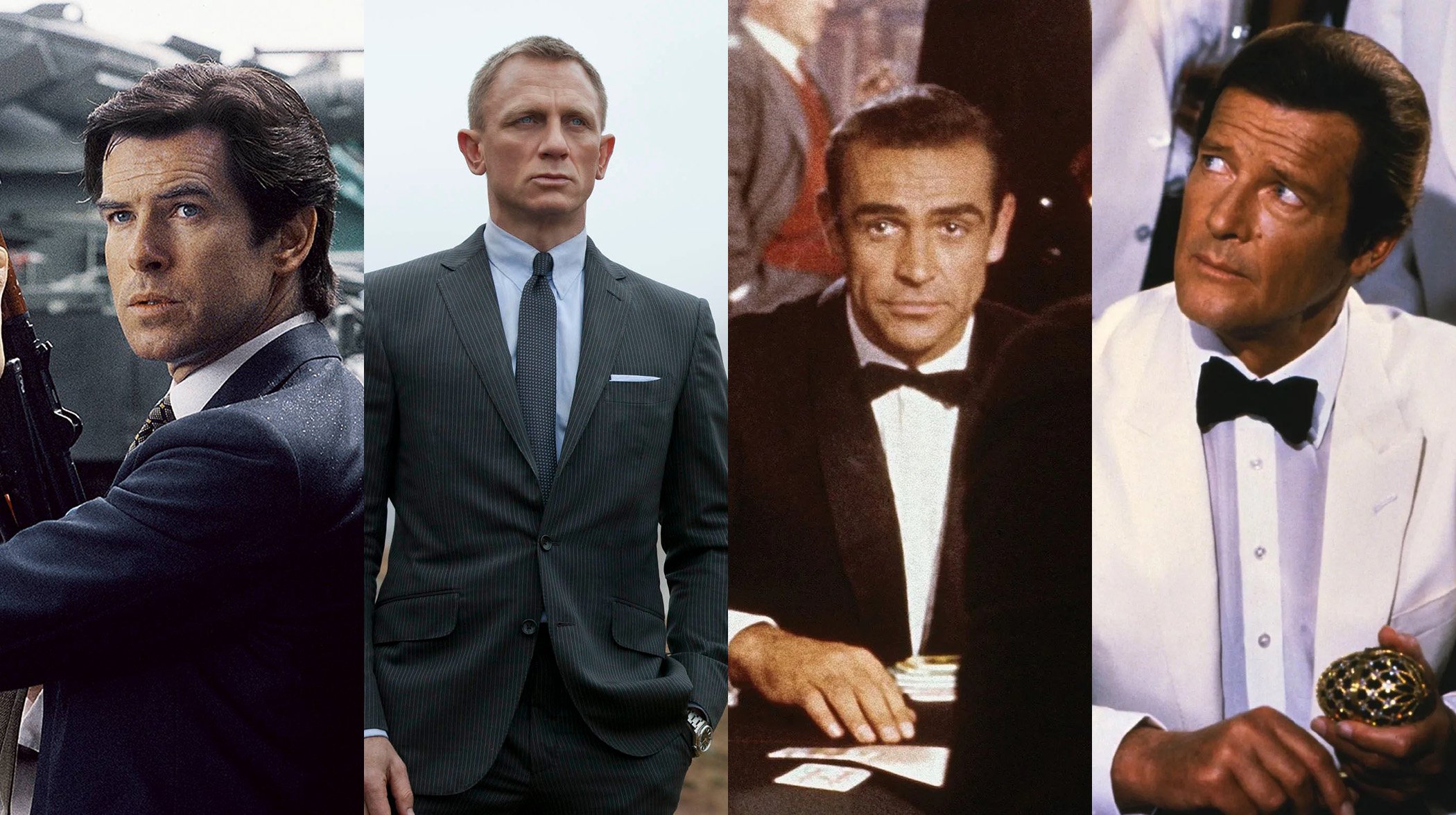
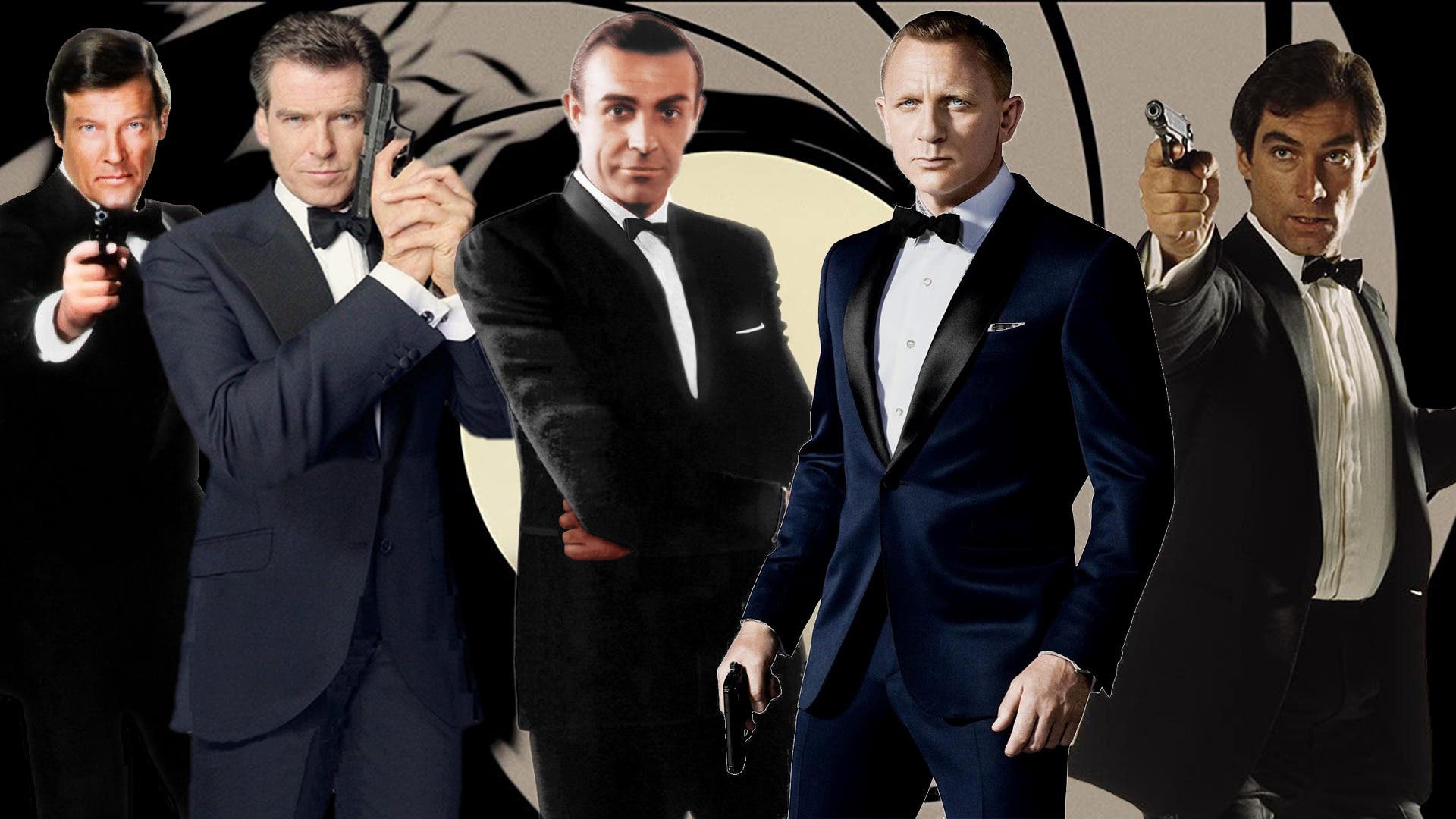
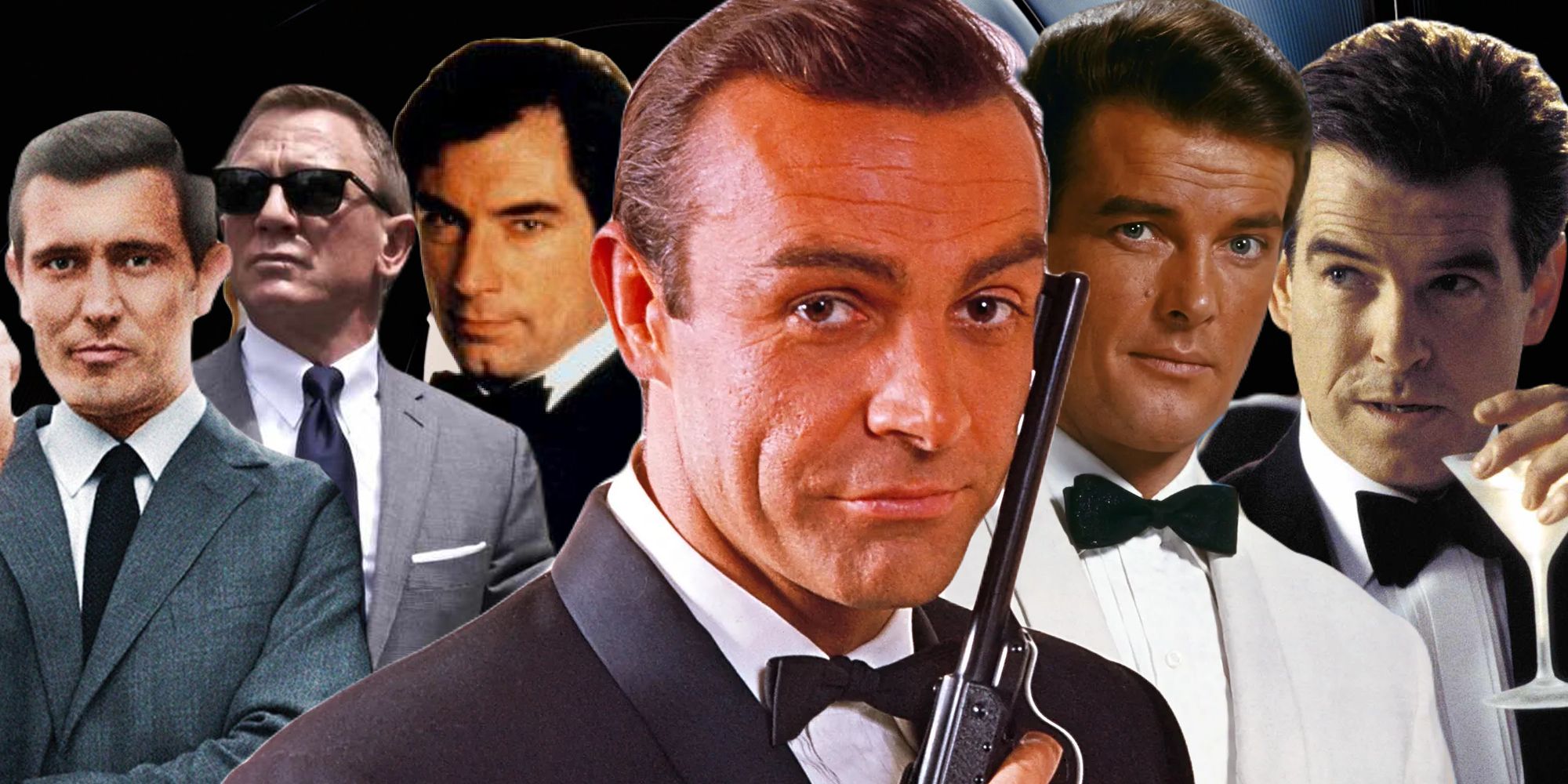
The transition between actors—from Sean Connery to George Lazenby, Roger Moore, Timothy Dalton, Pierce Brosnan, and Daniel Craig—often functions as a "soft reboot." While there are recurring characters, such as M, Q, and Miss Moneypenny, their identities have shifted over time, suggesting that "James Bond" is a mantle or that the series exists within a floating timeline where the character remains eternally contemporary to the period of the film's release.
Chronological Release Schedule of Eon Productions Films
The most practical way to categorize the series is by the date of theatrical release. This approach respects the production history and the specific cultural zeitgeist each film intended to capture.
| Release Year | Film Title | Bond Actor |
|---|---|---|
| 1962 | Dr. No | Sean Connery |
| 1963 | From Russia with Love | Sean Connery |
| 1964 | Goldfinger | Sean Connery |
| 1965 | Thunderball | Sean Connery |
| 1967 | You Only Live Twice | Sean Connery |
| 1969 | On Her Majesty's Secret Service | George Lazenby |
| 1971 | Diamonds Are Forever | Sean Connery |
| 1973 | Live and Let Die | Roger Moore |
| 1974 | The Man with the Golden Gun | Roger Moore |
| 1977 | The Spy Who Loved Me | Roger Moore |
| 1979 | Moonraker | Roger Moore |
| 1981 | For Your Eyes Only | Roger Moore |
| 1983 | Octopussy | Roger Moore |
| 1985 | A View to a Kill | Roger Moore |
| 1987 | The Living Daylights | Timothy Dalton |
| 1989 | Licence to Kill | Timothy Dalton |
| 1995 | GoldenEye | Pierce Brosnan |
| 1997 | Tomorrow Never Dies | Pierce Brosnan |
| 1999 | The World Is Not Enough | Pierce Brosnan |
| 2002 | Die Another Day | Pierce Brosnan |
| 2006 | Casino Royale | Daniel Craig |
| 2008 | Quantum of Solace | Daniel Craig |
| 2012 | Skyfall | Daniel Craig |
| 2015 | Spectre | Daniel Craig |
| 2021 | No Time to Die | Daniel Craig |
Analyzing the Eras of 007
The Connery Era (1962–1971)
Sean Connery defined the cinematic version of James Bond. This era established the essential tropes: the gadgetry, the exotic locales, the sharp tailoring, and the cold, calculated demeanor of the secret agent. These films were instrumental in cementing the "Bond Formula" that audiences would come to expect. While On Her Majesty's Secret Service featured George Lazenby, its tone and narrative arc remain deeply connected to the foundational style of the early sixties.
The Moore Era (1973–1985)
Roger Moore brought a lighter, more self-aware charm to the role. Moving away from the gritty espionage of the Connery years, the Moore films embraced spectacle and high-concept plots, ranging from Blaxploitation-inspired narratives in Live and Let Die to the science-fiction leanings of Moonraker. This period represents the franchise’s pivot toward blockbuster status.
The Dalton and Brosnan Shift (1987–2002)
Timothy Dalton returned the character to the darker, more literary roots intended by author Ian Fleming, emphasizing the psychological toll of being a professional killer. Pierce Brosnan then bridged the gap between the classic Cold War themes and the geopolitical realities of the post-Soviet world, blending the charisma of Connery with the modern action sensibilities of the late 1990s.
The Daniel Craig Reboot (2006–2021)
The Daniel Craig era stands apart as the only true, self-contained, and serialized timeline in the franchise. Beginning with Casino Royale, which functions as an origin story, these five films follow a continuous narrative arc that develops the character from a newly minted 007 to an aging, world-weary veteran. This era is notable for its thematic depth and focus on Bond's personal history.
Distinguishing Non-Eon Productions
It is critical for enthusiasts to distinguish the twenty-five Eon Productions films from "rogue" entries produced outside of this core lineage. The most notable examples are the 1967 spoof Casino Royale and the 1983 film Never Say Never Again, which starred Sean Connery. While these films feature the character of James Bond, they were produced by different entities and do not hold a place in the official Eon continuity. Excluding these from your viewing list is essential if your intent is to follow the established narrative legacy produced by the Broccoli family.
Challenges in Establishing Narrative Continuity
Because the films were produced over sixty-four years, the technology, political enemies, and social norms reflect the era of filming rather than a coherent internal history. For instance, the transition of M from a male authority figure to a female counterpart (Judi Dench) in the 1990s was treated as a casting shift rather than an event within the films’ narrative until the mid-2000s.
If you are attempting to watch the films to understand the evolution of the character, the release order is the only logical path. Attempting to force the films into a chronological age-based order for the character is essentially impossible, as the events of Casino Royale (2006) clearly depict a young Bond in the modern era, rendering the Cold War-era films as "past" events in a separate, parallel reality.
Frequently Asked Questions
Are the James Bond films meant to be watched in order of release? Yes. Watching by release date allows you to witness the evolution of filmmaking techniques, stunt coordination, and the shifting cultural perception of the spy genre. While the Daniel Craig films (2006–2021) are the only ones that demand a specific internal viewing order, the rest of the series serves as a historical document of the franchise's development.
Is there a canonical "first" James Bond movie? Dr. No (1962) is the first official Eon Productions film. While the character existed in Ian Fleming's novels beginning in 1953, Dr. No is the definitive starting point for the cinematic chronology.
Why are some Bond films not considered "official"? The rights to certain literary works were historically complex. Never Say Never Again was produced by a different studio due to legal disputes regarding the rights to the Thunderball storyline. Consequently, these films are independent of the official Eon production line.
Does James Bond age? In the Eon timeline, James Bond acts as a "floating" character; he does not age across the six decades of the series, with the notable exception of the Daniel Craig arc, which concludes with a definitive finality that differentiates it from all preceding eras.
Which version of M should I track? M is a title, not a specific person. Within the continuity of the series, multiple characters have held the rank of M. It is best to view these changes as administrative or actor-based casting decisions rather than an evolving character biography.
Next Steps for Your Viewing Experience
To effectively engage with the James Bond chronology, organize your viewing into the specific actor eras outlined above. Start with the Connery films to understand the archetype, skip the non-Eon films to avoid continuity confusion, and save the Daniel Craig era for last, as it provides the most cohesive narrative structure. If you are researching for a specific project, verify the production year against the Eon list provided, as this is the industry-standard record for cataloging the franchise.
Image Gallery