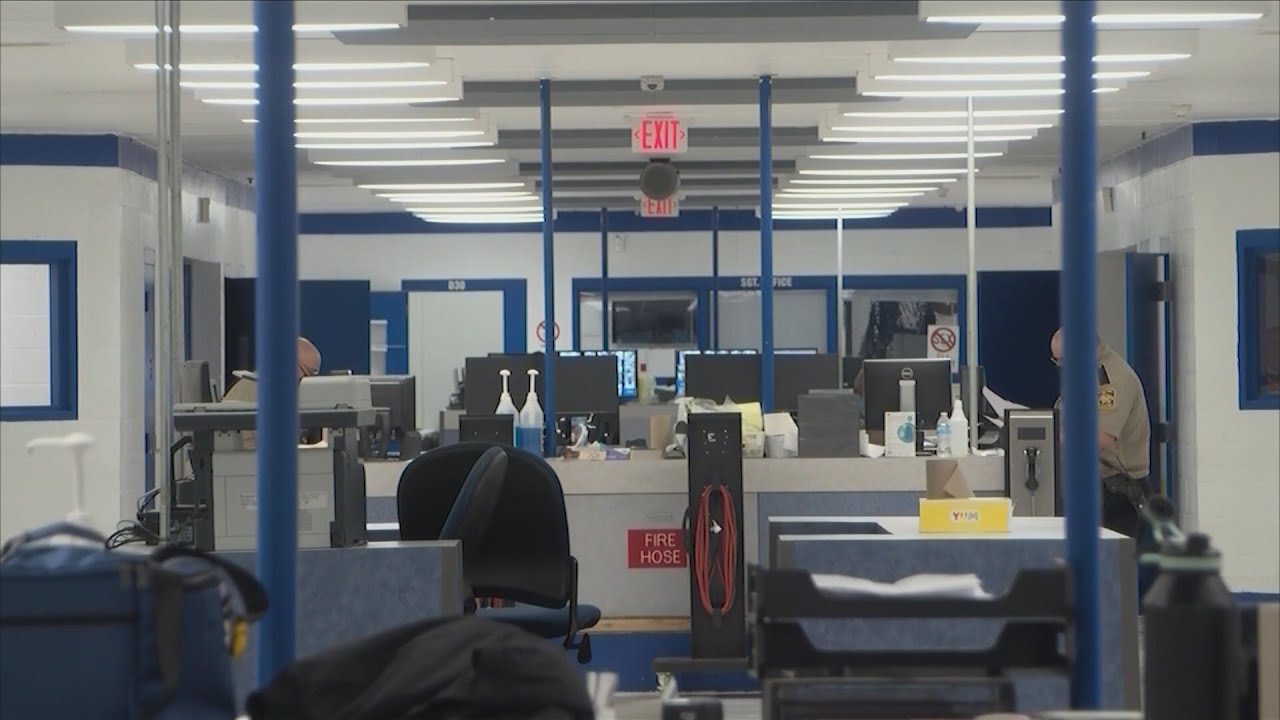
What the Potter Jail Crowding Reveals for County Policy
The persistent overcrowding at the Potter County Detention Center serves as a critical indicator of systemic friction between judicial processing speeds, public safety mandates, and county budgetary constraints. This situation highligh...
The persistent overcrowding at the Potter County Detention Center serves as a critical indicator of systemic friction between judicial processing speeds, public safety mandates, and county budgetary constraints. This situation highlights a recurring policy dilemma: how to balance mandatory incarceration requirements with the logistical and fiscal limitations of physical detention infrastructure in a modern, resource-constrained administrative environment.
Contents
The Mechanics of Jail Crowding in Potter County
Jail crowding is rarely the result of a single policy failure; instead, it is typically an outcome of compounding bottlenecks within the criminal justice ecosystem. In Potter County, as in many similar jurisdictions, the facility’s census is governed by the flow of individuals arriving from law enforcement intake and the rate at which those individuals transition out of the system through court hearings, bond resolutions, or transfers to state facilities.
When the detention center exceeds its rated capacity, the county faces immediate operational hazards. These include increased liability regarding the standard of care for detainees, heightened stress on corrections staff, and the necessity of outsourcing inmate housing to other jurisdictions. Outsourcing is a significant policy failure point, as it diverts local taxpayer funds away from the community and into the operational budgets of neighboring counties, effectively penalizing the home county for its own systemic inefficiencies.
Policy Implications: Bridging the Gap
The situation in Potter County forces policymakers to address the "front-end" and "back-end" of the jail population. Front-end policies concern law enforcement arrest practices and magistrate bond settings. If the volume of low-level, non-violent offenders increases, the facility experiences rapid capacity depletion. Policies that emphasize pre-trial diversion programs, expanded mental health crisis intervention teams, and streamlined bond hearings act as pressure-relief valves.
Conversely, back-end policy focuses on the velocity of case movement through the district and county courts. If the docket moves slowly, the jail becomes a long-term holding area for individuals who are legally presumed innocent but cannot afford bond. For county administrators, this necessitates a collaboration between the judiciary and the sheriff’s office to ensure that docketing practices are optimized to reduce the "length of stay" for pre-trial detainees.
Comparative Factors in County Detention Management
To understand the scope of the problem, it is useful to compare how different policy levers influence jail population management. The following table outlines key policy areas and their direct impact on facility capacity.
| Policy Lever | Impact on Jail Population | Implementation Complexity |
|---|---|---|
| Pre-Trial Release Programs | High (Reduces census) | Moderate |
| Mental Health Diversion | High (Diverts intake) | High (Requires coordination) |
| Accelerated Court Dockets | Moderate (Reduces length of stay) | High (Requires judicial buy-in) |
| Increased Facility Footprint | Low (Addresses supply, not demand) | Very High (Capital expenditure) |
| Privatized Housing Agreements | Neutral (Shifts cost burden) | Low |
Operational Risks and Institutional Costs
Crowding is not merely a logistical annoyance; it creates a specific profile of institutional risk. As density increases, the safety of both guards and inmates declines. Under Texas Commission on Jail Standards (TCJS) guidelines, facilities must maintain specific staffing-to-inmate ratios and meet constitutional standards regarding living space, hygiene, and medical access.
When a jail is overcrowded, the cost of compliance rises exponentially. Beyond the obvious personnel overtime costs required to monitor a higher-density population, the county faces increased exposure to civil rights litigation. Legal defense and potential settlements stemming from inadequate conditions represent an "invisible tax" on the county budget—money that is spent on risk mitigation rather than infrastructure improvement or preventative social services.
The Role of Data-Driven Oversight
Effective policy in 2026 relies on granular data to determine why populations are shifting. County commissioners and stakeholders require real-time reporting on the composition of the inmate population:
- Legal Status: Are the individuals awaiting trial, serving short sentences, or awaiting transport to the Texas Department of Criminal Justice (TDCJ)?
- Charge Severity: What percentage of the population is detained for non-violent or administrative offenses?
- Average Length of Stay (ALOS): Are there specific cohorts that are stagnating, and if so, what is the specific court or procedural cause?
By isolating these variables, the county can move from reactionary measures—such as moving inmates between facilities—to proactive policy design. If data reveals that a large percentage of detainees are held solely for minor technical probation violations, the policy response should be focused on community-based supervision alternatives rather than expanding physical jail capacity.
Barriers to Structural Reform
Despite the clarity that data provides, reforming jail policy is often met with political and social resistance. There is a persistent perception that "tough on crime" equates to higher incarceration rates regardless of the facility's physical limitations. However, expert analysis suggests that high-density, overcrowded facilities actually undermine public safety by disrupting rehabilitative efforts and increasing the likelihood of recidivism.
Furthermore, there is the challenge of capital investment. Building or expanding a jail is a multi-year project involving massive bond elections and long-term debt servicing. In a fiscal climate where property taxes are under intense scrutiny, expanding capacity is rarely a popular choice. Therefore, policy innovation that maximizes the efficiency of the existing square footage is the only sustainable path forward.
Frequently Asked Questions
1. Does overcrowding automatically mandate the construction of a new jail facility? No. Overcrowding often suggests inefficiencies in case processing or a lack of alternative diversion programs. Construction is a permanent, high-cost solution for a problem that may be driven by temporary or procedural factors.
2. What is the role of the Texas Commission on Jail Standards in this context? TCJS monitors compliance with minimum standards. When a facility becomes overcrowded, TCJS may issue notices of non-compliance, which can force the county to remediate conditions through staffing adjustments, population reduction, or physical upgrades under strict timelines.
3. How do bond schedules affect jail population levels? Bond schedules, which set the cost for release, directly impact the number of people who remain in custody. If the gap between a defendant's ability to pay and the required bond amount is too wide, the jail effectively becomes a warehouse for the impoverished, increasing the total population count without necessarily increasing public safety.
4. Can mental health services reduce jail crowding? Yes. A significant portion of jail populations suffers from mental health conditions that often lead to low-level arrests. Integrating mental health professionals into the intake process allows for the redirection of individuals into treatment programs rather than placing them in the detention system.
5. What is "outsourcing" in the context of county jail policy? Outsourcing occurs when a county pays another jurisdiction to house its overflow of detainees. It is a stop-gap measure that addresses the physical lack of space but is fiscally inefficient and makes access to counsel and court appearances more complex.
Recommendations for Future Policy
To manage the current situation, Potter County policymakers should prioritize the establishment of an inter-agency "Criminal Justice Coordinating Council." This body should bring together the Sheriff, the District Attorney, local judges, and county commissioners to align on goals.
The primary action item is the implementation of a comprehensive "Day Reporting Center" or similar alternative-to-incarceration program for non-violent offenders. By reducing the number of low-risk individuals held in the main facility, the county can preserve limited capacity for high-risk individuals, thereby optimizing both the safety of the facility and the efficiency of the judicial process. Long-term, the county must shift its focus from "bed management" to "population management," treating the detention facility as a resource to be used selectively rather than a catch-all solution for societal challenges.
Image Gallery