The 2013 Tragedy Involving Adrian Peterson’s Son: A Retrospective
In October 2013, NFL star Adrian Peterson faced a profound personal tragedy when his two-year-old son passed away following an incident involving head trauma. The event occurred in Sioux Falls, South Dakota, where the child had been un...
In October 2013, NFL star Adrian Peterson faced a profound personal tragedy when his two-year-old son passed away following an incident involving head trauma. The event occurred in Sioux Falls, South Dakota, where the child had been under the care of Joseph Patterson, a man who was later convicted for the boy’s death. This incident drew intense national media scrutiny and highlighted the complexities of public figures navigating private grief.
Contents
The Events of October 2013
On October 9, 2013, emergency services in Sioux Falls, South Dakota, responded to a call regarding a two-year-old child who was found unresponsive. The boy, who was the son of Minnesota Vikings running back Adrian Peterson, had sustained severe head injuries while in the care of Joseph Patterson, the boyfriend of the child’s mother at the time.
Upon arrival, first responders transported the child to a local hospital, where he remained in critical condition for two days. Despite medical efforts, the child succumbed to his injuries on October 11, 2013. The nature of the injuries was later determined by medical examiners to be consistent with non-accidental blunt force trauma, leading to an immediate criminal investigation into the circumstances surrounding the incident.
The Criminal Prosecution of Joseph Patterson
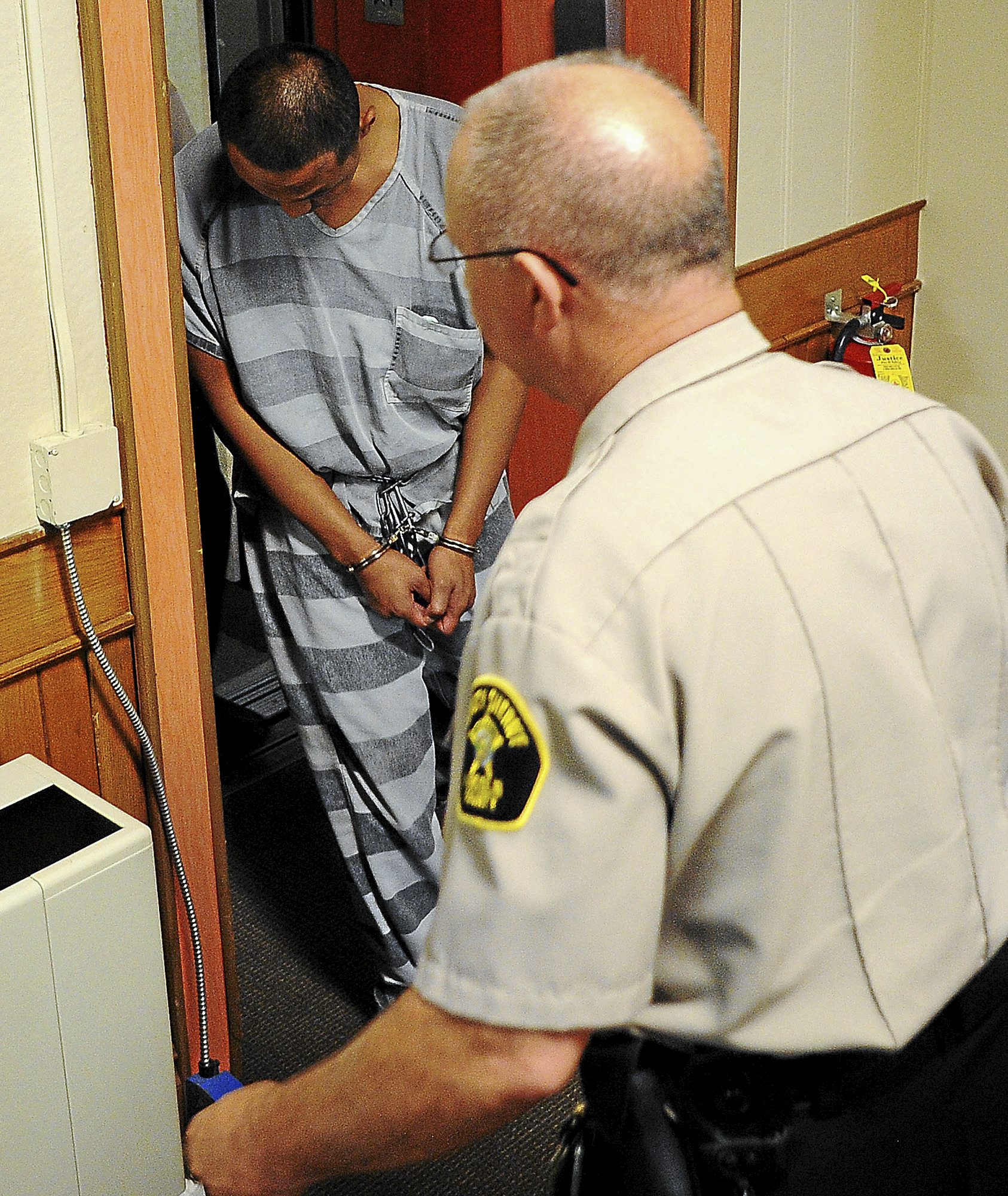
Following the child’s death, local law enforcement and the state’s attorney office in Minnehaha County, South Dakota, moved to file charges against Joseph Patterson. The case was marked by significant legal challenges, including debates over the timeline of evidence and the complexity of the medical findings.
In September 2014, a jury found Joseph Patterson guilty of second-degree murder, first-degree manslaughter, and aggravated battery of an infant. Throughout the trial, the prosecution presented evidence that the child’s injuries could not have been caused by an accidental fall, as the defense had initially suggested. The testimony from medical experts played a decisive role in the jury's verdict, as they detailed the extent of the trauma the toddler had suffered while left in Patterson’s custody.
In February 2015, Patterson was sentenced to life in prison without the possibility of parole. The sentencing served as a judicial conclusion to a high-profile case that had captivated the sports world and the public alike, as the details of the domestic violence incident were laid bare in court.
Public Reaction and Media Coverage
The news of the tragedy broke during the middle of the 2013 NFL season, thrusting Adrian Peterson into the center of a media storm. At the time, Peterson was one of the most prominent players in professional football, having just returned from an MVP-winning season. The juxtaposition of his public persona as an elite athlete and his private trauma created a difficult environment for the player and his family.
Media outlets focused heavily on Peterson's professional response, specifically whether he would miss games following the news. Peterson chose to play in the Minnesota Vikings' game against the Carolina Panthers just days after his son's passing. This decision sparked a widespread public discourse regarding the expectation of athletes to perform while processing deep personal loss. Observers noted the physical and psychological toll such a tragedy exerts, emphasizing that professional obligations rarely account for the mourning process.
The Impact on Legal and Social Discourse
The death of Peterson's son served as a sobering example of the dangers associated with domestic abuse and child endangerment. The case led to increased awareness in regional and national conversations regarding child protective services and the vulnerabilities of children in domestic arrangements involving non-biological guardians.
Table 1 provides a concise overview of the timeline regarding the tragedy and the subsequent legal proceedings.
| Milestone | Date | Significance |
|---|---|---|
| Initial Incident | October 9, 2013 | Emergency responders called to a Sioux Falls residence. |
| Passing of the Child | October 11, 2013 | The child dies due to severe head injuries at the hospital. |
| Jury Verdict | September 2014 | Joseph Patterson found guilty on multiple charges. |
| Sentencing | February 2015 | Patterson receives life without parole. |
Navigating Grief in the Public Eye
For professional athletes, the boundary between the private sphere and the public eye is often porous. The case of Adrian Peterson in 2013 remains a case study in how public figures manage grief when their lives are under constant scrutiny. Unlike private citizens, individuals in the spotlight often face the pressure of "returning to normal" as a means of managing their public responsibilities, regardless of their internal state.
Psychological experts who analyzed the aftermath of the 2013 event suggested that the inability to grieve in isolation can exacerbate the trauma associated with the loss of a child. Furthermore, the constant media cycle surrounding the criminal trial forced the family to relive the details of the tragedy repeatedly. This remains a significant point of discussion in sports sociology regarding how teams and organizations support their personnel during catastrophic life events.
Frequently Asked Questions
Who was held responsible for the death of Adrian Peterson’s son? Joseph Patterson, the boyfriend of the child's mother at the time, was held responsible. He was prosecuted, convicted of murder and manslaughter, and sentenced to life in prison without the possibility of parole.
Did Adrian Peterson have prior knowledge of the child? Reports confirmed that Adrian Peterson had recently learned of the child's existence and had been in the process of establishing a relationship with him at the time of the incident. He had not yet had the opportunity to spend extensive time with his son.
How did the NFL and the Minnesota Vikings handle the situation? The organization expressed support for Peterson, allowing him to take time away from team activities as he deemed necessary. While he chose to play shortly after the incident, the team provided public statements offering their condolences and supporting his privacy.
What were the specific medical findings in the case? Medical examiners testified that the injuries were the result of non-accidental blunt force trauma to the head. The severity of the brain injuries sustained by the toddler was the direct cause of death, overriding defense claims that the injury resulted from a fall.
Where did the incident occur? The tragedy took place in Sioux Falls, South Dakota. This jurisdiction handled the legal investigation, the subsequent trial, and the sentencing of the perpetrator.
Next Steps and Recommendations
The resolution of the 2013 legal proceedings brought a sense of finality to the judicial process regarding this specific tragedy. For those interested in the details of the trial or the investigative reporting surrounding the events, public records from the Minnehaha County Court archives remain the most accurate source for documentation. Readers seeking to understand the broader implications of child safety in domestic settings may look toward organizations focused on child protection advocacy to learn about local statutes and preventative measures in their own jurisdictions.
Image Gallery