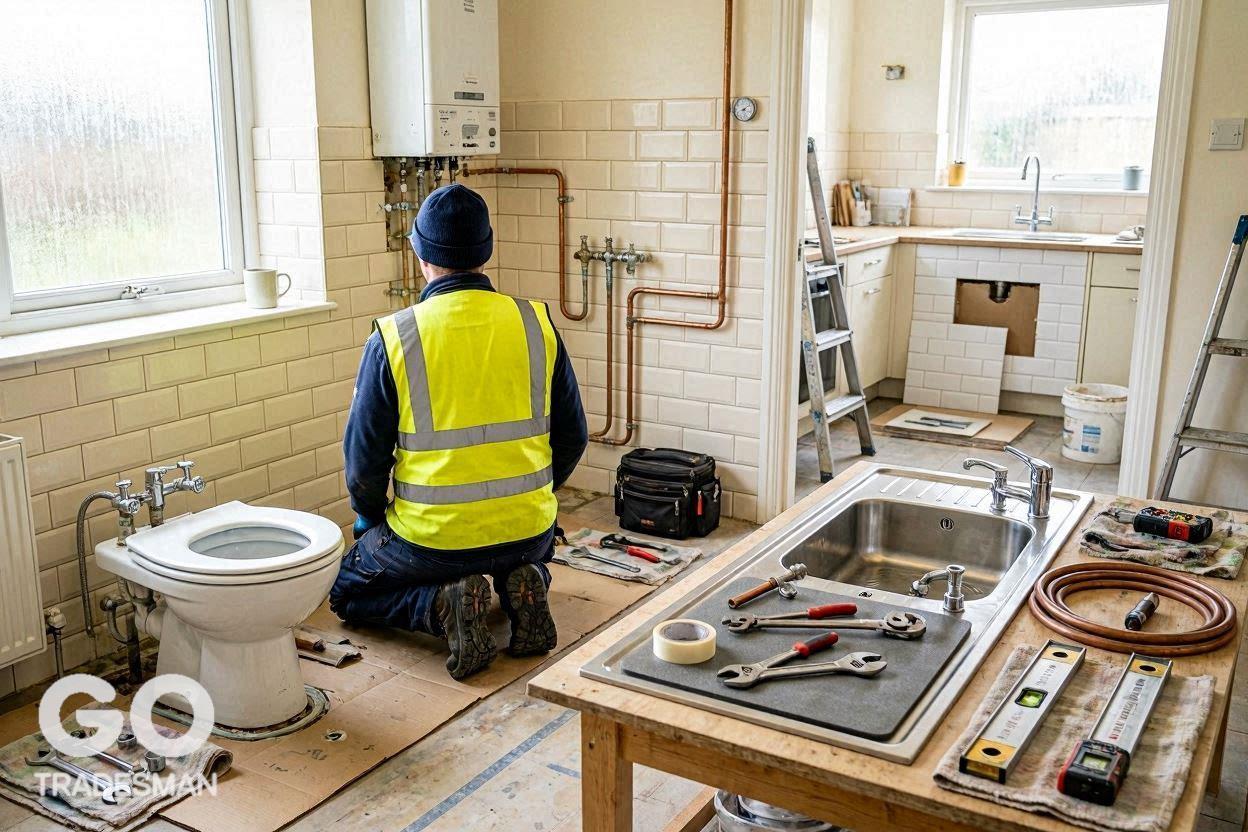
Professional Toilet Plumbing Services: A Comprehensive Guide to Repairs and Installations
Professional toilet plumbing services encompass the specialized repair, installation, and maintenance of bathroom fixtures and drainage systems. These services resolve issues ranging from stubborn clogs and persistent leaks to the inte...
Professional toilet plumbing services encompass the specialized repair, installation, and maintenance of bathroom fixtures and drainage systems. These services resolve issues ranging from stubborn clogs and persistent leaks to the integration of modern, high-efficiency flushing technology, ensuring sanitary waste disposal and protecting residential or commercial properties from water damage.
Contents
The Vital Role of Professional Toilet Plumbing Services
In 2026, the complexity of residential and commercial plumbing systems has evolved significantly. While many homeowners view the toilet as a simple mechanical fixture, it is actually a precisely engineered component of a building’s sanitary drainage system. Professional toilet plumbing services go beyond simply clearing a clog; they ensure that the entire system—from the supply line and shut-off valve to the closet flange and the sewer stack—operates in harmony.
Engaging a licensed plumber for toilet-related issues is essential for maintaining hygiene and structural integrity. A malfunctioning toilet is not just an inconvenience; it can be a source of microbial contamination and significant water waste. According to the EPA WaterSense program, older, inefficient toilets can waste thousands of gallons of water annually. Professionals ensure that modern fixtures are installed according to the latest International Plumbing Code (IPC) or Uniform Plumbing Code (UPC) standards, which governs everything from the required clearance space around the fixture to the specific venting requirements that prevent sewer gas from entering the living space.
Diagnostic Procedures and Troubleshooting
A key differentiator of professional service is the use of advanced diagnostic tools. When a toilet fails to flush properly or exhibits recurring issues, a technician does not merely guess the cause.
Technical Assessment and Tooling
Modern plumbing services utilize various diagnostic techniques:
- Video Camera Inspections: For recurring clogs, plumbers use waterproof cameras threaded through the toilet's trapway or the floor flange to inspect the lateral sewer lines. This identifies root intrusions, pipe collapses, or heavy scale buildup that a standard plunger cannot resolve.
- Acoustic Leak Detection: If a toilet is "phantom flushing" (running intermittently without being used), technicians use sensitive microphones to detect the sound of water escaping through the flush valve or a hairline crack in the porcelain.
- Dye Testing: A simple yet effective method where a non-toxic dye tablet is placed in the tank. If the color appears in the bowl without a flush, it confirms a faulty flapper or flush valve seal.
Identifying the Root Cause
Often, the problem is not the toilet itself but the environment in which it sits. A professional will check the static water pressure of the home. If the pressure exceeds 80 psi, it can damage the delicate internal components of the fill valve, leading to constant running and potential flooding. Conversely, low pressure may result in incomplete flushes, which eventually leads to chronic pipe blockages.
Common Repair Interventions
Toilet repairs are generally categorized by where the failure occurs: inside the tank, at the base, or within the drainage path.
Internal Tank Component Restoration
The internal mechanisms of a toilet—the fill valve, flush valve, flapper, and trip lever—are subject to constant wear and chemical degradation from water treatment additives like chlorine.
- Fill Valve Replacement: If a toilet is slow to fill or makes a high-pitched whistling sound, the fill valve (often a ballcock style in older models or a float cup in modern versions) likely requires replacement. Professionals typically install high-recovery valves that allow for faster refills and quieter operation.
- Flush Valve and Flapper Repair: The flapper is the rubber seal that lifts during a flush. Over time, it warps. If the seat of the flush valve is pitted or mineral-encrusted, even a new flapper will not create a watertight seal. A plumber will either sand the seat or replace the entire flush valve assembly, which requires removing the tank from the bowl.
Structural Leak Mitigation
Leaks at the base of the toilet are among the most serious issues addressed by plumbing services. These usually indicate a failure of the wax ring or the closet flange.
- Wax Ring Replacement: The wax ring creates a gas-tight and water-tight seal between the toilet and the waste pipe. If the toilet wobbles, the seal is likely broken, allowing sewer gases (hydrogen sulfide) and wastewater to seep into the subfloor.
- Flange Repair: The flange is the metal or plastic ring that bolts the toilet to the floor. If it is cracked or installed too low (common after a flooring renovation), a professional must install a flange extender or a repair ring to ensure the wax seal can make proper contact.
Professional Installation and Modernization
As of 2026, toilet installation has become more technical due to the rise of "smart" fixtures and ultra-high-efficiency (UHE) models.
Integration of Smart Technology
Many modern plumbing services now specialize in smart toilets that require both plumbing and electrical expertise. These units often feature:
- Integrated Bidets: Requiring a dedicated warm-water supply or an internal heating element.
- Auto-Flush Sensors: Utilizing infrared or motion technology to trigger the flush cycle.
- Heated Seats and Deodorizers: Which often necessitate a GFCI-protected electrical outlet within the bathroom.
Dual-Flush and High-Efficiency Upgrades
To meet increasingly stringent water conservation laws, many jurisdictions now require dual-flush toilets for new installations. These fixtures offer two flush volumes: a lower volume (typically 0.8 to 1.1 gallons) for liquid waste and a full flush (1.28 to 1.6 gallons) for solid waste. Correct installation is crucial here, as the internal pressures of these toilets are calibrated specifically to move waste effectively with less water.
2026 Service Cost Considerations
Pricing for toilet plumbing services is influenced by regional labor rates, the complexity of the fixture, and whether the service is scheduled or emergency-based.
| Service Type | Average Description | Estimated Cost (2026 USD) |
|---|---|---|
| Basic Unclogging | Clearing a standard blockage using a closet auger. | $150 – $275 |
| Internal Component Rebuild | Replacing fill valve, flapper, and handle. | $200 – $350 |
| Wax Ring & Flange Repair | Pulling the toilet, replacing the seal, and resetting. | $300 – $550 |
| Standard Toilet Installation | Labor for installing a customer-provided basic toilet. | $250 – $450 |
| Smart Toilet Installation | Labor for complex units requiring electrical/bidet lines. | $500 – $900 |
| Emergency After-Hours Call | Dispatch fee and initial diagnostic hour. | $300 – $600 |
Note: Costs vary by jurisdiction and the specific requirements of the local building codes.
Professional Maintenance and Longevity
To extend the lifespan of a toilet, professional plumbers recommend an annual inspection. This preventative service typically includes checking the shut-off valve for corrosion, testing the flush volume, and inspecting the supply line.
The supply line (the flexible hose connecting the wall valve to the toilet) is a frequent point of catastrophic failure. Professionals recommend replacing these every 5 to 7 years, specifically choosing stainless steel braided lines over rigid plastic, which is prone to stress-cracking. Furthermore, professional services can perform "descanting" on older fixtures in areas with hard water. Mineral deposits can clog the small "rim jets" inside the bowl, leading to a weak flush even if the tank components are working perfectly.
Safety and Compliance Standards
Safety is a primary reason to hire professional services. Plumbing involves risks that are often overlooked by the DIY enthusiast:
- Sewer Gas Exposure: A poorly sealed toilet can leak methane and hydrogen sulfide. These gases are not only foul-smelling but can be toxic and flammable in high concentrations.
- Backflow Prevention: Professionals ensure that there is a proper "air gap" or backflow prevention mechanism in place. This prevents toilet water from being siphoned back into the home's potable water supply during a pressure drop.
- Weight-Bearing and ADA Compliance: For commercial installations or homes with elderly residents, plumbers ensure that fixtures are installed at the correct "comfort height" as specified by the Americans with Disabilities Act (ADA) and are securely anchored to the wall or floor to prevent accidents.
Organizations such as the International Association of Plumbing and Mechanical Officials (IAPMO) set the benchmarks for these safety standards, which professional services must adhere to for licensing and insurance purposes.
Frequently Asked Questions
Why does my toilet keep running even after I replaced the flapper?
While the flapper is the most common culprit, a toilet may continue to run if the fill valve is set too high, allowing water to flow into the overflow tube. It could also be a result of a corroded flush valve seat or a leaking gasket between the tank and the bowl. A professional can diagnose the specific seal failure using dye tests.
Is it better to repair an old toilet or replace it entirely?
Generally, if the porcelain is cracked or the toilet is more than 20 years old, replacement is recommended. Older toilets use significantly more water (up to 3.5 or 5 gallons per flush) compared to modern 1.28-gallon models. The cost of multiple repairs often exceeds the price of a new, efficient unit that will reduce your monthly water bill.
Why do I hear a gurgling sound in the shower when I flush the toilet?
Gurgling sounds usually indicate a venting issue. Every plumbing fixture requires a vent pipe that exits through the roof to equalize pressure. If the vent is blocked (by a bird's nest or debris), the toilet will pull air through the nearest drain (the shower) to complete the flush. This is a technical issue that requires professional equipment to clear.
Can I use chemical drain cleaners to fix a toilet clog?
Professional plumbers strongly advise against using liquid drain cleaners in toilets. These chemicals generate heat and are highly corrosive; they can crack the porcelain of the toilet bowl or damage the PVC piping. Furthermore, they are often ineffective against the dense clogs (like wet wipes or paper towels) that typically stop up a toilet.
How do I know if my toilet flange is broken?
The most obvious sign is a toilet that rocks or shifts when you sit on it. You may also notice water seeping out from under the base or a persistent sewer smell in the bathroom. If the bolts (closet bolts) are loose but cannot be tightened because the floor ring is snapped, the flange is likely broken.
Practical Recommendation
If you encounter a toilet issue that involves water leaking outside the fixture, a foul odor that persists after cleaning, or a blockage that does not respond to a standard plunger, contact a licensed plumbing service immediately. Attempting to "snake" a toilet with the wrong equipment can permanently scratch the porcelain or push the blockage further into the main sewer line. For homeowners in 2026, maintaining a relationship with a local plumbing service for annual inspections is the most cost-effective way to prevent emergency flood damage and ensure the longevity of your bathroom fixtures.
Image Gallery