Analyzing the Workplace Injury Landscape in 2023
Examining the workplace injury landscape in 2023 reveals a complex interaction between evolving employment models, persistent occupational hazards, and shifting regulatory priorities. Public health agencies and labor departments tracke...
Examining the workplace injury landscape in 2023 reveals a complex interaction between evolving employment models, persistent occupational hazards, and shifting regulatory priorities. Public health agencies and labor departments tracked significant shifts in injury rates, chronic strain disorders, and systemic safety compliance across both traditional industrial sectors and emerging remote or hybrid environments.
Contents
Introduction to the 2023 Occupational Safety Environment
The workplace injury landscape in 2023 was shaped by a combination of returning structural norms and lasting operational adaptations stemming from the prior decade's labor disruptions. Organizations faced dual challenges: managing physical hazards in traditional environments like manufacturing, warehousing, and healthcare, while simultaneously addressing ergonomic and psychosocial risks in desk-based or hybrid settings.
Evaluating this landscape requires synthesizing data from official regulatory bodies, such as the Occupational Safety and Health Administration (OSHA) and the Bureau of Labor Statistics (BLS) in the United States, alongside international counterparts like the International Labour Organization (ILO). Understanding these trends helps safety professionals, legal advisors, and human resources managers identify emerging vulnerabilities and deploy targeted mitigation strategies.
Macro-Level Statistical Trends and Data Sources
To understand the macro-level trajectory of occupational safety in 2023, researchers rely on standardized data collection methods. The BLS Census of Fatal Occupational Injuries (CFOI) and the Survey of Occupational Injuries and Illnesses (SOII) serve as foundational metrics.
Fatalities and Non-Fatal Incidents
While exact aggregate figures vary by jurisdiction, 2023 data generally illustrated a stabilization in overall fatality rates compared to the volatility of the pandemic era, though certain sectors remained stubbornly high. Transportation incidents, slips, trips, and falls continued to represent the leading categories of severe and fatal trauma.
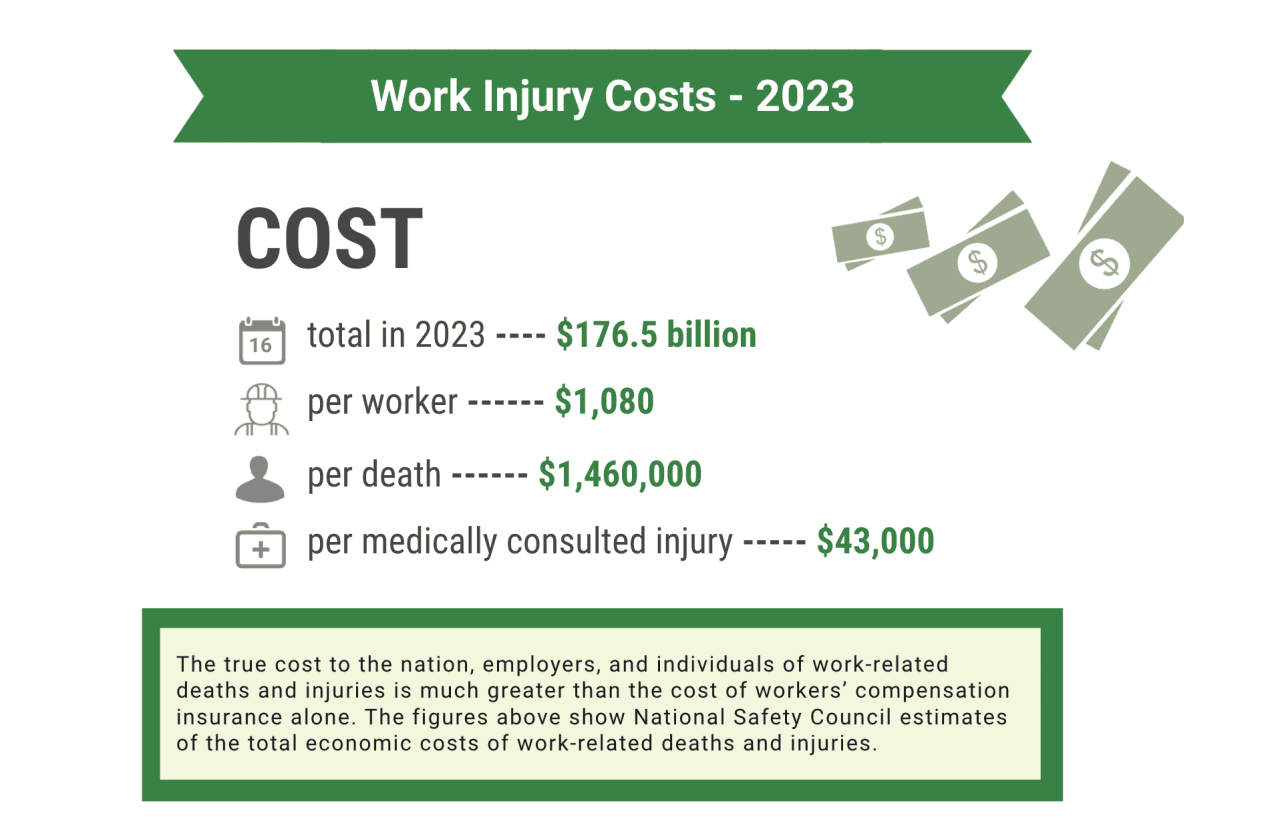
Non-fatal injuries, meanwhile, highlighted the ongoing prevalence of musculoskeletal disorders (MSDs) resulting from overexertion, repetitive motion, and awkward postures. These injuries not only caused significant worker discomfort and lost time but also imposed heavy economic burdens on employers through workers' compensation claims and lost productivity.
High-Risk Sectors
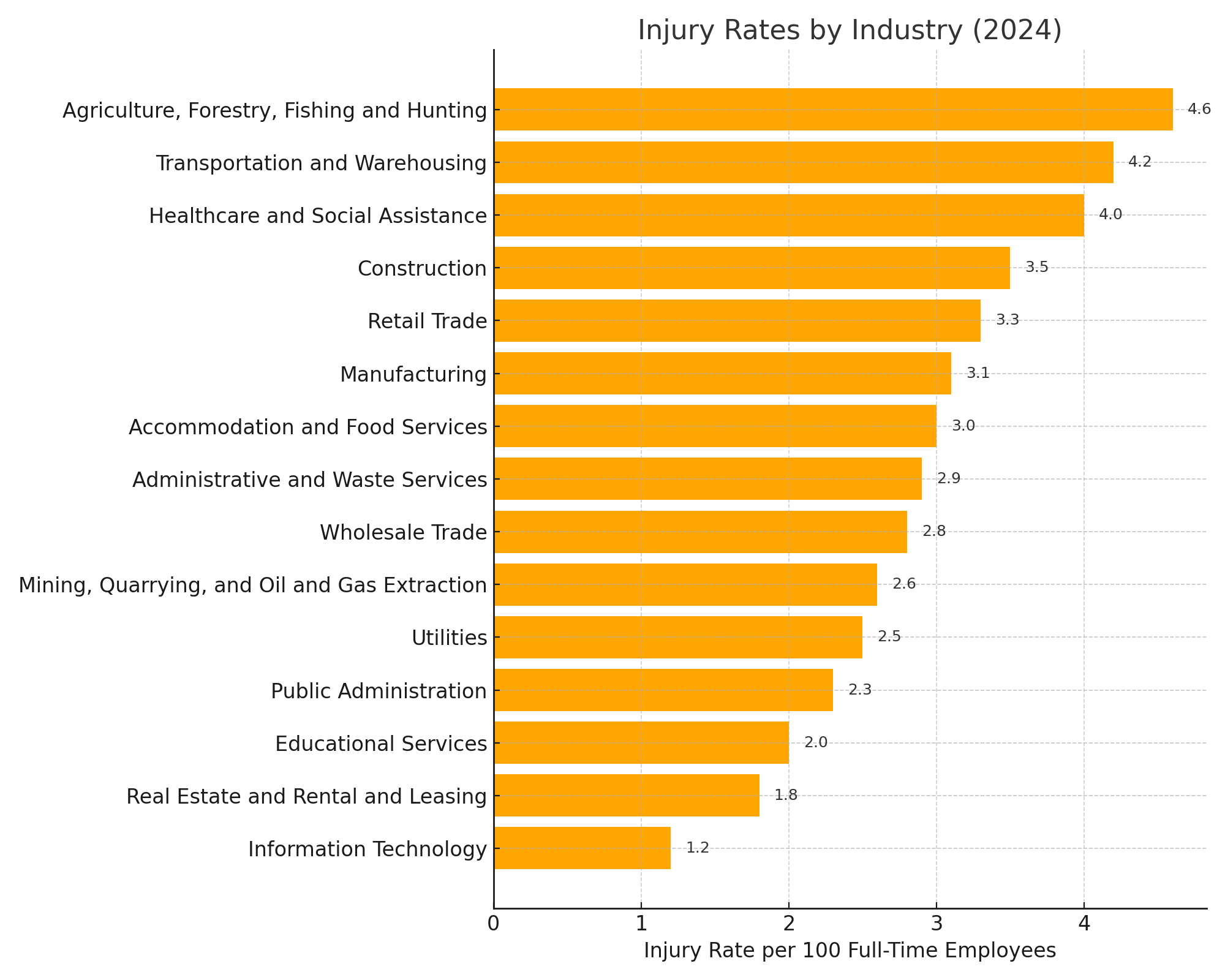
Certain industries historically record disproportionate numbers of workplace incidents. In 2023, these sectors maintained their standing due to inherent mechanical, biological, and environmental risks:
- Construction and Extraction: Characterized by heavy machinery operations, working at heights, and structural hazards.
- Transportation and Warehousing: Driven by high-pressure logistics demands, material handling, and vehicular transit risks.
- Healthcare and Social Assistance: Dominated by patient-handling strains, biological exposures, and escalating rates of workplace violence against staff.
- Manufacturing: Involving heavy equipment, assembly line repetitiveness, and chemical exposures.
Regulatory Focus and Compliance Shifts
Regulatory bodies in 2023 placed renewed emphasis on proactive safety management systems rather than purely reactive enforcement. This shift manifested in several key areas of compliance and standard-setting.
Electronic Recordkeeping and Enforcement Initiatives
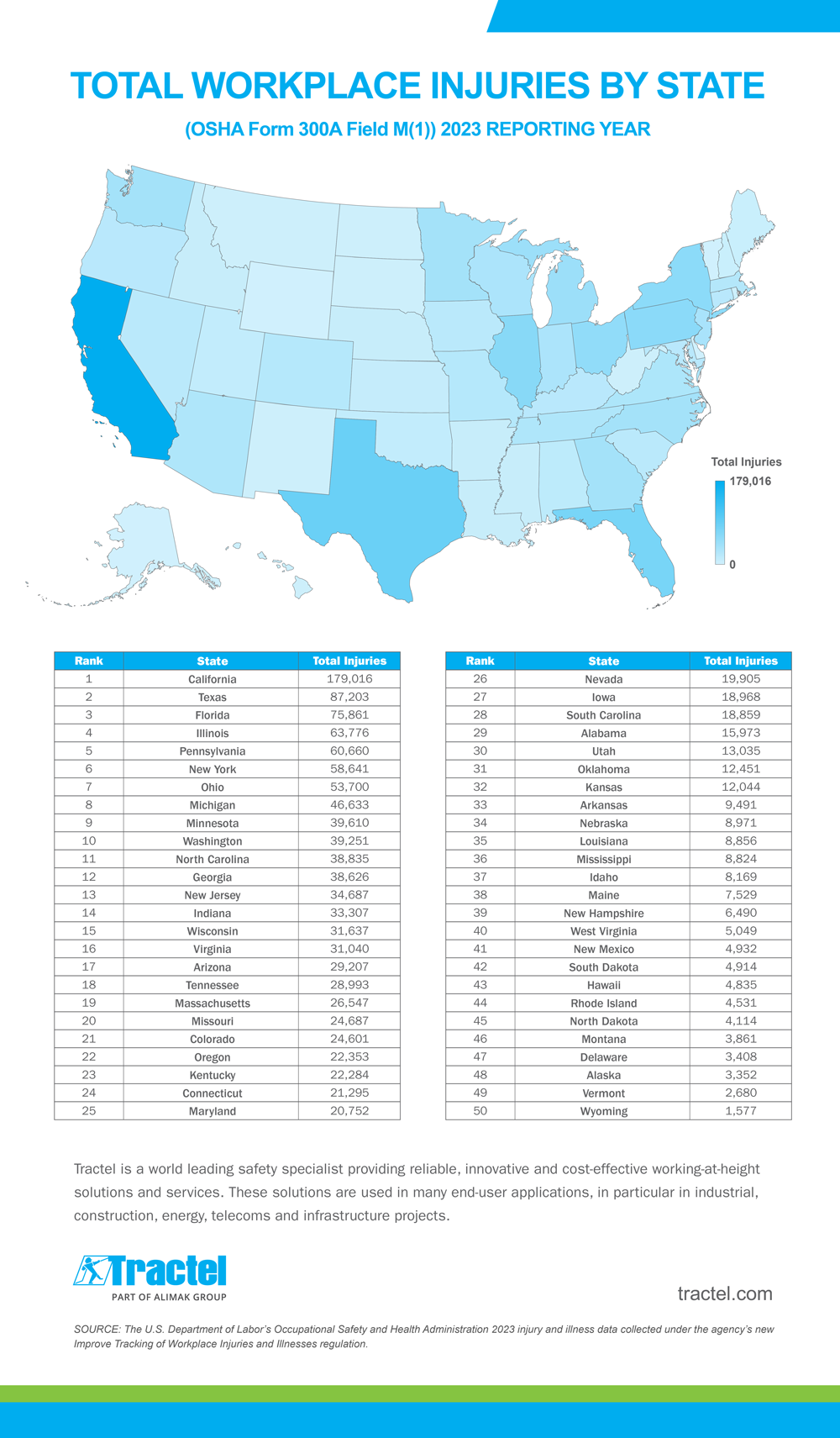
OSHA expanded requirements for electronic submission of injury and illness logs for designated high-hazard industries. This policy change aimed to leverage data transparency to encourage self-regulation and allow enforcement agencies to target high-risk facilities more effectively. Furthermore, national emphasis programs (NEPs) focused heavily on persistent hazards such as combustible dust, trenching and excavation, and ergonomic stressors in warehousing and distribution centers.
Psychological Safety and Mental Health
A notable evolution in the 2023 safety landscape was the formal integration of psychological health into broader occupational health and safety frameworks. Organizations increasingly recognized that burnout, chronic stress, and fatigue directly contribute to physical safety incidents by diminishing focus and reaction times. Guidance from labor organizations began addressing psychosocial hazards with the same seriousness historically reserved for physical hazards.
Comparative Overview of Workplace Risk Factors
To effectively allocate safety resources, organizations must evaluate the distinct characteristics, primary causes, and mitigation approaches associated with different categories of workplace incidents.
| Risk Category | Primary Causes | Affected Sectors | Primary Mitigation Strategy |
|---|---|---|---|
| Slips, Trips, and Falls | Wet floors, uneven surfaces, inadequate lighting, ladder misuse | All sectors, especially construction and retail | Housekeeping protocols, slip-resistant footwear, fall protection gear |
| Overexertion & MSDs | Lifting heavy loads, repetitive motions, awkward static postures | Warehousing, healthcare, manufacturing | Ergonomic workspace redesign, mechanical lifting aids, job rotation |
| Struck-By Incidents | Moving vehicles, falling objects, swinging equipment | Construction, warehousing, transportation | Traffic management plans, perimeter controls, personal protective equipment (PPE) |
| Psychosocial Stress | Excessive workloads, shift work, harassment, role ambiguity | Healthcare, corporate offices, customer service | Workload management, employee assistance programs (EAPs), mental health training |
Emerging Workplace Models and Associated Risks
The widespread adoption of hybrid and remote work models, which stabilized during this period, introduced unique challenges to the traditional definition of a workplace.
Ergonomics in Remote and Home Offices
While office-related injuries typically involved repetitive strain or acute slips in centralized buildings, the dispersion of the workforce to home environments shifted liability and prevention challenges. Many remote workers lacked properly adjusted ergonomic chairs, dual-monitor setups, or dedicated workspaces, leading to a rise in complaints regarding lower back pain, repetitive strain injuries (RSI) of the wrist, and eye strain. Employers faced complex compliance questions regarding their duty of care for employees operating outside traditional company premises.
Fatigue and Shift Work Management
In 24-hour industries such as healthcare, logistics, and manufacturing, fatigue management remained a critical operational hurdle. Extended shifts, inadequate rest periods, and erratic scheduling contributed to cognitive fatigue, increasing the likelihood of operational errors and safety incidents. Best practices in 2023 emphasized science-based scheduling software and fatigue risk management systems (FRMS) to monitor and limit continuous working hours.
Practical Steps for Injury Prevention and Mitigation
Organizations seeking to improve their safety posture in alignment with 2023 standards typically implemented structured, multi-tiered safety management systems.
- Hazard Identification and Job Safety Analysis (JSAs): Conduct systematic reviews of routine and non-routine tasks to identify physical, chemical, and ergonomic hazards before incidents occur.
- Hierarchy of Controls Implementation: Prioritize engineering controls (e.g., machine guards, automated lifting devices) and administrative controls (e.g., rest breaks, policy updates) over reliance on personal protective equipment alone.
- Comprehensive Safety Training: Ensure workers at all levels understand hazard recognition, reporting protocols, and the correct usage of safety equipment, delivered in languages accessible to the entire workforce.
- Near-Miss Reporting Culture: Establish non-punitive reporting mechanisms that encourage employees to flag unsafe conditions or near-miss events, allowing safety teams to correct vulnerabilities proactively.
- Post-Incident Investigation and Root Cause Analysis: When injuries do occur, utilize structured frameworks to determine systemic failures rather than assigning individual blame, ensuring corrective actions prevent recurrence.
Disclaimer: Occupational safety regulations and liability frameworks vary significantly by jurisdiction, industry, and organizational size. Employers and safety professionals should consult local labor authorities and legal counsel to ensure full compliance with applicable safety statutes.
Frequently Asked Questions
What were the leading causes of workplace injuries in 2023?
The leading causes consistently included overexertion and bodily reaction (primarily affecting the musculoskeletal system), slips, trips, and falls on the same level, and contact with objects and equipment. These categories accounted for the vast majority of non-fatal injury claims across both industrial and service sectors.
How did regulatory agencies change their enforcement strategies in 2023?
Regulatory bodies increasingly utilized data-driven targeting through electronic injury log submissions. They also deployed national emphasis programs focusing on high-risk sectors like warehousing, construction, and healthcare, emphasizing proactive hazard mitigation over purely punitive measures.
Are remote and hybrid workers covered under traditional workplace safety rules?
Coverage depends heavily on local jurisdiction and the specific terms of employment. While traditional workers' compensation laws apply to injuries sustained while performing work duties, establishing liability in home offices often involves complex determinations regarding whether the activity directly arose out of and in the course of employment.
What is a Job Safety Analysis (JSA) and why is it important?
A Job Safety Analysis is a procedure that reviews specific job methods to identify hazards before they occur. It focuses on the relationship between the worker, the task, the tools, and the work environment, serving as a foundational tool for proactive injury prevention.
How can small businesses improve workplace safety without a large budget?
Small businesses can leverage free resources provided by occupational safety agencies, conduct regular walkthrough inspections using standardized checklists, establish clear and simple incident-reporting channels, and prioritize low-cost administrative controls like housekeeping and basic ergonomic adjustments.
Image Gallery