Navigating the Procedures and Safety Protocols Following a Small Plane Crash in California
When a small plane crash occurs in California, the aftermath involves a strictly regulated chain of federal and state oversight designed to secure the scene, preserve evidence for investigation, and manage public safety. Immediate resp...
When a small plane crash occurs in California, the aftermath involves a strictly regulated chain of federal and state oversight designed to secure the scene, preserve evidence for investigation, and manage public safety. Immediate responses are spearheaded by local emergency services, while the National Transportation Safety Board (NTSB) maintains primary jurisdiction over the investigation of the incident to determine the probable cause and improve aviation safety.
Contents
The Role of Federal Jurisdictional Authorities
In the United States, aviation safety and accident investigation fall under the jurisdiction of the federal government. The NTSB is an independent federal agency charged by Congress with investigating every civil aviation accident in the U.S. and its territories. When a small plane—defined generally as aircraft under 12,500 pounds maximum certificated takeoff weight—crashes, the NTSB initiates a standardized process to identify the root cause, whether it be mechanical failure, human error, environmental factors, or a combination of these elements.
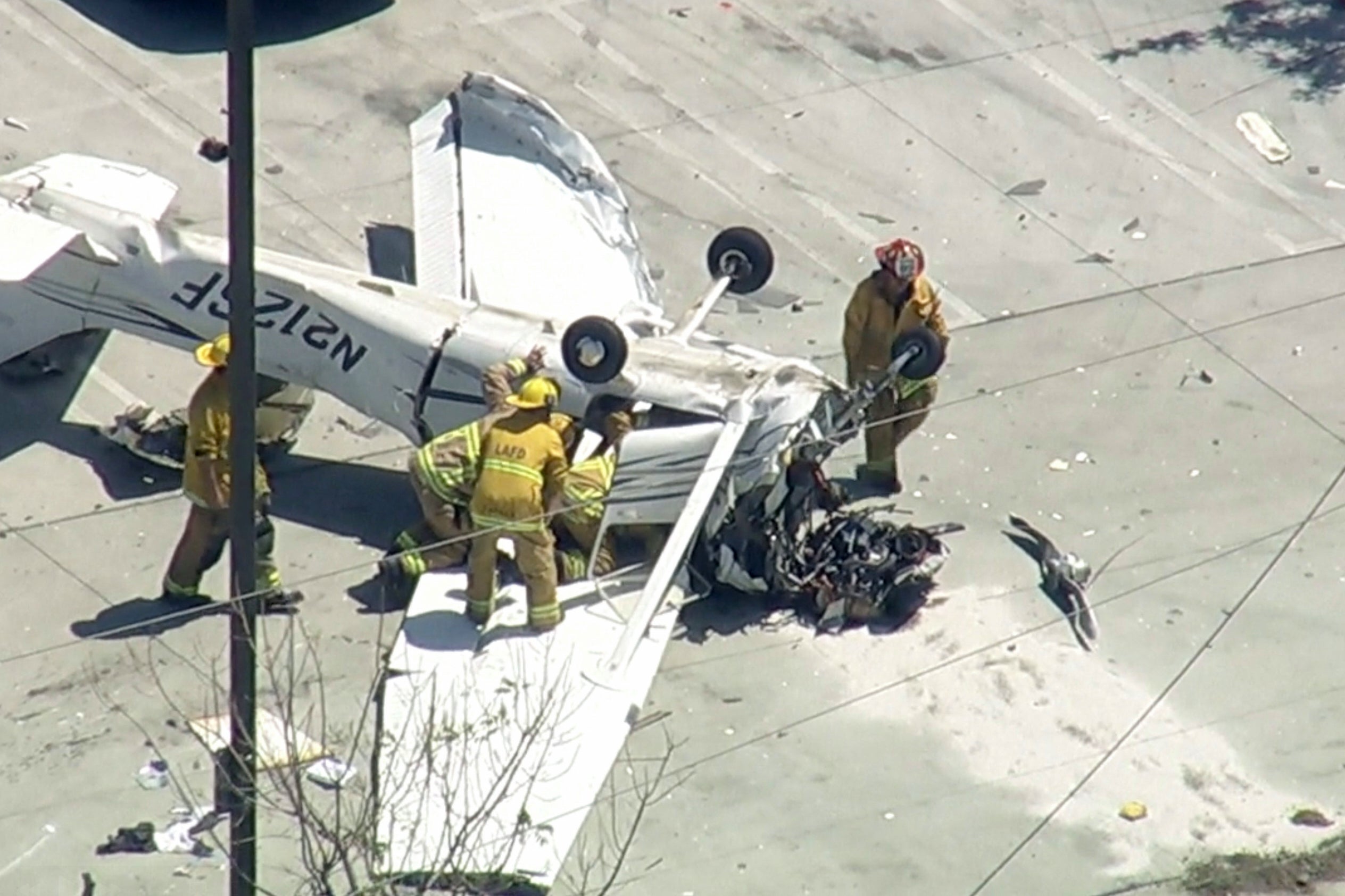
While the NTSB leads the investigation, the Federal Aviation Administration (FAA) also plays a critical role. The FAA provides vital support by acting as a technical advisor and ensuring that aircraft, pilot certification, and maintenance records meet federal standards. In California, regional FAA offices coordinate closely with local law enforcement, who are usually the first responders on the scene. Local police and fire departments are responsible for the immediate preservation of life and the security of the wreckage site, ensuring that no evidence is compromised until federal investigators arrive.
Immediate Post-Crash Procedures and Site Security
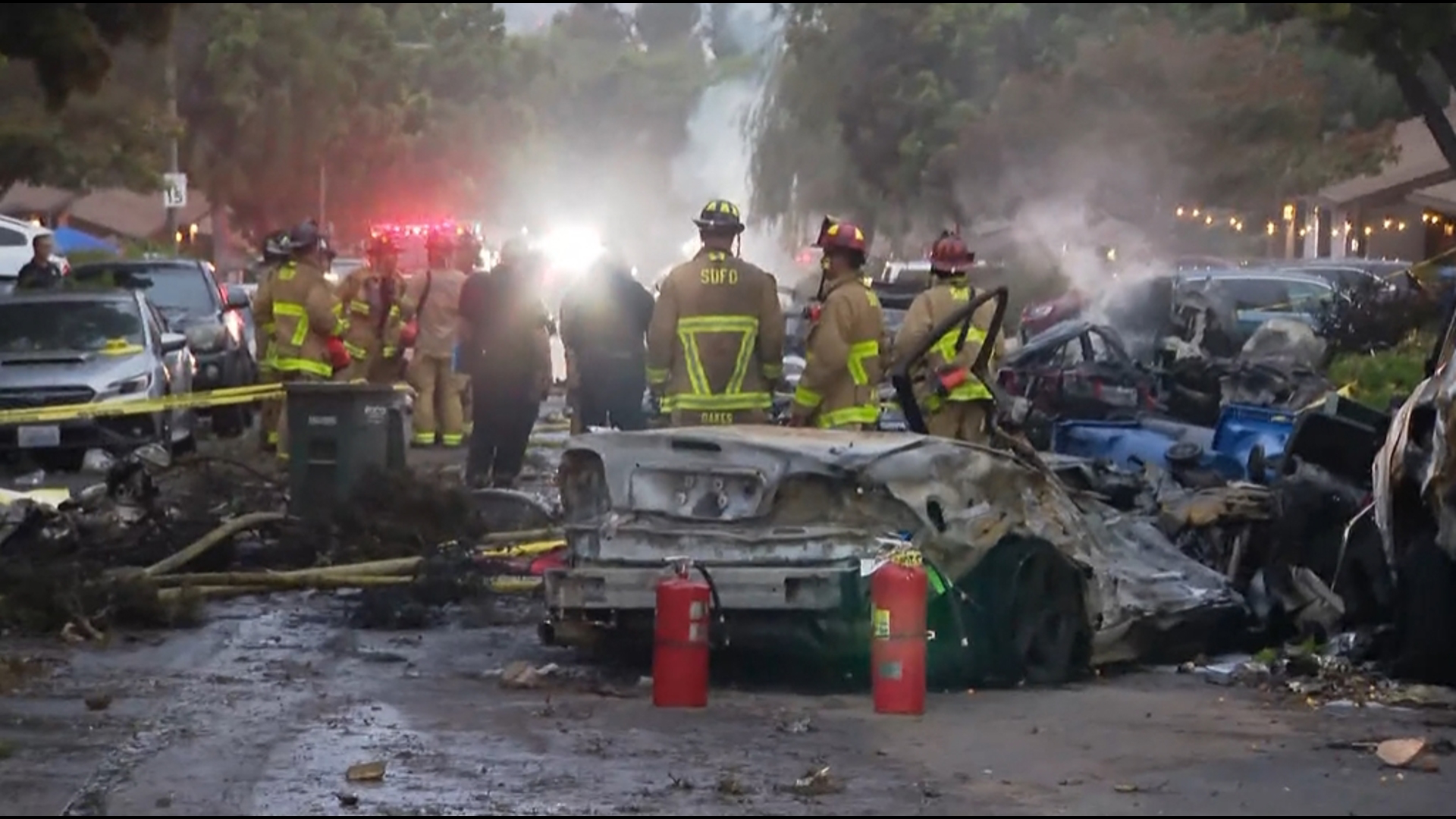
The immediate response to a small plane crash in California follows a hierarchical structure focused on crisis management and preservation. First responders—typically county sheriff deputies or local fire protection districts—prioritize medical triage and the suppression of post-crash fires. Because aviation fuel is highly volatile, the area around a crash site is treated as a hazardous materials zone until it can be stabilized.
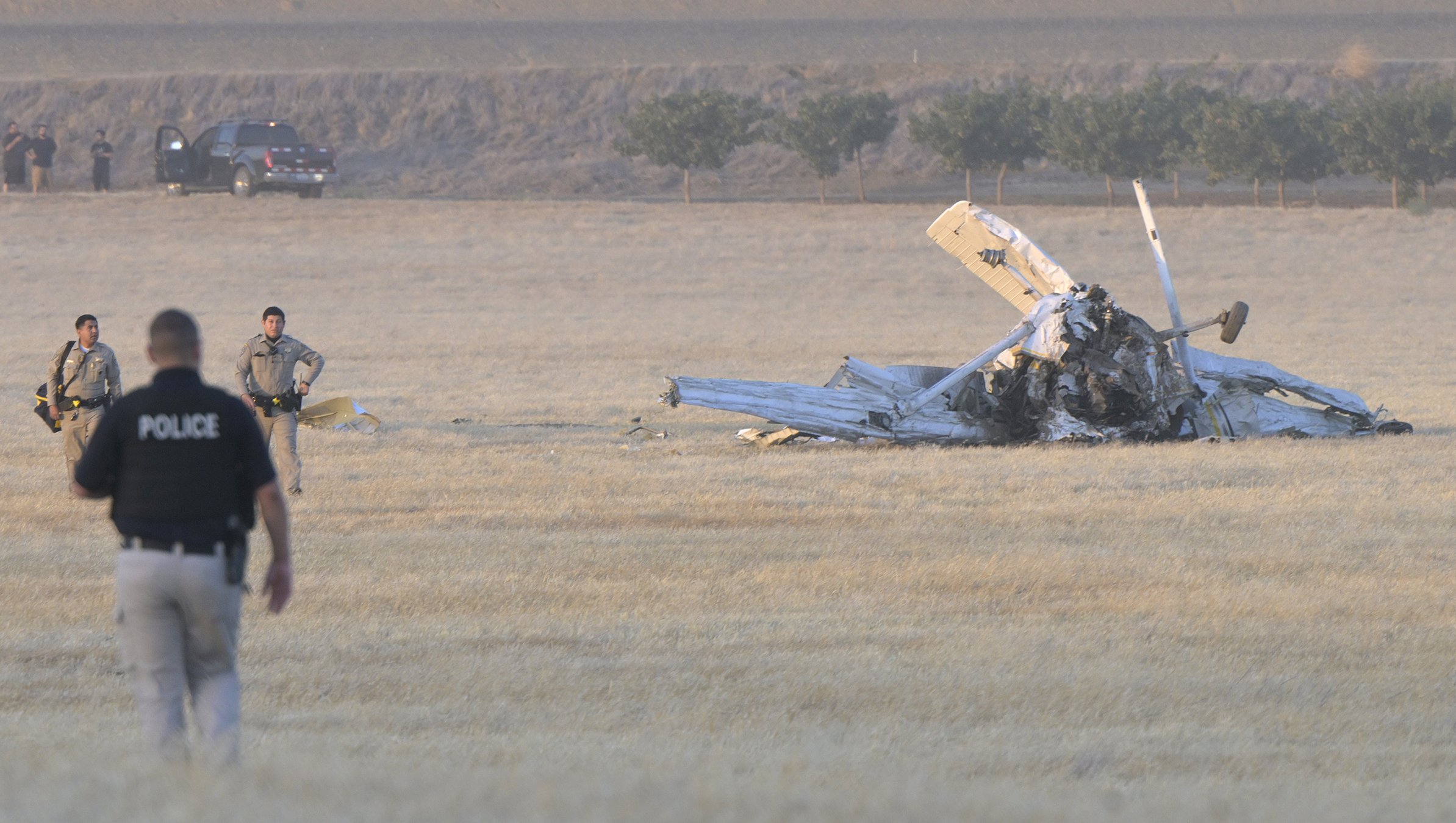
Once the immediate threat to life is mitigated, the preservation of the scene becomes the secondary priority. It is illegal to move or tamper with wreckage or parts of an aircraft, as this can destroy crucial forensic evidence. Under federal law, the wreckage of an aircraft involved in an accident is considered property of the investigation. Unauthorized individuals who interfere with a crash site may face state and federal legal repercussions. This remains the case even if the crash occurs on private property, such as farmland or remote mountainous regions, which are common settings for general aviation incidents in the California wilderness.
Understanding the NTSB Investigative Process
The NTSB process is comprehensive and structured. It begins with the deployment of a "Go Team" if the accident is significant, or the assignment of an Investigator-in-Charge (IIC) for smaller incidents. The IIC coordinates the collection of physical, documentary, and testimonial evidence. The investigation generally follows three distinct phases:
- On-Scene Investigation: Investigators document the wreckage, map the debris field, and collect data from onboard instruments or GPS devices. They also interview witnesses and survivors if possible.
- Analysis Phase: Experts evaluate the data collected on-site alongside maintenance records and pilot logs. They examine the performance of specific systems, such as engines, avionics, and flight controls.
- Probable Cause Determination: The NTSB issues a report that outlines the factors contributing to the crash. This report serves as a formal public record and is often used by insurance companies and legal entities to determine liability and coverage.
Common Factors in California Aviation Accidents
California’s geography presents unique challenges for general aviation pilots. Mountainous terrain, particularly in the Sierra Nevada and the coastal ranges, can create unpredictable wind shear and downdrafts. Furthermore, the marine layer along the California coast often results in sudden changes in visibility, leading to incidents involving Controlled Flight Into Terrain (CFIT) or spatial disorientation.
The following table summarizes common categories of investigation often explored in NTSB reports regarding general aviation:
| Investigation Category | Key Focus Areas | Typical Evidence Sources |
|---|---|---|
| Mechanical Failure | Engine performance, structural integrity | Maintenance logs, component teardowns |
| Pilot Factors | Training, medical history, experience | Pilot certification records, FAA database |
| Environmental Factors | Weather conditions, terrain, density altitude | Meteorological reports, satellite data |
| Air Traffic Control | Communication, vectoring, advisories | ATC audio recordings, radar data |
Legal and Insurance Considerations
Following a crash, parties involved must navigate complex liability and insurance frameworks. Aviation insurance policies in California are specialized; they are not typically governed by the same statutes as standard automotive liability policies. If an accident results in property damage or personal injury, the pilot’s or owner’s insurance policy becomes the primary vehicle for addressing claims.
Legal counsel specializing in aviation law is often sought to navigate the interplay between the NTSB’s probable cause findings and potential civil litigation. It is important to note that NTSB findings are used for safety and regulatory purposes, though they can be admissible in civil proceedings, subject to strict procedural rules. Survivors and families of victims are encouraged to maintain detailed records of all communication with the NTSB and their insurance carriers.
The Importance of Pilot Maintenance Records
Maintenance records are a cornerstone of the NTSB investigation. In California, all registered aircraft must undergo regular inspections as mandated by the FAA. Failure to maintain an aircraft according to these standards can be a significant factor in an accident investigation. These records include the airframe, engine, and propeller logs, which track everything from oil changes to major overhauls. During an investigation, missing or inconsistent maintenance records can lead to increased regulatory scrutiny, potentially impacting future insurance premiums or, in extreme cases, the revocation of pilot and aircraft certification.
Frequently Asked Questions
1. Who do I contact if I witness a small plane crash? Immediately dial 911. Local emergency services are the primary point of contact and will notify the FAA and NTSB through the appropriate internal channels. Do not approach the wreckage unless it is to provide life-saving medical assistance to survivors, and be aware of potential fire or chemical hazards.
2. How long does the NTSB take to release a report on a plane crash? A preliminary report is usually issued within a few weeks of the accident. However, the final report, which includes the official "Probable Cause" determination, can take anywhere from 12 to 24 months depending on the complexity of the incident and the need for specialized engineering analysis.
3. Is it possible to sue the manufacturer after a plane crash in California? Yes, product liability is a component of aviation law. If an investigation reveals a mechanical defect or a flaw in design that directly contributed to the crash, the manufacturer may be held liable. This is a complex legal area that requires expert witness testimony and detailed analysis of the wreckage.
4. Where can I find official records of a specific aviation accident? The NTSB maintains a publicly searchable database called the Aviation Accident Database. You can search by date, state (California), and aircraft type to view historical accident records and final reports.
5. What is the impact of weather on general aviation accidents in California? Weather is a leading factor in California aviation incidents. Due to the state's diverse geography, pilots often face "density altitude" issues in the high desert and mountain regions, where thin air reduces engine performance and wing lift, sometimes making successful takeoffs or climbs difficult.
Next Steps and Recommendations
If you are involved in or are a witness to a small plane crash in California, your first obligation is to prioritize human safety and cooperate fully with first responders. Do not attempt to recover personal items or aircraft parts from the scene. If you are a pilot or aircraft owner, ensure that your logbooks are kept in a secure, fireproof location, as these will be essential for both regulatory compliance and any necessary insurance verification. Always consult with a qualified aviation attorney if you are facing potential liability or attempting to navigate the claims process after an aviation incident.
Image Gallery