Navigating Frozen Meals Healthy Choices: The 2026 Nutritional Blueprint
Finding genuinely healthy frozen meals in 2026 requires looking past clever front-of-package marketing to decode nutrition facts labels, sodium levels, and ingredient decks. While convenience foods often carry a reputation for being he...
Finding genuinely healthy frozen meals in 2026 requires looking past clever front-of-package marketing to decode nutrition facts labels, sodium levels, and ingredient decks. While convenience foods often carry a reputation for being heavily processed and laden with preservatives, modern freezer aisles feature nutrient-dense, minimally processed options that align with strict dietary standards.
Contents
Understanding the Evolution of Frozen Convenience Nutrition
The perception of frozen food has undergone a significant transformation. Advanced freezing technologies, such as individual quick freezing (IQF) and flash-freezing, allow manufacturers to preserve the vitamin and mineral content of whole foods at their peak ripeness without relying on chemical preservatives.
When evaluating whether a frozen meal qualifies as healthy, the assessment must extend beyond calorie counts. True nutritional quality relies on macro-nutrient balance, whole-food ingredient integrity, and strict sodium management. Modern dietary guidelines emphasize the importance of fiber density, lean protein sources, and healthy fats while minimizing ultra-processed additives.
The Science of Flash-Freezing vs. Fresh Produce
Fresh produce often travels thousands of miles and sits in distribution centers or grocery store shelves for days or weeks, during which light, heat, and oxygen degrade sensitive micronutrients like Vitamin C and folate. Conversely, industrial flash-freezing locks in nutritional profiles within hours of harvest.
- Vitamin Retention: Flash-freezing preserves nearly 100% of the natural vitamin content present at the time of freezing.
- Enzyme Deactivation: Vegetables are typically blanched briefly before freezing, which halts enzymatic degradation that causes nutrient loss and spoilage.
- Preservative Independence: Because low temperatures naturally inhibit microbial growth, quality frozen meals do not require chemical preservatives to maintain food safety.
Critical Nutritional Benchmarks for Healthy Frozen Meals
Navigating the freezer aisle demands rigorous scrutiny of the nutrition facts panel. Marketing terms like "natural," "wholesome," or "diet" hold no standardized regulatory definition, making the hard data on the back of the package the only reliable metric.
The following benchmarks establish what constitutes a genuinely healthy frozen meal according to established clinical nutrition standards:
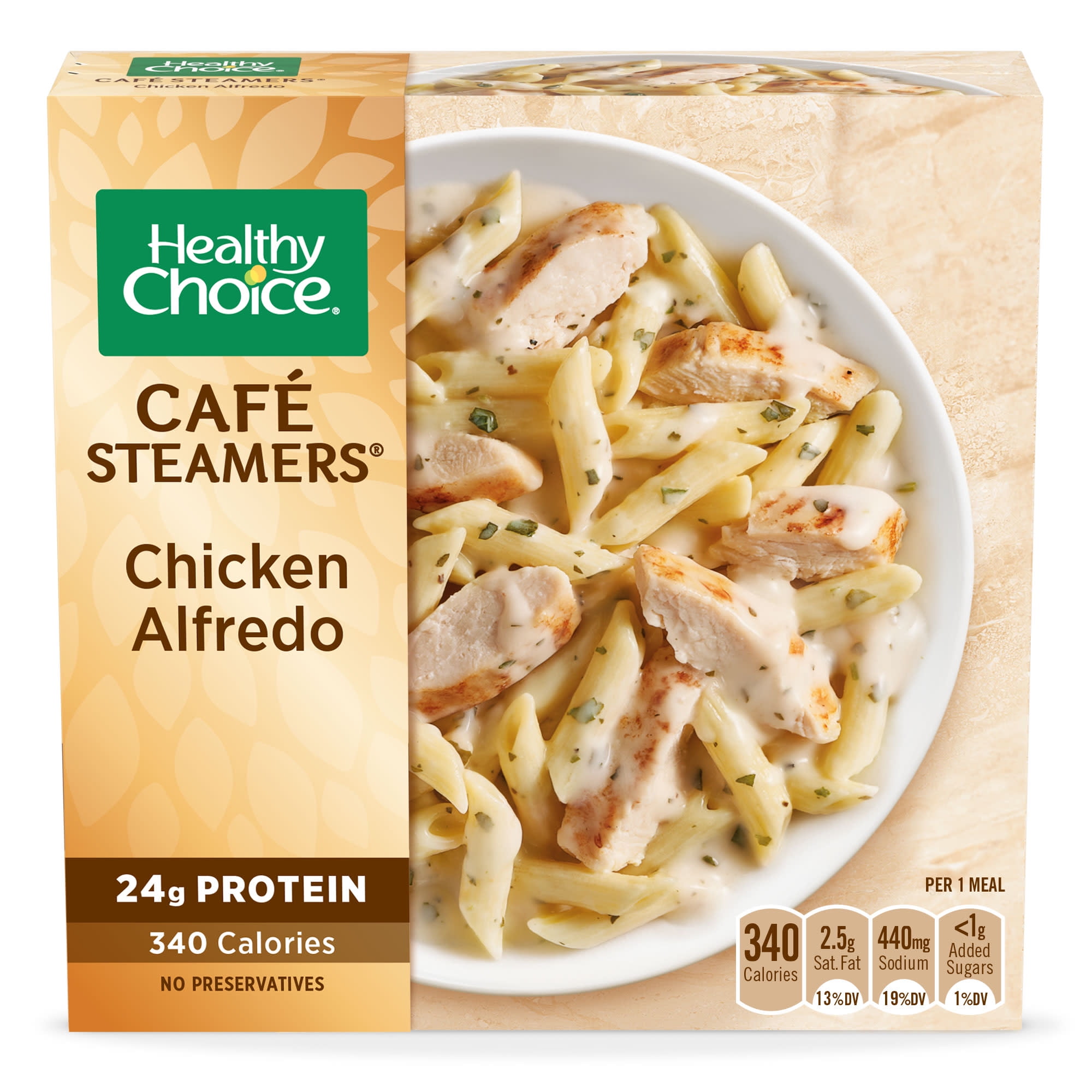
- Sodium Content: Look for meals containing less than 600 milligrams of sodium per serving, with an ideal target under 500 milligrams to support cardiovascular health.
- Protein Quality: Aim for a minimum of 15 to 25 grams of complete protein derived from poultry, fish, lean beef, legumes, or authentic dairy to ensure satiety.
- Fiber Density: Seek out at least 4 to 6 grams of dietary fiber sourced from vegetables, whole grains, beans, or lentils to support metabolic health and glycemic control.
- Caloric Range: Standard single-serve meals should generally fall between 350 and 500 calories, adjusted for individual basal metabolic rate (BMR) and activity levels.
- Saturated Fats: Limit saturated fats to less than 3 to 4 grams per meal, avoiding hydrogenated oils and excessive tropical oils.
Decoding Ingredient Lists and Processing Levels
The ingredient deck remains the most transparent indicator of a meal's healthfulness. Ingredients are listed in descending order by weight, meaning the first three items comprise the vast majority of the product.
| Processing Category | Characteristics | Impact on Health | Examples in Freezer Aisle |
|---|---|---|---|
| Minimally Processed | Whole foods altered only by washing, chopping, or freezing. | High nutritional value; retains fiber and micronutrients. | Plain flash-frozen broccoli, wild-caught salmon fillets, single-ingredient edamame. |
| Culinary Ingredients | Oils, butter, and simple seasonings used to prepare whole foods. | Moderate; safe in controlled portions, though watch for excess fats. | Olive-oil roasted sweet potato cubes, vegetable blends with light seasoning. |
| Ultra-Processed | Formulated from industrial substances with added isolates, emulsifiers, and artificial flavors. | Low; often linked to inflammation, metabolic disruption, and overeating. | Multi-ingredient dinners loaded with sodium tripolyphosphate, modified corn starch, and artificial colorings. |
Comparing Commercial Frozen Meal Categories
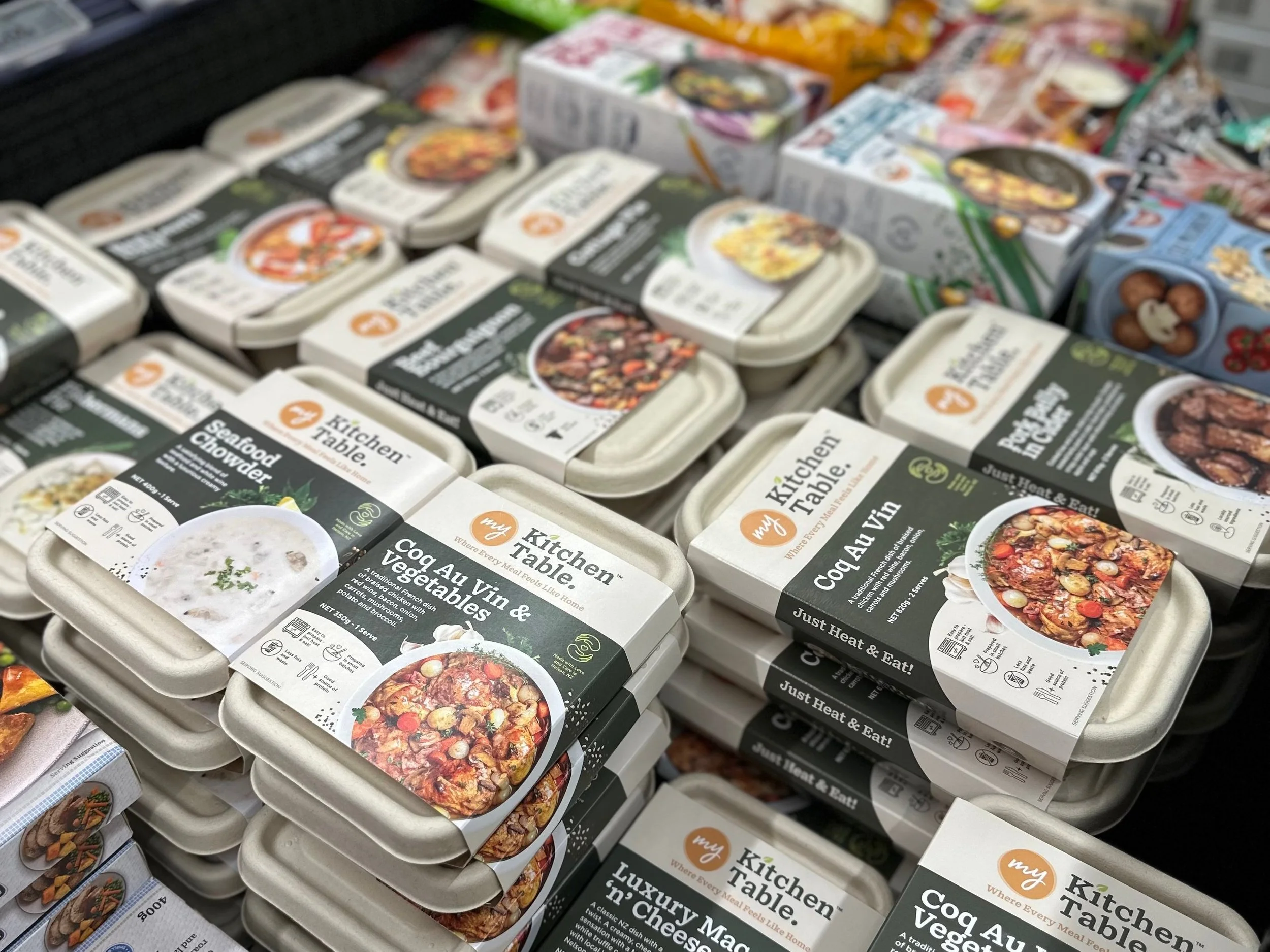
Not all frozen meal options are created equal. The market generally splits into traditional diet brands, premium clean-label meals, and bulk meal-prep style options.
| Meal Category | Average Sodium | Average Fiber | Protein Quality | Primary Advantage | Primary Drawback |
|---|---|---|---|---|---|
| Traditional Diet Brands | 700mg - 900mg | 2g - 3g | Low to Moderate | Inexpensive, widely available, strict calorie control. | Excess sodium, highly refined carbohydrates, artificial additives. |
| Plant-Based & Vegan | 400mg - 600mg | 6g - 10g | Moderate (Plant-derived) | High fiber, rich in antioxidants and phytonutrients. | May lack complete amino acid profiles unless properly combined; variable fat content. |
| Clean-Label & Paleo | 350mg - 550mg | 4g - 8g | High (Lean meats/fish) | Whole-food ingredients, grain-free, transparent sourcing. | Higher retail price point; smaller portion sizes relative to calories. |
| Custom Meal Delivery | 300mg - 500mg | 5g - 9g | High | Tailored macro profiles, chef-crafted recipes, fresh-frozen quality. | Requires subscription or bulk freezer storage capacity. |
Step-by-Step Guide to Selecting and Upgrading Frozen Meals
Even when purchasing the highest quality frozen meal available, simple culinary adjustments can transform a standard convenience dish into a nutritionally complete, satiating feast.
- Audit the Label: Scan the sodium-to-calorie ratio. Ensure sodium does not exceed calories (e.g., a 400-calorie meal should ideally stay well below 500mg of sodium).
- Inspect the Additives: Reject items featuring hydrogenated oils, high fructose corn syrup, and excessive synthetic stabilizers.
- Assess the Carb Source: Prioritize quinoa, brown rice, sweet potatoes, or cauliflower mash over refined white flour pasta or processed white rice.
- Boost the Volume: Add a side of fresh microgreens, steamed spinach, or leftover roasted vegetables to increase volume, fiber, and micronutrient density.
- Enhance Protein and Healthy Fats: If the meal is light on protein, stir in hemp hearts, pumpkin seeds, or a dollop of Greek yogurt or tahini-based dressing for healthy fats.
Pros and Cons of Relying on Frozen Meals
Balancing convenience with nutritional integrity requires an honest appraisal of the advantages and limitations inherent in prepared frozen foods.
Advantages
- Portion Control: Pre-portioned trays eliminate the temptation of overeating, making caloric budgeting straightforward for weight management.
- Reduced Food Waste: Because frozen meals have an extended shelf life, they minimize the spoilage and waste common with fresh perishable groceries.
- Time Efficiency: Ready in minutes, they provide a reliable safety net that prevents impulse ordering of fast food during busy schedules.
Disadvantages
- Sodium Overload: Many mass-market options use salt as a cheap flavor enhancer to compensate for the degradation of food quality during prolonged storage.
- Texture Degradation: Freezing water expands cell walls, which can result in a mushy texture in certain vegetables and grains upon reheating.
- Economic Cost: Premium clean-label frozen meals carry a significantly higher cost per serving compared to cooking raw ingredients from scratch.
Frequently Asked Questions
Are frozen meals as nutritious as fresh meals?
Flash-frozen meals can be just as nutritious—and sometimes more nutritious—than fresh meals that have sat in transit or on store shelves for days. Because freezing locks in nutrients at the peak of freshness, vitamin retention remains remarkably high.
How can I reduce the sodium content in a frozen meal?
You can naturally dilute the sodium impact by serving the meal alongside an unseasoned vegetable side, such as steamed broccoli or a fresh green salad, and drinking adequate water throughout the meal.
Are microwave-safe frozen meal containers safe to heat?
Most modern paperboard and crystallized polyethylene terephthalate (CPET) trays are regulated for microwave safety. However, transferring the meal to a glass or ceramic dish prior to heating eliminates any risk of chemical migration from plastic containers.
Can frozen meals support a weight loss plan?
Yes, pre-portioned frozen meals simplify calorie tracking and portion control. Success depends on selecting options that prioritize lean proteins and fiber over simple carbohydrates and heavy sauces.
What should I look for in a plant-based frozen meal?
Check the protein and fiber contents to ensure the meal provides lasting satiety. Look for whole food bases like lentils, chickpeas, beans, and quinoa rather than heavily processed soy protein isolates.
Optimizing Your Freezer Strategy
Integrating frozen meals into a balanced lifestyle offers a practical solution for maintaining nutritional consistency amidst demanding schedules. By prioritizing clean ingredient decks, monitoring sodium metrics, and supplementing with fresh whole foods, convenience no longer has to come at the expense of long-term health. Stocking a curated selection of high-quality frozen options ensures healthy eating remains accessible on even the busiest days.
Image Gallery