Why Emma Chamberlain’s Paris Fashion Week 2019 Moment Stood Out
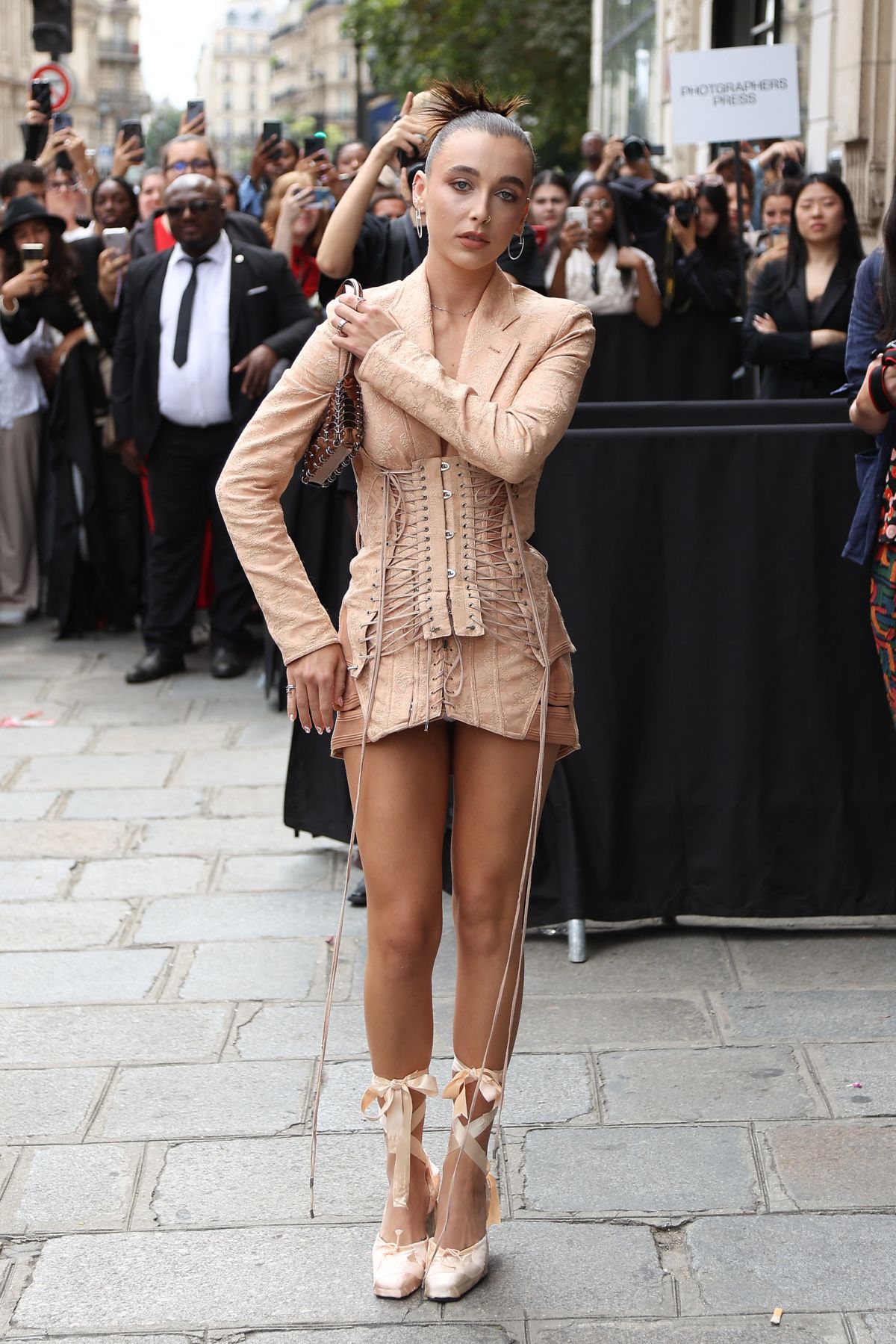
Emma Chamberlain’s attendance at Paris Fashion Week in 2019 represented a significant cultural bridge between the traditional, exclusionary world of high fashion and the rapidly rising, accessible influence of digital content creators....
Emma Chamberlain’s attendance at Paris Fashion Week in 2019 represented a significant cultural bridge between the traditional, exclusionary world of high fashion and the rapidly rising, accessible influence of digital content creators. Her appearance marked a turning point where luxury brands began to recognize that the engagement metrics and authentic connection fostered by YouTube vloggers were just as valuable—if not more so—than the traditional prestige of print media editors and long-standing celebrities.
Contents
To understand why this specific moment resonated so deeply, one must look at the convergence of three factors: the shift in fashion industry marketing, the unique persona of the “relatable” creator, and the subsequent democratization of luxury consumption.
The Landscape of Fashion Prior to 2019
For decades, Paris Fashion Week (PFW) was the exclusive domain of industry insiders. The front row was reserved for high-profile magazine editors, professional buyers, and A-list Hollywood talent represented by high-powered publicists. The coverage of these events was filtered through the lens of established publications, which offered a polished, curated, and often distant view of runway trends.
By 2019, however, the influence of these traditional gatekeepers was waning. The rise of social media platforms, specifically Instagram and YouTube, had begun to create a new tier of celebrities—individuals whose fame was built not on film credits or modeling contracts, but on daily digital interaction with their audiences. When Emma Chamberlain attended PFW, the industry was already in a state of flux, struggling to translate its heritage-based value proposition into a language that younger generations, who favored authenticity over aspiration, could understand.
The "Emma Chamberlain Effect" and Relatability
Emma Chamberlain’s appeal was fundamentally different from that of traditional fashion ambassadors. Her content—characterized by candid editing styles, self-deprecating humor, and a focus on mundane, daily experiences—fostered a parasocial relationship with millions of subscribers.
When she attended fashion shows in 2019, she did not adopt the stiff, formal veneer often required of celebrity guests. Instead, she documented the experience through her own lens: confused by the customs, impressed by the grandeur, and perpetually surprised by her own presence in such elite spaces. This "fish-out-of-water" narrative was not only authentic but incredibly effective at breaking down the perceived elitism of luxury houses. By documenting her journey—from hotel room preparations to the chaotic reality of street-style photographers—she made the high-fashion world seem accessible to her audience.
The Strategic Value for Luxury Brands
Brands that invited Chamberlain recognized that they were not just paying for a seat at a show; they were paying for access to a highly engaged demographic that was largely immune to traditional advertising. The "Emma Chamberlain moment" highlighted several strategic benefits for luxury houses:
- Direct Audience Engagement: Unlike a magazine spread that might be seen by a general audience, a video featuring Chamberlain reached a specific, loyal demographic that identified with her aesthetic and lifestyle.
- Authenticity as Currency: By allowing creators to film behind-the-scenes content, brands gained a level of humanization that traditional PR could not replicate.
- Influencer ROI: The conversion of views and likes into actual interest in luxury goods became easier to track than the intangible "brand awareness" promised by traditional editorial coverage.
Key Differences: Traditional Coverage vs. Creator-Led Coverage
| Feature | Traditional Media Coverage | Creator-Led (e.g., Emma Chamberlain) |
|---|---|---|
| Tone | Polished, professional, editorial | Candid, casual, narrative-driven |
| Perspective | The brand’s vision of the collection | The individual’s personal experience |
| Audience | Broad, demographic-targeted | Highly engaged, community-centered |
| Format | Photography, formal interviews | Vlogging, social media documentation |
| Industry Status | Gatekeepers of taste | Mediators of culture |
Challenges and Critical Reception
The inclusion of social media stars at events as prestigious as PFW was not without its detractors. Critics in the fashion industry argued that the presence of digital creators diluted the exclusivity of the shows. There were concerns that the focus had shifted from the artistry of the collections to the "clout" and social media reach of the attendees.
However, 2019 proved that the industry could not retreat into total exclusivity. The economic reality necessitated a pivot toward digital-first audiences. While some established fashion journalists viewed the change with skepticism, others recognized that Chamberlain and her peers were acting as the new curators of style, determining what was "cool" for the next generation of consumers.
Establishing the New Normal
Following the 2019 season, the presence of creators at fashion week became a standard operational procedure rather than an anomaly. Brands began to structure their invitations around the digital footprints of their guests. The "moment" that Chamberlain solidified was the transition of the influencer from an outsider peering through the fence to a central participant in the brand’s ecosystem.
This shift also forced brands to become more transparent and visually optimized for mobile consumption. If a runway look did not translate well through a smartphone camera for a vlog or an Instagram story, it risked being ignored by the most influential audience members.
Frequently Asked Questions
Why was Emma Chamberlain’s presence at PFW 2019 considered a turning point? It marked the moment where legacy luxury brands fully embraced YouTube-native creators as legitimate ambassadors, prioritizing personal brand influence over traditional editorial status.
Did other creators attend PFW before 2019? While some influencers and fashion bloggers attended earlier, the scale of Chamberlain’s influence and her specific brand of "relatable" vlogging transformed how high-fashion houses utilized the front row for direct-to-consumer engagement.
How did this change luxury marketing strategies? Brands moved away from purely aspiration-based marketing toward a "participatory" model, where the consumer feels as though they are experiencing the brand alongside the creator.
What was the primary criticism of this shift? Traditionalists argued that it reduced the prestige and "exclusivity" of the events, turning runway shows into social media spectacle rather than artistic showcases.
How can brands verify the value of such partnerships today? Brands currently utilize advanced analytics tracking engagement rates, sentiment analysis, and direct attribution tracking to measure the ROI of partnerships with creators compared to traditional media spend.
The Next Step for Influencer Integration
For those interested in the ongoing evolution of fashion marketing, the current landscape in 2026 suggests that the focus has shifted from mere "presence" to "long-term storytelling." Creators are no longer just invited to sit in the front row; they are increasingly involved in brand design processes, creative direction for digital campaigns, and the development of immersive retail experiences. To understand the future of this space, one should monitor the collaboration between legacy houses and the latest wave of content creators who prioritize aesthetic cohesion and community building over viral trends. The moment in 2019 was the beginning of an era where influence is determined by the depth of a connection, not just the breadth of an audience.
Image Gallery