How to Choose the Best Geothermal Company Near You: A Complete Hiring & Installation Guide
To find a qualified geothermal company near you, search for licensed HVAC contractors certified by the International Ground Source Heat Pump Association (IGSHPA). A reliable installer conducts a thorough Manual J load calculation, asse...
To find a qualified geothermal company near you, search for licensed HVAC contractors certified by the International Ground Source Heat Pump Association (IGSHPA). A reliable installer conducts a thorough Manual J load calculation, assesses site geology, designs custom ground loops, and provides transparent pricing that accounts for local rebates and federal tax incentives.
Contents
Understanding Geothermal Heating and Cooling Systems
Ground-source heat pump (GSHP) systems—commonly called geothermal systems—harness the relatively constant temperature of the earth a few feet below the surface to heat and cool buildings. While ambient air temperatures fluctuate dramatically throughout the year, sub-surface ground temperatures remain stable between 45°F and 70°F across most regions.
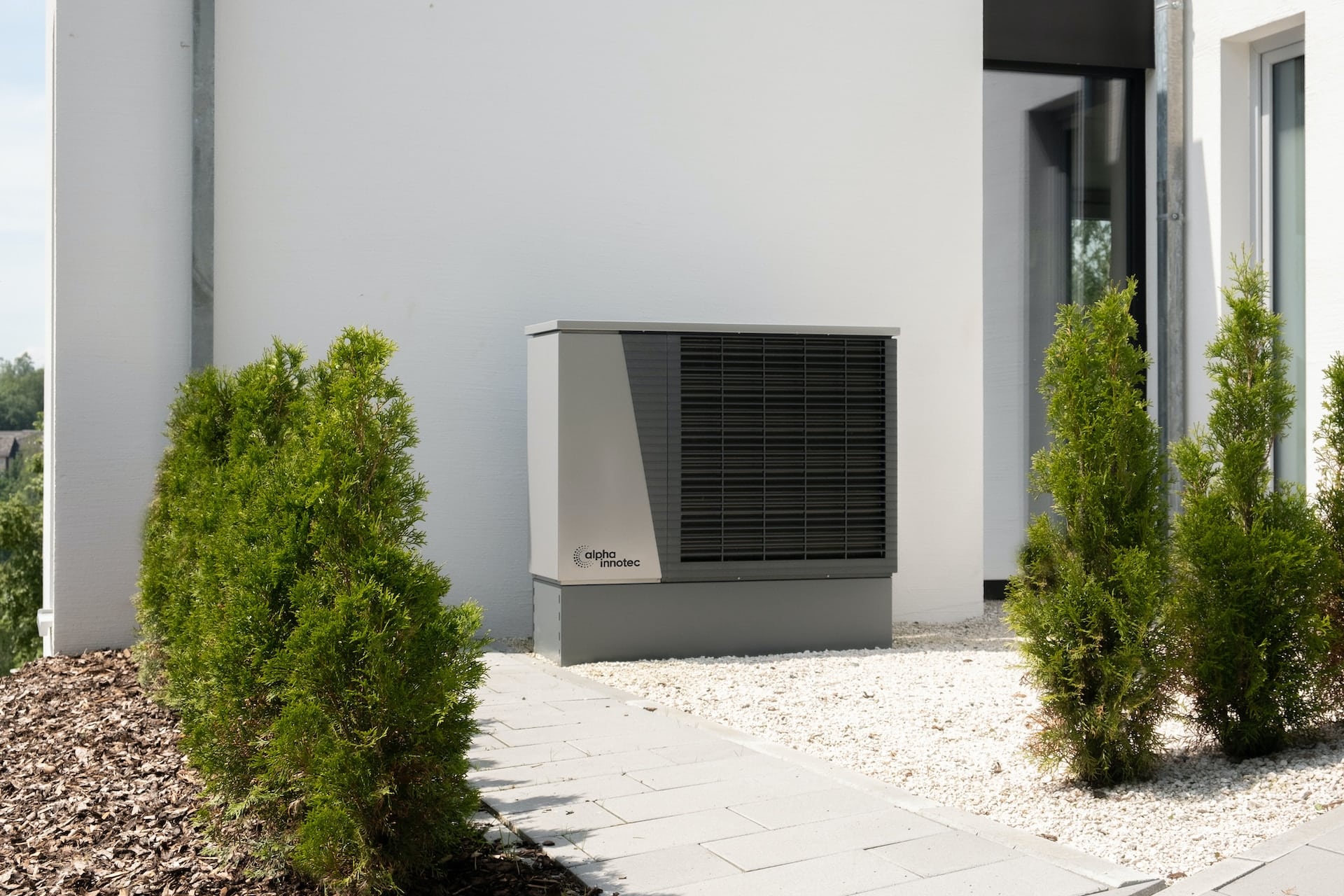
During the winter, a geothermal system extracts thermal energy from the ground using a fluid-filled underground pipe network (the ground loop) and transfers that heat into the home via a heat exchanger inside the indoor heat pump unit. In the summer, the process reverses: heat is extracted from indoor air and deposited back into the ground or utilized to heat domestic water.
Because geothermal heat pumps transfer existing heat rather than creating it through fossil fuel combustion, they achieve exceptional energy efficiency. Systems frequently deliver a Coefficient of Performance (COP) between 3.0 and 5.0, meaning they generate 3 to 5 units of deliverable heat energy for every single unit of electricity consumed. Installing a system, however, requires specialized engineering that combines thermal dynamics, excavation or well drilling, local hydrogeology, and standard indoor mechanical integration. Finding an experienced, certified geothermal company near you is critical to achieving these operational efficiencies and maximizing system lifespan.
Core Qualifications to Look for in a Geothermal Contractor
Geothermal installation is significantly more complex than replacing a conventional furnace or central air conditioning unit. A mistake in ground-loop sizing or trenching cannot easily be rectified once buried. When evaluating local geothermal installation companies, confirm that prospective contractors hold specific industry credentials and specialized licensing.
Industry Certifications
- IGSHPA Certification: The International Ground Source Heat Pump Association offers standard training programs for accredited installers and loop designers. An IGSHPA-certified contractor has verified education in soil thermal conductivity, pipe fusion, fluid dynamics, and loop field layout.
- NATE Certification: North American Technician Excellence (NATE) offers specialty certifications for ground-source heat pump technicians, ensuring mastery over refrigerant systems, airflow mechanics, and electrical control circuits.
Licensing and Subcontractor Oversight
- Mechanical & Plumbing Licenses: Ensure the contractor holds a valid state or municipal master mechanical contractor license.
- Well-Drilling Licenses: If your installation requires vertical boreholes, state laws typically mandate a licensed well-driller. Some geothermal companies perform drilling in-house, while others hire specialized drilling firms. If subcontracting, the primary contractor must actively manage borehole placement, grouting standards, and localized environmental compliance.
- Insurance Coverage: Verify general liability, worker’s compensation, and professional liability (errors and omissions) insurance to cover subterranean utility line risks or unintended structural interference.
Types of Geothermal Loop Systems and Site Limitations
A qualified local geothermal company will evaluate your property's topography, soil type, water table, and lot size to recommend the correct ground loop configuration.
- Geothermal Loop Architecture
- Closed-Loop Systems
- Vertical Loop
- Horizontal Loop
- Pond/Lake Loop
- Open-Loop Systems
- Surface Discharge
- Well Water Injection
- Closed-Loop Systems
Closed-Loop Horizontal Systems
Horizontal ground loops are common for new residential construction with expansive acreage. Trenches are dug 4 to 8 feet deep using excavators. Pipes are laid flat or coiled (slinky style) before backfilling. Horizontal systems require substantial surface area—often between one-quarter and three-quarters of an acre for a typical home.
Closed-Loop Vertical Systems
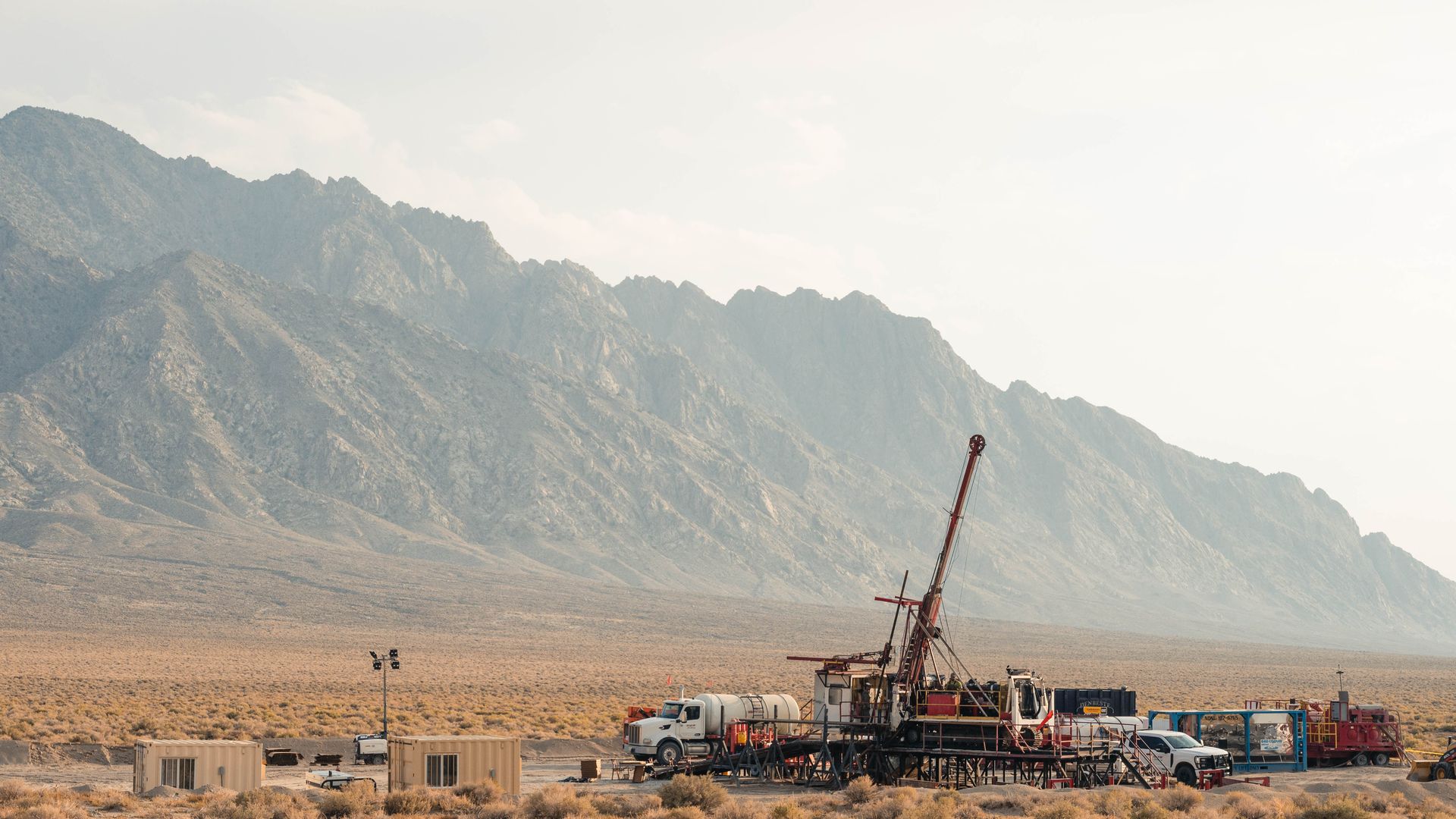
Vertical loops are ideal for urban or suburban properties with limited land area or shallow bedrock. A specialized drilling rig sinks boreholes 150 to 500 feet deep into the ground. U-shaped polyethylene pipes are inserted into each hole, which is then backfilled with high-thermal-conductivity bentonite grout to ensure efficient heat transfer and seal against groundwater contamination.
Closed-Loop Pond or Lake Systems
If a property features an adequate body of water (typically at least 8 feet deep with sufficient surface volume), loops can be submerged along the bottom. Thermal transfer fluid circulates through submerged pipe coils, reducing excavation costs compared to land-based trenching or vertical drilling.
Open-Loop Systems
Open-loop configurations draw groundwater directly from a supply well, pump it through the indoor heat pump's heat exchanger, and discharge the water back into a secondary injection well or surface body. While highly efficient, open-loop systems are subject to strict local environmental regulations, water availability requirements, and potential mineral scaling or corrosion inside the unit.
Comparing Geothermal System Types
| System Type | Space Required | Excavation / Drilling Method | Ideal Site Conditions | Typical Loop Lifespan |
|---|---|---|---|---|
| Vertical Closed-Loop | Minimal (small footprint) | Vertical well-drilling rig (150–500 ft) | Compact suburban lots, rocky terrain, urban yards | 50+ Years |
| Horizontal Closed-Loop | Large (0.25–0.75+ acres) | Open trenching / excavators (4–8 ft deep) | Rural acreage, open fields, deep soil cover | 50+ Years |
| Pond / Lake Closed-Loop | Adjacent water body access | Submerged pipe rack with anchoring | Properties abutting deep, stable bodies of water | 50+ Years |
| Open-Loop (Well Water) | Small to medium | Dual water well system (supply & return) | High water table, low mineral content groundwater | 25–50 Years (Requires fluid maintenance) |
Step-by-Step Process of Working with a Geothermal Company
When you hire a competent local geothermal contractor, the project generally follows a structured, five-phase process:
- Phase 1: Assessment & Sizing
- Manual J Calculation & Thermal Conductivity
- Phase 2: System Engineering
- Loop Field Architecture & Pressure Drops
- Phase 3: Excavation & Loop
- Drilling/Trenching & Pipe Fusion Sealing
- Phase 4: Indoor Mechanical
- Air Handler, Flow Center & Hydronics
- Phase 5: Commissioning
- Antifreeze Charge, Flushing & Balancing
1. Site Assessment and Manual J Load Calculation
A professional company will never size a geothermal heat pump based solely on square footage or the size of your old air conditioner. The engineer must perform an ACCA (Air Conditioning Contractors of America) Manual J load calculation to determine the exact heating and cooling peak loads of the envelope. They will inspect window specifications, insulation levels, air tightness, and orientation. Additionally, site assessments include soil conductivity checks and underground utility mapping (such as contacting 811 locator services).
2. System Engineering and Loop Field Design
Using specialized software (such as GLD or GeoKiss), the contractor designs the loop field length, pipe diameter, fluid flow rate, and glycol/antifreeze concentration. This stage determines how many boreholes or trench feet are necessary to sustain long-term heat exchange without thermal depletion of the soil over decades.
3. Loop Field Excavation and Thermal Grouting
The drilling or excavation crew installs the subterranean piping using high-density polyethylene (HDPE) pipe joined via heat fusion (melting the pipe joints together to form a leak-proof continuous line). For vertical loops, thermo-conductive grout is pumped into the borehole from bottom to top to seal the cavity and optimize heat transfer.
4. Indoor Equipment Mechanical Integration
The indoor heat pump package—containing the compressor, coaxial heat exchanger, air handler, and flow center (pumping station)—is installed. The company integrates the heat pump into your existing or newly installed ductwork (Manual D design) or connects it to a hydronic radiant floor distribution network.
5. System Flushing, Pressure Testing, and Commissioning
Before startup, the loop field is flushed with a high-flow purge pump to remove all trapped air, debris, and sediment. The loop is pressure-tested above working levels to verify integrity, filled with a non-toxic thermal transfer fluid (such as ethanol or propylene glycol mix), balanced for correct flow rates, and brought online.
Geothermal Installation Costs, Incentives, and ROI
While geothermal systems carry higher upfront capital costs than traditional HVAC equipment, their low operational expenses yield strong long-term returns on investment.
Cost Variables
A complete residential geothermal installation typically costs between $18,000 and $45,000+, depending on several factors:
- System Tonnage: Sizing ranges from 2-ton to 6-ton capacity for most residential structures.
- Loop Configuration: Vertical drilling is generally more expensive than horizontal trenching due to the specialized drilling rigs and grouting materials required.
- Retrofit vs. New Construction: Replacing existing ductwork, upgrading electrical service panels (often to 200-amp service), or cutting through established landscaping increases total labor costs.
Tax Credits and Incentives
Under the federal Residential Clean Energy Credit (codified under Internal Revenue Code Section 25D), qualifying geothermal heat pump systems installed in primary or secondary residences receive a 30% federal tax credit on total installation costs, including labor, piping, and equipment.
State, local, and electric utility companies frequently offer supplemental rebate programs:
- Utility Rebates: Many electric cooperatives and municipal utilities offer direct rebates per ton of installed geothermal capacity to reduce peak grid demand.
- Accelerated Depreciation: Commercial properties utilizing geothermal systems can take advantage of the Modified Accelerated Cost Recovery System (MACRS) alongside commercial clean energy tax incentives (Section 48).
To verify national energy efficiency requirements, consult the official guidelines maintained by the U.S. Department of Energy on Geothermal Heat Pumps.
Essential Questions to Ask a Geothermal Installer
Before signing a contract, interview local companies using these key questions:
- "Are your loop designers and installers certified by IGSHPA?"
- Why it matters: Certifications ensure the team understands pipe heat-fusion techniques and proper soil thermal dynamics.
- "Do you perform an ACCA Manual J, S, and D calculation on every property?"
- Why it matters: Rule-of-thumb sizing leads to short-cycling, inefficiency, or inadequate winter heating capacity.
- "Who handles the well-drilling or excavation, and are they fully insured?"
- Why it matters: Clarifies whether the main contractor assumes full liability for subsurface work and site safety.
- "What thermal transfer fluid do you use, and how often must it be serviced?"
- Why it matters: Proper non-toxic antifreeze solutions prevent loop freezing without degrading system components.
- "What warranties apply to the indoor unit versus the outdoor loop field?"
- Why it matters: Equipment components typically carry 10-year manufacturer warranties, whereas HDPE ground loop piping usually carries a 50-year warranty.
- "Can you provide contact details for three local geothermal reference installations?"
- Why it matters: Speaking with previous local clients provides insight into long-term efficiency performance, contractor responsiveness, and clean site management.
Red Flags to Avoid When Selecting a Geothermal Company
When evaluating bids, watch for warning signs that indicate insufficient technical expertise:
- Sizing Systems Based on Square Footage Alone: A contractor who estimates tonnage without performing a room-by-room load calculation risks under-sizing or over-sizing the unit.
- Refusing to Heat-Fuse Pipes: Polyethylene loop pipes must be joined using heat fusion equipment. Contractors attempting to use mechanical fittings or glued connections underground create high risk of future fluid leaks.
- Unclear Drilling Specifications: Quotes for vertical loops should state total borehole depth per ton (e.g., 150–200 feet of drilling per ton of cooling capacity, depending on regional soil conductivity). Vague loop field descriptions often signal cut corners.
- Lack of Underground Utility Marking: Proceeding with trenching or drilling without performing utility locates risks striking electrical, gas, or telecommunication infrastructure.
Frequently Asked Questions
How long does a geothermal heat pump system last?
The indoor heat pump unit typically lasts 20 to 25 years—significantly longer than standard air conditioners or air-source heat pumps (which average 10 to 15 years) because the main components are protected indoors from harsh weather. The subterranean ground loop field is made from high-density polyethylene and is designed to last 50 years or more.
Can existing ductwork be used with a new geothermal system?
Yes, existing ductwork can frequently be adapted for a geothermal system. However, geothermal heat pumps typically require higher airflow volumes (measured in Cubic Feet per Minute, or CFM) than standard gas furnaces. A qualified contractor must evaluate your duct layout using ACCA Manual D standards to ensure adequate static pressure and prevent restricted airflow.
How does ground-source heating compare to air-source heat pumps?
Air-source heat pumps pull heat from outdoor air, causing their efficiency to drop as ambient temperatures fall below freezing. Ground-source (geothermal) heat pumps pull heat from stable subsurface earth, maintaining consistent high efficiency regardless of outdoor weather extremes. Ground-source units also require lower long-term maintenance costs, though they have higher initial installation costs.
Are geothermal heat pump systems eligible for federal tax credits?
Yes. Under current federal tax laws, residential ground-source heat pump installations that meet Energy Star efficiency requirements are eligible for a 30% federal tax credit under Section 25D. This credit applies to both material and installation costs.
How much land is required for a geothermal loop installation?
Land requirements depend on the loop architecture. Horizontal loops generally require one-quarter to three-quarters of an acre of clear yard space. Vertical loop fields require a very small footprint—often just a few square feet per borehole spaced 15 to 20 feet apart—making vertical installations feasible for typical suburban lots and urban infill properties.
Final Recommendation & Next Steps
Investing in a geothermal HVAC system provides exceptionally low monthly energy bills, silent indoor operation, and long-term environmental sustainability. Because the system relies heavily on proper subterranean loop design and precise air-side balancing, selecting the right installer is the single most important decision in the process.
Begin by requesting quotes from at least three regional contractors certified by IGSHPA. Demand detailed Manual J heat-loss calculations, inspect certified proof of mechanical and well-drilling licenses, and insist on heat-fused ground loop construction. Taking these verification steps ensures your system delivers reliable, efficient heating and cooling for decades to come.
Image Gallery