Understanding the Water Jet Tech Landscape: Equipment, Physics, and Industrial Applications
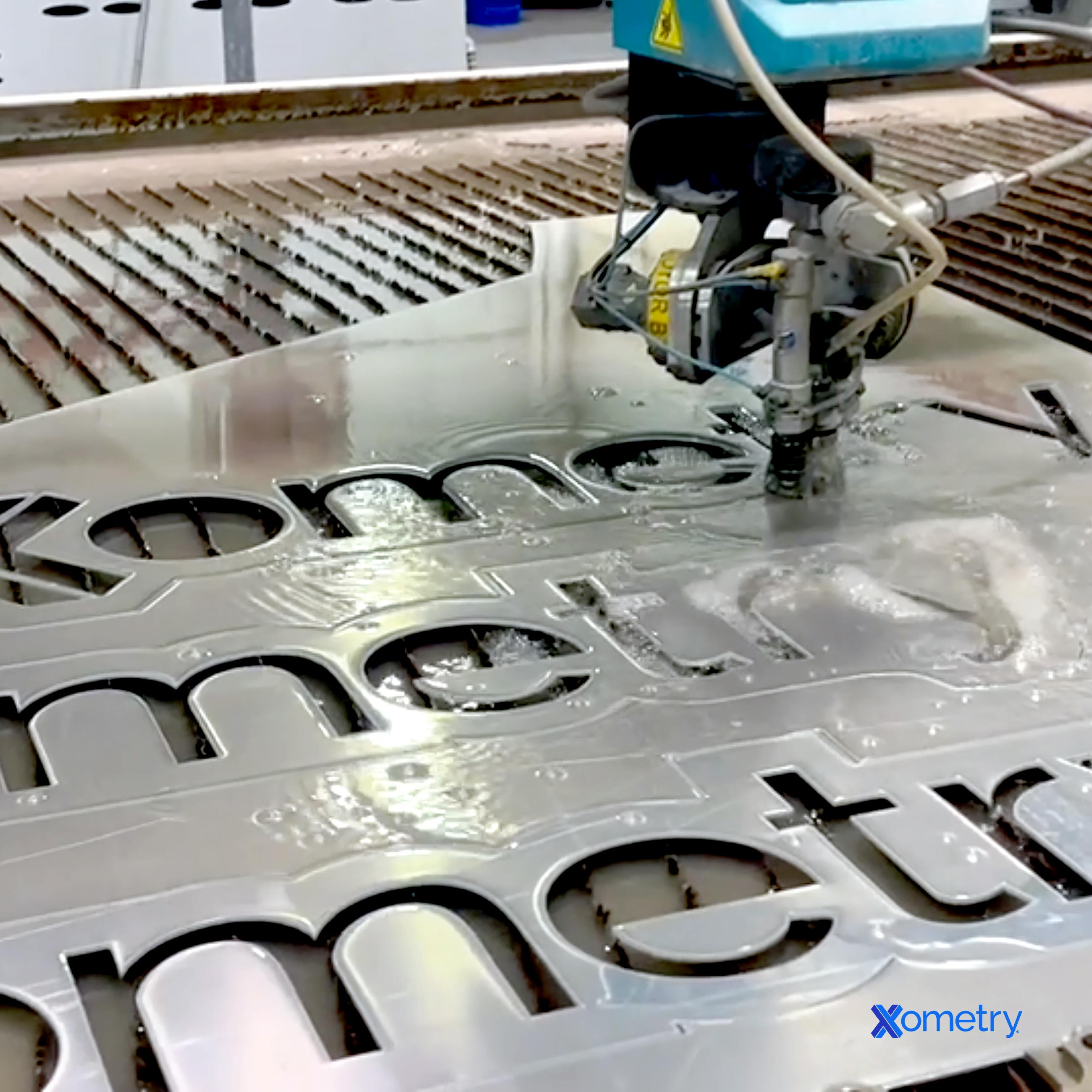
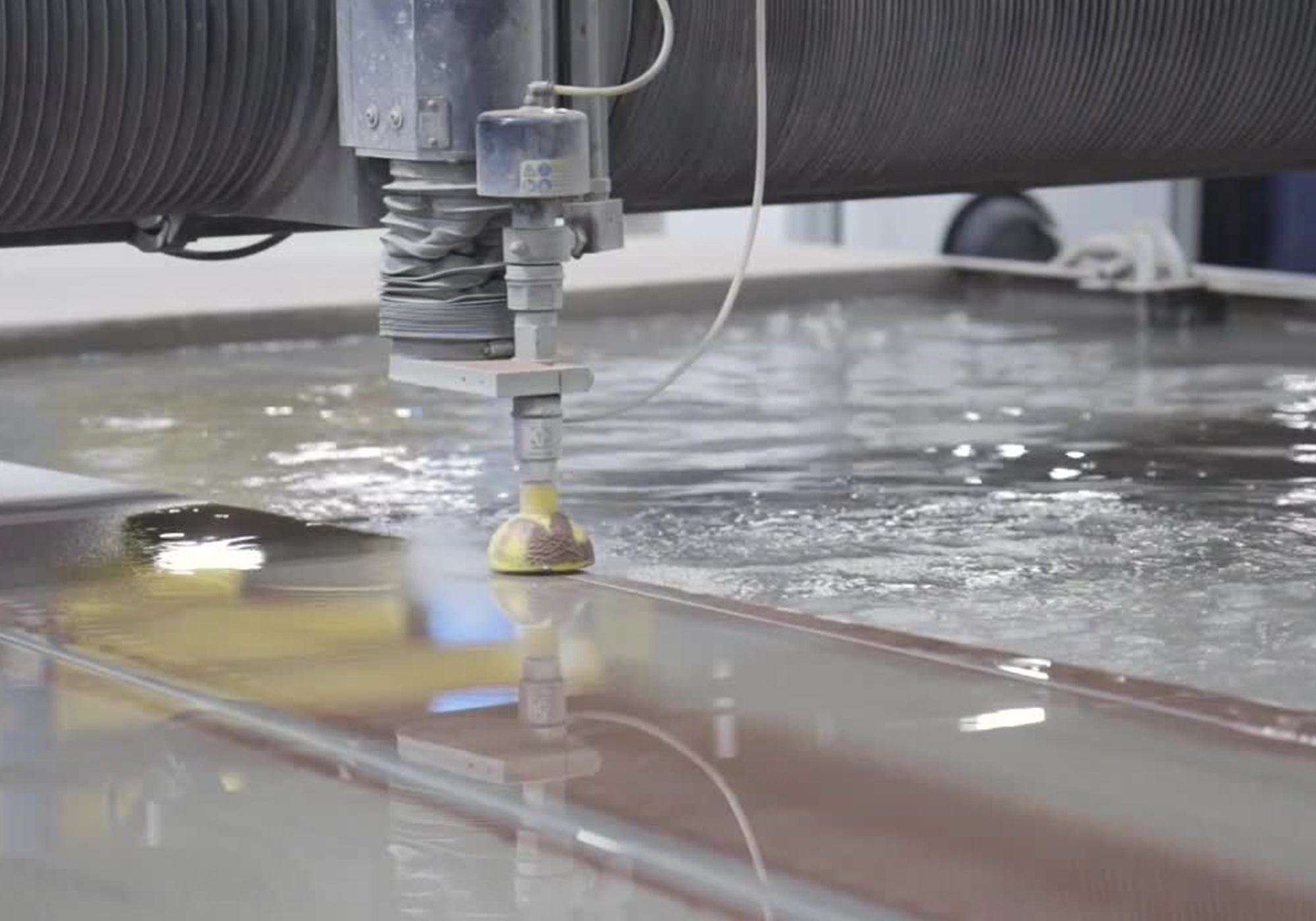
The waterjet technology landscape encompasses high-pressure fluid delivery systems, abrasive mixing dynamics, and computer-numerical-control (CNC) motion platforms designed to cut, shape, and surface materials. Operating across pure wa...
The waterjet technology landscape encompasses high-pressure fluid delivery systems, abrasive mixing dynamics, and computer-numerical-control (CNC) motion platforms designed to cut, shape, and surface materials. Operating across pure waterjet and abrasive waterjet configurations, this cold-cutting process processes everything from soft foams to dense aerospace alloys without thermal distortion.
Contents
Fundamentals of Waterjet Cutting Mechanics
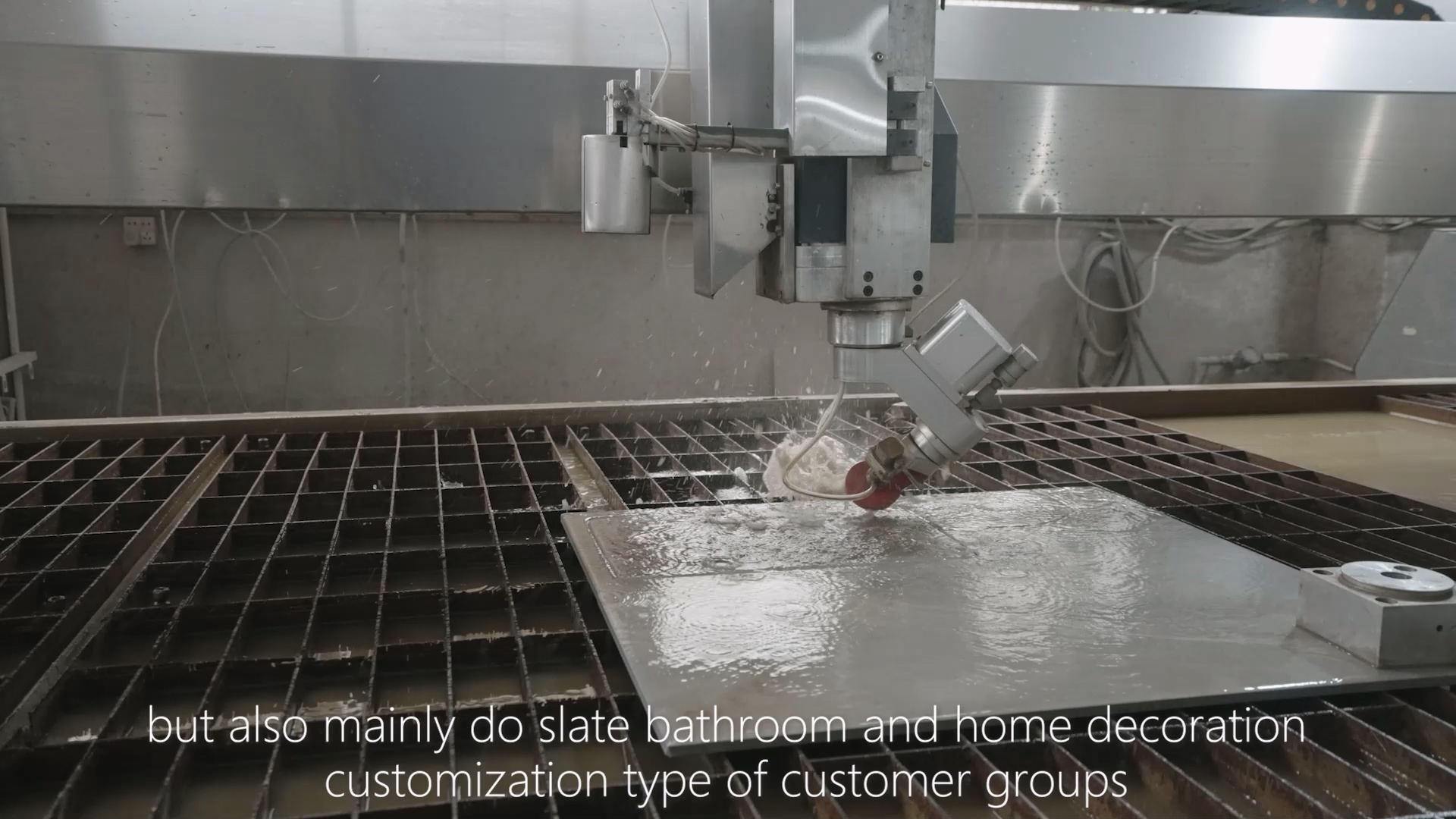
Waterjet machining relies on converting potential hydraulic pressure into kinetic velocity. A specialized pump pressurizes purified water to extreme thresholds—typically between 40,000 and 90,000 pounds per square inch (psi), or approximately 2,750 to 6,200 bar.
When this ultra-high-pressure water is forced through a microscopic orifice, it accelerates to speeds reaching Mach 3 (nearly 2,500 feet per second). The resulting high-velocity stream generates the momentum required to erode materials.
- High-Pressure Water Input
- Passes through Jewel Orifice (Sapphire/Diamond) to create High-Velocity Water Jet
- Venturi Vacuum Mixing Chamber
- Receives High-Velocity Water Jet and Abrasive Feed (Garnet)
- Focusing/Mixing Tube
- Workpiece Erosion
Pure Waterjet vs. Abrasive Waterjet Systems
Waterjet systems fall into two structural categories based on their cutting stream composition:
- Pure Waterjet Systems: Use only pressurized water to perform precision cutting. The stream exiting the jewel orifice is exceptionally narrow—typically between 0.003 and 0.010 inches (0.076 to 0.25 mm) in diameter. Pure waterjets are dedicated to soft, flexible, or porous materials such as corrugated cardboard, acoustic insulation, automotive headliners, rubber gaskets, and food products. Because no abrasive media is introduced, pure waterjet cutting produces zero particulate waste and leaves clean material edges.
- Abrasive Waterjet (AWJ) Systems: Introduce micro-fine abrasive particles into the high-velocity water stream to cut dense materials. The water stream passes through a tiny vacuum chamber directly beneath the orifice, creating a Venturi effect that draws dry abrasive media—most commonly alluvial garnet—into the mixing chamber. The water accelerates the abrasive grains through a hard tungsten carbide focusing tube (mixing tube), creating a high-energy erosion beam capable of cutting metals, stone, structural glass, and composites up to several inches thick.
Pump Technologies: Intensifier Systems vs. Direct-Drive Systems
The core of any waterjet system is its high-pressure pump. Two distinct mechanical pump architectures dominate the current manufacturing landscape: hydraulic intensifier pumps and direct-drive crankshaft pumps.
Hydraulic Intensifier Pump
- Hydraulic Oil System (~3,000 psi) drives Large Hydraulic Piston (20:1 to 30:1 Ratio)
- Low-Pressure Water Input feeds Small Water Plunger
- Water Output: 60k-90k+ psi
Direct-Drive Crankshaft Pump
- Electric Motor (30-100 HP) drives Direct Crankshaft Assembly with Reciprocating Plungers
- Low-Pressure Water Input feeds High-Pressure Cylinders
- Attenuator Vessel (Smoothes Flow) yields Water Output: Up to 60k psi
Hydraulic Intensifier Pumps
Hydraulic intensifier pumps use fluid power principles to achieve continuous pressures exceeding 90,000 psi. An electric motor drives a variable-displacement hydraulic pump, sending hydraulic oil at approximately 3,000 psi into a central cylinder. This cylinder contains a double-ended piston with a surface area 20 to 30 times larger than the high-pressure water plungers attached to its ends.
This surface-area differential yields an amplification ratio of 20:1 to 30:1. If 3,000 psi of oil pressure acts upon the large piston face, it forces the smaller water plunger forward with sufficient mechanical force to compress water up to 60,000–90,000 psi.
- Advantages: Exceptional peak pressure capability, low stroke rate (which reduces dynamic seal friction per cycle), and the ability to maintain dead-head pressure without mechanical stalling.
- Disadvantages: Lower overall electrical efficiency (roughly 60% to 70%) due to energy loss across the hydraulic circuit, and the requirement for auxiliary chillers to cool hydraulic oil.
Direct-Drive Crankshaft Pumps
Direct-drive pumps eliminate the hydraulic circuit entirely. An electric motor drives a mechanical crankshaft assembly similar to an automobile engine block. The crankshaft drives three or five reciprocating plungers housed within high-pressure ceramic or carbide cylinders.
- Advantages: Superior electrical energy conversion efficiency (typically 85% to 90%), smaller physical footprint, and reduced heat output.
- Disadvantages: Peak pressure outputs are traditionally capped at around 60,000 psi (though advanced models reach higher levels). Additionally, because the plungers stroke at higher continuous cycles per minute, check valve components and high-pressure water seals experience higher duty cycles.
Core Machine Architecture and Precision Motion Control
Translating high-pressure fluid into dimensional parts requires precise mechanical cutting heads and multi-axis CNC gantries.
- Cutting Head Assembly
- Jewel Orifice (Sapphire, Ruby, Diamond)
- Abrasive Inlet Port (Garnet Media Feed)
- Venturi Mixing Chamber
- Carbide Focusing Tube
- Precision Cutting Waterjet
Orifices, Nozzles, and Mixing Tubes
The cutting head assembly regulates fluid conversion and abrasive mixing:
- Jewel Orifices: Crafted from synthetic sapphire, ruby, or lab-grown diamond. Sapphire and ruby orifices deliver low initial cost but last roughly 40 to 100 cutting hours under 60,000 psi operation. Synthetic diamond orifices cost significantly more upfront but routinely exceed 800 to 2,000 operational hours while maintaining orifice geometry under aggressive thermal and pressure cycles.
- Mixing Chambers: Positioned immediately below the orifice. As the water stream passes through at supersonic velocity, it creates a localized vacuum that draws dry abrasive grains from a hopper through delivery tubes.
- Focusing Tubes (Mixing Tubes): Made from ultra-fine grain tungsten carbide composites. The high-speed water and abrasive slurry mix inside this tube, exiting as a unified cutting stream. Mixing tubes gradually wear outward over time; once an internal diameter expands past tolerance limits (typically a 0.010 to 0.015-inch increase), cutting velocity drops, requiring replacement.
CNC Motion Control and Taper Compensation
Waterjet streams exhibit dynamic behavior under load. As the cutting stream passes through thick stock, energy dissipates toward the bottom of the cut, causing two primary defects:
- V-Shaped Taper: The kerf (cut width) at the top of the material is wider than the kerf at the bottom because the stream loses kinetic energy as depth increases.
- Stream Lag (Trailback): When the cutting head moves across a workpiece, the bottom exit point of the jet stream lags behind the top entry point, causing radius geometry distortion along tight corners.
To correct these errors, modern industrial machine tools feature 5-axis dynamic taper-compensation heads. Guided by advance motion algorithms, these heads tilt the jet stream laterally to shift the taper into the scrap material and lean into tight radius turns. This counteracts stream lag and yields square, perpendicular cut faces within micro-inch tolerances without post-process secondary machining.
Material Capabilities and Industrial Applications
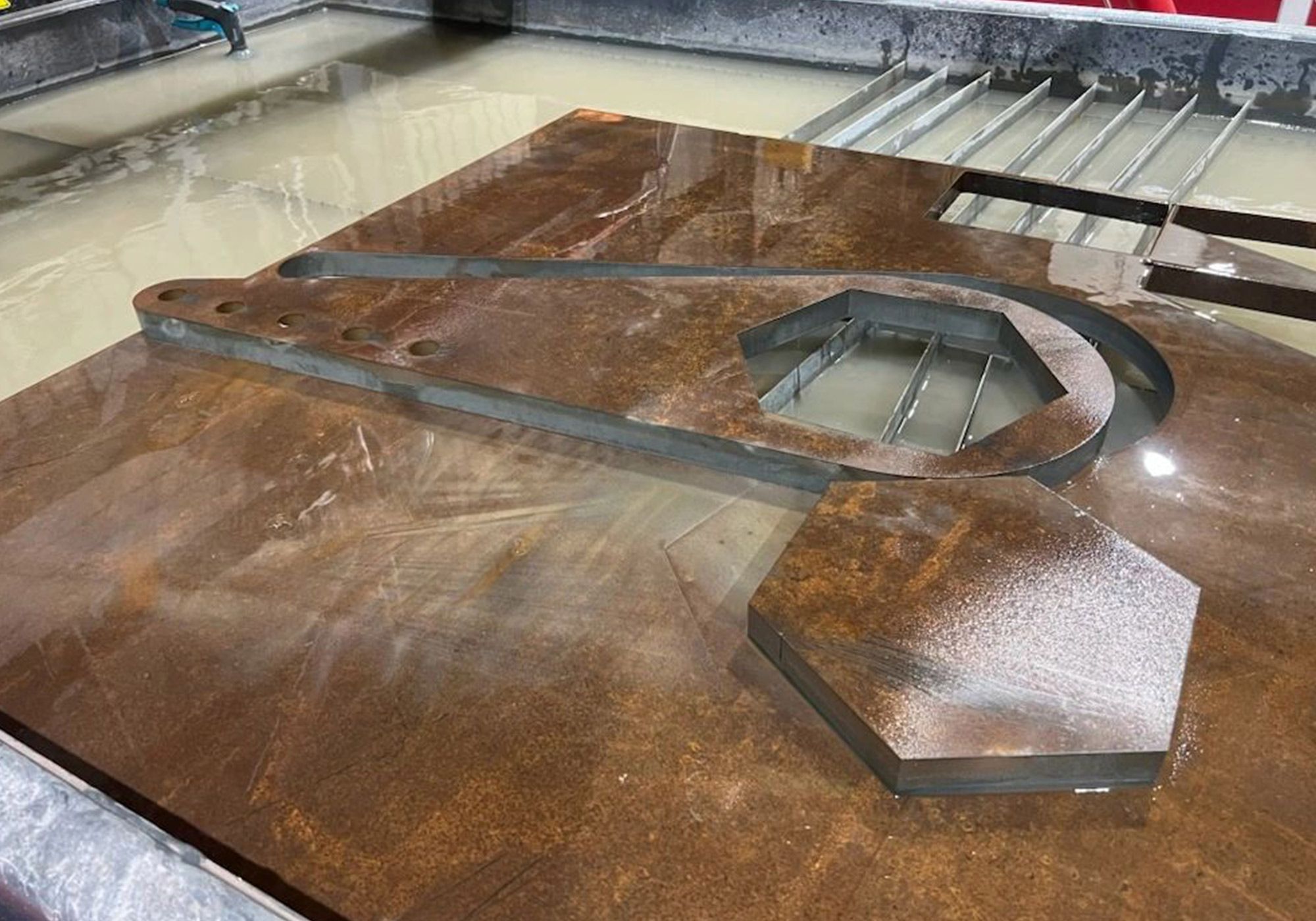
Waterjet cutting handles virtually every raw material category used in modern manufacturing, primarily because it introduces zero thermal stress.
| Pure Waterjet | Abrasive Waterjet | Specialty Composites |
|---|---|---|
| Open/Closed-Cell Foams | Titanium Alloys | Carbon Fiber (CFRP) |
| EPDM & Silicone Rubber | Inconel & Hastelloy | Fiberglass (G10/FR4) |
| Corrugated Paperboard | Tool Steels (D2, P20) | Kevlar Armor Panels |
| Food Processing | Architectural Glass | Aluminum-Honeycomb |
| Thin Gasket Materials | Granite, Marble & Tile | Metal-Matrix Laminates |
Eliminating Heat-Affected Zones (HAZ)
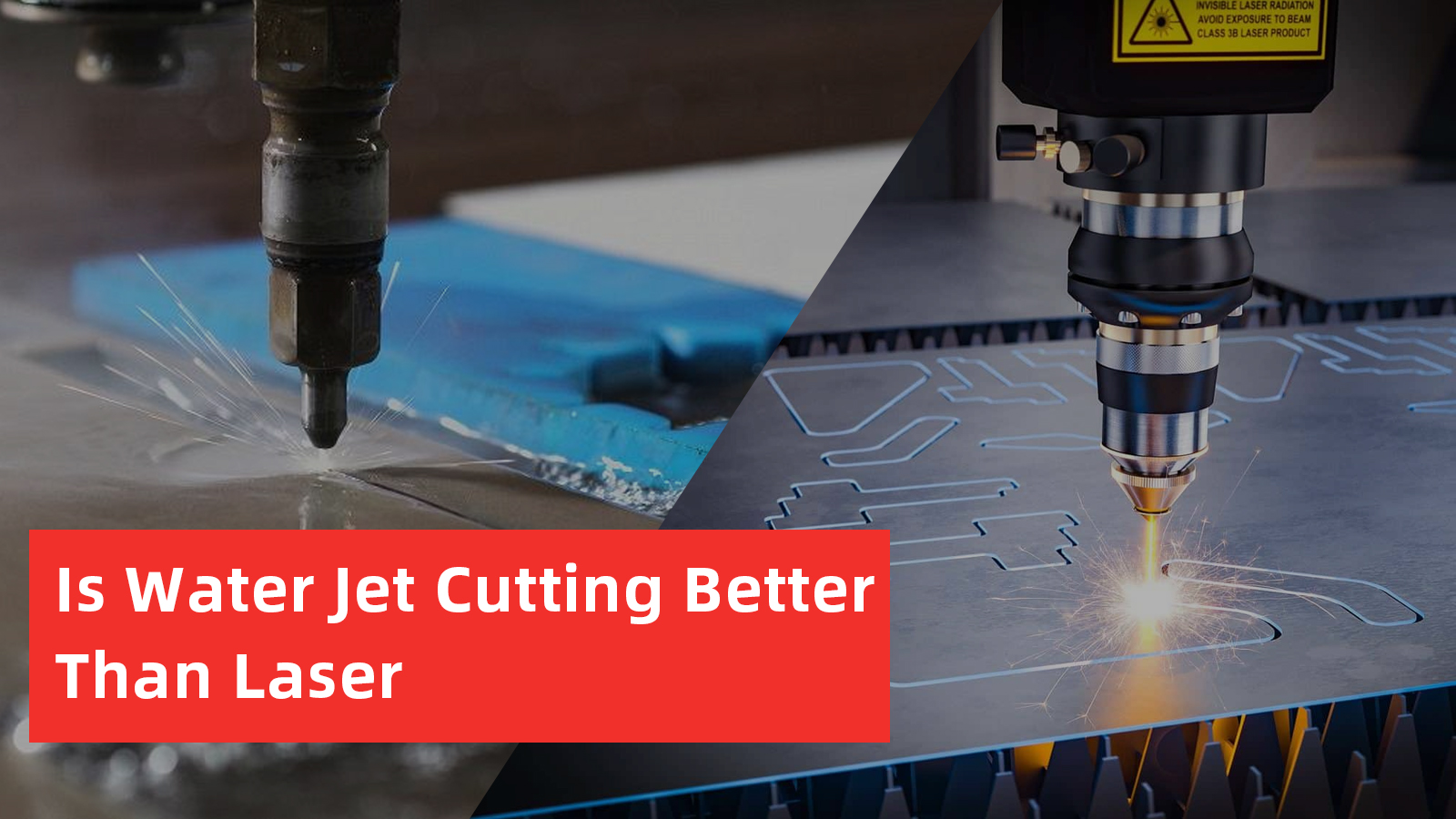
Thermal cutting processes like laser and plasma rely on melting, burning, or vaporizing material. This localized heat creates a Heat-Affected Zone (HAZ), altering the metallurgy of the cut edge. HAZ causes edge-hardening, micro-cracking, residual internal stress, and altered grain structures. In critical industries such as defense and medical manufacturing, thermally affected edges must be mechanically ground away.
Because waterjet cutting is a cold supersonic mechanical erosion process, the material temperature rarely rises above 120°F (49°C) during cutting. The molecular structure of heat-sensitive alloys—such as Aerospace Grade 5 Titanium (Ti-6Al-4V) or Nitinol medical tubing—remains completely unaltered, preserving full mechanical properties right up to the kerf line.
Processing Laminates and Advanced Composites
Machining carbon-fiber-reinforced polymers (CFRP) or Kevlar laminates using traditional mechanical mills risks delamination, matrix cracking, and rapid tool wear from abrasive glass fibers.
Waterjets overcome these issues when paired with piercing protocols. To prevent high-pressure air spikes from splitting delicate material layers during initial hole piercing, systems lower pump pressure or use vacuum-assisted piercing heads. This allows the abrasive stream to penetrate the composite layers cleanly before restoring full pressure to complete the contour cut.
Technical Comparison: Waterjet vs. Alternative Thermal Cutting Technologies
Choosing between industrial cutting platforms requires evaluating material compatibility, operational speed, tolerance capabilities, and thermal impact.
| Performance Attribute | Pure Waterjet | Abrasive Waterjet | Fiber Laser Cutting | High-Definition Plasma |
|---|---|---|---|---|
| Primary Material Class | Foams, rubber, paper, soft plastics | Metals, stone, glass, dense composites | Mild steel, stainless, aluminum, thin alloys | Carbon steel, heavy structural metals |
| Maximum Thickness Range | Up to 12.0 inches (300 mm) | Up to 12.0 inches (300 mm)+ | Up to 1.25 inches (32 mm) | Up to 3.0 inches (75 mm) |
| Typical Cutting Precision | $\pm 0.005\text{ in}$ ($\pm 0.12\text{ mm}$) | $\pm 0.001\text{ to } 0.003\text{ in}$ ($\pm 0.025\text{ to } 0.076\text{ mm}$) | $\pm 0.002\text{ in}$ ($\pm 0.05\text{ mm}$) | $\pm 0.015\text{ to } 0.030\text{ in}$ ($\pm 0.38\text{ to } 0.76\text{ mm}$) |
| Heat-Affected Zone (HAZ) | None (Cold Process) | None (Cold Process) | Minor to Moderate | Severe |
| Processing Speed (Thin Sheet) | Extremely High | Moderate | Extremely High | High |
| Processing Speed (Thick Plate) | N/A | High efficiency relative to thickness | Drops off steeply over 1 in | High |
| Consumable Operating Costs | Very Low (Water, Orifices) | High (Garnet abrasive, mixing tubes) | Low (Assisting gas, nozzles) | Low-Moderate (Electrodes, gas) |
| Reflective Metal Capability | N/A | Excellent (Unaffected by reflectivity) | Requires beam precautions | N/A |
Economic Analysis: Operating Costs, Maintenance, and Consumables
Operating a waterjet system requires managing direct variable costs, utility inputs, and preventive maintenance cycles.
| Cost Element | Share |
|---|---|
| Garnet Abrasive Media | 55% - 65% |
| Machine Wear Parts (Seals, Orifices, Tubes) | 15% - 20% |
| Electricity & Power Consumption | 8% - 12% |
| High-Pressure Water & Filtration | 5% - 8% |
Abrasive Media Economics (Garnet)
Abrasive media represents the largest single operating cost for abrasive waterjet systems, often accounting for 50% to 65% of total hourly operational expenses.
- Consumption Rates: Most industrial applications consume between 0.5 and 1.5 pounds (0.22 to 0.68 kg) of abrasive per cutting minute, depending on material thickness, feed rate, and target surface finish.
- Mesh Sizing Impact: Abrasive size is measured in mesh numbers. Standard 80 Mesh garnet provides a balanced baseline for cutting speed and edge finish. Finer 120 Mesh garnet delivers smooth surface finishes on delicate parts, but cuts slower. Coarser 50 Mesh garnet increases raw cut speeds in thick plate, but leaves a rougher, visibly striate surface finish.
- Recycling Infrastructure: Many modern production shops use closed-loop abrasive recycling systems. These recovery units extract used garnet from the catcher tank, wash away fine particulates and crushed waste, dry the remaining usable grains, and screen them back into the operational hopper. This can cut virgin garnet consumption by up to 50% to 60%.
Wear Parts and Preventive Maintenance Cycles
High-pressure waterjet components operate under extreme fatigue loads, requiring strict preventive maintenance schedules to prevent unplanned downtime:
- Jewel Orifices: Sapphire/ruby assemblies typically require replacement every 40 to 100 operating hours; diamond orifices routinely operate up to 2,000 hours before edge erosion degrades cutting geometry.
- Focusing Tubes: Solid tungsten carbide mixing tubes last roughly 50 to 120 operational cutting hours. As abrasive stream friction opens the interior bore, cutting efficiency drops, requiring calibration or replacement.
- High-Pressure Seals and Check Valves: High-pressure pump seals undergo immense dynamic compression. Depending on pump design, water inlet purity, and operating pressure (60k vs. 90k psi), seal maintenance intervals range between 500 and 1,500 run hours.
- Water Filtration & Conditioning: Feedwater quality directly dictates high-pressure component longevity. Total Dissolved Solids (TDS) must be maintained below 100 parts per million (PPM), and water hardness must remain near zero. Excess silica, iron, or calcium rapidly erodes micro-polished ceramic plungers and dynamic seals. Operating dedicated water softeners, reverse osmosis (RO) systems, and multi-stage sub-micron filters is essential to prevent early pump failures.
Modern Technological Advances and Industry Directions
The waterjet cutting landscape continues to evolve through advancements in fluid delivery, hardware integration, and process automation.
- Ultra-High Pressure (UHP) Scaling (Pushing past 90,000+ psi continuous)
- Closed-Loop Water and Abrasive Recycling Systems
- IoT Sensor Platforms (Continuous monitoring of pump vibration & seal life)
- Intelligent CAD/CAM Feed-Rate Optimization Algorithms
Ultra-High Pressure (UHP) Scaling
Increasing operating pressure from 60,000 psi to 90,000+ psi accelerates water exit speeds from Mach 2 to over Mach 3. This higher velocity stream accelerates abrasive media faster, increasing cut speeds by 30% to 50% depending on the material. Furthermore, operating at UHP thresholds uses up to 30% to 50% less garnet abrasive per linear foot of cut, offering significant cost savings on large production runs.
IoT Diagnostic Monitoring and Smart Automation
Modern waterjet cutting systems feature integrated sensors that track pump displacement, inlet water temperature, hydraulic oil degradation, and high-pressure pulse signatures in real time.
By running edge-computing analytics, these automated diagnostics identify micro-cavitating check valves or worn seals before catastrophic pressure drop occurs. Additionally, smart abrasive metering units dynamically adjust garnet mass flow based on real-time feed rates, reducing media waste along slow, intricate corner contours.
Frequently Asked Questions
What is the maximum material thickness a waterjet can cut?
Abrasive waterjets can cut thick materials up to 12 inches (300 mm) or more, including solid stainless steel, titanium, and aluminum. While the jet stream can penetrate even thicker sections, cutting speed drops significantly as depth increases, making secondary considerations like draft control and edge quality primary considerations for ultra-thick applications.
Why doesn't waterjet cutting cause thermal stress or distortion?
Waterjet machining is a mechanical micro-erosion process, not a thermal cutting method. The continuous flow of water cools both the workpiece and the abrasive, keeping material temperatures low (typically below 120°F / 49°C). This completely prevents structural changes like Heat-Affected Zones (HAZ), warping, or material hardening along cut edges.
What is the main difference between diamond and sapphire waterjet orifices?
Synthetic sapphire orifices are inexpensive but wear out after 40 to 100 hours of high-pressure cutting. Lab-grown diamond orifices cost considerably more upfront, but maintain exact geometry for 800 to 2,000 cutting hours. This extended operational life minimizes teardowns, maintains consistent jet stream focus, and reduces long-term maintenance costs in automated production environments.
Can waterjet systems recycle their water and abrasive media?
Yes. Closed-loop water filtration systems process waste water through multi-stage settling tanks, oil separators, and sub-micron filtration units, returning clean water back to the pump inlet. Dedicated abrasive recovery units settle used garnet from the tank, wash away crushed debris, dry the remaining media, and screen it for reuse, reducing virgin garnet usage by up to 60%.
How does garnet abrasive mesh size affect cutting performance?
Coarser mesh sizes (like 50 Mesh) cut faster through thick materials, but leave a rougher surface finish. Medium meshes (like 80 Mesh) offer an ideal balance of speed and finish for general production. Fine meshes (such as 120 Mesh) cut more slowly, but produce smooth, burr-free edges on delicate or thin-walled components.
Strategic Recommendations for Machine Selection
Choosing the right waterjet technology depends on your target materials, operational volume, and required precision:
- Define Primary Material Requirements: If your workflow focuses entirely on soft materials like rubber, foam, thin plastics, or food products, choose a Pure Waterjet System to minimize equipment complexity and eliminate abrasive media costs. For metal fabrication, stone, glass, or structural composites, an Abrasive Waterjet System is required.
- Evaluate Pump Architectures for Duty Cycles: Select a Direct-Drive Crankshaft Pump for high-efficiency, single-shift applications up to 60,000 psi to minimize electrical power costs. Select a Hydraulic Intensifier Pump for continuous multi-shift production, continuous duty cycles, or ultra-high pressures exceeding 90,000 psi.
- Invest in Taper Compensation for Precision Metal Cutting: If your production requires tight-tolerance parts ($\pm 0.002\text{ in}$ / $0.05\text{ mm}$ or better) or clean perpendicular edges on thick stock, specify a 5-axis dynamic taper-compensating cutting head. This eliminates the need for secondary finish machining on kerf edges.
- Incorporate Water Quality Management Early: Test operational supply water before commissioning equipment. Ensure high-pressure pump installations include dedicated water softeners, multi-stage pre-filters, and reverse osmosis (RO) systems to maintain Total Dissolved Solids below 100 PPM. This simple step protects ceramic plungers, check valves, and high-pressure seals from early mechanical wear.
Image Gallery