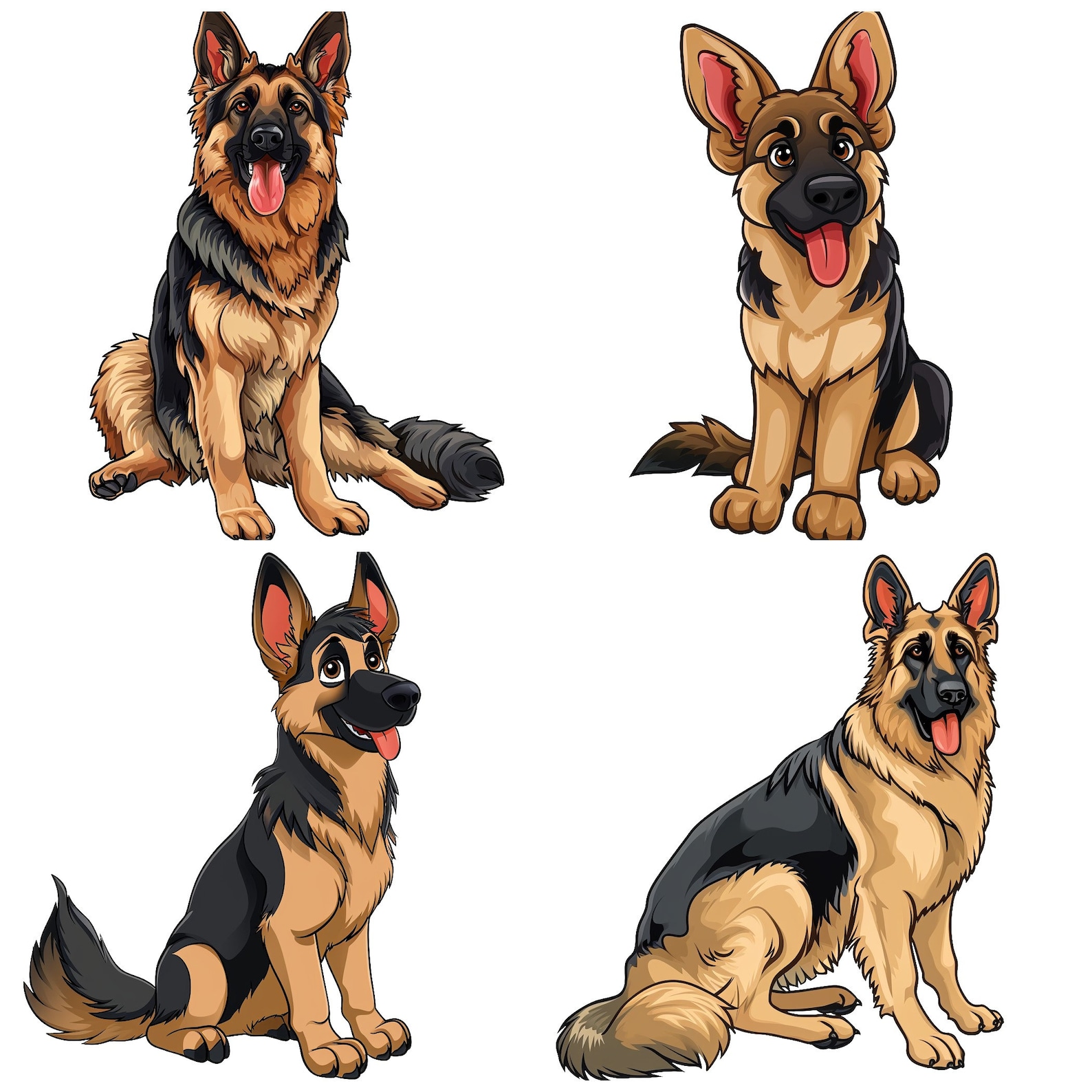
Understanding the Character of the German Shepherd
The character of the German Shepherd is defined by a unique combination of unwavering loyalty, high intelligence, and a strong protective instinct. Bred originally for herding, this versatile breed is characterized by a stable temperam...
The character of the German Shepherd is defined by a unique combination of unwavering loyalty, high intelligence, and a strong protective instinct. Bred originally for herding, this versatile breed is characterized by a stable temperament, intense work ethic, and a natural affinity for human companionship, requiring consistent training and purposeful activity to thrive in a domestic setting.
Contents
Historical Foundation and Breed Standards
To understand the character of the German Shepherd (Deutscher Schäferhund), one must look at the breed's origins. Developed in Germany at the end of the 19th century by Captain Max von Stephanitz, the dog was intentionally bred for utility, intelligence, and physical agility. Von Stephanitz believed that the "character" of the dog was just as vital as its physical structure. He famously stated that the German Shepherd is a dog for "utility," and if a dog could not perform its duties—whether herding, guarding, or service work—it failed the core standard of the breed.
This historical focus on utility has cemented a temperament that is neither hyperactive nor overly lethargic. Instead, the breed possesses a "wait and watch" disposition. They are deeply observant of their environment and their primary handlers. In 2026, the American Kennel Club (AKC) and the Verein für Deutsche Schäferhunde (SV) in Germany continue to uphold standards that emphasize a balanced personality: confident, courageous, and devoid of unnecessary aggression, yet ready to act when the situation demands it.
Core Personality Traits
The German Shepherd’s reputation as a multifaceted working dog is supported by several distinct personality pillars.
- Intelligence and Trainability: Often ranked among the most intelligent canine breeds, German Shepherds possess an ability to learn complex tasks quickly. Their desire to please their primary handler makes them highly responsive to positive reinforcement-based training.
- Devotion and Bonding: This breed is famously a "one-person" or "one-family" dog. They form intense, permanent bonds with their owners. This loyalty often manifests as "velcro" behavior, where the dog prefers to be in the same room as its owner at all times.
- Protective Instincts: A defining character trait is a natural guardianship. They are not typically aggressive by default, but they are discerning. They are often aloof with strangers, preferring to assess a person's behavior before offering trust. This makes early socialization essential to ensure their protective nature remains balanced and manageable.
- Work Drive: Even in a companion role, the breed has an innate need for a "job." Without mental and physical outlets, this drive can manifest as destructive behavior or extreme anxiety. They require cognitive stimulation, such as scent work, obedience training, or agility exercises.
Temperament in Domestic and Working Environments
The application of the German Shepherd’s character varies significantly based on its role. While the breed maintains its core genetic profile, its daily expression is molded by the environment.
In the Domestic Setting
For a family, the German Shepherd is a guardian and a companion. Their character allows them to be gentle with children within their household, provided they have been socialized properly. However, they remain highly perceptive of boundary-crossing by outsiders. Owners must understand that a German Shepherd’s presence is a deterrent in itself; they are rarely "yappy" dogs, preferring to communicate through body language or a low, deliberate bark when they perceive a legitimate disturbance.
In Working Roles
In professional settings—such as police K-9 units, search and rescue, or service work—the German Shepherd’s character is focused on extreme reliability under stress. The ability to switch between high-intensity action and a calm "rest" state is the hallmark of a well-bred working line dog. This versatility is why they remain the standard for many government and public safety agencies worldwide.
Comparative Characteristics by Lineage
It is a common misconception that all German Shepherds have identical temperaments. The breed has branched into several distinct lines that prioritize different aspects of the character.
| Lineage Type | Primary Focus | Temperament Characteristics |
|---|---|---|
| American Show Line | Conformation & Aesthetics | Generally lower drive, more laid back, focuses on being a family companion. |
| West German Show Line | Aesthetics & Versatility | Maintains a balance of strong nerves and show-quality structure; highly active. |
| West German Working Line | Utility & Performance | Very high drive, intense focus, requires significant work and structure. |
| East German (DDR) Working Line | Structure & Stamina | Known for heavy bone structure, serious guarding instincts, and high resilience. |
Prerequisites for Responsible Ownership
Prospective owners must recognize that owning a German Shepherd is a significant commitment. Their character is not "low maintenance." Before bringing a German Shepherd into the home, evaluate the following requirements:
- Consistent Training: The breed requires firm, consistent, and reward-based leadership. Training should begin in puppyhood and continue throughout the dog's life to maintain obedience and mental health.
- Daily Physical Exercise: A walk around the block is typically insufficient. This breed requires vigorous activity, such as hiking, running, or playing fetch, to expend their energy and maintain physical health.
- Mental Stimulation: Engaging the dog's brain is as important as the physical workout. Puzzle toys, scent games, and trick training are essential to prevent boredom.
- Socialization: From 8 to 16 weeks of age, and continuing thereafter, exposure to diverse people, environments, and other animals is critical. This prevents their natural aloofness from turning into fearful or reactive behavior.
Addressing Common Behavioral Challenges
Despite their many strengths, German Shepherds can develop behavioral issues if their needs are ignored.
- Separation Anxiety: Because they bond so closely with their handlers, they are prone to distress when left alone for long periods. Crate training and gradual desensitization to departures are common management strategies.
- Reactivity: If a German Shepherd is not socialized or lacks a clear leader, they may attempt to "manage" their environment by barking at or lunging toward perceived threats (e.g., mail carriers or other dogs). This is a failure of management, not a failure of the dog’s character.
- Excessive Herding: Even without sheep, some Shepherds will attempt to herd children, other pets, or even cars by nipping at heels. This behavior must be redirected early through structured play and obedience commands.
Frequently Asked Questions
Are German Shepherds good with children? Yes, they are generally excellent with children within their own family, often showing a protective, patient nature. However, because of their size and tendency to herd, supervision is always necessary, especially with small children who may inadvertently provoke a herding response.
Do German Shepherds require a lot of training? Yes. Their intelligence means they learn quickly, but they will also learn "bad" habits just as fast if they aren't provided with clear structure. Professional obedience training is highly recommended for all first-time German Shepherd owners.
How do I manage their shedding and grooming? The German Shepherd has a dense double coat that sheds year-round, with heavy "blowing" of the coat twice a year. Regular brushing, at least 3 to 4 times a week, is required to manage loose hair and maintain skin health.
Are they suitable for apartment living? While possible if the owner is committed to vigorous daily exercise and mental stimulation, it is generally challenging. They require space and a lifestyle that accommodates their need for activity.
Is it normal for a German Shepherd to be "aloof"? Yes. This is a breed trait. They are not naturally inclined to be "everyone's best friend." They prefer to bond with their inner circle and may take time to warm up to newcomers, which is a desirable trait in a loyal guardian.
Conclusion and Next Steps
The German Shepherd is a remarkable companion for those who can match its intensity and provide the structure it craves. If you are considering adding one to your life, research breeders who perform temperament testing and health screenings for hip and elbow dysplasia, as genetic background influences the baseline character of your puppy. Your next step should be to visit a local kennel club or reputable working-dog trainer in 2026 to observe the breed in action, ensuring your lifestyle aligns with the high-energy and high-engagement nature of this iconic working dog.
Image Gallery