The Etro Net Worth Story in Luxury Fashion: Heritage, Acquisition, and Valuation
The Etro net worth story is defined by a transition from a family-owned textile house to a globally institutionalized brand. Following the 2021 sale of a 60% stake to L Catterton, which valued the company at approximately €500 million,...
The Etro net worth story is defined by a transition from a family-owned textile house to a globally institutionalized brand. Following the 2021 sale of a 60% stake to L Catterton, which valued the company at approximately €500 million, the Etro family’s collective wealth remains anchored in their remaining 40% equity and significant private real estate holdings.
Contents
The Origins of a Fabric Empire: Gerolamo Etro’s Vision
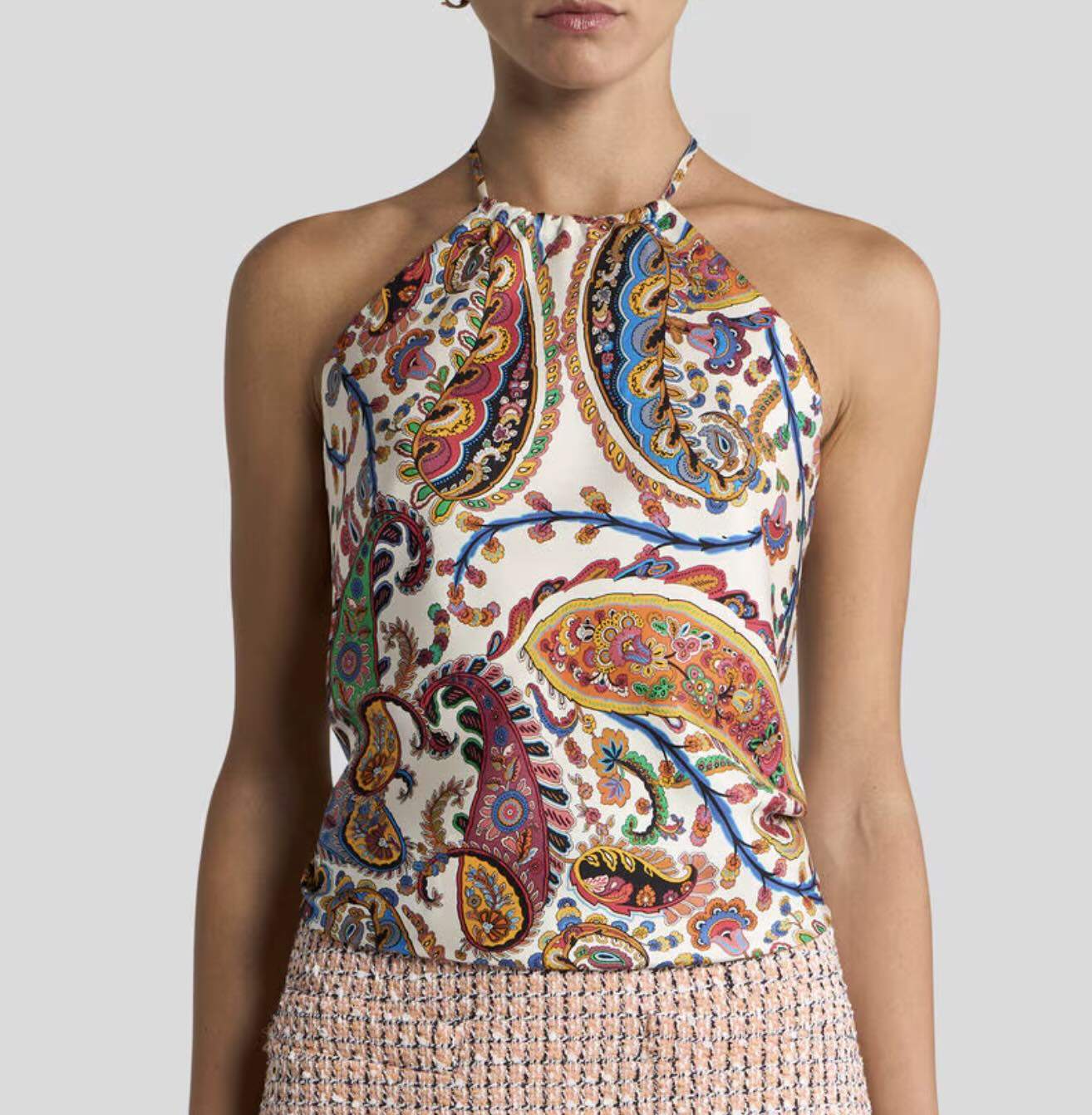
To understand the financial standing of Etro in 2026, one must look back to 1968, when Gerolamo "Gimmo" Etro founded the company as a textile design house. Unlike many luxury brands that started with leather goods or couture, Etro’s primary asset was intellectual property in the form of intricate patterns and high-quality fabric production. Gimmo’s passion for travel and history led him to the Paisley motif, which he rediscovered during a trip to India.
By the 1980s, Etro had successfully leveraged its reputation for fine textiles into a ready-to-wear brand. This horizontal expansion was financially significant because it allowed the company to control the entire value chain—from the weaving of the fabric to the final retail product. By maintaining a high degree of vertical integration, Etro achieved profit margins that exceeded those of competitors who outsourced fabric production. The "Made in Italy" stamp became more than a label; it was the foundation of the brand's premium pricing strategy, which remains a core driver of its net worth.
The Family Dynasty: Distributing Wealth and Responsibility
For decades, Etro was the quintessential family business. Gimmo Etro gradually handed over the reins to his four children, each of whom took charge of a specific division. This internal management structure helped keep executive compensation and dividends within the family, further consolidating their net worth.
- Kean Etro: Served as the creative director of menswear. His focus on "New Tradition" helped the brand maintain its bohemian-chic identity.
- Veronica Etro: Managed the womenswear collections, translating the brand's archival prints into contemporary silhouettes.
- Geronimo Etro: Focused on the brand's business and communications, serving as a key board member during the transition years.
- Ippolito Etro: Acted as the General Manager, overseeing the complex financial operations of a global luxury house.
By the late 2010s, Etro was generating annual revenues in the range of €285 million to €300 million. However, the luxury landscape was changing. The rise of massive conglomerates like LVMH and Kering made it increasingly difficult for independent, family-run brands to compete for prime real estate and digital marketing dominance. This set the stage for the most significant financial event in the company's history.
The L Catterton Acquisition: A €500 Million Valuation
In July 2021, the Etro family made the strategic decision to sell a majority stake (60%) to L Catterton, a private equity firm backed by LVMH and Bernard Arnault’s family holding company. This deal was a watershed moment for the Etro net worth story. The transaction valued the brand at an enterprise value of approximately €500 million ($590 million at the time).
This acquisition did not merely represent a payout for the family; it was a recapitalization aimed at future-proofing the brand. The Etro family retained a 40% stake, ensuring they would benefit from any future growth generated by L Catterton’s management. As of 2026, this partnership has focused on several key financial levers:
- Digital Transformation: Etro historically lagged in e-commerce. L Catterton’s investment has significantly boosted online sales, which typically offer higher margins than wholesale distribution.
- Asian Market Expansion: Much of Etro's growth potential lies in China and Southeast Asia. Institutional capital allowed the brand to open flagship stores in these high-growth regions.
- Category Diversification: While famous for textiles and clothing, the brand has aggressively expanded into homeware (Etro Home Interiors) and fragrances, diversifying its revenue streams.
Financial Performance and Operational Metrics
The valuation of a luxury brand like Etro is not just based on sales, but on brand equity and the scarcity of heritage. Under the leadership of CEO Fabrizio Cardinali (appointed post-acquisition) and Creative Director Marco De Vincenzo, Etro has sought to modernize its image while maintaining its "Bohemian" DNA.
The following table summarizes the key financial milestones and estimated metrics that have shaped the Etro net worth story:
| Period | Key Development | Estimated Valuation/Revenue | Primary Financial Driver |
|---|---|---|---|
| Pre-2019 | Independent Growth | €285M Revenue | Wholesale & Textile Heritage |
| 2021 | L Catterton Stake | €500M Enterprise Value | 60% Stake Acquisition |
| 2022-2024 | Creative Rebranding | Undisclosed | Transition to Marco De Vincenzo |
| 2025-2026 | Global Expansion | Target: €500M+ Revenue | China & E-commerce Growth |
By 2026, the brand's strategy has been to reach a revenue target exceeding €500 million annually. Achieving this milestone would significantly increase the value of the family’s remaining 40% stake, potentially doubling their net worth from the 2021 levels.
The Role of Intellectual Property: The Paisley Archive
A significant portion of Etro’s "worth" is intangible. The brand owns one of the most extensive textile archives in the world, containing thousands of rare patterns, vintage garments, and historical fabrics. In the luxury industry, these archives are equivalent to a bank's capital. They allow the brand to produce "limited edition" and "archive-inspired" collections that command premium prices without the high costs of new R&D.
Furthermore, Etro’s fragrance and home lines are often licensed or managed through partnerships that provide steady royalty streams. These "capital-light" business models are highly attractive to private equity investors because they generate high returns on invested capital (ROIC).
Challenges to Valuation and Market Position
While the Etro story is one of success, maintaining a high net worth in the luxury sector requires navigating significant risks. In 2026, the primary challenges include:
- Supply Chain Inflation: The cost of raw materials (silk, cashmere, and high-end cotton) has risen globally. As a brand committed to Italian production, Etro faces higher manufacturing costs than brands that outsource to lower-cost regions.
- Cultural Relevance: The "Boho-chic" aesthetic is cyclical. The challenge for management is ensuring that the Paisley print remains relevant to Gen Z and Alpha consumers, who prioritize sustainability and digital engagement over traditional heritage.
- Competitive Consolidation: With conglomerates like LVMH continuing to acquire smaller brands, the cost of customer acquisition (CAC) through digital advertising and celebrity endorsements has skyrocketed.
Is Etro Still a "Family" Brand?
The question of whether Etro remains a family brand is central to its brand identity. While the majority ownership has shifted, the Etro family remains visible. Their continued 40% stake acts as a "seal of quality" for loyal customers who value the brand’s history. Financially, this hybrid model—combining family heritage with private equity discipline—is becoming the standard for mid-sized Italian luxury houses (similar to the paths taken by Missoni or Versace).
The family's net worth is no longer tied solely to the annual profits of a single company, but to the diversified growth of a global luxury asset. This transition from "business owners" to "strategic partners" has effectively derisked their wealth while allowing for a much larger upside.
FAQ
Who owns Etro in 2026?
Etro is majority-owned (60%) by L Catterton, a private equity firm. The founding Etro family retains the remaining 40% of the company.
How much is the Etro family worth?
While exact private wealth is not disclosed, the 2021 valuation of the company at €500 million suggests the family's 40% stake was worth at least €200 million at the time, plus the proceeds from the 60% sale and significant private assets.
What is Etro’s most famous product?
The brand is globally recognized for its Paisley print, which is used across its ready-to-wear, accessories, and home collections.
Who is the creative director of Etro?
As of the current 2026 timeframe, Marco De Vincenzo is the Creative Director, having joined the house in 2022 to lead the artistic direction for womenswear, menswear, and home collections.
Where are Etro products made?
Etro maintains a strong commitment to Italian craftsmanship, with the vast majority of its textiles and garments produced in Italy to preserve its luxury status and "Made in Italy" heritage.
Practical Recommendation: Assessing Etro’s Value
For investors and fashion analysts, the "Etro story" serves as a blueprint for the modernization of a heritage brand. If you are tracking the value of luxury assets, focus on the brand's performance in the Asia-Pacific region and its E-commerce penetration rates. These are the two metrics that will determine whether the €500 million valuation from 2021 will triple by the end of the decade. For consumers, the brand's value lies in its textile archives; purchasing "Archive" pieces or signature Paisley items often yields better long-term resale value on luxury consignment platforms than trend-driven seasonal pieces.
Image Gallery