Understanding the US Marine Insurance Group: Structure, Operations, and Market Impact
The US Marine Insurance Group structure typically operates as a specialized Managing General Underwriter (MGU) or Agency, providing expert risk assessment and binding authority for domestic and international maritime operations. Its im...
The US Marine Insurance Group structure typically operates as a specialized Managing General Underwriter (MGU) or Agency, providing expert risk assessment and binding authority for domestic and international maritime operations. Its impact is characterized by providing stabilized capacity, localized expertise in Jones Act requirements, and streamlined claims processing for complex maritime liabilities in the 2026 global trade environment.
Contents
The MGA Framework: Defining the US Marine Insurance Group Structure
To understand the structure of a US Marine Insurance Group, one must first distinguish between a traditional insurance carrier and a Managing General Agent (MGA) or Underwriter (MGU). In the 2026 landscape, the most impactful marine insurance groups operate as MGUs. This structure allows the group to act on behalf of one or several highly rated insurance companies (the "capacity providers").
The structure is hierarchical but agile. At the top sit the capacity providers, often global syndicates or domestic "A" rated carriers that provide the financial backing. The US Marine Insurance Group serves as the underwriting arm, possessing the "pen"—the legal authority to bind coverage, set premiums, and manage the policy lifecycle. This structure is highly efficient because it combines the massive capital reserves of global insurers with the niche, localized expertise of marine specialists who understand the nuances of US waterways, port authorities, and federal maritime laws.
Internally, the group is usually partitioned into functional silos: underwriting, claims advocacy, loss control, and compliance. In 2026, a significant addition to this structure is the Data Analytics Division, which utilizes satellite telemetry and IoT sensors from vessels to adjust risk profiles in real-time. This structural evolution from a purely administrative entity to a tech-enabled risk partner has fundamentally changed how marine insurance is distributed in the United States.
Key Portfolios and Underwriting Segments
The impact of a specialized marine group is most visible through its diverse product portfolios. Marine insurance is not a monolithic product; it is a collection of highly specific coverages tailored to the lifecycle of a vessel and its cargo.
Commercial Hull and Machinery (H&M)
This segment covers physical damage to the vessel itself. The US Marine Insurance Group structure allows for "brown water" (inland rivers, tugs, barges) and "blue water" (oceans, tankers, container ships) specialization. In 2026, hull underwriting has shifted to include coverage for alternative propulsion systems, such as ammonia-ready engines and large-scale battery arrays, which carry unique fire and salvage risks.
Marine General Liability and P&I
Protection and Indemnity (P&I) is the "third-party" element of marine insurance. It covers crew injuries under the Jones Act, pollution, and damage to fixed objects like docks or bridges. The impact of a US-based group here is critical because of the litigious nature of the US legal system. Having a structure that includes local claims adjusters who can be on-site at a Gulf Coast shipyard or a West Coast port within hours is a significant competitive advantage over foreign-based syndicates.
Ocean and Inland Cargo
This covers goods in transit. The structure of modern marine groups now integrates "Inland Marine" more closely with "Ocean Cargo" to provide seamless door-to-door coverage. This eliminates the "grey zones" where a container is damaged between a rail yard and a port, a common point of contention in traditional insurance structures.
The Economic and Operational Impact on the Maritime Industry
The impact of a robust marine insurance group extends far beyond the payment of claims; it serves as a pillar of financial stability for the entire US maritime supply chain. Without the specialized capacity provided by these groups, small to medium-sized vessel operators would find it nearly impossible to secure the bonding and liability limits required to enter major US ports.
Stabilizing Market Capacity
By aggregating capacity from multiple carriers, a marine insurance group can offer higher limits than a single carrier might be willing to risk on its own. This "buffer" effect prevents massive spikes in premiums when a major event—such as a bridge allision or a significant hurricane season—occurs. In 2026, these groups have been instrumental in maintaining coverage for routes affected by geopolitical shifts, ensuring that US trade remains resilient.
Driving Safety and Loss Control
One of the most profound impacts is the "advisory" role these groups play. They employ Master Mariners and marine engineers who conduct pre-risk surveys. By mandating specific safety protocols or technological upgrades (such as AI-driven collision avoidance systems) as a condition of coverage, the insurance group actively reduces the frequency of maritime accidents. This creates a virtuous cycle: better safety leads to fewer claims, which eventually stabilizes premiums for the entire industry.
Navigating the 2026 Regulatory Landscape
The structure of US marine insurance is heavily influenced by a complex web of federal and international regulations. A primary impact of these groups is helping their clients remain compliant in an increasingly monitored environment.
- The Jones Act (Merchant Marine Act of 1920): This requires that goods shipped between US ports be carried on ships that are US-built, US-owned, and US-crewed. The insurance group’s structure must include legal experts capable of navigating the unique liability requirements for crew members under this act, which differs significantly from standard state-level workers' compensation.
- IMO 2026 Carbon Standards: As the International Maritime Organization (IMO) tightens carbon intensity indicators, insurance groups have introduced "Green Endorsements." These provide premium credits for vessels that meet strict emissions targets, effectively using the insurance structure to incentivize decarbonization.
- OFAC and Sanctions Compliance: In the 2026 geopolitical climate, the "Impact" of an insurance group includes acting as a gatekeeper. They must ensure that neither the cargo, the vessel owner, nor the destination violates US Department of the Treasury sanctions. A failure in this structural component can lead to massive federal fines and the loss of underwriting licenses.
Comparative Overview of Marine Insurance Structures
The following table compares the typical organizational structures found within the US marine insurance market in 2026.
| Feature | Managing General Underwriter (MGU) | Traditional Direct Carrier | Lloyd’s Syndicate (US Access) |
|---|---|---|---|
| Decision Speed | High (Local Autonomy) | Moderate (Corporate Layers) | Variable (London-based) |
| Risk Appetite | Niche & Specialty | Broad & Standardized | High-Risk & Complex |
| Primary Advantage | Deep Technical Expertise | Balance Sheet Strength | Global Reach |
| Distribution | Independent Brokers | Direct or Captive Agents | Specialist Lloyd's Brokers |
| Regulatory Focus | State & Federal (Admitted) | National (Admitted) | Surplus Lines (Non-Admitted) |
| Claims Handling | Specialized In-House | General TPA or In-House | Specialized Third-Party |
Technological Integration and Future Outlook
By 2026, the "structure" of a marine insurance group is as much about software as it is about policy wording. The integration of Blockchain for Smart Contracts has started to automate the "General Average" process—a centuries-old maritime principle where all stakeholders share the losses of a voyage. Traditionally, settling General Average could take years; with modern data structures, these groups can now resolve these claims in months.
Furthermore, the impact of Predictive Modeling cannot be overstated. Using historical weather patterns, port congestion data, and real-time hull stress monitoring, US marine insurance groups can now warn captains of potential risks before they materialize. This proactive stance marks a shift from a reactive "pay-for-damage" model to a "risk-avoidance" model.
FAQ
What is the primary role of a US Marine Insurance Group?
A US Marine Insurance Group primarily acts as a specialized intermediary and underwriter that designs, prices, and manages insurance policies for maritime risks. They provide the technical expertise necessary to cover complex exposures like cargo damage, hull collisions, and maritime employer liability that general insurance companies are often unequipped to handle.
How does the Jones Act affect the structure of these insurance policies?
The Jones Act requires specific liability coverage for "seamen" that is distinct from standard land-based workers' compensation. Consequently, the insurance group must structure its Protection and Indemnity (P&I) policies to include "Jones Act Extensions" and "Maritime Employer’s Liability" (MEL) to protect shipowners from the high costs of maritime injury litigation.
Why is an MGA structure common in marine insurance?
The MGA (Managing General Agent) structure is common because marine insurance requires highly specialized knowledge that many large, general-purpose insurance companies do not have in-house. By partnering with an MGA, a large carrier can put its capital to work in the marine sector while the MGA handles the complicated day-to-day tasks of underwriting and risk engineering.
What is the impact of "Inland Marine" insurance on the US group structure?
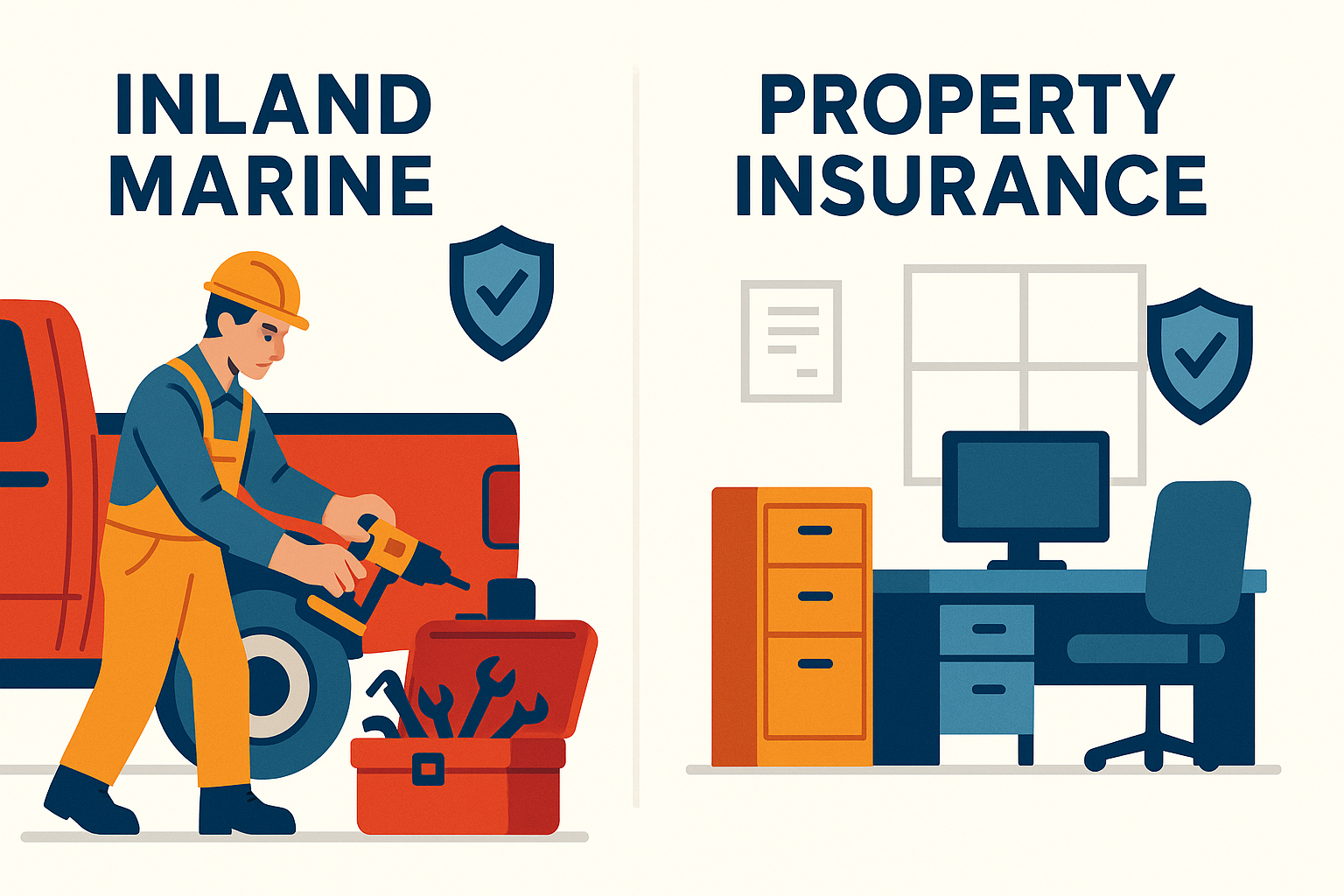
Despite the name, "Inland Marine" often covers property in transit on land (trucks/trains) or high-value mobile equipment. A comprehensive US Marine Insurance Group integrates Inland Marine into its structure to provide "cradle-to-grave" coverage, ensuring that a shipment is covered from a warehouse in the Midwest to a ship in the Port of Savannah and finally to its destination overseas.
How are 2026 environmental regulations changing marine insurance?
In 2026, environmental regulations are driving the creation of "Sustainability Linked Insurance." This means the structure of the policy may include clauses that adjust premiums based on the vessel's fuel efficiency or its use of "clean" shore power while in port. This creates a direct financial impact, rewarding shipowners for reducing their carbon footprint.
Practical Recommendation
When engaging with a US Marine Insurance Group, it is essential to verify their security rating (e.g., A.M. Best or S&P) and their claims-paying reputation. Because many groups operate as MGUs, ensure you understand which carrier is actually providing the paper (the financial backing). For operations involving US waters, prioritize groups with dedicated Jones Act claims specialists and a localized loss-control team. Navigating the 2026 maritime environment requires a partner that offers more than just a policy; you need a group whose structure supports real-time data integration and provides proactive risk mitigation strategies to keep your vessels moving safely and compliantly.
Image Gallery


Insight/2026/03.2026/03.20.2026_Insurance%20Weekly/03-national-union-fire-insurance-company-of-pittsburgh.jpg?width=1237&height=872&name=03-national-union-fire-insurance-company-of-pittsburgh.jpg)