Water Damage Restoration Atlanta: Professional Mitigation and Recovery Standards for 2026
Professional water damage restoration in Atlanta involves rapid assessment, water extraction, and structural drying to prevent mold growth and structural decay. Given Georgia’s high humidity, immediate intervention within 24 to 48 hour...
Professional water damage restoration in Atlanta involves rapid assessment, water extraction, and structural drying to prevent mold growth and structural decay. Given Georgia’s high humidity, immediate intervention within 24 to 48 hours is critical to mitigate secondary damage and ensure a property meets IICRC S500 safety standards for professional occupancy and health.
Contents
Immediate Response and Safety Protocols in Atlanta
When water intrusion occurs in an Atlanta property—whether from a burst pipe in Midtown, a flash flood in Buckhead, or a faulty appliance in a suburban residence—the first 24 hours are the most critical. The high ambient humidity in the Georgia climate accelerates the degradation of organic materials like drywall and wood, making rapid response not just a convenience, but a structural necessity.
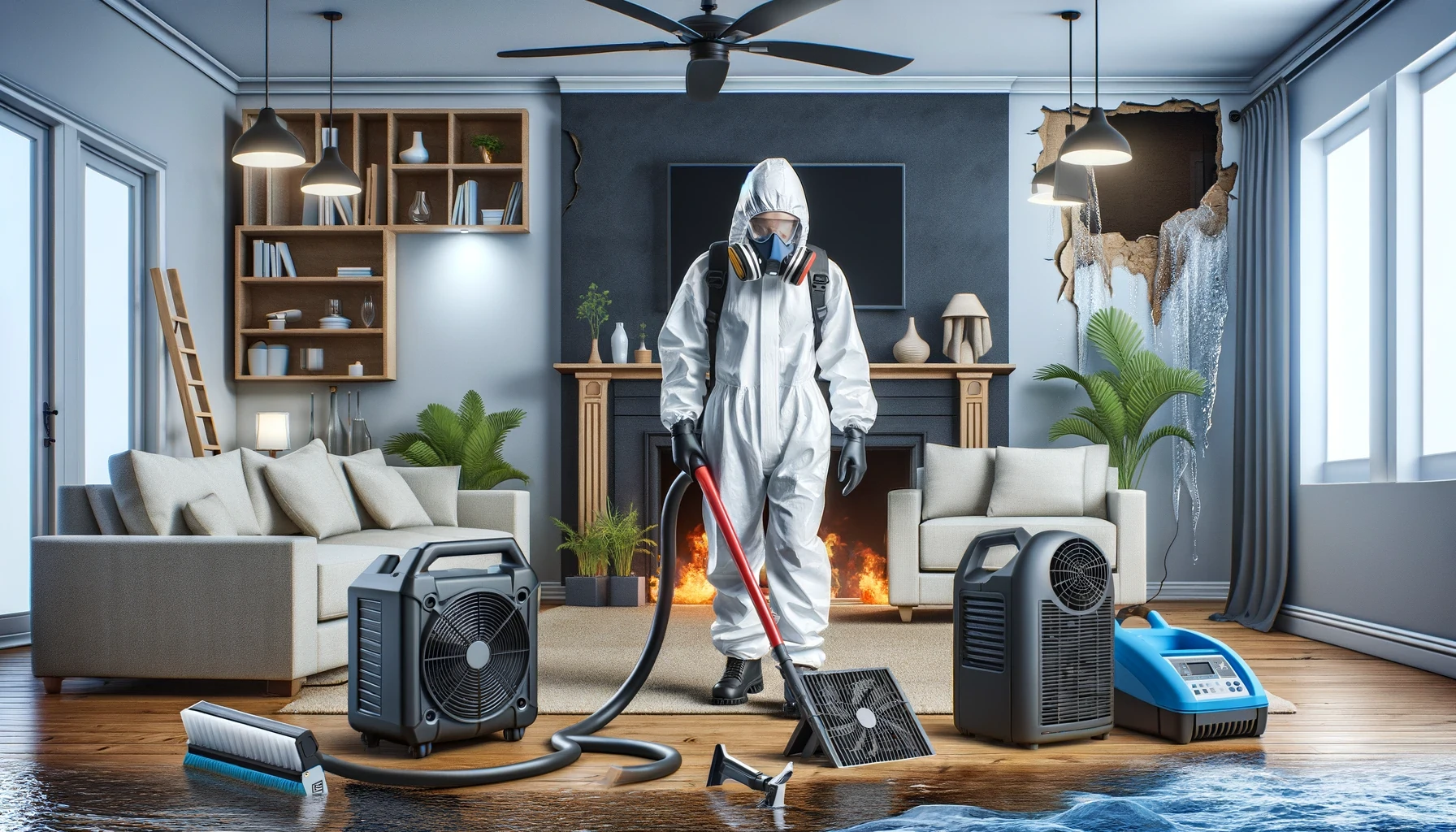
Safety is the primary concern during the initial phase. Before any restoration work begins, the property must be secured. This involves identifying and stopping the source of the water if it hasn't already been addressed. If the water has reached electrical outlets or is dripping through light fixtures, the main power supply must be shut off to prevent electrocution. Furthermore, standing water can contain pathogens, especially if the source is a sewage backup or outdoor flooding. These scenarios require specialized Personal Protective Equipment (PPE) including respirators, gloves, and waterproof suits to prevent exposure to "black water" contaminants.
Homeowners and facility managers should document the scene with photographs and videos before any water is removed. This documentation is vital for insurance claims in 2026, as adjusters require clear evidence of the original "loss" to determine coverage limits. Avoid walking on wet carpets or entering rooms where ceilings are sagging, as these indicate significant weight-bearing stress that could lead to collapse.
The Technical Restoration Process: From Extraction to Reconstruction
The professional restoration process follows a standardized sequence defined by the Institute of Inspection Cleaning and Restoration Certification (IICRC). In the Atlanta market, where high-rise condos and sprawling single-family homes present different logistical challenges, these steps ensure a thorough recovery.
1. Inspection and Damage Assessment
Restoration professionals use specialized tools to identify the extent of water migration. While a floor may look dry, water often "wicks" up drywall or seeps into the subfloor. Moisture meters (both invasive and non-invasive) and infrared thermal imaging cameras are used to map the "moisture map" of the property. This data determines the "Class" and "Category" of the water damage, which dictates the drying strategy.
2. Water Removal and Extraction
The goal is to remove as much standing water as possible in the liquid state, as this is significantly faster than evaporation. Industrial-grade truck-mounted vacuum systems or portable extraction units are used to pull water from carpets, padding, and upholstery. In cases of significant flooding, submersible pumps may be required to clear basements or crawlspaces.
3. Structural Drying and Dehumidification
Once liquid water is removed, the focus shifts to moisture trapped within building materials. This is where the physics of psychrometrics comes into play. Professionals use high-velocity air movers to create airflow across surfaces, accelerating evaporation. However, simply moving air isn't enough; the resulting moisture in the air must be removed. Large-scale LGR (Low Grain Refrigerant) dehumidifiers or desiccant dehumidifiers are deployed to pull moisture from the air, maintaining a low relative humidity that "pulls" water out of the structural elements.
4. Cleaning and Sanitization
Water damage often brings odors and microbial concerns. All restorable items are cleaned using antimicrobial treatments. For Category 2 (gray water) or Category 3 (black water) losses, sanitization is intensive and may involve the removal of "porous" materials like carpet padding and insulation that cannot be effectively disinfected.
5. Monitoring and Completion
Technicians return to the site daily to take moisture readings. The drying process is not complete until the affected materials reach their "dry goals"—the moisture levels typical for that material in a dry Atlanta environment. Only after these goals are met can the reconstruction phase begin, which includes hanging new drywall, painting, and installing new flooring.
Understanding Water Categories and Classes
The IICRC S500 standard categorizes water damage based on the level of contamination and the complexity of the drying process. Understanding these distinctions is essential for determining the cost and the safety of the restoration project.
| Classification | Definition | Typical Examples |
|---|---|---|
| Category 1 (Clean Water) | Water from a clean source; poses no substantial risk to humans. | Broken supply lines, tub overflows, melting ice. |
| Category 2 (Gray Water) | Contains significant contamination; potential to cause discomfort or sickness. | Dishwasher or washing machine discharge, toilet overflow (urine only). |
| Category 3 (Black Water) | Grossly contaminated; contains pathogenic, fungal, or chemical agents. | Sewage, rising floodwater from rivers/streams, seawater. |
| Class 1 (Slow Evaporation) | Minimal moisture absorption into the room; only part of the area is wet. | Plywood or concrete floor with minimal wicking. |
| Class 2 (Fast Evaporation) | Entire room is wet; water has wicked up walls 12 to 24 inches. | Seepage into carpet and cushions across a whole room. |
| Class 3 (Fastest Evaporation) | Water comes from overhead; ceilings, walls, and subfloors are saturated. | Burst pipe in the attic or floor above. |
| Class 4 (Specialty Drying) | Deeply held moisture in low-porosity materials. | Hardwood floors, plaster, brick, and stone. |
The Atlanta Climate Factor: Humidity and Mold Risk
Atlanta’s climate, characterized by long, humid summers and moderate rainfall, poses a specific challenge for water restoration. In 2026, the average humidity in the metro area remains high enough that secondary mold growth can begin within 48 hours of a water event. Mold spores are ubiquitous, but they require moisture and a food source (like the paper backing on drywall) to colonize.
If a property is not dried to professional standards, mold can proliferate within wall cavities, often remaining invisible until it has caused significant respiratory issues for occupants or structural rot. This is why "DIY drying" with household fans is frequently insufficient in Georgia. Professional-grade dehumidification is the only way to counteract the high local humidity and ensure that the "vapor pressure" favors drying rather than mold incubation.
Furthermore, Atlanta’s aging infrastructure in older neighborhoods like Virginia-Highland or Inman Park often means that plumbing systems are more susceptible to failure. Conversely, newer construction in the surrounding counties often uses materials that, while energy-efficient, may trap moisture more readily if a leak occurs, necessitating more sophisticated drying equipment.
Navigating Insurance Claims for Water Damage
In 2026, navigating insurance for water damage in Georgia requires meticulous documentation and an understanding of policy nuances. Most standard homeowners' policies cover "sudden and accidental" water damage, such as a burst pipe. However, they rarely cover damage resulting from "gradual seepage" (e.g., a slow leak that has persisted for months) or "rising groundwater" (flooding from the outside), which typically requires a separate policy through the National Flood Insurance Program (NFIP).
When filing a claim, the restoration company should provide a detailed Scope of Work and an estimate using industry-standard software like Xactimate. This ensures that the pricing is aligned with what insurance carriers expect to pay for the Atlanta zip code. Key coverage areas to check include:
- Replacement Cost Value (RCV) vs. Actual Cash Value (ACV): Does the policy pay for new materials or depreciated ones?
- Loss of Use / Additional Living Expenses (ALE): Does the policy cover hotel costs if the home is uninhabitable during drying?
- Mold Endorsements: Many policies have a cap (e.g., $5,000 or $10,000) on mold remediation, which can be exceeded quickly in the Atlanta climate if the initial water damage wasn't handled properly.
Frequently Asked Questions
How long does the drying process usually take?
In most Atlanta properties, the professional drying process takes between 3 to 5 days. This duration depends on the "Class" of the water damage and the materials involved. Hardwood floors and dense masonry (Class 4) may take longer, whereas a simple Category 1 leak on a concrete floor might be resolved more quickly.
Is it safe to stay in my home during water restoration?
If the damage is Category 1 and confined to a small area, it is usually safe to stay. However, if the water is Category 3 (sewage) or if the noise and heat from industrial air movers and dehumidifiers make the environment uncomfortable, it is often recommended to vacate. Furthermore, if mold has been identified, the area must be "contained" under negative air pressure, making it inaccessible to residents.
Will my insurance pay for the restoration?
Insurance typically covers water damage that is "sudden and accidental." This includes burst pipes, water heater failures, and washing machine overflows. It usually excludes damage caused by lack of maintenance or long-term leaks. It also excludes "flood" damage from external rising water unless you have a specific flood insurance policy.
Can I just dry the carpet myself with a shop vac?
While a shop vac can remove some surface water, it cannot extract the moisture trapped in the carpet padding or the subfloor. In Atlanta’s humidity, leaving the padding wet creates a high risk for mold growth. Professional extraction and high-capacity dehumidification are required to ensure the structure is truly dry.
What are the signs of hidden water damage?
Signs include a musty odor, peeling paint or wallpaper, warped flooring, and "ghosting" or yellow/brown staining on ceilings and walls. If your water bill has increased unexpectedly, it may also indicate a hidden leak behind a wall or under a slab.
Strategic Recommendation for Property Owners
For property owners in the Atlanta metropolitan area, the recommended course of action following a water event is to prioritize mitigation over repair. Immediate extraction and professional drying are significantly more cost-effective than allowing mold to develop, which would necessitate expensive remediation and a much longer reconstruction period. Always verify that your chosen restoration provider is IICRC certified and carries appropriate pollution liability insurance, which covers mold and bacterial contamination. Documentation should be your priority: keep a log of all communications with your insurance company and save all receipts related to the loss for potential reimbursement.
Image Gallery