How Long is the Account Number on a Check? A Complete Identification Guide
An account number on a standard check is typically between 8 and 12 digits long, though the length can range from 4 to 17 digits depending on your financial institution's specific internal systems. This number is found within the MICR...
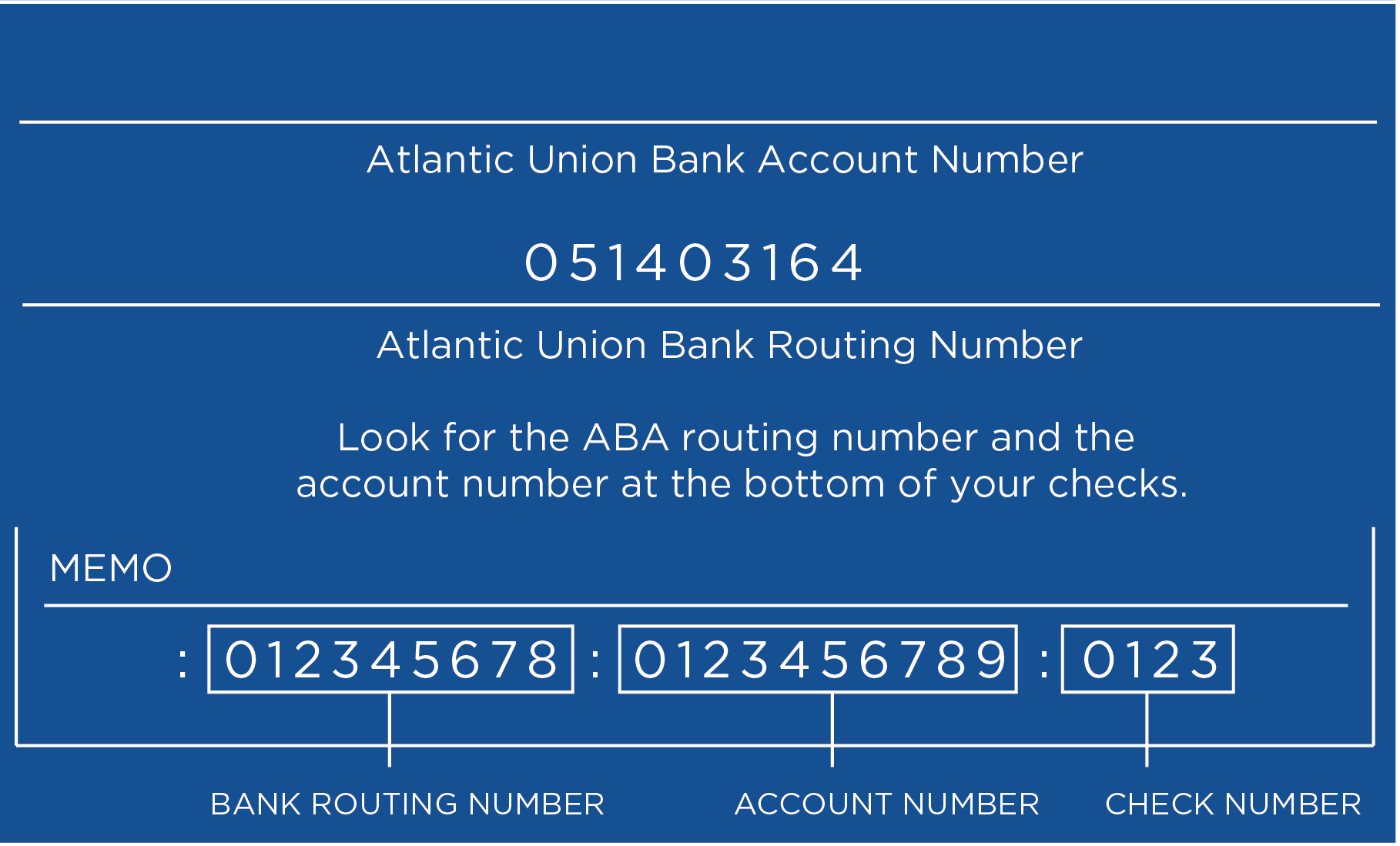
An account number on a standard check is typically between 8 and 12 digits long, though the length can range from 4 to 17 digits depending on your financial institution's specific internal systems. This number is found within the MICR line at the bottom of your check, usually positioned between the routing number and the check number.
Contents
Understanding the structure of your personal or business check is a fundamental aspect of managing your finances in 2026. While digital payments and peer-to-peer (P2P) transfers have become the norm, paper checks and their digital equivalents (e-checks) still rely on the same traditional numbering architecture. Knowing exactly how to identify your account number and its length is critical for setting up direct deposits, paying taxes, or authorizing automatic bill payments.
The Standard Range of Account Number Lengths
There is no single federal regulation in the United States that mandates a specific length for a bank account number. Instead, the length is determined by the individual bank or credit union’s core banking software and historical data structures.
The Most Common Lengths
For the vast majority of consumers banking with major national institutions like Chase, Bank of America, or Wells Fargo, the account number will fall between 9 and 12 digits. Larger institutions often use longer sequences to accommodate their massive customer bases and to include internal "check digits" that help prevent clerical errors.
Small Banks and Credit Unions
Smaller local banks and credit unions may use significantly shorter account numbers, sometimes as few as 4 to 6 digits. Conversely, some specialized financial institutions or international banks operating within the U.S. might extend their sequences up to 17 digits. If your account number is on the shorter side, you do not need to add leading zeros unless specifically instructed by a payment portal or form.
Anatomy of the Check: The MICR Line
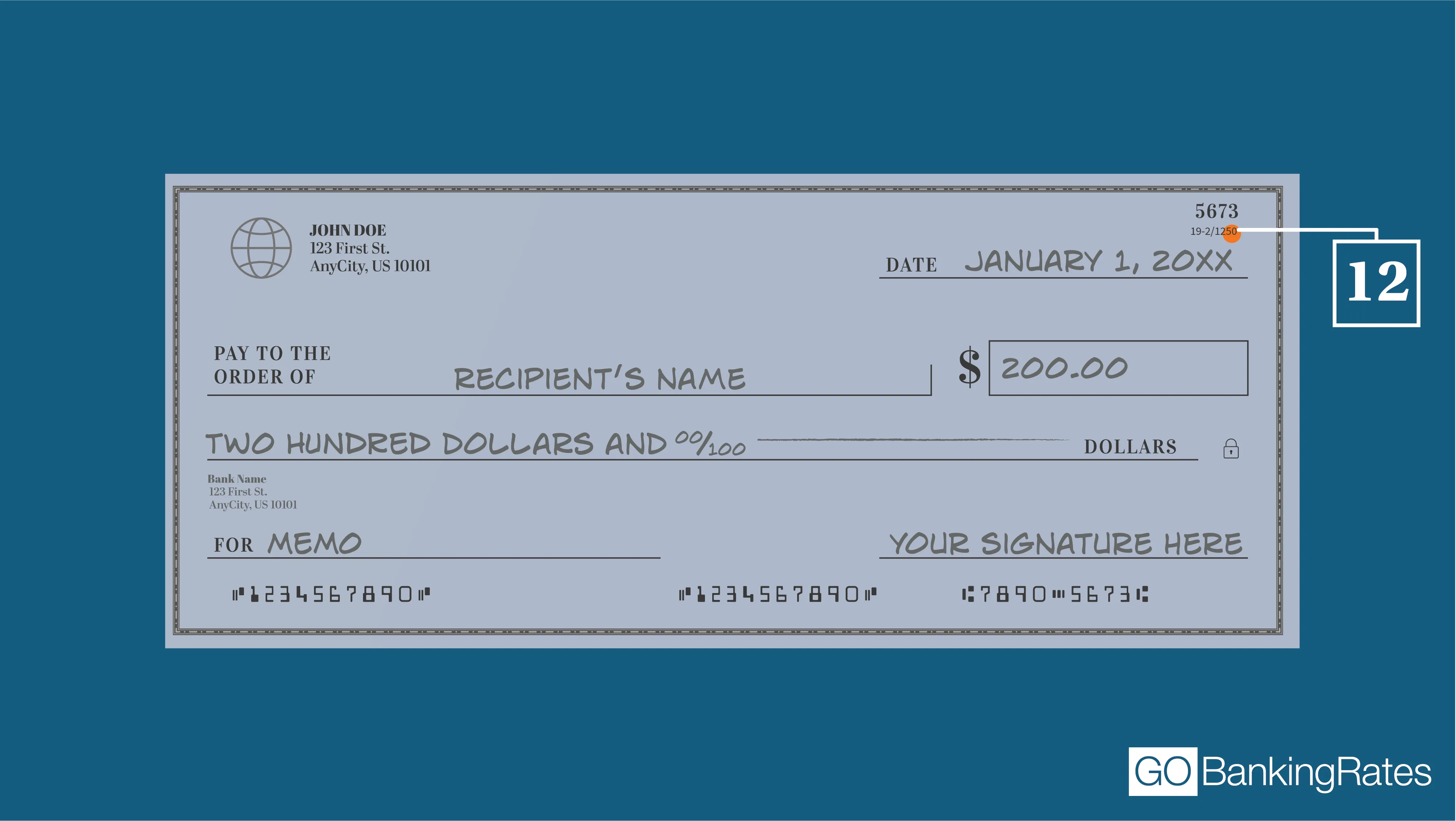
To accurately determine the length of your account number, you must first know how to isolate it from the other numbers printed on the check. This bottom row of numbers is known as the MICR line, which stands for Magnetic Ink Character Recognition.
The MICR line is printed using a special font (usually E-13B in North America) and contains magnetic ink or toner that allows high-speed processing machines to read the data even if it has been written over or smudged.
The Three Components of the MICR Line
- The Routing Number: This is always a 9-digit sequence. It identifies the specific financial institution responsible for the funds. It is usually the first set of numbers on the left and is flanked by a specific transit symbol (⑆).
- The Account Number: This is the middle set of digits in most layouts. It is unique to your specific account.
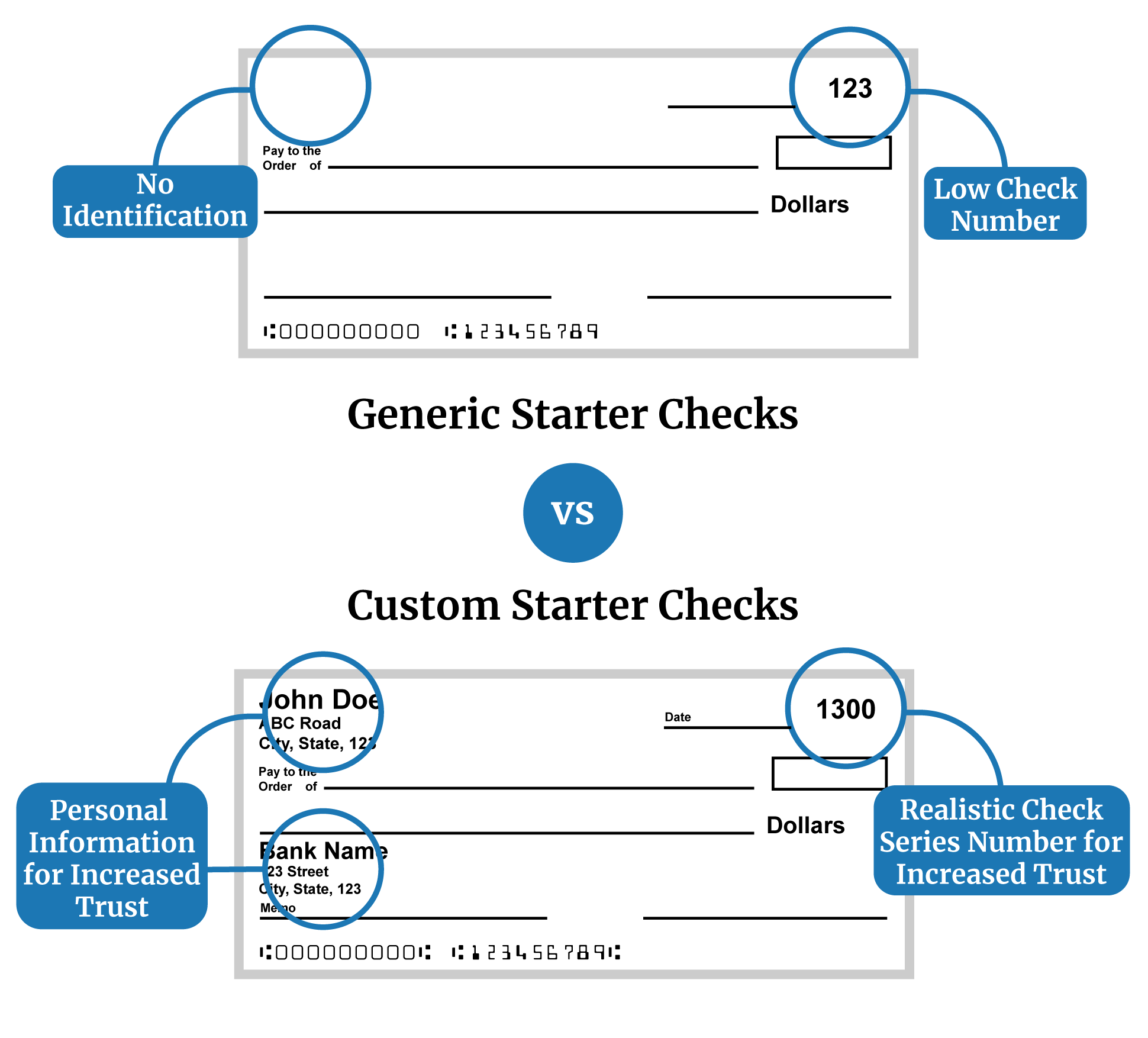
- The Check Number: This matches the number printed in the top-right corner of the check. It is typically 3 to 4 digits long for personal checks, though business checks may have longer sequences.
Identifying the "On-Us" Symbols
On a check, the account number is often surrounded by a symbol known as the "On-Us" symbol (⑈). This symbol indicates to the reader that the digits following it are internal to the bank (i.e., the account number). In some check designs, the check number may appear before the account number, but the routing number almost always remains the 9-digit sequence at the far left.
Why Account Number Lengths Vary
The variation in account number length is not arbitrary; it is rooted in the technological evolution of the banking industry.
Legacy Systems vs. Modern Infrastructure
Many banks still operate on "legacy" core systems—mainframe computers that were programmed decades ago. These systems were often built with fixed-length fields for account numbers. When a bank merges with another, they may inherit different numbering schemes, leading to a mix of lengths within the same institution.
Error Detection and Security
Longer account numbers often include one or two "check digits." These are numbers calculated using a specific mathematical algorithm based on the other digits in the sequence. If a user mistypes their account number during an online transaction, the check digit will not match the algorithm's result, allowing the system to flag the error immediately before the transaction is processed. This is a primary reason why many modern banks prefer sequences of at least 10 digits.
Comparison of Check Numbering Components
The following table breaks down the differences between the three main numbers found at the bottom of a check to help you avoid confusion.
| Component | Standard Length | Purpose | Placement on MICR Line |
|---|---|---|---|
| Routing Number | Exactly 9 Digits | Identifies the bank/financial institution | Usually the far-left sequence |
| Account Number | 4 to 17 Digits | Identifies your specific unique account | Usually the middle sequence |
| Check Number | 3 to 10 Digits | Identifies the specific check leaf | Usually the far-right sequence |
How to Find Your Account Number Without a Paper Check
In 2026, many consumers use "checkless" checking accounts or simply run out of physical checks. If you need to know the length and digits of your account number for a wire transfer or direct deposit, you have several reliable alternatives:
1. Mobile Banking App and Online Portals
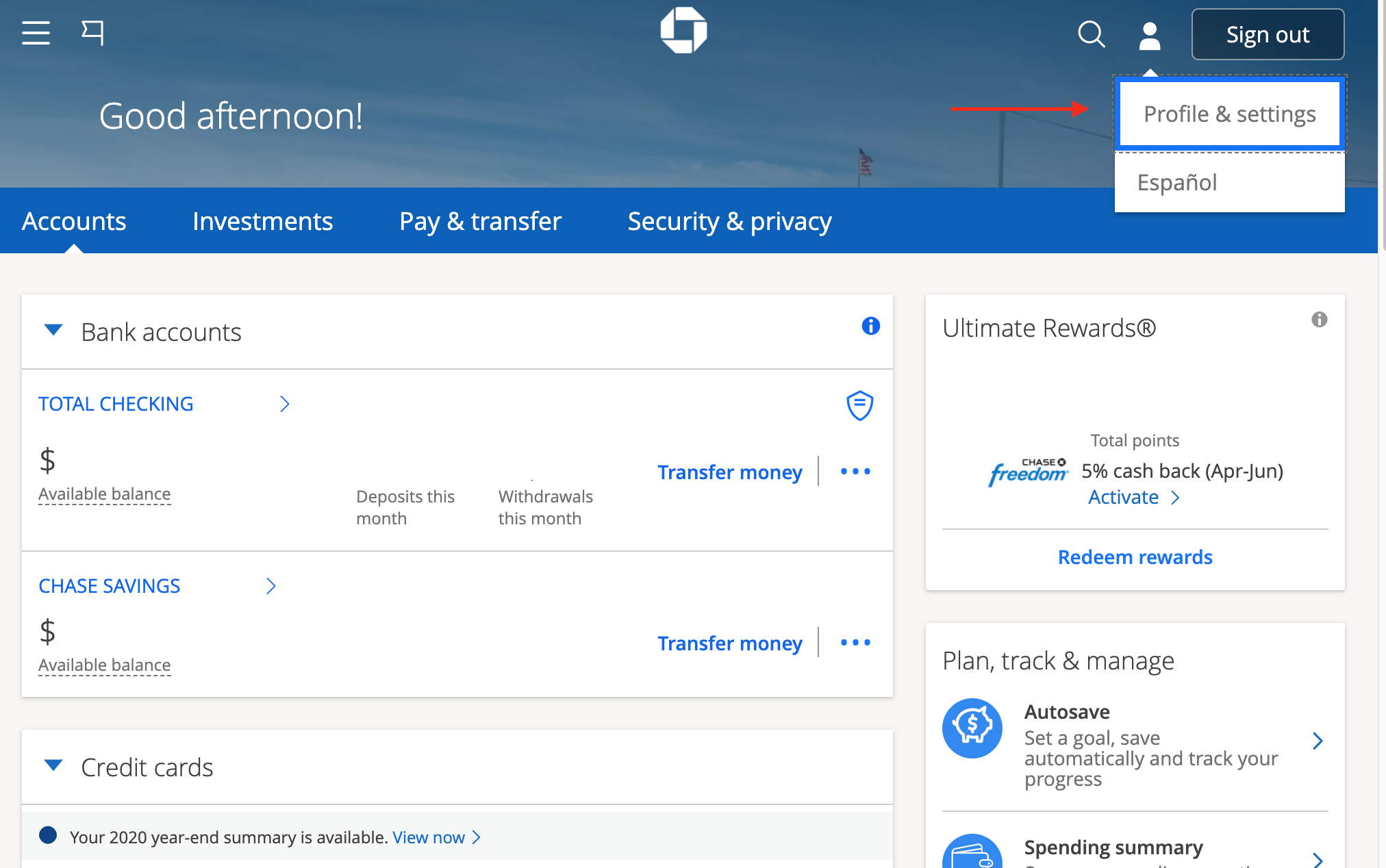
Most banking apps allow you to view your full account and routing numbers. For security reasons, these are often "masked" (showing only the last four digits). Look for a "Details," "Info," or "Account Management" tab where you can click an eye icon to reveal the full sequence.
2. Monthly Bank Statements
Your monthly statement, whether received by mail or as a PDF e-statement, will list your account number. However, be aware that some banks mask the middle digits on statements to protect against identity theft if the document is intercepted.
3. Contacting the Bank
You can call your bank’s customer service line or visit a branch in person. For security purposes, you will need to provide government-issued identification or answer multi-factor authentication (MFA) prompts before they will disclose the full number.
Common Mistakes When Identifying Account Numbers
Misidentifying the account number is a leading cause of rejected ACH (Automated Clearing House) transfers and "Return to Sender" payments.
- Including the Check Number: The most frequent error is including the check number at the end of the account number. If your account number is
12345678and the check number is101, entering12345678101will result in a failed transaction. - Confusing Routing and Account Numbers: Always remember that the routing number is the institution’s "address" and the account number is your "apartment number." The routing number is always 9 digits; if the number you are looking at is not 9 digits, it is almost certainly not the routing number.
- Ignoring Leading Zeros: If your bank provides an account number that starts with one or more zeros (e.g.,
000123456), you must include those zeros when setting up electronic transfers. Some systems treat123456and000123456as entirely different records.
International Variations: IBAN and Beyond
If you are dealing with checks or transfers outside of the United States, the length of the account number changes significantly.
Canada
Canadian checks use a similar MICR system but structured differently. They use a 5-digit transit number, a 3-digit financial institution number, and then the account number, which is typically 7 to 12 digits.
United Kingdom and Europe
In Europe and many other parts of the world, the concept of a standalone "account number" is being replaced by the IBAN (International Bank Account Number). An IBAN can be up to 34 characters long and includes a country code, check digits, and the bank’s branch code alongside the account number.
Frequently Asked Questions
Can an account number be only 4 digits?
Yes, some older accounts at small credit unions or local banks may still use 4-digit account numbers. While rare in 2026, they are still valid. If an online form requires more digits, you may need to contact your bank to ask if you should use leading zeros.
Is the routing number or account number first on a check?
On the vast majority of U.S. personal checks, the routing number is the first 9-digit sequence on the bottom left. The account number usually follows it. However, on some business checks, the check number may appear first, followed by the routing number and then the account number.
Does the account number change if I order new checks?
No. Your account number remains the same regardless of how many boxes of checks you order, provided you are staying within the same specific account (e.g., your primary checking). If you close the account and open a new one, you will receive a new account number.
Why is my account number a different length than my spouse's?
If you and your spouse have accounts at different banks, the lengths will likely differ based on each bank's internal protocol. Even at the same bank, different types of accounts (savings vs. checking vs. money market) can sometimes have different length formats.
What should I do if my check doesn't have a middle number?
If the MICR line looks unusual or only has two sets of numbers, it is possible the account number and check number are combined or formatted differently. In this case, refer to your digital banking app or a recent statement to verify the correct digits before attempting a transaction.
Practical Recommendation for 2026
When you are required to provide your account number for a high-stakes transaction—such as an IRS tax refund or a mortgage down payment—do not rely solely on your visual interpretation of a paper check. Instead, log into your official banking portal and navigate to the "Direct Deposit Information" or "ACH Details" section. This area is designed to provide the exact, computer-ready sequence of numbers your bank expects to receive, including any necessary leading zeros and excluding the check number.
Taking thirty seconds to verify this information digitally can prevent the significant delays and potential fees associated with a rejected electronic transfer.
Image Gallery