Best Stability Shoes for Women: Finding the Right Support and Motion Control
The best stability shoes for women combine targeted medial support, reliable cushioning, and a secure fit to help runners and walkers manage mild-to-moderate overpronation, reduce joint fatigue, and maintain proper biomechanical alignm...
The best stability shoes for women combine targeted medial support, reliable cushioning, and a secure fit to help runners and walkers manage mild-to-moderate overpronation, reduce joint fatigue, and maintain proper biomechanical alignment during long miles.
Contents
When shopping for stability footwear, finding the right pair involves evaluating how your feet move through the gait cycle, understanding the technological mechanisms used to control excessive inward rolling, and matching these elements to your unique foot shape and activity level. Stability running and walking shoes are engineered specifically for individuals who overpronate—a biomechanical condition where the foot rolls inward excessively after striking the ground, placing extra stress on the arches, ankles, shins, and knees.
Navigating the market requires looking past aesthetic appeal and focusing on structural integrity, midsole density, upper breathability, and overall fit. Modern stability footwear has evolved significantly from the rigid, heavy, and unforgiving blocks of the past. Today's models leverage advanced geometry, dual-density foams, and guiding structural rails to deliver smooth transitions without sacrificing comfort.
Understanding Overpronation and Why Stability Shoes Matter
Pronation is a natural movement of the foot that occurs as it hits the ground, helping to absorb shock and distribute body weight evenly. However, when this inward roll becomes excessive, it is classified as overpronation. Overpronation forces the lower leg to internalize rotation, which can cascade upward and affect the knees, hips, and lower back.
Stability shoes are specifically designed to counteract this excessive inward rolling. Unlike neutral shoes, which provide cushioning and shock absorption without targeted structural correction, stability models feature distinct architectural elements. These features reinforce the medial (inner) side of the foot to guide it into a more efficient, neutral path of motion.
Recognizing whether you need a stability shoe typically involves evaluating your wear patterns on older footwear and assessing your arch height. People with low arches or flat feet are frequently overpronators, though individuals with medium arches can also overpronate, particularly as foot muscles fatigue during endurance activities. Incorporating a proper diagnostic step, such as a gait analysis at a specialty running store, ensures that you choose the right category of footwear for your biomechanical needs.
Key Technologies in Modern Women's Stability Footwear
Footwear manufacturers employ several engineering strategies to provide stability. Understanding these technologies will help you determine which design philosophy best suits your running or walking style.
Medial Posts
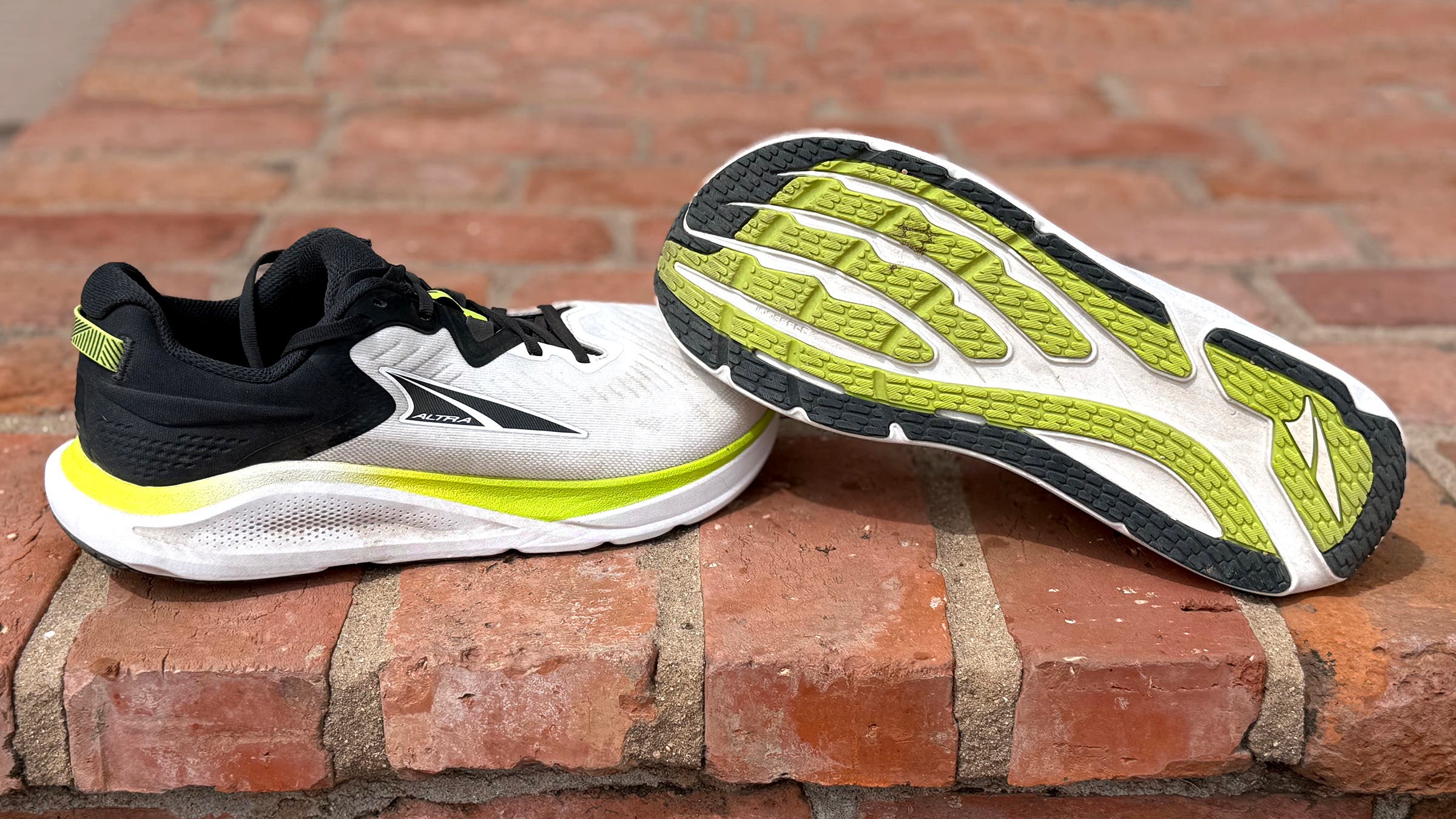
The traditional method for controlling overpronation is the medial post—a wedge of firmer-density foam (often EVA) or thermoplastic material embedded into the midsole on the inner side of the shoe. When your foot begins to roll inward, the firmer foam resists compression, slowing down the pronation velocity and gently nudging the foot back outward.
Guidance Rails and Dynamic Support Systems
Many modern stability shoes have moved away from traditional medial posts in favor of holistic guidance systems. Instead of propping up the arch, these systems act like bumper bowling lanes. Brands utilize dual-density foam frameworks or raised sidewalls on both the lateral and medial sides. These structures guide the foot along a predetermined path, offering support only when excess motion is detected while allowing neutral movement otherwise.
Wider Platforms and Anatomical Lasts
Another foundational element of stability design is geometric footing. Stability shoes often feature a slightly wider midsole base beneath the midfoot and forefoot. A broader platform increases surface area contact and naturally prevents the foot from tipping inward or outward, enhancing overall balance during the stance phase of the stride.
Feature Comparison of Leading Women's Stability Shoes
To help narrow down your choices, the following comparison highlights several prominent stability models designed for women, detailing their primary support mechanisms, cushioning profiles, and ideal use cases.
| Shoe Model | Primary Support Technology | Cushioning Profile | Best Suited For |
|---|---|---|---|
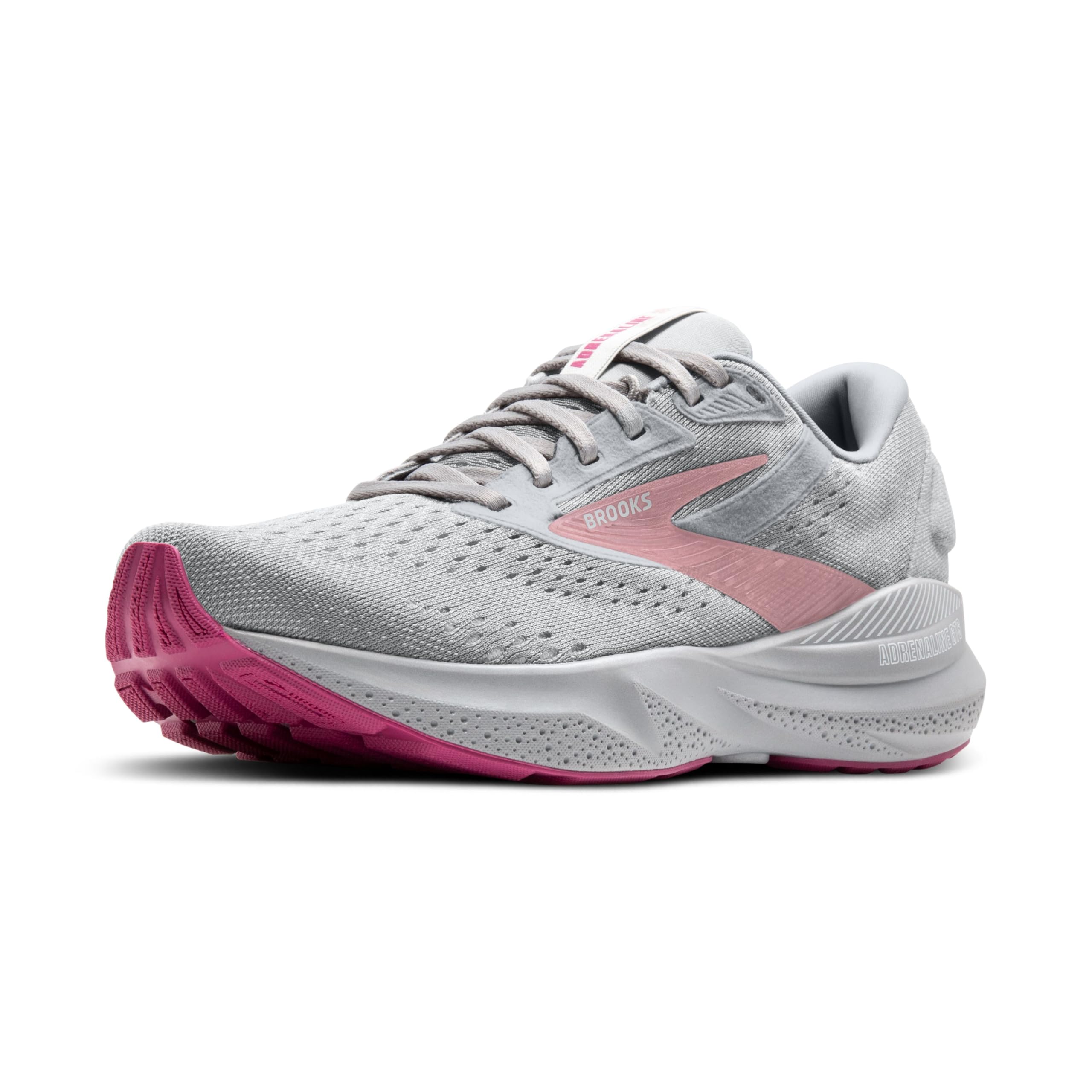
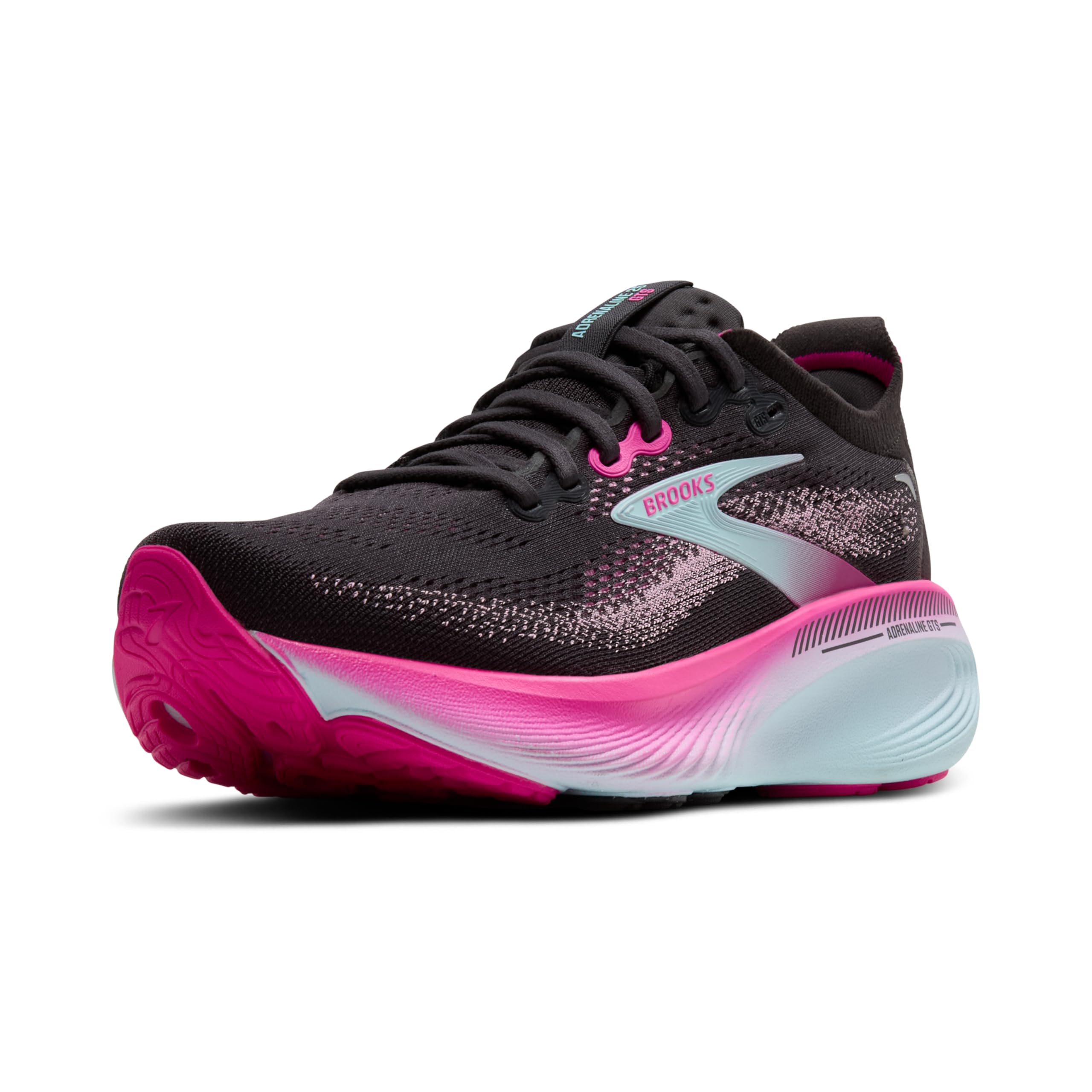
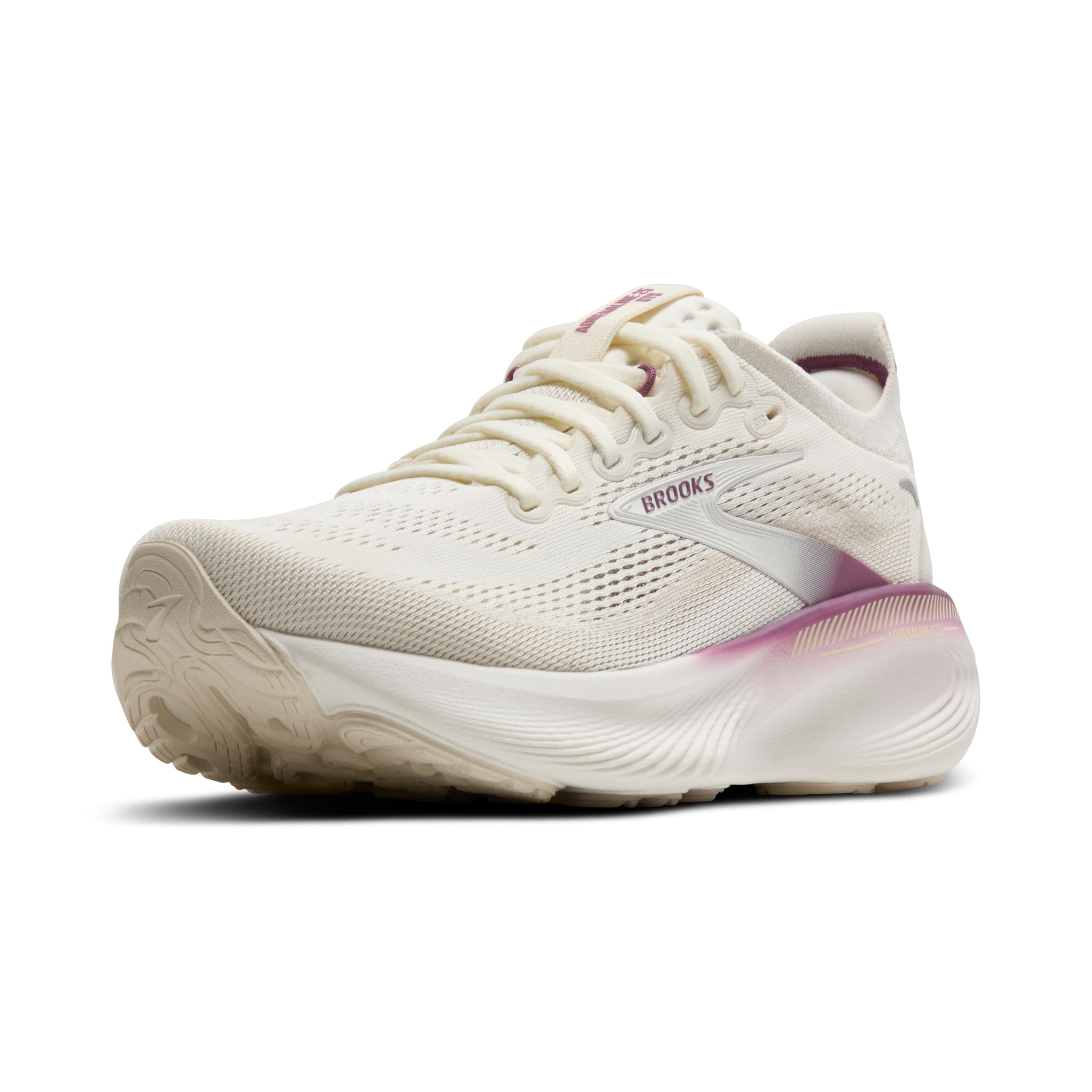
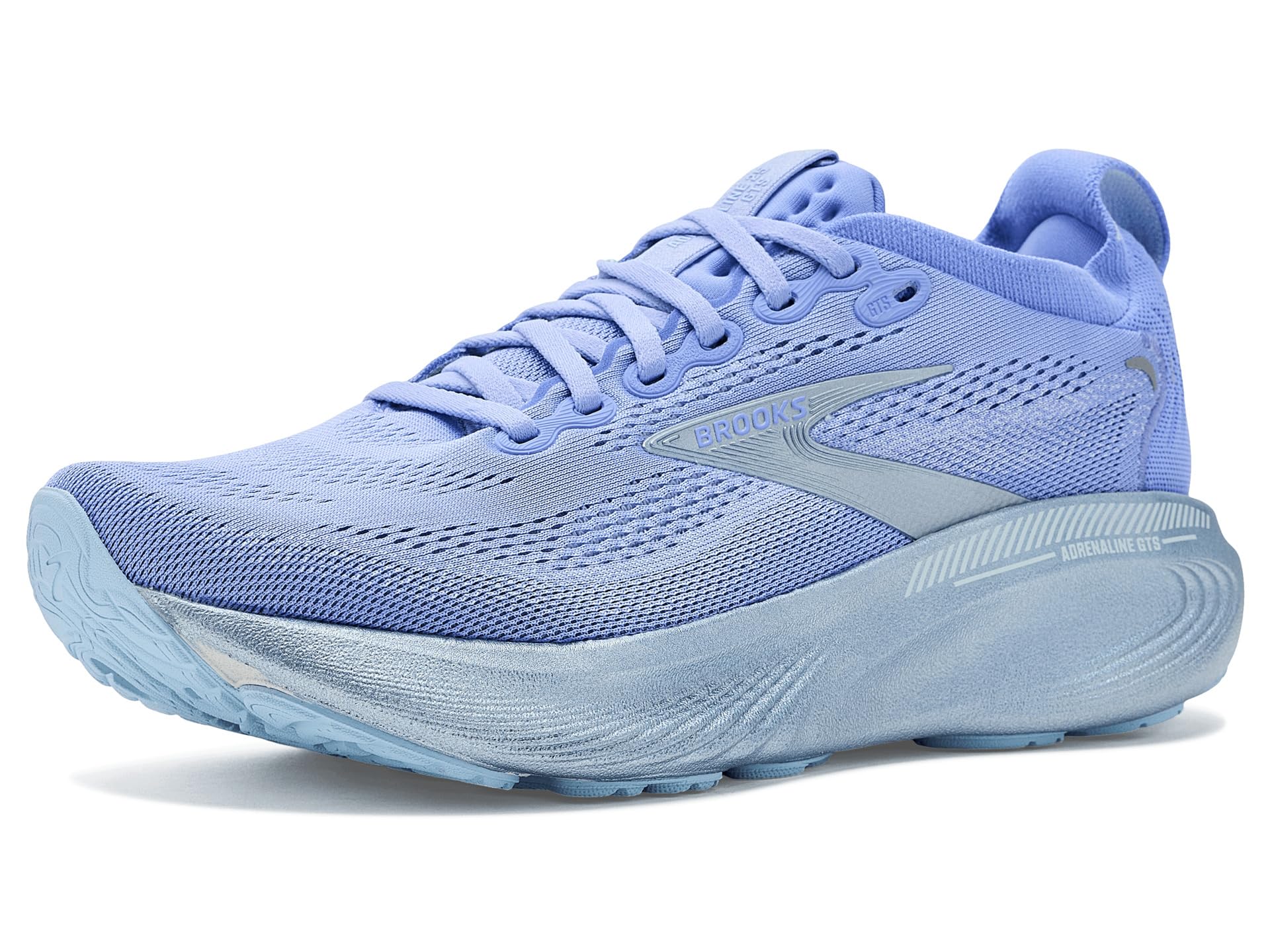
| Brooks Adrenaline GTS | GuideRails Holistic Support System | Balanced, moderate cushioning | Daily training, road running, walking |
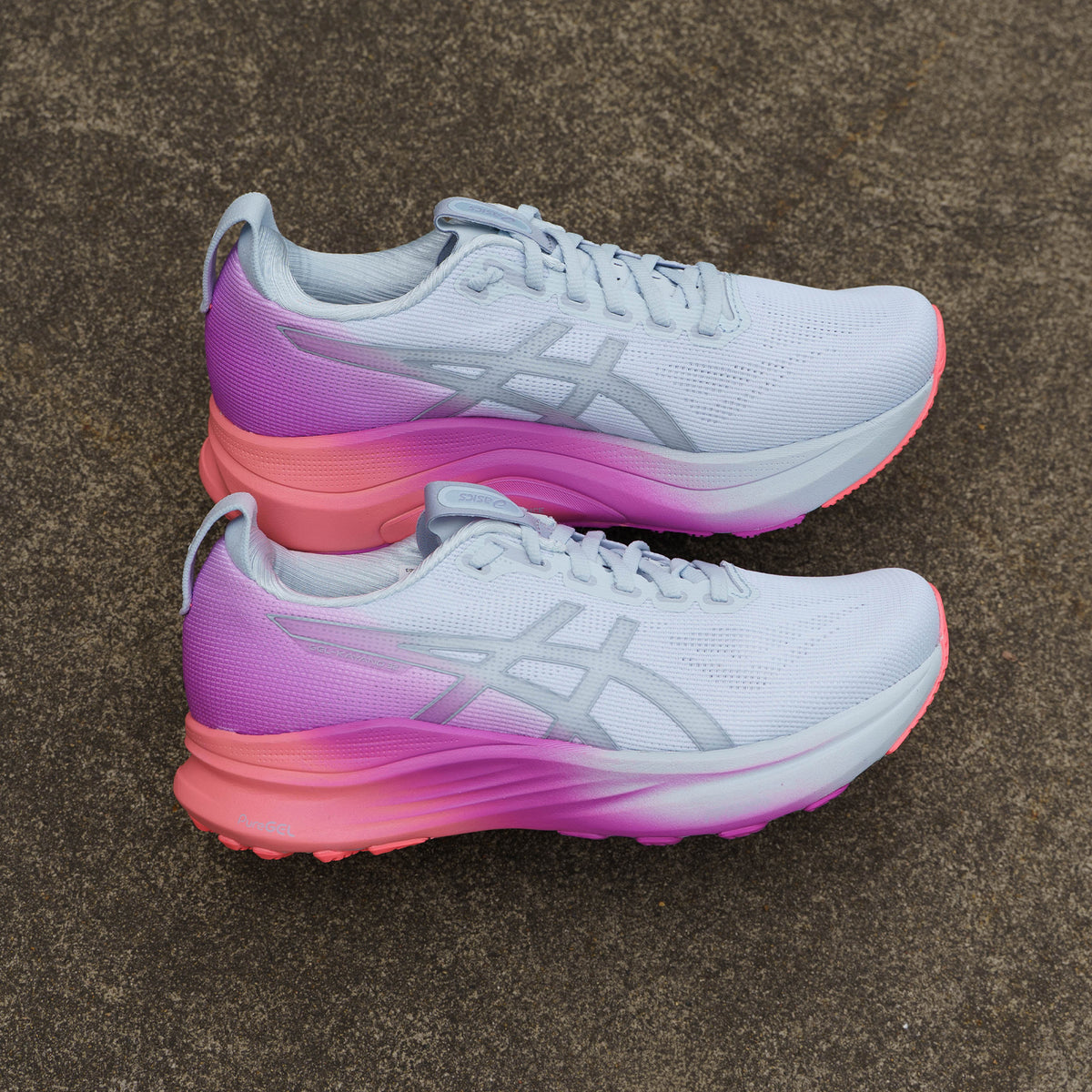
| Asics Gel-Kayano | 4D Guidance System & FF Blast Plus | Plush, high-volume cushioning | Long-distance running, high-impact recovery |
| Saucony Guide | Hollow-Tech Frame & PWRRUN foam | Firm yet responsive feel | Daily miles, runners preferring ground feel |
| New Balance Fresh Foam X Vongo | Wider base & medial foam transitions | Soft, plush underfoot comfort | Recovery days, flat-footed daily trainers |
Evaluating Fit, Comfort, and Sizing for Women's Feet
A stability shoe can feature the most advanced engineering on the market, but it will fail to perform if it does not fit your foot correctly. Women's feet possess unique anatomical characteristics, typically featuring a narrower heel relative to the forefoot, a lower instep, and different bone structure geometries compared to men's feet. Consequently, wearing unisex or men's shoes sized down often results in heel slippage, blisters, or improper alignment of arch support features.
When trying on stability shoes, keep the following principles in mind:
- Thumb's Width Rule: Ensure there is approximately a thumbnail’s worth of space between your longest toe and the front of the shoe to accommodate foot swelling during long runs or walks.
- Midfoot Security: The upper should wrap snugly around your instep and midfoot without creating uncomfortable pressure points. The medial support structures should align directly underneath your arch, rather than digging into the soft tissue of your midfoot.
- Heel Lock: Your heel should remain securely seated in the back of the shoe with minimal lifting when you push off. If your heel slips, it can lead to friction blisters and unstable landings.
Common Mistakes When Choosing Stability Shoes
Navigating the athletic footwear market can be overwhelming, and buyers frequently fall into traps that compromise their comfort and foot health. Avoiding these common mistakes ensures a more successful purchasing experience.
One frequent error is self-diagnosing your gait without physical verification. Not everyone with flat feet requires maximum stability; some runners with low arches thrive in neutral shoes with aftermarket insoles, while others require structured guidance systems. Another mistake is prioritizing cosmetics over structural compatibility. While colorways and styling matter, a shoe that matches your aesthetic preferences but fails to support your biomechanical needs will quickly lead to discomfort.
Additionally, many users fail to account for midsole degradation. Stability shoes rely heavily on the structural integrity of their foams. Over time, compressed midsoles lose their ability to resist inward rolling, even if the outsole looks relatively clean. Most running and walking shoes maintain their structural support for approximately 300 to 500 miles, after which they should be replaced to prevent joint strain.
Frequently Asked Questions
How do I know if I need a stability shoe instead of a neutral shoe?
The best way to determine your footwear category is through a professional gait analysis at a specialty running shop, where staff can observe your stride on a treadmill. Alternatively, you can examine the wear patterns on the outsoles of your current shoes. Heavy wear concentrated predominantly on the inner edge of the forefoot and heel often indicates overpronation, suggesting that a stability shoe may benefit you.
Can I wear stability shoes for walking and everyday standing, or are they only for running?
Stability shoes are exceptionally well-suited for walking, standing for long shifts, and everyday wear. Because walking places repetitive, low-impact stress on the same biomechanical pathways over extended periods, individuals who overpronate frequently experience foot fatigue and arch pain. Wearing a supportive stability shoe during daily activities provides continuous structural guidance and reduces muscular strain.
Do stability shoes cause knee or hip pain if I don't actually need them?
Yes, wearing stability shoes when you have a neutral gait or underpronation (supination) can force your foot into an unnatural alignment. This artificial correction can redistribute stress improperly up the kinetic chain, potentially causing discomfort, tightness, or pain in the shins, knees, and hips. It is always best to match your shoe category strictly to your natural biomechanical requirements.
How often should I replace my stability shoes?
For most users, stability shoes should be replaced every 300 to 500 miles, or roughly every six to twelve months depending on usage frequency and body weight. As the internal foam components and medial support structures compress and wear down over time, they lose their ability to effectively control overpronation, increasing the risk of fatigue and injury.
Are traditional medial posts better than modern guidance rails?
Neither technology is universally "better"; rather, they cater to different runner preferences. Traditional medial posts offer a firmer, more direct block against inward rolling, which heavy overpronators often appreciate. Modern guidance rails offer a less intrusive, more adaptable feel that supports your stride only when excess movement occurs, providing a smoother transition for mild overpronators.
Choosing Your Next Pair
Selecting the best stability shoes for women ultimately comes down to balancing your specific degree of overpronation, your cushioning preferences, and the anatomical fit of the shoe on your foot. Visit a local specialty retailer when possible, test several models on a treadmill or track surface, and prioritize how the footwear feels after a few minutes of continuous movement. Investing time in finding the correct pair protects your joints, enhances your endurance, and keeps you moving comfortably toward your fitness goals.
Image Gallery