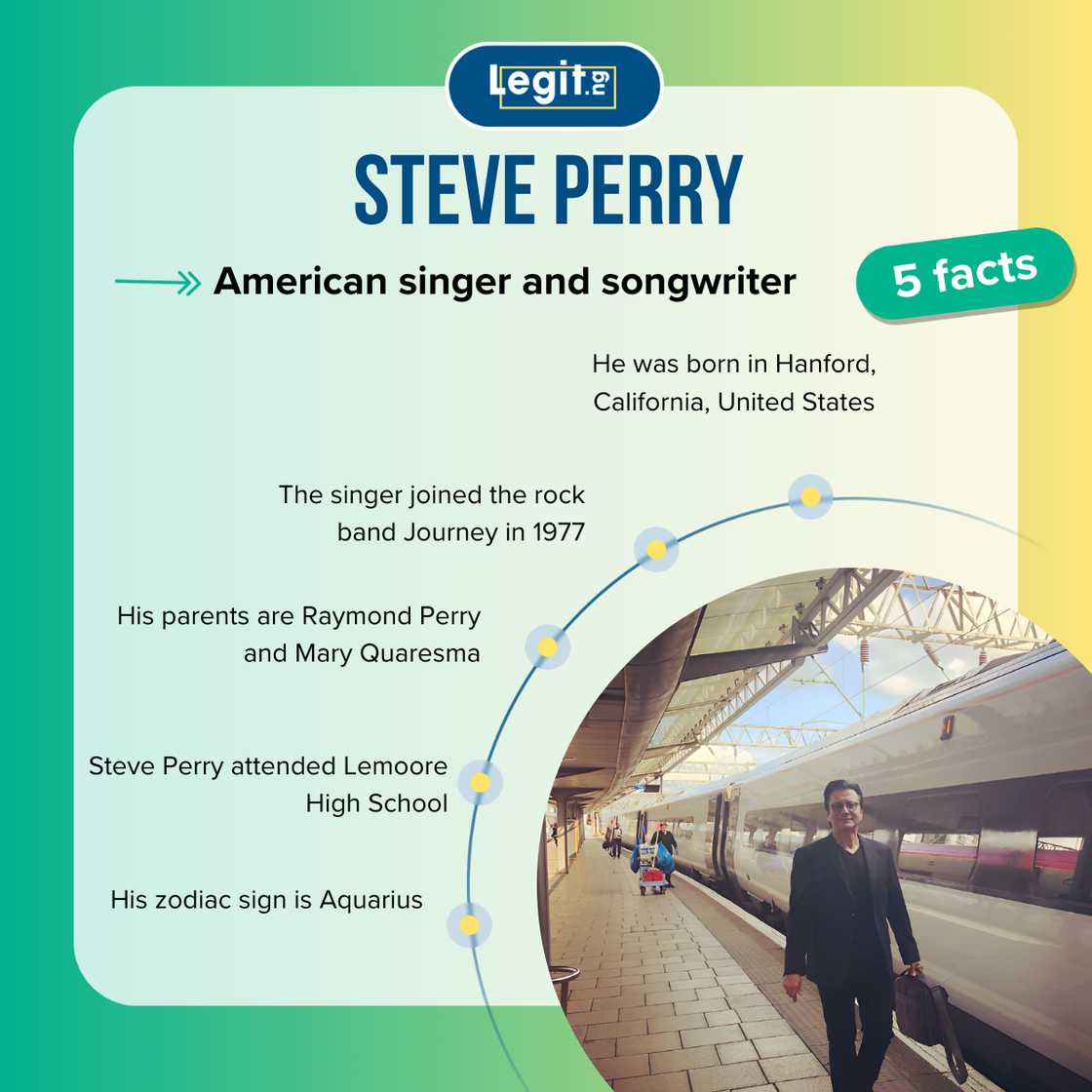
Steve Perry of Cherry Poppin’ Daddies: A Financial and Career Overview
Estimating the net worth of Steve Perry, the lead singer and songwriter for the Oregon-based swing revival band Cherry Poppin’ Daddies, requires an examination of his decades-long career, songwriting royalties, and the band’s commercia...
Estimating the net worth of Steve Perry, the lead singer and songwriter for the Oregon-based swing revival band Cherry Poppin’ Daddies, requires an examination of his decades-long career, songwriting royalties, and the band’s commercial performance. While exact private financial figures remain undisclosed, his wealth is primarily anchored in the global success of the 1997 breakthrough album Zoot Suit Riot and his sustained career in the music industry.
Contents
The Career Foundations of Steve Perry
Steve Perry—not to be confused with the former Journey frontman of the same name—founded the Cherry Poppin’ Daddies in Eugene, Oregon, in 1989. The band’s trajectory was unconventional, moving from an eclectic, punk-influenced ska ensemble to the forefront of the late-1990s swing revival movement. Perry served as the primary songwriter, lead vocalist, and the creative engine behind the band’s signature sound.
The mid-90s marked a significant shift in the music landscape, characterized by a renewed public interest in swing and big band music. The Cherry Poppin’ Daddies were uniquely positioned to capitalize on this trend. Unlike many of their contemporaries who were strictly revivalists, the Daddies brought a gritty, rock-oriented attitude to the genre, which helped differentiate their brand and secure a broader audience. This creative autonomy was vital to Perry's long-term financial health, as he retained a significant portion of the publishing rights to the band’s catalog.
Revenue Streams and the Impact of Zoot Suit Riot
For a professional musician, wealth is rarely derived from a single source; it is a compilation of recording royalties, performance fees, synchronization licensing, and touring revenue. The primary catalyst for the band’s financial elevation was the compilation album Zoot Suit Riot (1997).
The album achieved double-platinum status in the United States, selling over two million copies. In the late 1990s, the financial mechanics of the music industry heavily favored high-selling physical media. As the primary songwriter, Perry benefited from both performance royalties and songwriting credits. The title track, "Zoot Suit Riot," became a cultural touchstone of the era, providing steady income through radio airplay and public performance royalties for decades.
Beyond record sales, the licensing of these tracks for film, television, and advertising serves as a critical, long-term revenue stream. The band’s music has appeared in various media outlets, providing passive income that requires little ongoing effort from the artist, often referred to in the industry as "evergreen" earnings.
Touring and Live Performance Economics
While album sales defined the band’s late-90s earnings, live performance has remained a fundamental pillar of Steve Perry’s career income. Throughout the 2000s and into the 2020s, the Cherry Poppin’ Daddies continued to tour, maintaining a loyal fanbase.
Touring economics are influenced by:
- Venue Capacity: Transitioning from club circuits to theater and festival circuits.
- Merchandising: A significant source of profit that often carries higher margins than digital streaming royalties.
- Operational Costs: Managing the payroll of a multi-piece big band, travel, and logistics, which naturally offsets gross revenue.
For a leader like Perry, the band functions not just as an artistic outlet but as a small business entity. The ability to keep the group active for over 35 years suggests a sustainable, if fluctuating, flow of revenue that has contributed to his long-term financial stability.
The Modern Music Economy: 2026 Perspective
As of 2026, the landscape of music income has shifted drastically toward digital streaming services and catalog management. While streaming platforms provide fractional payments per play, artists with an established "legacy" catalog—like Perry—often see consistent, predictable monthly income from these sources.
Furthermore, the valuation of music catalogs has seen significant interest from investment firms. Many artists have opted to sell their publishing rights for upfront lump-sum payments. Whether or not Perry has engaged in such transactions is private; however, the ongoing relevance of Zoot Suit Riot in pop culture ensures that the intellectual property remains a viable asset in any modern portfolio.
Comparative Financial Context for Independent Musicians
Understanding the net worth of an artist like Steve Perry requires looking at the tiers of professional musicians.
| Revenue Source | Impact on Wealth | Notes |
|---|---|---|
| Songwriting Royalties | High | Persistent income from the Zoot Suit Riot era catalog. |
| Touring/Live Gigs | Moderate/High | Subject to travel costs and band member overhead. |
| Streaming/Digital | Low/Consistent | Provides a steady, predictable long-tail income stream. |
| Sync Licensing | Variable | Large one-time payouts for film or commercial placement. |
The "independent" nature of the Cherry Poppin’ Daddies—often operating outside of the restrictive control of major label conglomerates—has historically allowed for a higher share of profits to remain with the band members rather than being eroded by recoupable debt or lopsided distribution deals.
Frequently Asked Questions
1. Is Steve Perry of Cherry Poppin’ Daddies the same person as the lead singer of Journey? No. This is a common point of confusion due to the shared name. Steve Perry of the Cherry Poppin’ Daddies is a singer-songwriter based in Oregon, known for ska and swing music, whereas the other Steve Perry is the legendary former lead singer of the band Journey. They are entirely different individuals with separate careers.
2. How did the Zoot Suit Riot album impact the band's finances? The album's double-platinum status provided a major influx of capital via physical record sales in the late 1990s. This success also provided the band with a platform to secure better-paying tour dates and increased their profile for lucrative synchronization deals in film and television.
3. Does Steve Perry still earn money from his music today? Yes. Through a combination of ongoing digital streaming royalties, public performance rights for his catalog, and regular touring activities, Perry continues to derive income from his long-standing career in the music industry.
4. Why is it difficult to find an exact net worth for Steve Perry? Net worth is a private financial metric. Unless an individual is a public company CEO or has filed for bankruptcy, their exact assets, debts, and investments are not matters of public record. Estimates found online are typically speculative and do not account for taxes, personal lifestyle expenses, or private investments.
5. How has the shift to streaming affected musicians of Perry's generation? Streaming has created a "long tail" of income. While individual payments are small, the aggregation of plays over years generates a consistent, reliable revenue stream that does not require the band to be constantly on tour to maintain basic income levels.
Practical Advice for Financial Planning in the Arts
For those analyzing the financial trajectory of musicians, it is important to recognize that long-term sustainability in the arts is less about a single "big hit" and more about the management of intellectual property. Steve Perry’s career demonstrates the value of retaining creative control and catalog rights. Musicians and professionals in creative industries often find that diversifying income—through live performance, merchandise, and licensing—is the most effective way to build and maintain wealth over several decades.
For those interested in the current valuation of music assets, researching current market trends in music publishing and the rise of boutique music catalog investment funds can provide deeper insights into how aging catalogs are treated as financial assets in the current year.
Image Gallery