What is Yassa? Exploring the Soul of Senegalese Cuisine
Yassa is a signature Senegalese dish characterized by its bright, tangy, and savory flavor profile, achieved through a heavy marinade of onions, citrus, and mustard. Originating from the Casamance region, it typically features chicken...
Yassa is a signature Senegalese dish characterized by its bright, tangy, and savory flavor profile, achieved through a heavy marinade of onions, citrus, and mustard. Originating from the Casamance region, it typically features chicken (Poulet Yassa) or fish (Poisson Yassa) that is marinated, seared, and then slow-simmered in a rich onion-based sauce.
Contents
While West African cuisine is often associated with the bold, tomato-based flavors of Jollof rice, Yassa offers a sophisticated alternative that prioritizes acidity and caramelization. As we look at the culinary landscape in 2026, Yassa has firmly established itself as a global favorite, appearing on menus from Dakar to Paris and New York, celebrated for its unique ability to balance sharp citrus notes with the deep sweetness of slowly cooked onions.
The Historical and Cultural Roots of Yassa
To understand what Yassa is, one must look toward the southern region of Senegal known as the Casamance. This lush, tropical area is the ancestral home of the Jola (or Diola) people, who are credited with creating the original iterations of this dish. Unlike the northern parts of Senegal, which are influenced heavily by Saharan trade routes and North African flavors, the Casamance is defined by its proximity to the Atlantic and its fertile soil, which provides an abundance of lemons, limes, and onions.
Historically, Yassa was a localized specialty, often prepared with fresh-caught fish from the Casamance River. As the Jola people migrated and the dish's popularity spread across West Africa, it underwent a transformation. By the mid-20th century, Poulet Yassa (Chicken Yassa) became the more dominant version in urban centers like Dakar. This shift was partly due to the accessibility of poultry and the dish's incredible ability to tenderize even the toughest local "bicycle chickens" through its acidic marinade.
In 2026, Yassa is more than just a meal; it is a symbol of Senegalese hospitality, known as Teranga. It is a dish served at weddings, naming ceremonies, and family gatherings, representing a bridge between the traditional Jola culture and the broader West African identity.
The Anatomy of an Authentic Yassa
The brilliance of Yassa lies in its simplicity. It does not rely on a complex array of ground spices; instead, it leverages the chemical reactions between acid, heat, and aromatics. A true Yassa consists of four primary pillars:
1. The Onions (The "Soul" of the Dish)
You cannot make Yassa with just one or two onions. For a standard family-sized serving, it is common to use five to ten large onions. These are thinly sliced and serve as the base of the sauce. As they cook, they transition from a sharp, pungent raw state to a soft, sweet, and slightly caramelized consistency that provides the dish its body.
2. The Citrus Acid
Lemon or lime juice is the defining characteristic of Yassa. The acid serves two purposes: it tenderizes the protein during the long marination process and provides the "zing" that cuts through the richness of the oil and onions. In professional kitchens today, chefs often use a combination of fresh lemon juice and a splash of high-quality vinegar to achieve a multi-layered acidity.
3. The Mustard
While mustard may seem like a European influence, it has been integrated into Senegalese cooking for generations. Usually, a strong Dijon-style or spicy brown mustard is used. It acts as an emulsifier for the marinade, helping the oil and citrus juice cling to the meat, while adding a subtle peppery heat that complements the onions.
4. The Aromatics and Heat
Garlic, ginger, and bouillon (often Maggi cubes, though modern health-conscious cooks in 2026 frequently substitute this with homemade bone broth or fermented locust beans known as netetou) provide the savory backbone. The heat comes from Scotch Bonnet or Habanero peppers. In traditional preparation, the pepper is often left whole in the pot to infuse the sauce with its fruity aroma without making the dish overwhelmingly spicy, unless the pepper is intentionally burst.
Poulet Yassa vs. Poisson Yassa: Key Differences
While the base sauce remains similar, the choice of protein dictates the preparation method and the final texture of the dish.
| Feature | Poulet Yassa (Chicken) | Poisson Yassa (Fish) |
|---|---|---|
| Primary Protein | Whole chicken pieces (thighs/legs preferred) | Firm white fish (Red Snapper, Sea Bream, or Tilapia) |
| Marination Time | 3 to 12 hours (overnight is best) | 1 to 2 hours (to avoid "cooking" the fish in acid) |
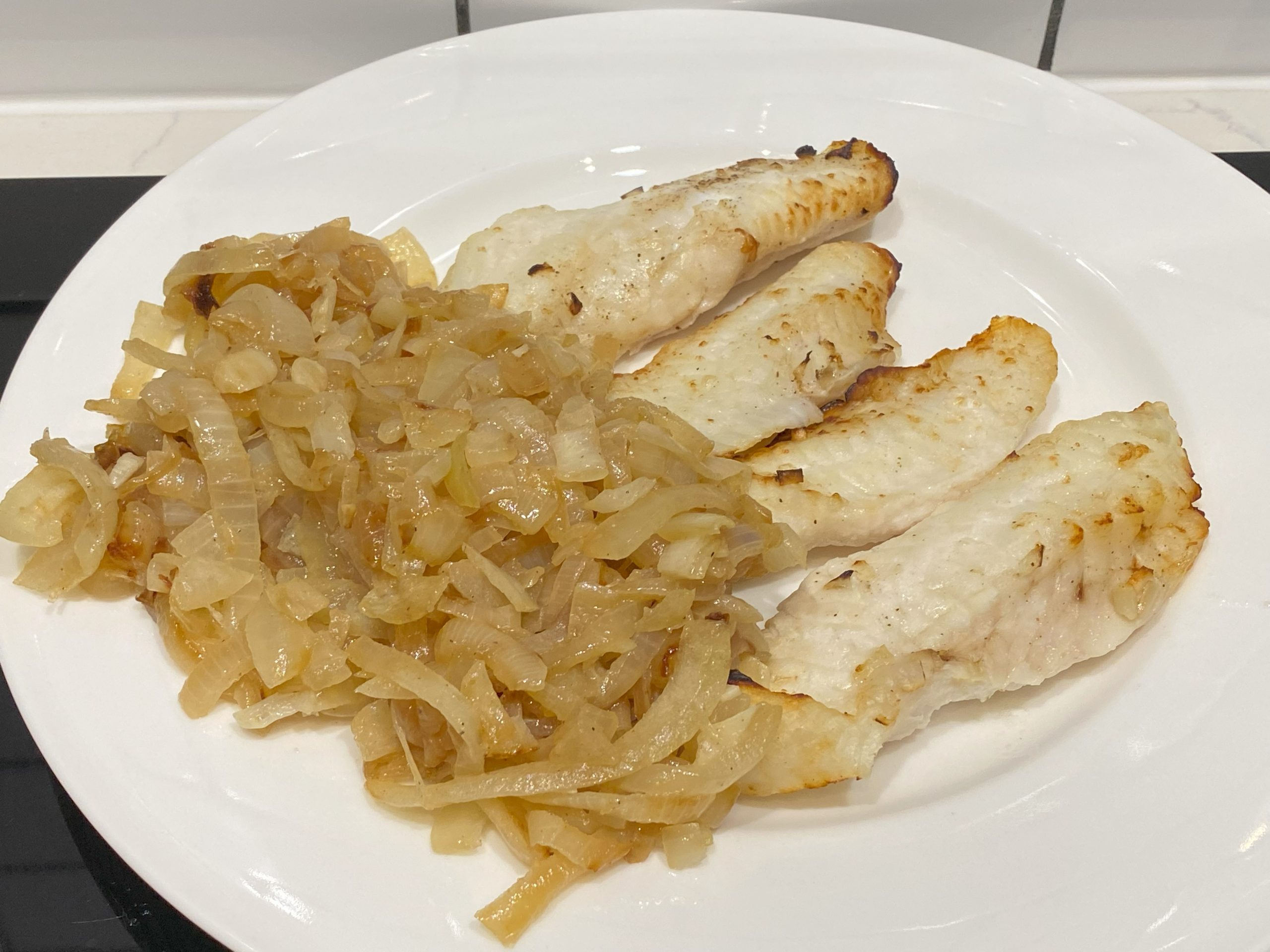
| Cooking Method | Grilled or pan-seared, then braised | Usually fried or grilled whole, then topped with sauce |
| Flavor Profile | Deep, savory, and hearty | Light, bright, and coastal |
| Best Occasion | Family dinners and large celebrations | Coastal lunches and quick weekday meals |
Poulet Yassa: The Crowd Favorite
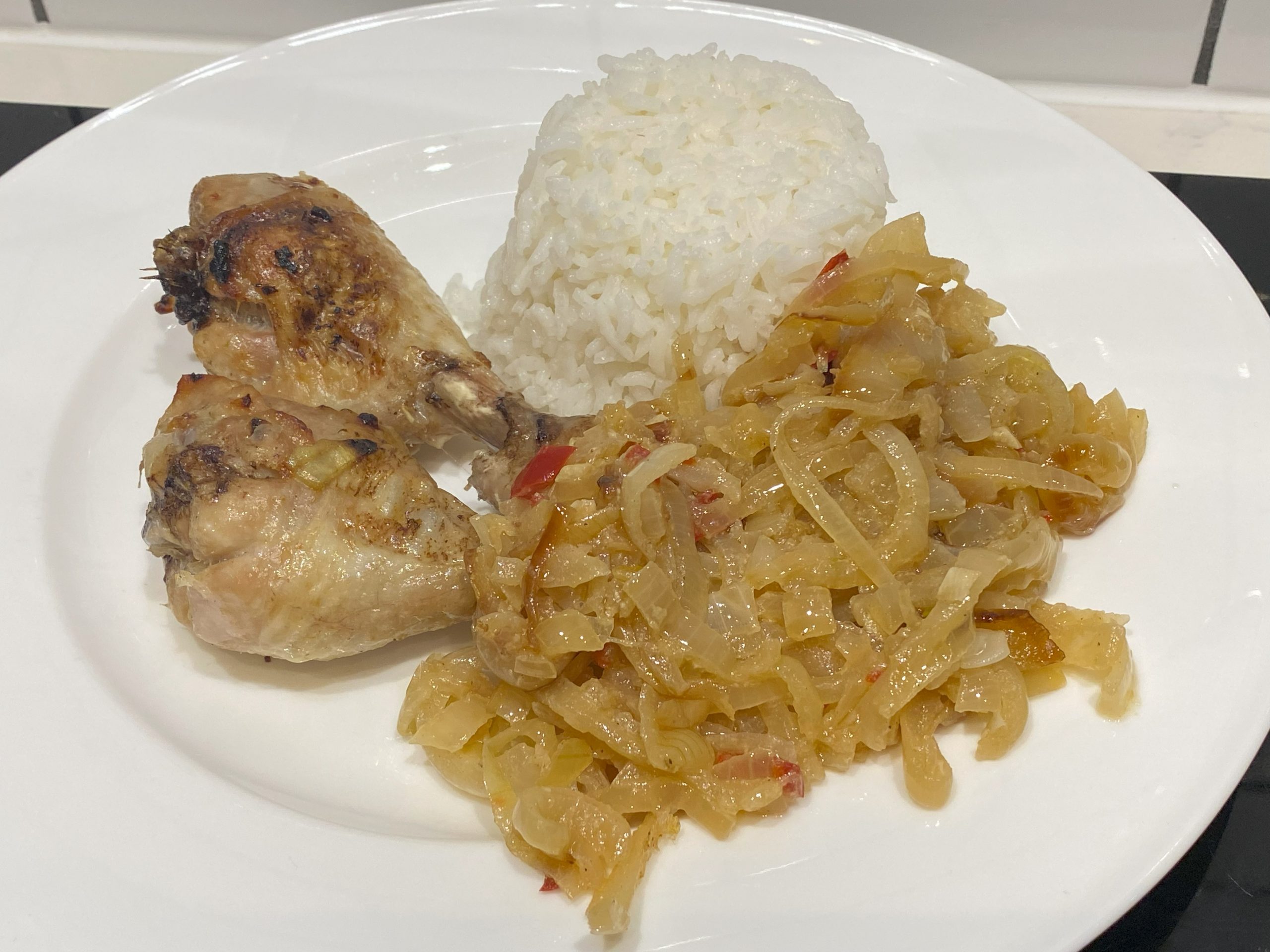
Poulet Yassa is widely considered the national comfort food of Senegal. The chicken is typically marinated overnight in the onion and citrus mixture. Before the final stewing, the chicken pieces are removed from the marinade and grilled over charcoal or browned in a pan. This "pre-cooking" step is vital; it adds a smoky char that balances the sweetness of the onions.
Poisson Yassa: The Coastal Original
In the Casamance and coastal fishing villages, Poisson Yassa remains the gold standard. Because fish is more delicate than chicken, it requires a shorter marination time. The fish is often scored deeply, stuffed with a spice paste called rof (made of parsley, garlic, and chili), and fried until the skin is crispy before being united with the onion sauce.
The Science of the Marinade: Why It Works
The success of a Yassa depends almost entirely on the marination phase. In 2026, food scientists and culinary students often study Yassa as a masterclass in acid-based tenderization.
When chicken is submerged in the Yassa marinade, the citric acid begins to break down the connective tissues and muscle fibers. This allows the flavors of the garlic, mustard, and onion juice to penetrate deep into the bone. This is why a well-prepared Yassa has flavor throughout the meat, rather than just on the surface. However, there is a "tipping point." If marinated for too long (over 24 hours), the acid can turn the protein mushy. The 2026 standard for high-end West African dining suggests a 6-to-8-hour window for the perfect balance of texture and flavor.
Step-by-Step Breakdown of the Cooking Process
To appreciate what goes into a bowl of Yassa, one must understand the traditional sequence of events:
- The Slice: A mountain of onions is sliced into thin half-moons. Consistency is key here to ensure even cooking and caramelization.
- The Steep: The protein is combined with the onions, lemon juice, mustard, oil, and crushed garlic. This mixture sits in a cool place, allowing the flavors to marry.
- The Sear: The protein is separated from the marinade. It is grilled or fried until it develops a golden-brown crust. This creates the Maillard reaction, adding complexity to the final dish.
- The Sauté: The remaining onions from the marinade are cooked in a large pot. This is the most labor-intensive part, as the onions must be stirred frequently until they soften and lose their raw bite, but without turning into a mushy purée.
- The Simmer: The seared protein is returned to the pot with the onions. A small amount of water or stock is added, and the dish is covered and simmered. This allows the juices from the meat to mingle with the onion sauce, creating a thick, velvety consistency.
- The Finish: Fresh olives and carrots are sometimes added in the final 15 minutes for texture and a salty pop.
How to Serve and Eat Yassa
Yassa is almost exclusively served over a bed of fluffy white rice, specifically broken jasmine rice (known as riz brisé), which is a staple in Senegalese households. The broken grains are excellent at absorbing the thin, flavorful juices of the onion sauce.
In a traditional Senegalese setting, Yassa is served in a large communal platter. Diners sit on floor mats and eat from the side of the bowl directly in front of them, using their right hand to clench the rice and onion sauce into small, manageable balls. In modern restaurants in 2026, it is common to see Yassa presented as a deconstructed dish or served in individual ceramic tagines to preserve the heat.
Popular Accompaniments:
- Piment: A very hot chili paste served on the side for those who want extra heat.
- Fried Plantains (Alloco): While more common in Ivory Coast, many modern Senegalese tables include sweet plantains to contrast the tartness of the Yassa.
- Cold Beverages: Because of the salt and acidity, Yassa pairs perfectly with traditional Senegalese drinks like Bissap (hibiscus tea) or Bouye (baobab fruit juice).
Common Mistakes to Avoid
Even seasoned cooks can struggle with the balance of Yassa. Here are the most frequent errors:
- Under-cooking the Onions: If the onions still have a "crunch," the Yassa is not finished. They should be translucent and buttery.
- Using Bottled Lemon Juice: The preservatives in bottled juice create a metallic aftertaste. Freshly squeezed lemons are non-negotiable for an authentic flavor.
- Skimping on Oil: While it may seem excessive, the oil is necessary to fry the onions properly and create the signature "sauce." In Senegal, a layer of oil rising to the top of the pot is often a sign that the dish is properly cooked.
- Rushing the Marination: Skipping the marination phase results in a dish where the sauce and the meat feel like two separate entities rather than a cohesive meal.
Frequently Asked Questions
Is Yassa very spicy?
Traditionally, Yassa has a "warmth" rather than a burning heat. The use of whole Scotch Bonnet peppers allows the floral aroma of the chili to infuse the sauce without the intense capsaicin burn. However, the spice level can easily be adjusted by dicing the peppers instead of leaving them whole.
Can I make a vegetarian version of Yassa?
Yes. In recent years, "Yassa aux Légumes" has gained popularity. Hard vegetables like eggplant, cauliflower, or thick slices of tofu can be used as the protein substitute. The key is to sear the vegetables first to maintain their structure during the simmering process.
What kind of mustard is best for Yassa?
Dijon mustard is the standard due to its sharp, vinegary kick. Avoid honey mustards or grainy mustards, as they change the texture and sweetness profile of the sauce too significantly.
Why is it sometimes called "Yassa au Citron"?
"Citron" is the French word for lemon. Since lemon is the primary flavoring agent alongside onions, the terms are sometimes used interchangeably, though "Poulet Yassa" remains the most common name.
Is Yassa healthy?
Yassa is rich in vitamin C (from the citrus) and antioxidants (from the massive amount of onions and garlic). To make it healthier, one can reduce the amount of oil used or serve it with brown rice or couscous instead of white rice.
Conclusion and Next Steps
Yassa represents the perfect intersection of West African ingredients and expert technique. Its ability to turn humble onions and citrus into a world-class sauce is a testament to the culinary ingenuity of the Senegalese people. Whether you are visiting a West African restaurant for the first time or looking to expand your home cooking repertoire, Yassa is an accessible yet deeply rewarding place to start.
For your first attempt, try Poulet Yassa. It is more forgiving than the fish version and provides a hearty introduction to the flavors of the Casamance. Ensure you have a sharp knife for the onions, plenty of fresh lemons, and at least six hours of patience for the marinade—the results will be well worth the wait.
Image Gallery