Exploring the Wildlife of Ecuador: A Comprehensive Guide to Biomes and Species
Ecuador is recognized as one of the world's seventeen megadiverse countries, containing a vast concentration of species per square kilometer. Exploring the wildlife of Ecuador requires navigating four distinct ecological regions: the G...
Ecuador is recognized as one of the world's seventeen megadiverse countries, containing a vast concentration of species per square kilometer. Exploring the wildlife of Ecuador requires navigating four distinct ecological regions: the Galápagos Islands, the Amazon Basin, the Andean Cloud Forests and Paramo, and the Pacific Coastal region. Each zone presents unique endemic species, altitude-driven adaptations, and specific travel logistics for wildlife observers and researchers.
Contents
The Four Primary Ecological Zones of Ecuador
Ecuador's unique geographic positioning along the Equator, coupled with the Andean mountain range and ocean currents, creates dramatic microclimates across compact geographic distances. Understanding these four primary biomes is essential for planning targeted wildlife observations.
- Pacific Coast (Humboldt & El Niño Currents)
- Andes Range (Cloud Forests (Mindo) & Paramo (Cotopaxi))
- Amazon Basin (Yasuní & Cuyabeno Lowlands)
- Galápagos Islands (Volcanic Archipelago, 1,000 km offshore)
1. The Galápagos Archipelago: Marine and Terrestrial Isolation
Located approximately 1,000 kilometers off the Ecuadorian mainland, the Galápagos Islands represent a living laboratory of evolutionary biology. Formed by volcanic hot spots, the isolated archipelago relies on cold, nutrient-rich marine currents—such as the Humboldt and Cromwell currents—to support high levels of marine and terrestrial endemism.
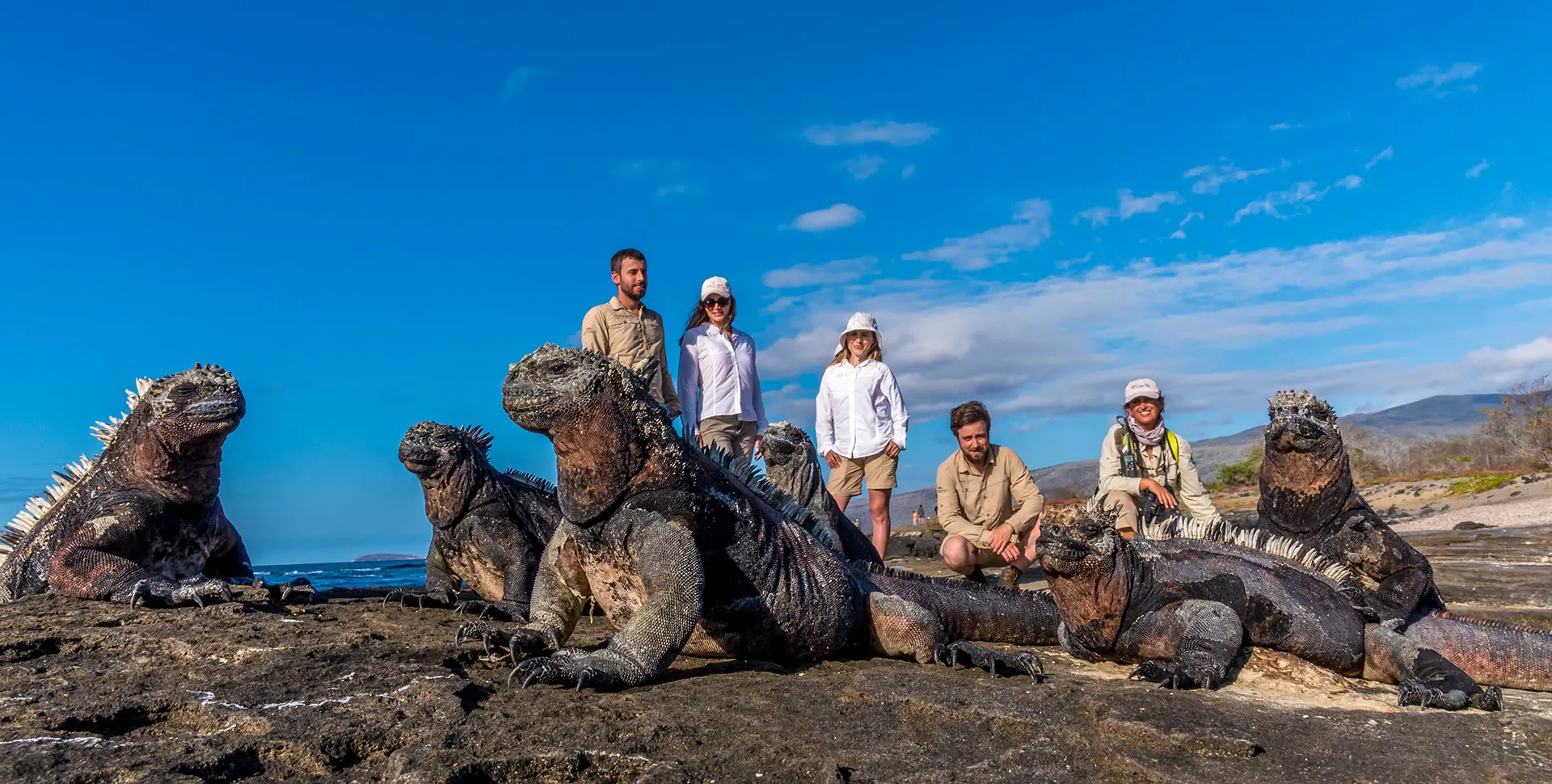
- Marine Iguana (Amblyrhynchus cristatus): The world's only sea-foraging lizard, adapted to dive up to 30 meters to feed on red and green algae.
- *Galápagos Giant Tortoise (Chelonoidis spp.):* Multiple distinct subspecies adapted to specific island topographies, ranging from dome-shelled tortoises in humid highlands to saddle-backed variations in arid lowlands.
- Flightless Cormorant (Nannopterum harrisi): A stark demonstration of evolutionary adaptation, having lost the capacity for flight in exchange for dense muscular propulsion in marine hunting.
- Galápagos Penguin (Spheniscus mendiculus): The only penguin species found north of the Equator, surviving due to the cool upwelling of the Cromwell Current.
2. The Amazonian Lowlands (El Oriente): Tropical Rainforest Biodiversity
East of the Andes lies the Ecuadorian Amazon, known locally as El Oriente. Sub-regions such as Yasuní National Park and the Cuyabeno Wildlife Reserve contain record-breaking levels of biodiversity per hectare. Yasuní alone is documented by researchers to harbor over 600 bird species, 150 amphibian species, and more than 120 mammal species within small, contiguous forest plots.
- Mammalian Apex Predators: The jaguar (Panthera onca) and the giant otter (Pteronura brasiliensis) occupy the top trophic levels in terrestrial and freshwater aquatic environments, respectively.
- Primate Assemblages: Including the pygmy marmoset (Cebuella pygmaea), white-fronted capuchin, red howler monkey, and the Ecuadorian squirrel monkey.
- Aquatic Ecosystems: The Amazon river dolphin or pink river dolphin (Inia geoffrensis) and the Amazonian manatee (Trichechus inunguis) inhabit the blackwater lakes and slow-moving tributaries.
3. The Andean Cloud Forests and Paramo: High-Altitude Specialization
The Andean corridor bisects mainland Ecuador, dropping from hyper-dry, high-altitude alpine tundras (Paramo) to hyper-humid, mid-elevation Cloud Forests on both the eastern and western slopes.
- The Chocó-Andean Cloud Forests: Micro-habitats like Mindo and the Tandayapa Valley host extraordinarily high concentrations of hummingbirds (over 130 species across the country) and orchids. The humid canopy provides a refuge for the spectacled bear (Tremarctos ornatus), South America's only native bear species.
- The High-Altitude Paramo: Situated above the tree line (typically between 3,500 and 4,800 meters), this ecosystem is adapted to freezing nocturnal temperatures and heavy solar radiation. Notable fauna includes the Andean condor (Vultur gryphus), the vicuña (Vicugna vicugna), the mountain tapir (Tapirus pinchaque), and the culpeo or Andean fox (Lupalopex culpaeus).
4. The Pacific Coast and Chocó Bio-Region: Estuarine and Marine Life
Stretching from the humid Chocó rainforest in the north (near Esmeraldas) down to the dry tropical forests and mangroves in the south (Machalilla National Park), the Pacific coastline serves as a critical breeding site for migratory marine species and specialized shorebirds.
- Humpback Whales (Megaptera novaeangliae): Migrate annually from Antarctic feeding grounds to warm Ecuadorian coastal waters (particularly near Isla de la Plata and Machalilla) between June and October to mate and give birth.
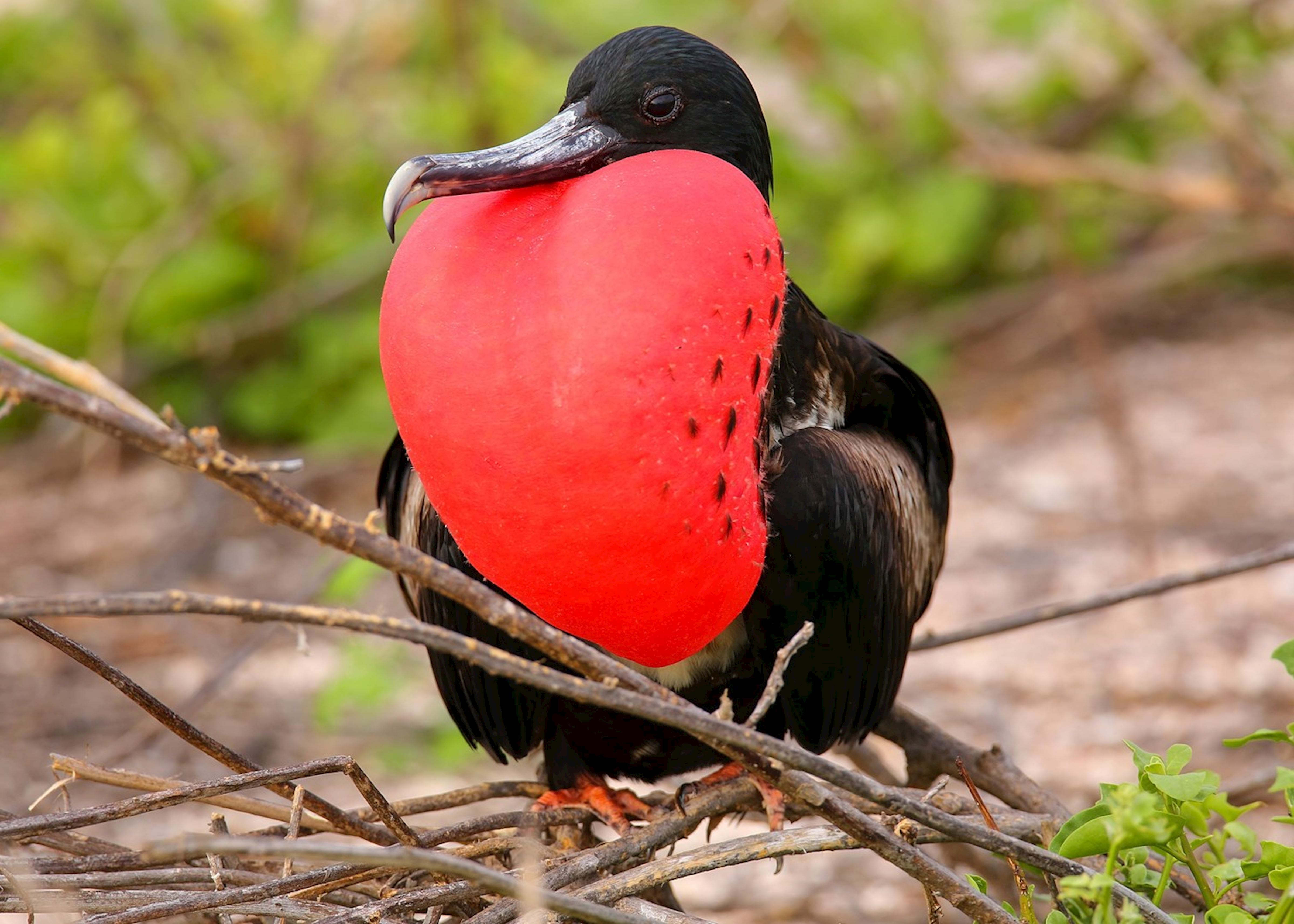
- Coastal Avifauna and Mangrove Species: Frigatebirds, blue-footed boobies, red-footed boobies, and localized populations of American flamingos utilize coastal lagoons and estuarine systems.
Comparative Analysis of Ecuador's Wildlife Regions
| Region | Primary Habitat Type | Altitude Range | Top Wildlife Highlights | Best Access Hub | Optimal Viewing Months |
|---|---|---|---|---|---|
| Galápagos Islands | Volcanic island, marine reserve, arid scrub | 0 – 1,700 m | Marine iguanas, giant tortoises, penguins, sea lions | Baltra (GPS) / San Cristóbal (SCY) | Year-round (June–Nov for cool marine life; Dec–May for warm water & breeding) |
| Amazon (El Oriente) | Lowland terra firme & igapó rainforest | 200 – 500 m | Jaguars, pink river dolphins, macaws, poison dart frogs | Coca (OCC) / Lago Agrio | Dec–March (Drier season; easier trail access) / July–Sept (High water for boat access) |
| Andean Cloud Forest | Humid montane forest | 1,200 – 2,800 m | Spectacled bear, toucan barbet, hummingbirds, orchids | Quito / Mindo | June–September (Drier months with higher bird visibility) |
| Andean Paramo | High-altitude alpine grassland | 3,500 – 4,800 m | Andean condor, vicuña, caracara, mountain tapir | Quito / Cuenca | June–September (Clearer weather, less rain) |
| Pacific Coast | Mangroves, dry forest, marine waters | 0 – 800 m | Humpback whales, mantas, frigatebirds, blue-footed boobies | Manta / Puerto López | June–October (Whale migration window) |
Detailed Profiles of Key Endemic and Iconic Species
The Spectacled Bear (Tremarctos ornatus)
The spectacled bear, or Andean bear, is classified as Vulnerable on the IUCN Red List. It is primarily herbivorous, relying on bromeliads, palm fruits, and bamboo shoots found across the cloud forest canopy and paramo grasslands.
Tracking and Habitat: The non-profit conservation zones around Cayambe-Coca Ecological Reserve, Antisana Ecological Reserve, and the Maquipucuna Reserve northwest of Quito offer dedicated corridors where camera trapping and guided tracking are conducted.
Behavior: Arboreal in nature, spectacled bears construct platform nests in tree canopies to sleep and feed on tree fruits.
Andean Cloud Forest Canopy
- Epiphytes & Bromeliads (Primary food source)
- Spectacled Bear Nesting Platforms (10-25m elevation)
- Understory Mammals (Pudu, Mountain Tapir)
The Marine Iguana (Amblyrhynchus cristatus)
Found strictly within the Galápagos Archipelago, the marine iguana exhibits distinct morphological adaptations for cold-water foraging.
- Thermoregulation: Because they are ectothermic, marine iguanas must bask under the sun on black lava rocks to elevate their core body temperature before entering waters cooled by ocean currents.
- Excretion Mechanisms: Sub-orbital nasal glands allow marine iguanas to filter excess salt absorbed while underwater feeding and force it out through their nostrils via a sneezing mechanism.
- Subspecies Variation: Color patterns change across islands; for instance, the subspecies on Española Island (A. c. venustissimus) displays bright red and turquoise pigmentation during the mating season.
The Andean Condor (Vultur gryphus)
With a wingspan reaching up to 3.3 meters, the Andean condor relies on thermal updrafts generated along steep Andean canyons to soar with minimal energy expenditure.
- Status and Conservation: Ecuador's wild condor population is critically endangered nationally due to habitat fragmentation and retaliatory poisoning. Protected areas around Antisana Volcano serve as primary roosting and nesting sites.
- Ecological Role: As specialized obligate scavengers, condors manage livestock and wild ungulate carcasses, preventing the spread of diseases within high-altitude ecosystems.
Planning a Wildlife Expedition: Logistics, Timing, and Regulations
Successfully observing Ecuador's wildlife requires careful planning around regional weather, transportation modes, and environmental protection guidelines.
- EXPEDITION TIMELINE & PERMITTING
- Mainland Ecuador
- Reserve Guides (Mindo/Yasuni)
- Vehicle/River Transport
- Protected Area Permits (SNAP)
- Galápagos Islands
- Transit Control Card (TCC)
- Galápagos National Park Entrance Fee
- Certified Naturalist Guide (Mandatory)
- Mainland Ecuador
Navigating the National System of Protected Areas (SNAP)
Mainland protected areas are managed under the Sistema Nacional de Áreas Protegidas (SNAP). While entry to mainland national parks (excluding Galápagos) is generally free of charge for international visitors, hiring licensed local guides is mandatory for many reserves, including Cotopaxi, Yasuní, and Antisana.
- Galápagos Entry Requirements: Travelers entering the Galápagos must purchase a Transit Control Card (Ingala TCC) at the departure airport in Quito or Guayaquil, followed by paying the Galápagos National Park entrance fee upon arrival.
- Amazon Reserve Access: Reaching primary rainforest reserves like Cuyabeno or Yasuní involves motorized canoe transportation from entry ports such as Puerto Francisco de Orellana (Coca). Independent exploration is strictly prohibited; visits must be organized through certified eco-lodges or licensed indigenous community-led operators.
Seasonal Field Conditions
- Galápagos (Dry / Garúa Season - June to November): Ocean water temperatures drop due to the Humboldt Current, bringing rich plankton blooms that attract marine life (whales, hammerhead sharks, albatrosses). Land conditions remain relatively dry, though skies are often overcast (garúa mist).
- Galápagos (Warm / Rainy Season - December to May): Higher water and air temperatures occur. Clearer seas provide optimal snorkeling conditions, and land birds and tortoises initiate breeding activities.
- Amazon Lowlands: Rainforest conditions are persistent year-round. However, drier months (December through March) facilitate foot trails, while wet months (June through September) raise river levels, allowing deeper navigation into flooded forest (igapó) networks via canoe.
Recommended Safety and Ethical Guidelines
- Maintain Distance: Park rules across Galápagos and mainland reserves dictate maintaining a minimum distance of two meters (6.5 feet) from all wildlife. Touching or feeding wild animals is strictly forbidden.
- Biosecurity Rules: To prevent the introduction of invasive seeds, insects, or pathogens into fragile island or high-altitude ecosystems, boot-washing protocols and luggage inspections are enforced at point-of-entry checkpoints.
- Flash Photography: The use of camera flash is restricted around wildlife—particularly nocturnal animals, nesting birds, and sensitive amphibians—to prevent disorientation and stress.
Frequently Asked Questions
What is the most biodiverse wildlife area in Ecuador?
Yasuní National Park, located in the eastern Amazon basin, is widely documented as the most biodiverse area in Ecuador. It sits at the intersection of the Andes, the Equator, and the Amazonian rainforest, resulting in high concentrations of flora, mammals, birds, reptiles, and amphibians per square kilometer.
Do I need a guide to explore wildlife reserves in Ecuador?
Yes. Licensed naturalists or indigenous local guides are required by law in the Galápagos National Park and within designated protected zones on the mainland, including Amazonian reserves and alpine national parks. Certified guides enforce biosecurity rules, ensure visitor safety, and improve wildlife spotting success.
When is the best time of year to see humpback whales in Ecuador?
Humpback whales are best observed along the Pacific coast of Ecuador—particularly around Machalilla National Park and Isla de la Plata—between June and October. During these months, the whales migrate from the Antarctic to calve and mate in warm equatorial waters.
How many days are recommended for a dedicated wildlife tour in Ecuador?
A comprehensive wildlife expedition covering two distinct biomes (such as the Galápagos Islands and the Amazon Basin or Cloud Forest) requires a minimum of 10 to 14 days. This accounts for regional transit, acclimatization, and multi-day field excursions in remote reserves.
Are there dangerous wild animals to be aware of in the Amazon and Cloud Forests?
While apex predators like jaguars, electric eels, pit vipers (such as the Fer-de-lance), and bullet ants inhabit these regions, unprovoked attacks on humans are rare. Following the instructions of local guides, wearing high-top rubber boots on rainforest trails, and using flashlights during night walks minimizes these risks.
Recommended Next Actions
To organize an efficient, low-impact wildlife itinerary in Ecuador, consider taking the following concrete steps:
- Define Target Species and Ecosystems: Determine whether your priority is marine evolution (Galápagos), avian diversity (Andean Cloud Forests), or primary rainforest mammals and reptiles (Amazon).
- Review Seasonal Timing: Align travel dates with specific biological events, such as the coastal humpback whale migration (June–October), the nesting period of waved albatrosses on Española Island (April–December), or clear weather windows for Andean condor watching (June–September).
- Verify Operator Credentials: Ensure all booked lodges, river cruises, and vessel operators hold valid certifications from the Ministry of Environment, Water and Ecological Transition of Ecuador (Ministerio del Ambiente, Agua y Transición Ecológica) and employ licensed local guides.
- Prepare Health and Biosecurity Requirements: Consult a travel health specialist regarding recommended vaccinations (such as Yellow Fever for Amazonian lowlands) and purchase suitable gear, including high-traction waterproof boots, neutral-colored clothing, and insect repellent.
Image Gallery