Wanda Elaine Barzee Prison Timeline Explained: Key Dates, Legal Decisions, and Release
Wanda Elaine Barzee’s prison timeline spans from her initial arrest in March 2003 for the 2002 kidnapping of Elizabeth Smart to her mandatory release from state custody in September 2018. Her case involved prolonged mental competency e...
Wanda Elaine Barzee’s prison timeline spans from her initial arrest in March 2003 for the 2002 kidnapping of Elizabeth Smart to her mandatory release from state custody in September 2018. Her case involved prolonged mental competency evaluations, federal plea bargains, complex sentence credit calculations, and state board rulings that ultimately dictated her release timeframe.
Contents
Understanding the prison timeline of Wanda Elaine Barzee requires navigating a complex intersection of federal criminal law, Utah state sentencing statutes, psychiatric hospitalization, and constitutional protections regarding time served. Barzee was a central figure in one of the most high-profile abduction cases in United States history, acting alongside her husband, Brian David Mitchell, in the June 2002 kidnapping of 14-year-old Elizabeth Smart from her Salt Lake City home.
While Mitchell received a life sentence, Barzee’s legal trajectory followed a vastly different path. Her journey through the criminal justice system included years of civil commitment due to mental incompetence, key cooperation with federal prosecutors, concurrent state and federal sentences, and an unexpected legal calculation by the Utah Board of Pardons and Parole that led to her release in 2018.
Chronological Overview of Wanda Barzee's Custody Timeline
The following table summarizes the key milestones in Wanda Elaine Barzee’s criminal proceedings, psychiatric commitments, incarceration, and eventual release.
| Year / Date | Legal Event / Status | Jurisdiction / Facility | Key Outcome / Significance |
|---|---|---|---|
| June 5, 2002 | Abduction of Elizabeth Smart | Salt Lake City, UT | Smart is kidnapped at knifepoint from her home by Mitchell and Barzee. |
| March 12, 2003 | Arrest & Initial Detention | Sandy Police Department / Salt Lake County Jail | Smart is recognized in Sandy, Utah; Barzee and Mitchell are taken into custody. |
| 2004 – 2008 | Incompetency Declarations & Forced Medication Order | Utah State Hospital (Provo, UT) | Barzee is repeatedly found incompetent to stand trial. In 2008, court orders forced psychiatric medication. |
| December 2009 | Federal Plea Agreement | U.S. District Court (District of Utah) | Barzee pleads guilty to federal charges of kidnapping and unlawful transportation of a minor. |
| May 2010 | Federal Sentencing | U.S. District Court | Sentenced to 15 years in federal prison; awarded nearly 7 years of pre-trial credit for hospital commitment. |
| November 2010 | State Plea Agreement | Utah 3rd District Court | Pleads no contest to attempted aggravated kidnapping; sentenced to 1–15 years, running concurrently with federal sentence. |
| 2010 – 2016 | Federal Custody | Federal Medical Center (FMC) Carswell, Texas | Serves remaining federal prison term while receiving specialized psychiatric supervision. |
| April 5, 2016 | Release from Federal Custody & Transfer | Utah State Prison (Draper, UT) | Completes federal prison obligation; transferred to state custody to finish state sentence. |
| September 19, 2018 | Full Release from State Custody | Utah Department of Corrections | Utah Board of Pardons and Parole rules that federal sentence credit fully satisfied her 15-year state maximum. |
| 2018 – 2023 | Supervised Probation / Federal Parole Expiration | Salt Lake County Halfway House / Community Supervision | Completes five-year post-release federal supervision requirement. |
Detailed Breakdown of the Prison Timeline
1. Arrest and Psychiatric Incompetency (2003–2009)
On March 12, 2003, police officers in Sandy, Utah, confronted Brian David Mitchell and Wanda Barzee after passersby spotted them walking with Elizabeth Smart, who had been missing for nine months. Following their immediate arrest, both defendants were charged with aggravated kidnapping, aggravated sexual assault, and burglary.
Almost immediately, Barzee's legal proceedings stalled due to severe psychiatric issues. Defense attorneys argued that Barzee suffered from profound religious delusions and was unable to assist in her own defense. In 2004, a Utah state judge formally declared Barzee incompetent to stand trial, committing her to the Utah State Hospital in Provo for treatment intended to restore competency.
For several years, Barzee refused psychiatric medication, adhering to the religious manifestos authored by Mitchell. Between 2004 and 2008, state prosecutors repeatedly sought court orders to force medication. In 2008, after extensive evidentiary hearings, the court granted permission to administer anti-psychotic medications involuntarily under strict medical supervision. By late 2009, hospital psychiatric staff determined that the medication had sufficiently restored Barzee’s mental competency, enabling formal legal proceedings to advance.
2. Federal and State Plea Agreements (2009–2010)
Once declared competent, Barzee reached a comprehensive plea bargain with prosecutors in late 2009. The agreement required her complete cooperation in the prosecution of Brian David Mitchell, including testifying at his federal trial regarding the details of the abduction and captivity.
- Federal Charges: On December 17, 2009, Barzee pleaded guilty in the U.S. District Court for the District of Utah to charges of conspiracy to commit kidnapping and unlawful transportation of a minor across state lines. On May 21, 2010, Federal District Judge Dale A. Kimball sentenced Barzee to 15 years (180 months) in federal prison. Crucially, the federal court granted her full credit for the seven years she had already spent in custody and state psychiatric confinement between March 2003 and May 2010.
- State Charges: On November 17, 2010, Barzee entered a plea of no contest in Utah state court to attempted aggravated kidnapping. The state judge sentenced her to an indeterminate term of 1 to 15 years in prison. The state sentence was explicitly designated to run concurrently with her federal sentence, allowing her to serve both obligations at the same time in federal custody.
3. Federal Incarceration at FMC Carswell (2010–2016)
Following her federal sentencing, Barzee was transferred to the Federal Medical Center (FMC) Carswell in Fort Worth, Texas. FMC Carswell is the primary federal facility dedicated to housing female inmates with specialized medical and mental health needs.
During her imprisonment at FMC Carswell, Barzee fulfilled her obligation to testify against Mitchell. Her testimony in late 2010 proved critical to establishing Mitchell’s sanity and intent, leading to Mitchell receiving a life sentence without the possibility of parole.
Because federal law allows inmates to earn "good conduct time" credits—up to 54 days per year of clean behavior—Barzee’s total federal prison time was calculated toward an early release date from federal custody. Combined with her seven years of pre-trial detention credit, Barzee completed her federal prison obligation on April 5, 2016.
4. Transfer to Utah Custody and Board of Pardons Decision (2016–2018)
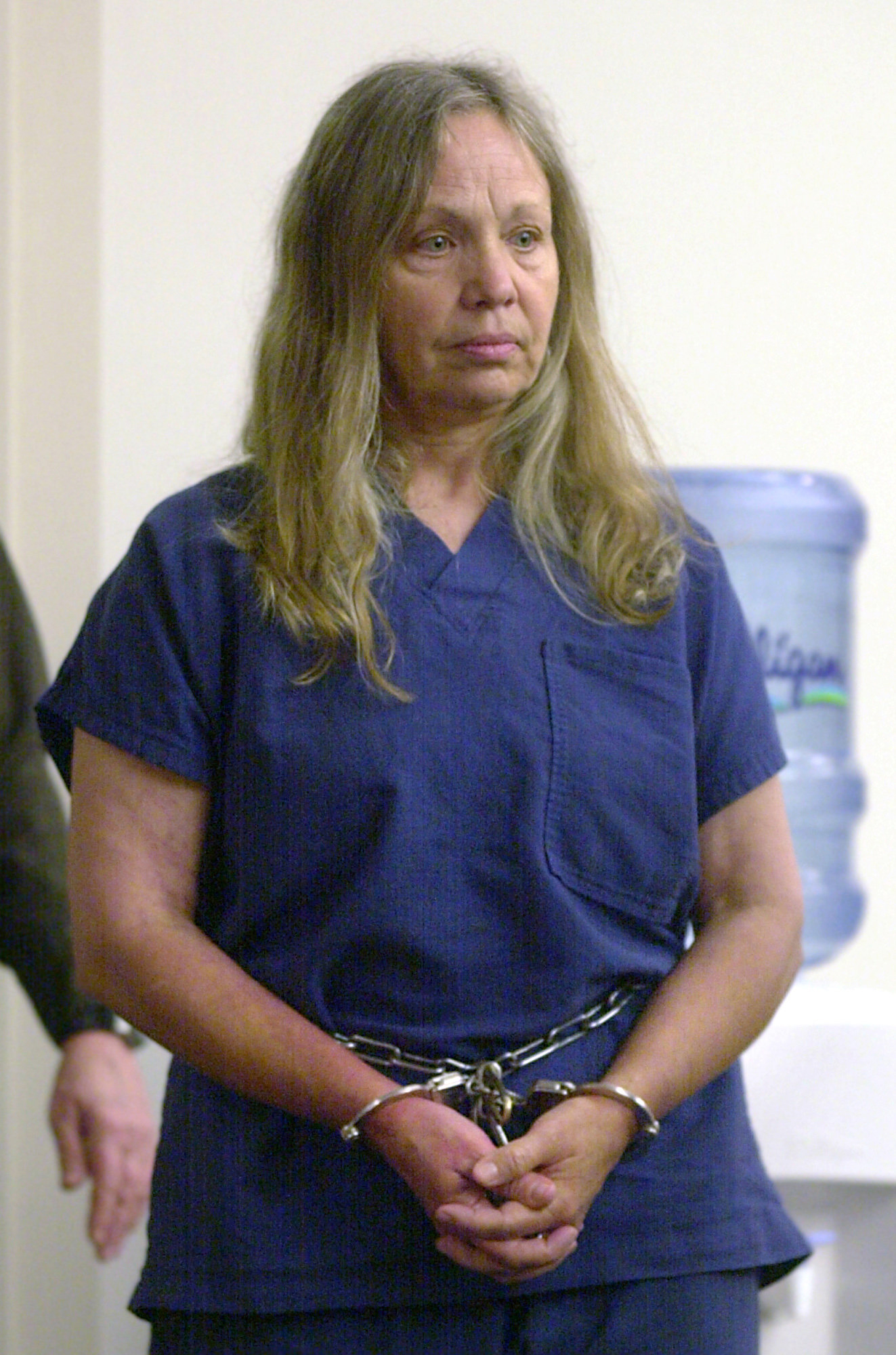
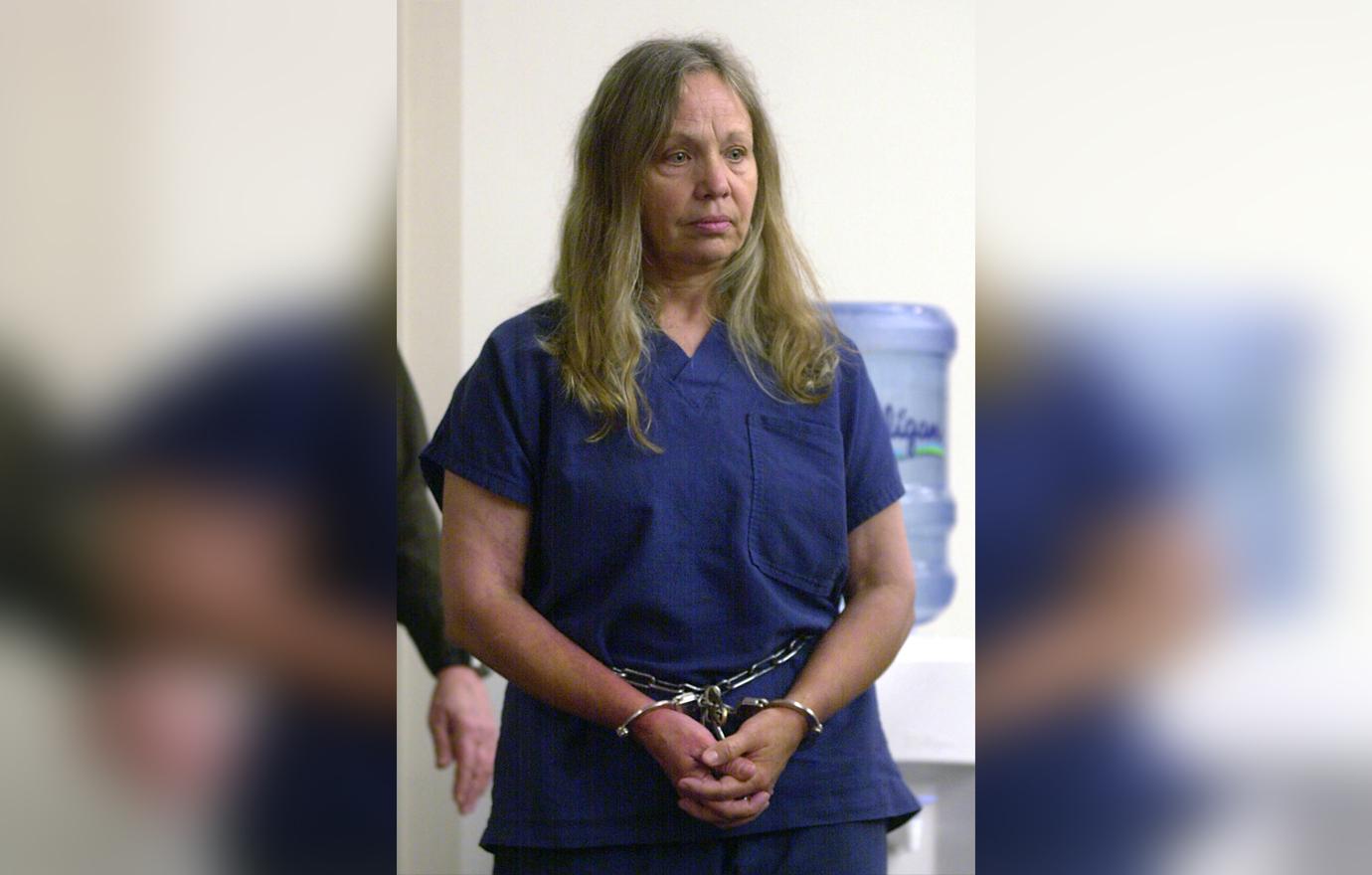
Upon her release from federal prison in April 2016, Barzee was not set free. Instead, federal authorities transferred her directly to the Utah State Prison in Draper to serve out the remainder of her concurrent 1-to-15-year state sentence.
The key legal dispute emerged during her interactions with the Utah Board of Pardons and Parole. In July 2018, the Board held a hearing to review Barzee's sentence status. Initially, corrections officials and victim advocates anticipated that the Board could deny her parole and mandate that she remain in state prison until 2024.
However, subsequent statutory analysis by the Board’s legal counsel uncovered a critical sentencing constraint:
- Statutory Expiration Rule: Under Utah law, an inmate cannot be held past the statutory maximum expiration date of their sentence.
- Concurrent Credit Application: Under Utah Code § 76-3-405 and related sentencing statutes, time served under a federal sentence that runs concurrently with a state sentence must be fully credited against the state sentence length.
- ** recalculated Calculation:** The Board concluded that the nearly 13 years Barzee spent in federal custody (including her time at the Utah State Hospital prior to federal sentencing) legally applied toward her 15-year maximum state sentence.
On September 11, 2018, the Utah Board of Pardons and Parole issued an official statement confirming that it lacked the legal authority to keep Barzee in custody past September 19, 2018, as her maximum 15-year state sentence had legally expired. She was officially released from state custody on September 19, 2018.
Legal Mechanics: How Pre-Trial Credit and Concurrent Sentences Work
The release of Wanda Barzee generated substantial public attention and concern. To clarify why she was released in 2018 rather than serving additional years in state prison, it is necessary to examine the specific legal doctrines governing federal and state custody calculations.
Pre-Trial Detention Credit
Under federal law (18 U.S.C. § 3585(b)), a defendant receives credit toward the service of a term of imprisonment for any time spent in official detention prior to the date the sentence commences. Because Barzee was confined under armed guard at the Utah State Hospital while deemed incompetent, the courts classified this period as official detention. As a result, her time served began accumulating on the day of her arrest: March 12, 2003.
Concurrent vs. Consecutive Sentencing
When a defendant faces charges in both state and federal jurisdictions, judges determine whether sentences run consecutively (one after the other) or concurrently (at the same time).
- If Barzee’s state sentence had been ordered to run consecutively, her 15-year state clock would only have started ticking in April 2016 after her federal sentence ended, keeping her imprisoned until 2031.
- Because her 2010 state plea agreement specified concurrent sentencing, her state time ran simultaneously with her federal time, counting the pre-trial custody from 2003 toward the 15-year state ceiling.
Timeline of Custody & Legal Status (2003 - 2018) 2003 2010 2016 2018 |---------------------|-----------------------|----------------| Utah State Hospital Federal Custody (Texas) UT State Custody Mandatory Release (Pre-Trial Credit) (FMC Carswell) (Draper, UT) (15-Year Cap Met)
Post-Release Supervision and Public Impact
Following her release from the Utah State Prison on September 19, 2018, Barzee was placed under strict supervised release monitored by federal probation officers.
Terms of Federal Supervision
Because her federal sentence included five years of mandatory supervised release, Barzee was subject to restrictive conditions after leaving state prison:
- Mandatory residency in a supervised re-entry facility (halfway house) in Salt Lake County.
- Mandatory psychiatric treatment and medication compliance evaluations.
- Exclusion zones prohibiting contact with Elizabeth Smart, the Smart family, or proximity to schools and child-frequented locations.
- Direct electronic monitoring and prohibition from unapproved travel.
Barzee’s five-year federal supervised release period concluded without reported violations in late 2023, marking the absolute legal termination of all court-ordered criminal justice oversight associated with her 2003 arrest.
Frequently Asked Questions
Why was Wanda Barzee released early from prison?
Barzee was not granted discretionary early parole; rather, her sentence expired under statutory maximum caps. Under Utah state law and federal sentencing guidelines, her total time in custody—including pre-trial psychiatric commitment from 2003 to 2010—counted toward her concurrent 15-year maximum sentence, reaching the legal limit in September 2018.
How long did Wanda Barzee actually serve in prison?
Barzee spent a total of 15 years and 6 months in continuous official custody between her arrest on March 12, 2003, and her release on September 19, 2018. This time was split between the Utah State Hospital, FMC Carswell federal prison in Texas, and the Utah State Prison.
Did Elizabeth Smart testify against Wanda Barzee?
Elizabeth Smart provided extensive evidence and statements, but Barzee ultimately entered a plea agreement in 2009. As part of that agreement, Barzee agreed to testify against co-defendant Brian David Mitchell during his 2010 federal trial, eliminating the need for a trial in Barzee's own case.
What was the difference between Brian David Mitchell's and Wanda Barzee's sentences?
Brian David Mitchell refused plea bargains, maintained his competency disputes, and went to federal trial. He was convicted in 2010 and received two life sentences without the possibility of parole. Barzee accepted a federal plea deal, cooperated with prosecutors, and received a fixed 15-year sentence with credit for time served.
Where did Wanda Barzee go after her 2018 release?
Upon release in September 2018, Barzee was required to live in a secure re-entry halfway house in Utah under the supervision of the U.S. Probation Office. She completed her required five-year federal supervised release term in late 2023.
Practical Takeaways and Legal Lessons
The prison timeline of Wanda Barzee highlights critical operational rules within the judicial system:
- Psychiatric Commitment Counts as Custody: Time spent in a state mental hospital under involuntary commitment prior to trial counts toward statutory detention credits in both federal and state court systems.
- Concurrent Sentence Caps: A concurrent sentence cannot legally extend beyond the statutory maximum set by state legislation, regardless of public objection or parole board preferences.
- Plea Bargain Dynamics: Cooperation agreements can radically alter criminal sentencing outcomes compared to co-defendants who go to trial, even in high-profile capital or kidnapping offenses.
Image Gallery