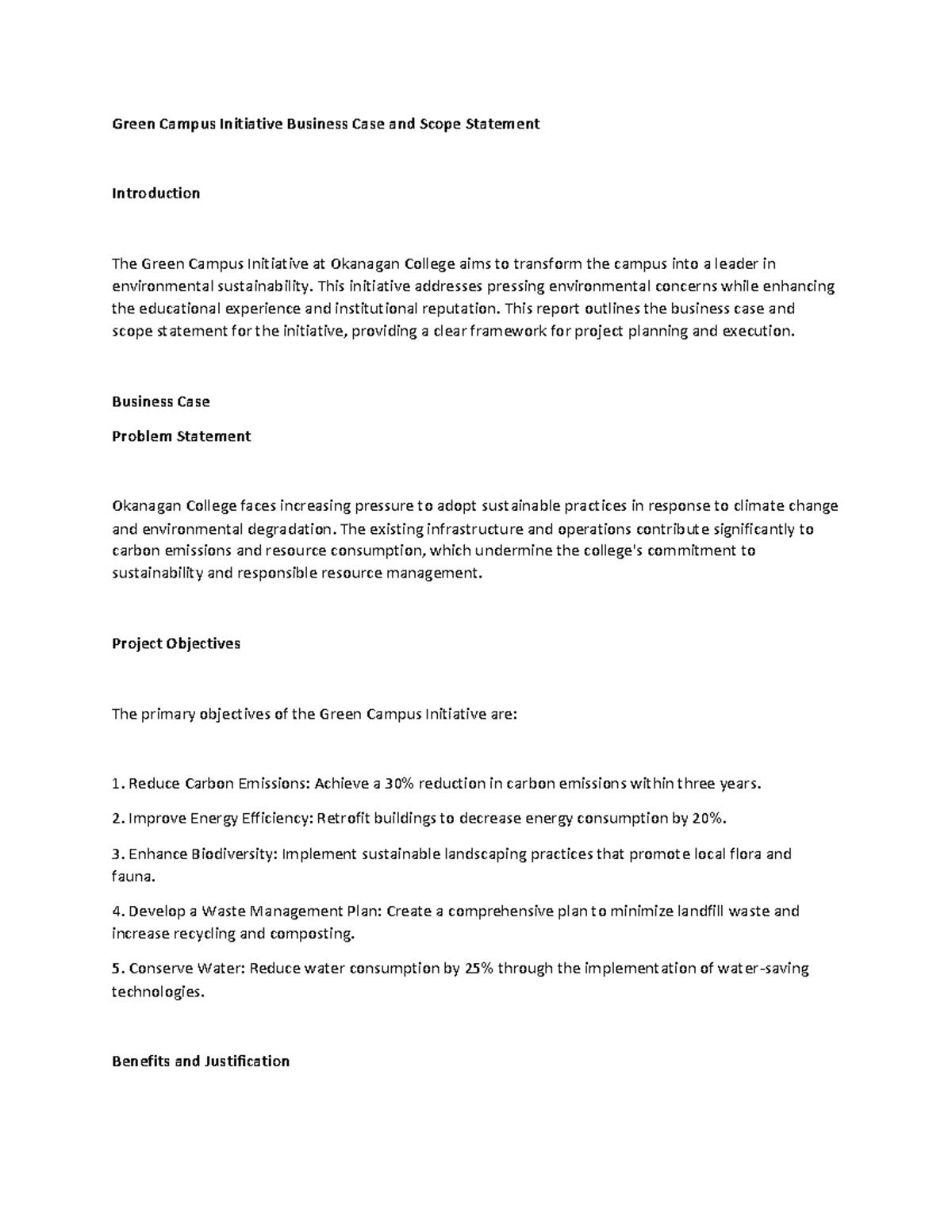
Robert Ford and the Campus Green Initiative: Leading Sustainable Transformation in Canadian Higher Education
Robert Ford, a prominent figure in Canadian institutional management, spearheaded the Campus Green Initiative (CGI) to integrate environmental sustainability into the core infrastructure and curriculum of higher education. This initiat...
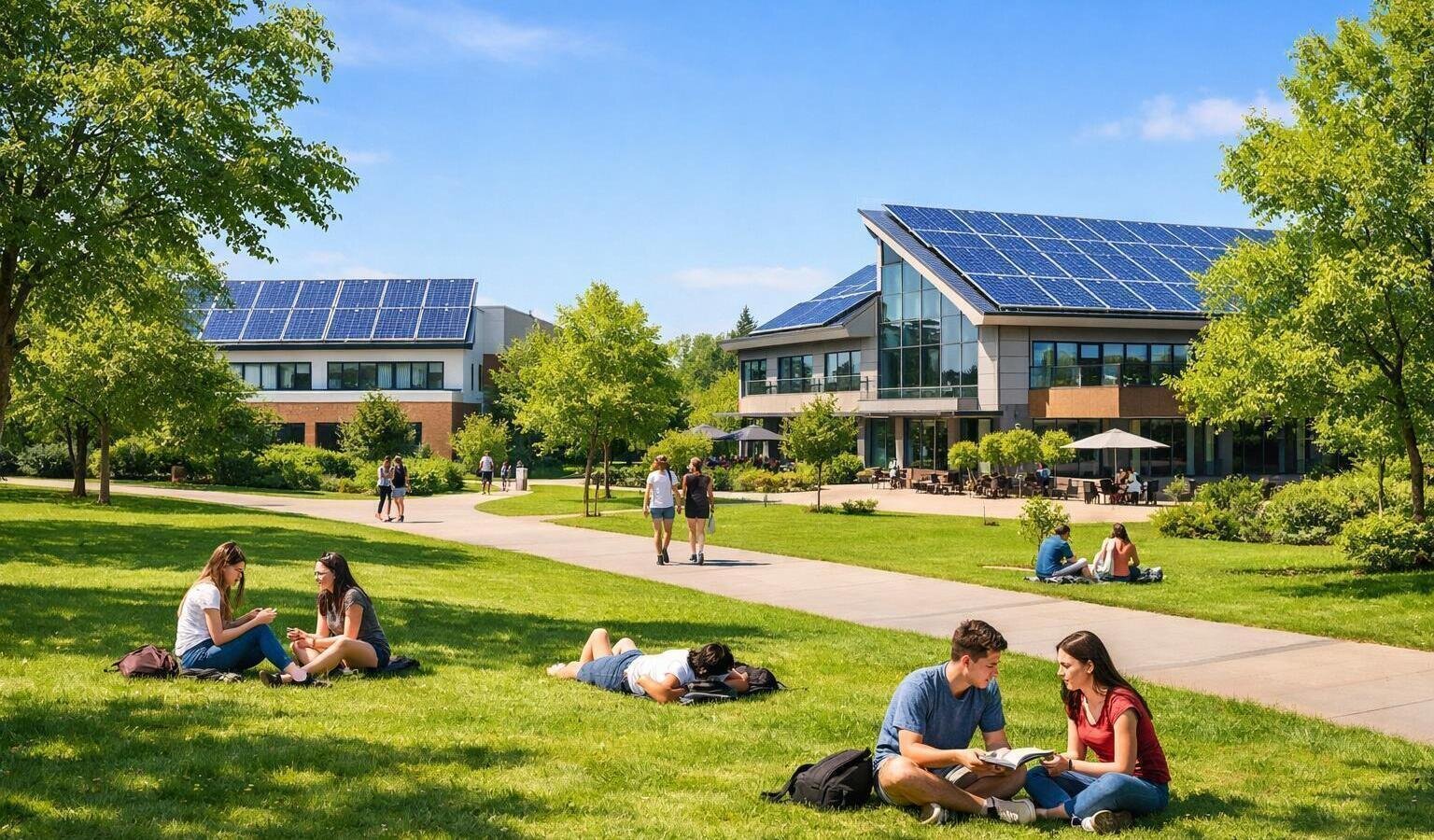
Robert Ford, a prominent figure in Canadian institutional management, spearheaded the Campus Green Initiative (CGI) to integrate environmental sustainability into the core infrastructure and curriculum of higher education. This initiative primarily focused on transforming campus facilities into "living laboratories," reducing carbon footprints through LEED-certified construction and geothermal energy, and aligning vocational training with the emerging green economy.
Contents
The Campus Green Initiative represents a pivotal shift in how Canadian colleges and universities approach their physical footprint. Rather than viewing sustainability as a peripheral administrative concern, the framework established by Robert Ford and his contemporaries treated the campus as an active participant in climate solutions. As of 2026, the principles established during the early phases of this initiative have become the benchmark for institutional development across Ontario and the broader Canadian landscape.
The Origins and Vision of the Campus Green Initiative
The Campus Green Initiative emerged from a critical need to modernize aging campus infrastructure while addressing the escalating climate crisis. In the Canadian context, particularly within the Ontario college system, institutions faced the dual challenge of rising energy costs and the necessity to provide students with relevant skills for a decarbonizing workforce.
Robert Ford’s leadership, notably during his tenure in facilities management and strategic operations at institutions like Loyalist College, provided the blueprint for the CGI. The vision was never limited to simple recycling programs or lightbulb replacements. Instead, it was an ambitious overhaul of the institutional ecosystem. The initiative sought to demonstrate that technical colleges could lead the way in high-performance building standards, proving that sustainability and economic viability are not mutually exclusive.
The primary objectives of the CGI included:
- Carbon Neutrality Pathways: Developing long-term strategies to eliminate institutional greenhouse gas emissions.
- Infrastructure Modernization: Retrofitting legacy buildings with high-efficiency HVAC systems and smart building envelopes.
- Academic Integration: Using the greening of the campus as a teaching tool for students in trades, technology, and life sciences.
- Community Partnership: Leveraging campus initiatives to foster regional sustainability networks.
The Sustainable Skills, Technology and Life Sciences Centre
One of the most significant physical manifestations of Robert Ford’s involvement in the Campus Green Initiative was the development of the Sustainable Skills, Technology and Life Sciences Centre. This project served as a flagship for the CGI, showcasing how modern architectural design could facilitate advanced technical training while adhering to rigorous environmental standards.
The centre was designed to meet LEED (Leadership in Energy and Environmental Design) Silver standards, though many of its components exceeded these requirements. By 2026, the building remains a prime example of "integrated design," where the architecture itself serves as a pedagogical tool.
Technical Innovations in Campus Design
The technical depth of the CGI is best observed through the specific engineering choices made during the construction and retrofitting phases. Under Ford's direction, the initiative prioritized systems that offered the highest return on carbon reduction:
- Geothermal Heating and Cooling: By utilizing the thermal mass of the earth, the initiative significantly reduced the reliance on natural gas for climate control. This transition required extensive site analysis and the installation of closed-loop systems that remain operational and efficient over several decades.
- Living Wall Bio-filters: A hallmark of the CGI was the integration of vertical gardens that do more than provide aesthetic value. These walls act as natural air purification systems, removing Volatile Organic Compounds (VOCs) and regulating indoor humidity, which reduces the load on mechanical ventilation systems.
- High-Performance Envelopes: The initiative emphasized the "fabric first" approach. By increasing insulation R-values and utilizing triple-glazed windows, the institutions minimized heat loss—a critical factor in the harsh Canadian climate.
Strategic Impact on Student Outcomes and the Green Economy
Robert Ford’s approach to the Campus Green Initiative was deeply rooted in the belief that a "green campus" produces "green-ready" graduates. By involving students in the monitoring and maintenance of sustainable systems, the initiative bridged the gap between theoretical environmental science and practical application.
For students in the building trades, the CGI provided direct exposure to solar photovoltaic installation, geothermal loop maintenance, and sustainable carpentry. For those in life sciences, the campus itself became a site for biodiversity studies and waste-to-energy research. This hands-on experience has proven invaluable as Canada’s labor market in 2026 increasingly demands expertise in renewable energy and sustainable construction practices.
Comparison of Campus Sustainability Standards (2010 vs. 2026)
The following table illustrates the evolution of institutional standards influenced by the Campus Green Initiative from its early implementation to the current 2026 landscape.
| Feature | Early CGI Standards (c. 2010-2015) | Current Institutional Standards (2026) |
|---|---|---|
| Building Certification | LEED Silver Target | Net-Zero Carbon or Passive House |
| Energy Source | Hybrid (Grid + Pilot Renewables) | Majority On-site Renewables / Geothermal |
| Waste Management | 50% Diversion Rate | Zero-Waste Circular Economy Models |
| Water Usage | Low-flow fixtures | Integrated Greywater Recycling Systems |
| Curriculum | Optional Sustainability Modules | Mandatory Integrated Green Competencies |
| Monitoring | Monthly Utility Billing | Real-time AI-driven Building Analytics |
Navigating Challenges in Institutional Greening
The path to a fully sustainable campus was not without significant hurdles. Robert Ford and the CGI teams faced systemic obstacles, primarily regarding capital funding and the "payback period" of green technologies.
Initially, the higher upfront costs of sustainable materials and advanced mechanical systems met with skepticism from traditional budget committees. The resolution to this problem lay in Life Cycle Cost Analysis (LCCA). By demonstrating that the long-term operational savings—accrued through reduced energy consumption and lower maintenance costs—would far outweigh the initial investment, the CGI team secured the necessary political and financial backing.
Furthermore, retrofitting heritage buildings presented technical difficulties. Preserving the historical character of a campus while meeting modern airtightness standards required innovative engineering solutions, such as internal vapor-permeable insulation systems that prevent moisture buildup within old masonry.
The Role of Leadership and Advocacy
Robert Ford’s contribution was as much about advocacy as it was about facilities management. He recognized that for the Campus Green Initiative to succeed, it required a culture shift. This involved engaging with provincial ministries, local municipalities, and private sector partners to create a unified vision for a sustainable future.
His leadership emphasized transparency. By making energy performance data public and encouraging student-led audits, the CGI fostered a sense of collective responsibility. This model of leadership has since been adopted by various "Green Teams" across Canadian institutions, where students, faculty, and administration work collaboratively rather than in silos.
Future Projections: Beyond 2026
As we look at the state of Canadian campuses in 2026, the legacy of the Campus Green Initiative is evident in the transition toward Regenerative Design. The goal has shifted from "doing less harm" to "doing more good." Modern campus projects now aim to produce more energy than they consume and to actively restore local ecosystems through advanced stormwater management and native reforestation projects.
The foundation laid by Robert Ford ensured that these goals were not merely aspirational but technically and financially feasible. The "living lab" concept has matured, with many campuses now serving as regional hubs for climate resilience, providing emergency cooling centers and decentralized power to their surrounding communities during extreme weather events.
FAQ
What exactly was Robert Ford’s role in the Campus Green Initiative?
Robert Ford served as a primary visionary and operational leader, specifically within the Ontario college sector. He focused on integrating sustainable facilities management with academic programming, ensuring that green infrastructure projects served as practical training grounds for students.
How did the Campus Green Initiative affect student tuition?
While green initiatives require initial capital, the long-term goal of the CGI was to stabilize or reduce institutional operating costs. By lowering energy expenditures through efficiency and on-site generation, institutions can better manage their budgets, ultimately protecting students from tuition hikes driven by rising utility costs.
What is a "living laboratory" in the context of this initiative?
A living laboratory refers to a campus where the physical infrastructure—such as the HVAC systems, solar arrays, and water treatment facilities—is used as a direct teaching tool. Students monitor real-time data from these systems to learn about engineering, environmental science, and sustainable management.
Is the Campus Green Initiative limited to new buildings?
No. A major component of the initiative involved the deep energy retrofitting of existing structures. This included upgrading insulation, windows, and lighting in older buildings to bring them as close as possible to modern efficiency standards, recognizing that the "greenest" building is often the one that is already standing.
How does the CGI align with Canada's 2026 climate goals?
The CGI is a direct contributor to Canada’s federal and provincial targets for carbon reduction. By decarbonizing large institutional footprints and training the next generation of green-energy workers, the initiative provides both the physical reduction in emissions and the human capital necessary to sustain a low-carbon economy.
Next Steps for Institutional Leaders
To continue the momentum established by Robert Ford and the Campus Green Initiative, institutional leaders should prioritize the transition from carbon-neutral to carbon-positive operations. This involves conducting a comprehensive audit of existing "Scope 3" emissions (indirect emissions from supply chains and commuting) and integrating AI-driven energy management systems to optimize real-time consumption. Engaging with local indigenous communities to incorporate traditional ecological knowledge into campus land-use planning is also a critical next step for holistic sustainability in 2026.
Image Gallery