AAA Septic in Shelton WA Overview: Services, Operations, and Local Wastewater Management
Navigating local sanitation infrastructure requires understanding provider capabilities, regulatory requirements, and standard maintenance schedules. In Shelton, Washington, residential and commercial properties rely on specialized loc...
Navigating local sanitation infrastructure requires understanding provider capabilities, regulatory requirements, and standard maintenance schedules. In Shelton, Washington, residential and commercial properties rely on specialized local contractors to manage onsite sewage systems (OSS), ensuring compliance with Mason County health codes and protecting local water resources.
Contents
Introduction to Onsite Wastewater Management in Shelton, WA
Managing wastewater in rural and semi-rural areas like Shelton, Washington, differs significantly from municipal sewer connections. Properties situated outside city sewage lines depend on decentralized onsite sewage systems—most commonly conventional gravity septic systems, pressure distribution systems, or mound systems. Because these installations sit entirely on private property, the responsibility for inspection, routine pumping, and emergency troubleshooting falls entirely on the property owner.
When looking into local service providers, understanding the operational landscape helps homeowners choose the right contractor for septic tank pumping, line jetting, inspections, and drain field remediation. This overview examines the core service categories, regulatory considerations under local health authorities, and structural components of septic care in Shelton, providing a clear framework for property owners managing private sanitation infrastructure.
Core Septic Services Required for Shelton Properties
Maintaining a functional onsite sewage system requires a combination of routine preventive maintenance and responsive diagnostic work. Property owners in Mason County typically engage septic service professionals for several essential tasks.
Routine Septic Tank Pumping and Sludge Management
Over time, household wastewater separates inside the septic tank into three distinct layers: scum floating at the top, effluent in the middle, and heavy solids (sludge) settling at the bottom. As sludge accumulates, it reduces the effective liquid capacity of the tank. If left unpumped, solids eventually escape the tank and enter the drain field, causing catastrophic soil clogging and complete system failure.
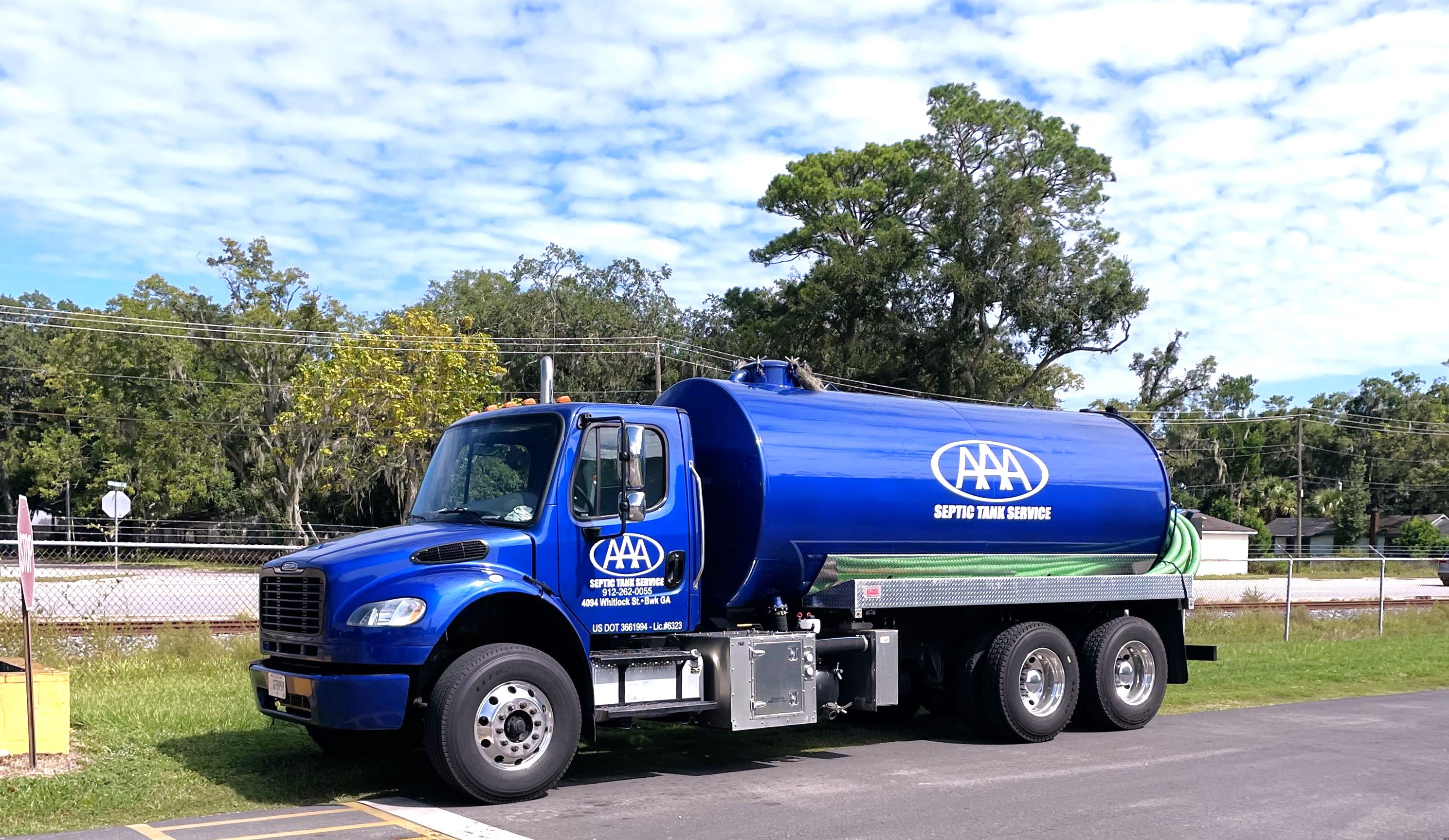
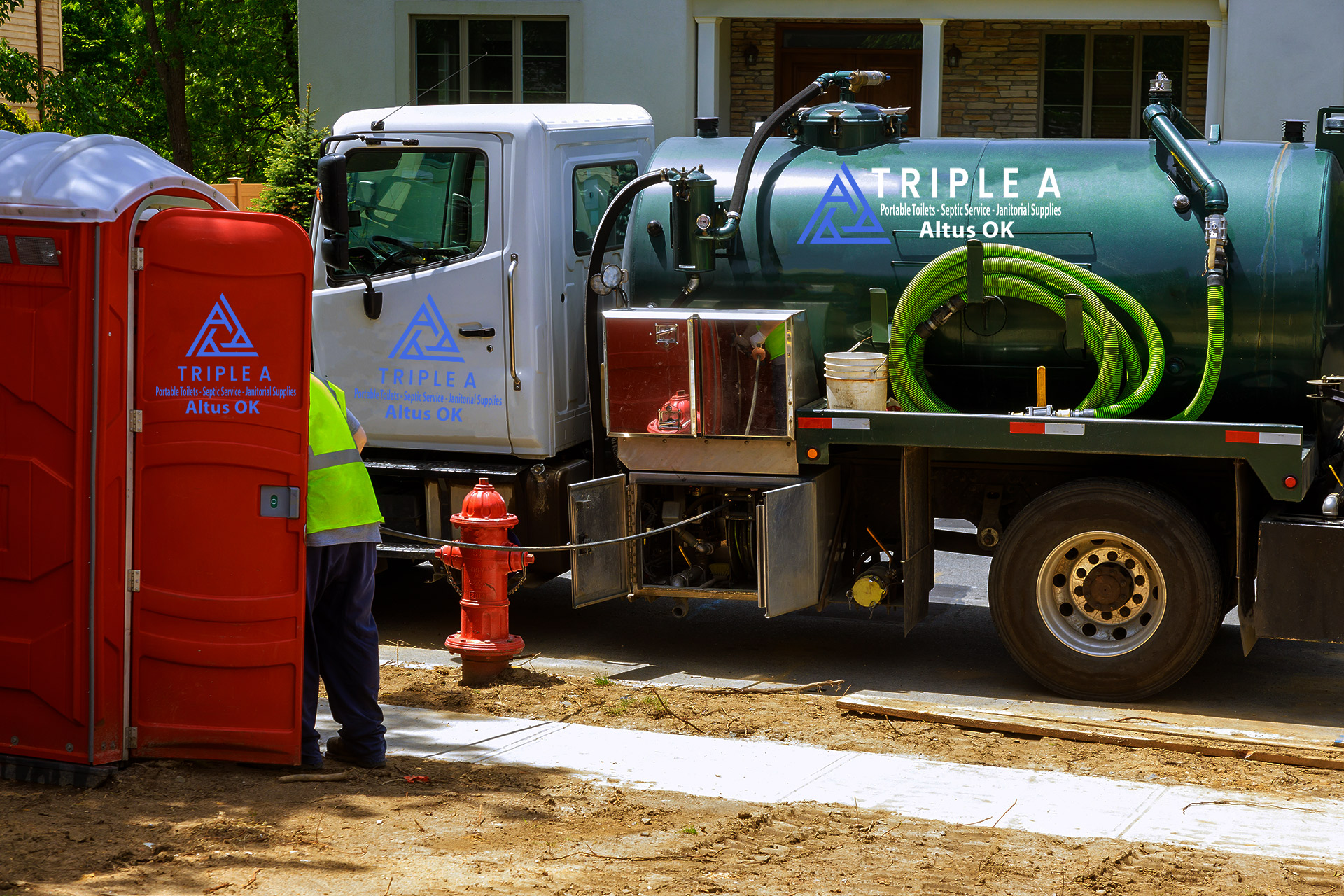
Professional pumpers utilize high-capacity vacuum trucks to completely evacuate both liquid and solid layers. Depending on household size and tank capacity, standard maintenance intervals generally range from three to five years. Properties featuring garbage disposals or high water usage often require more frequent pumping to prevent premature solid carryover.
Inspections for Real Estate Transactions and Compliance
Buying or selling a home in Shelton with an onsite septic system typically mandates a septic inspection to satisfy lending requirements or local health district rules. Certified inspectors evaluate structural integrity, check baffle condition, measure scum and sludge depths, and verify that the effluent flows properly toward the drain field. These evaluations protect buyers from inheriting hidden infrastructure failures and give sellers an opportunity to address minor defects before closing.
Troubleshooting and Emergency Repairs
Failures rarely occur on a convenient schedule. Common warning signs of a failing or overloaded system include:
- Slow-draining sinks, tubs, and showers.
- Gurgling sounds emanating from household plumbing.
- Unpleasant sewage odors pooling around the yard or basement.
- Saturated, spongy grass or standing water directly over the tank or drain field, even during dry weather.
Professional technicians utilize specialized diagnostic tools—such as electronic line locators, mechanical snakes, and sewer cameras—to pinpoint blockages, crushed distribution pipes, or root intrusion without unnecessarily excavating the property.
Regulatory Framework and Environmental Stewardship in Mason County
Onsite sewage systems in Shelton operate under the jurisdiction of local and state environmental health regulations. The Washington State Department of Health sets minimum statewide standards for design, installation, and operation, while the Mason County Public Health department enforces local codes to protect groundwater quality and Puget Sound inlets.
Operating Permits and Public Health Rules
Mason County administers an operational permit program for septic systems. These permits ensure that systems receive regular evaluations by certified professionals. Property owners must maintain valid documentation and verify that their systems undergo routine checkups according to county-mandated timelines. Failure to maintain a system can lead to surface contamination, environmental fines, and costly emergency drain field reconstructions.
Protecting Local Aquifers and Watersheds
Shelton sits within a sensitive hydrological region characterized by high water tables, seasonal rainfall, and proximity to marine waters and freshwater aquifers. Proper maintenance of septic tanks directly prevents untreated pathogens, nitrates, and household chemicals from leaching into shallow groundwater supplies. Using low-phosphate detergents, conserving indoor water usage, and avoiding the disposal of harsh chemical drain cleaners or pharmaceutical products all contribute to the longevity of the drain field's biological treatment zone (the biomat).
Comparative Analysis of Septic Maintenance Tasks
To help property owners understand the scope, frequency, and purpose of various interventions, the following table outlines standard septic service categories.
| Service Type | Typical Frequency | Primary Objective | Professional Requirements |
|---|---|---|---|
| Tank Pumping | Every 3 to 5 years | Remove accumulated sludge and scum to protect the drain field. | Licensed pumper truck operator with proper disposal site authorization. |
| Real Estate Inspection | At time of property sale | Verify functional and structural integrity for lenders and buyers. | Mason County certified septic inspector or O&M specialist. |
| Effluent Filter Cleaning | Annually or biannually | Prevent suspended solids from exiting the tank into outlet pipes. | Homeowner DIY or service technician during routine checkup. |
| Hydro-Jetting / Line Clearing | As needed (upon blockage) | Remove root intrusion, grease buildup, and scale from sewer lines. | Specialized high-pressure water jetting equipment operator. |
Frequently Asked Questions
How often should a septic tank be pumped in Shelton, WA?
Most residential septic tanks require pumping every three to five years. The exact interval depends on the number of permanent residents in the home, the volume of wastewater generated, and the physical capacity of the tank. Homes with garbage disposals or high water consumption generally need more frequent service.
What are the signs of a failing drain field?
Key indicators include persistent wet spots or standing water over the drain field area during dry weather, lush green grass growing over the trenches despite drought conditions, slow indoor plumbing fixtures, and sewage odors backing up into the house or lingering around the yard.
Can I inspect my own septic system?
While homeowners can perform basic visual checks—such as monitoring water usage and inspecting the surface of the yard—official regulatory inspections and physical tank evaluations must be performed by certified professionals who possess the proper training, safety equipment, and local certifications required by Mason County.
What items should never go down a septic system drain?
To protect the bacterial balance inside the tank and prevent mechanical blockages, you should never flush or pour grease, cooking oils, coffee grounds, paper towels, flushable wipes, feminine hygiene products, cat litter, paints, solvents, or excessive chemical disinfectants down household drains.
How do seasonal rains in Western Washington affect septic systems?
Heavy autumn and winter rainfall raises the regional water table in Mason County. If a drain field is already compromised or saturated, high groundwater can infiltrate the absorption trenches, temporarily halting the soil's ability to treat and absorb effluent properly.
Practical Next Actions for Property Owners
Managing an onsite septic system proactively saves money and protects your real estate investment. Property owners in Shelton should confirm the exact location of their septic tank and access lids, maintain a written log of all pumping and maintenance dates, and avoid planting trees or parking vehicles over the drain field lines. If you suspect an operational issue or require routine certification, contact a licensed local septic professional to schedule an evaluation before minor maintenance items escalate into major structural failures.
Image Gallery