Navigating Insurance Quotes by VIN Number: What You Need to Know
Using a Vehicle Identification Number (VIN) to get insurance quotes streamlines the process by instantly pulling up precise vehicle specifications, safety ratings, and theft recovery data, though carriers still require personal driving...
Using a Vehicle Identification Number (VIN) to get insurance quotes streamlines the process by instantly pulling up precise vehicle specifications, safety ratings, and theft recovery data, though carriers still require personal driving history and ZIP code details to generate an accurate price.
Contents
Understanding the Role of the VIN in Auto Insurance
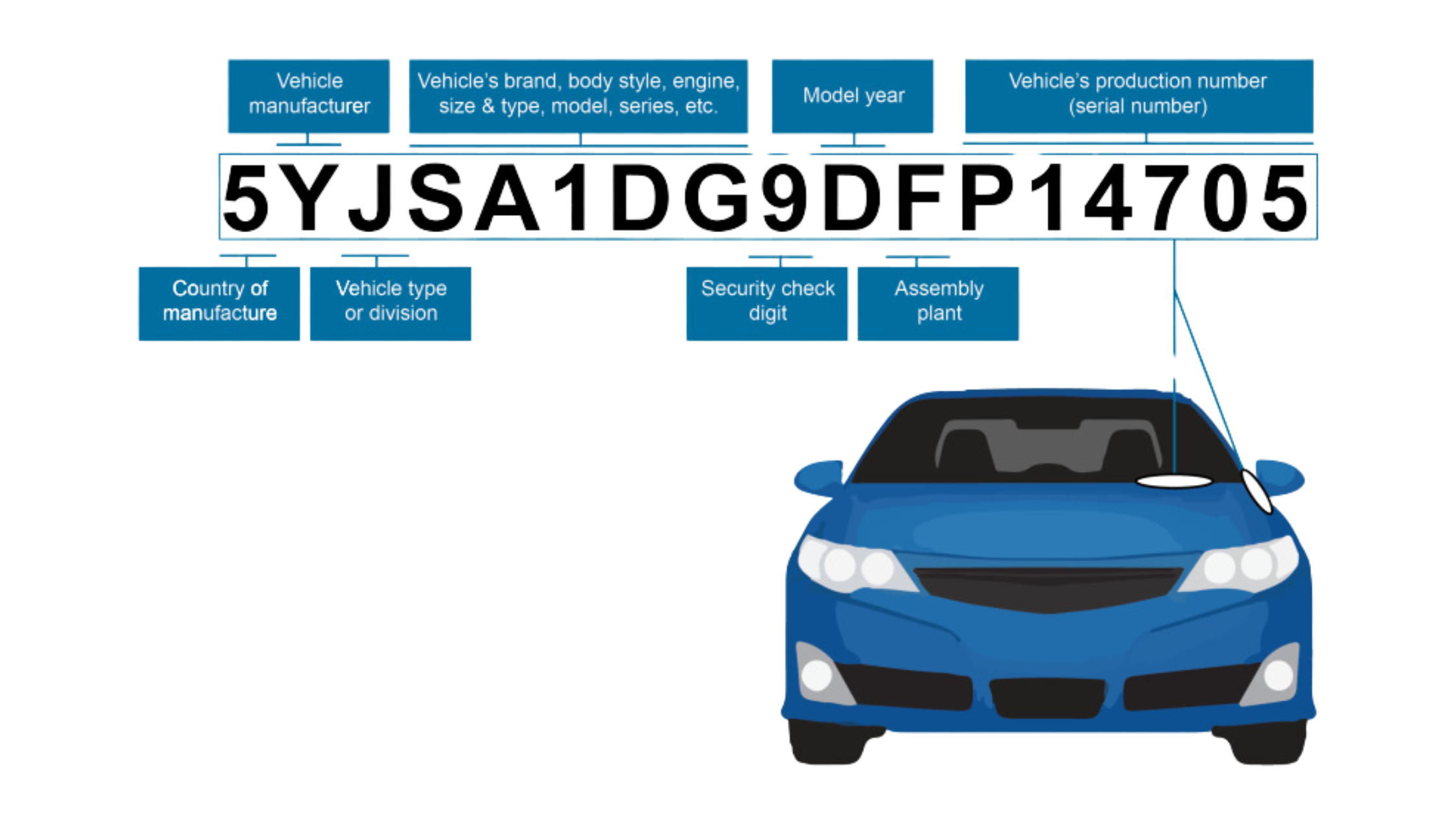
When shopping for car insurance, the Vehicle Identification Number—a unique 17-character code stamped onto every motor vehicle—serves as the primary fingerprint for your car. Insurance carriers use this alphanumeric string to instantly decode exact specifications such as make, model, year, trim level, engine size, safety equipment, and anti-theft devices. Rather than forcing a policyholder to manually enter dozens of vehicle details, entering a VIN allows rating software to instantly query automotive databases, ensuring that the quotes provided match the exact specifications of the car.
However, a common misconception among drivers is that a VIN alone is sufficient to generate an accurate insurance quote. While the VIN provides comprehensive data about the asset being insured, auto insurance pricing depends heavily on human factors. Insurers must evaluate who is driving the vehicle, where it is parked overnight, and how it is used. Therefore, while a VIN speeds up the data-entry phase, it is only one component of a broader underwriting calculation.
What Information a VIN Reveals to Insurance Carriers
The 17 characters of a VIN carry an immense amount of standardized data regulated by the National Highway Traffic Safety Administration (NHTSA) in the United States. When an insurance company's underwriting system processes your VIN, it extracts several critical pieces of information that directly influence your premium:
- Vehicle Classification and Body Style: The system identifies whether the vehicle is a sedan, SUV, coupe, truck, or van, which correlates with historical injury claims and repair costs.
- Safety Features and Restraint Systems: Factory-installed airbags, anti-lock brakes (ABS), electronic stability control, and passive restraint systems are encoded into the sequence, often triggering specific safety discounts.
- Engine Performance and Size: The powertrain configuration helps insurers assess acceleration capacity and horsepower, which act as risk indicators for high-speed accidents.
- Assembly Plant and Country of Origin: Import status, parts availability, and manufacturing standards are pulled from the sequence, impacting the projected cost of replacement parts.
Beyond physical specifications, insurance companies link the VIN to national vehicle databases to check for historical flags. These checks reveal whether the vehicle has been marked as a total loss, salvaged, rebuilt, flood-damaged, or reported stolen. Driving a vehicle with a salvaged or rebuilt title often changes the type of coverage available, typically restricting the owner to liability-only coverage or requiring a specialized inspection before comprehensive and collision insurance can be bound.
Why Insurers Require More Than Just a VIN
While the VIN tells the insurer what they are insuring, it does not reveal who is behind the wheel or where the vehicle operates. Insurance pricing is fundamentally risk-based, meaning the human element carries the most weight in the final calculation. To receive a binding quote, you must provide supplementary information that works in tandem with your VIN data.
| Information Category | Specific Data Points Required | Impact on Insurance Quote |
|---|---|---|
| Driver Profile | Age, gender, marital status, driving history, claims history | Determines the statistical probability of the driver causing an accident. |
| Location (ZIP Code) | Garaging address, local traffic density, weather risks, crime rates | Reflects regional costs of litigation, medical care, and vehicle theft. |
| Vehicle Usage | Commute distance, annual mileage, personal vs. commercial use | Measures exposure time; more miles driven equals higher statistical risk. |
| Coverage Selections | Liability limits, comprehensive/collision deductibles, optional add-ons | Directly dictates the maximum payout liability of the insurer and shifts cost to the insured. |
Because of these variables, two drivers insuring the exact same car using the exact same VIN will receive radically different quotes if one driver has a clean record in a rural suburb and the other has multiple speeding tickets in a dense metropolitan area.
Step-by-Step Process to Get Quotes Using a VIN
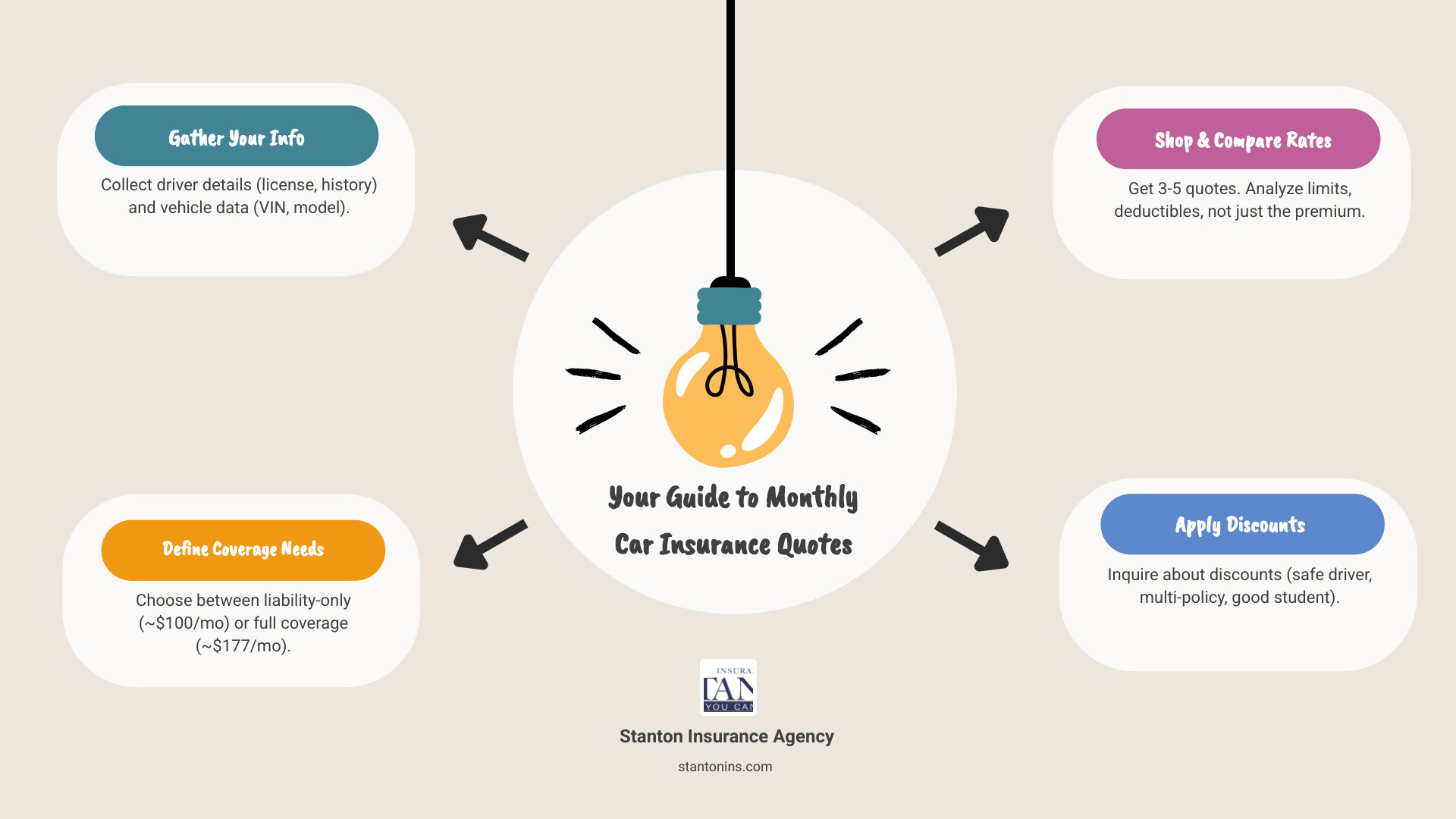
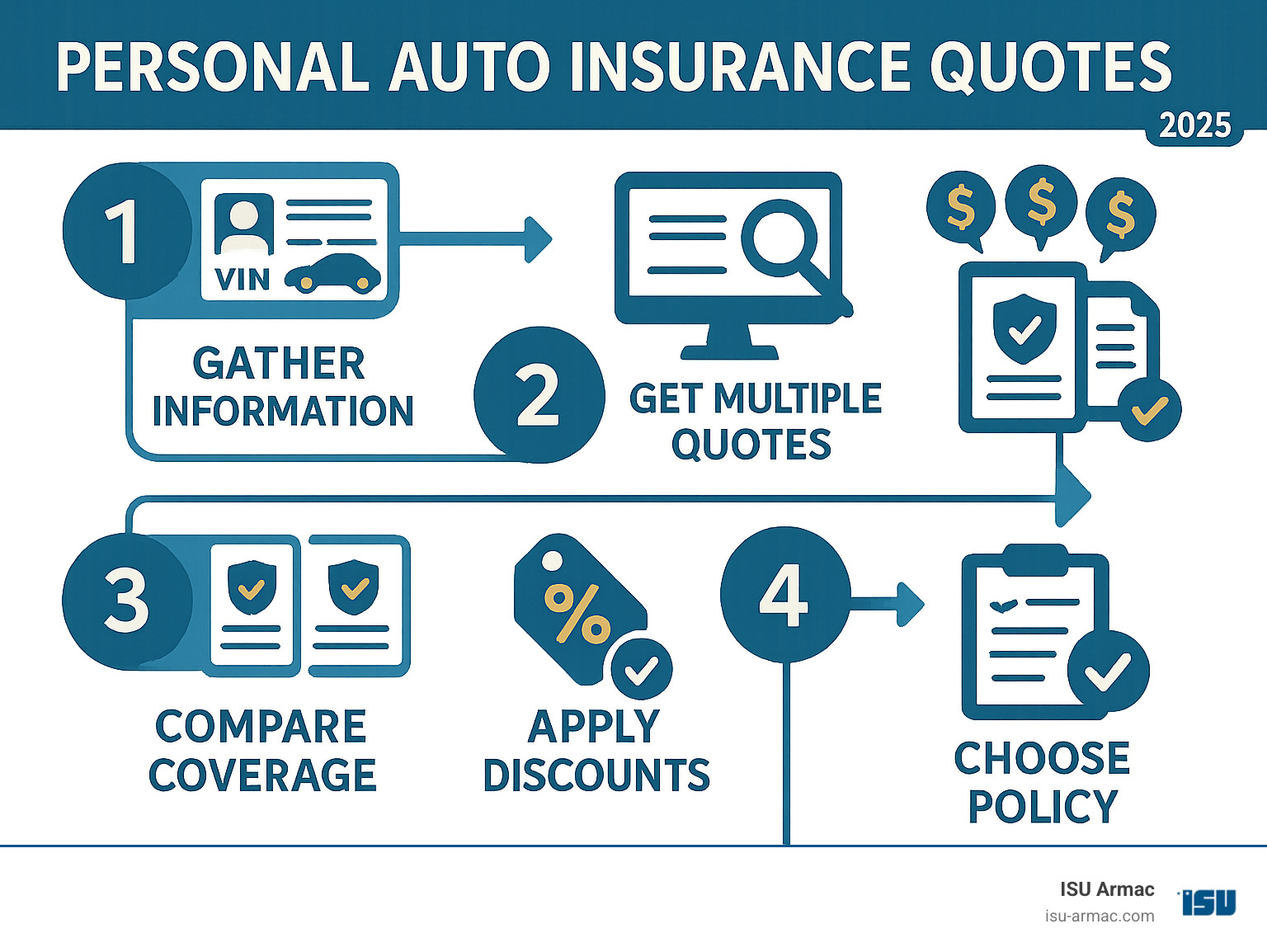
Getting an insurance quote using a VIN is a straightforward process, whether you are buying a new vehicle from a dealership or shopping around for better rates on your current car. Preparing your information beforehand ensures the process goes smoothly.
- Locate Your VIN: Find the 17-character code on your vehicle's dashboard (visible through the driver's side windshield), the driver's side door jamb sticker, your vehicle registration card, or your current insurance ID card.
- Gather Personal and Household Details: Have your driver's license number, Social Security number (used for credit-based insurance scoring where permitted), and the driver's license numbers of any other household members ready.
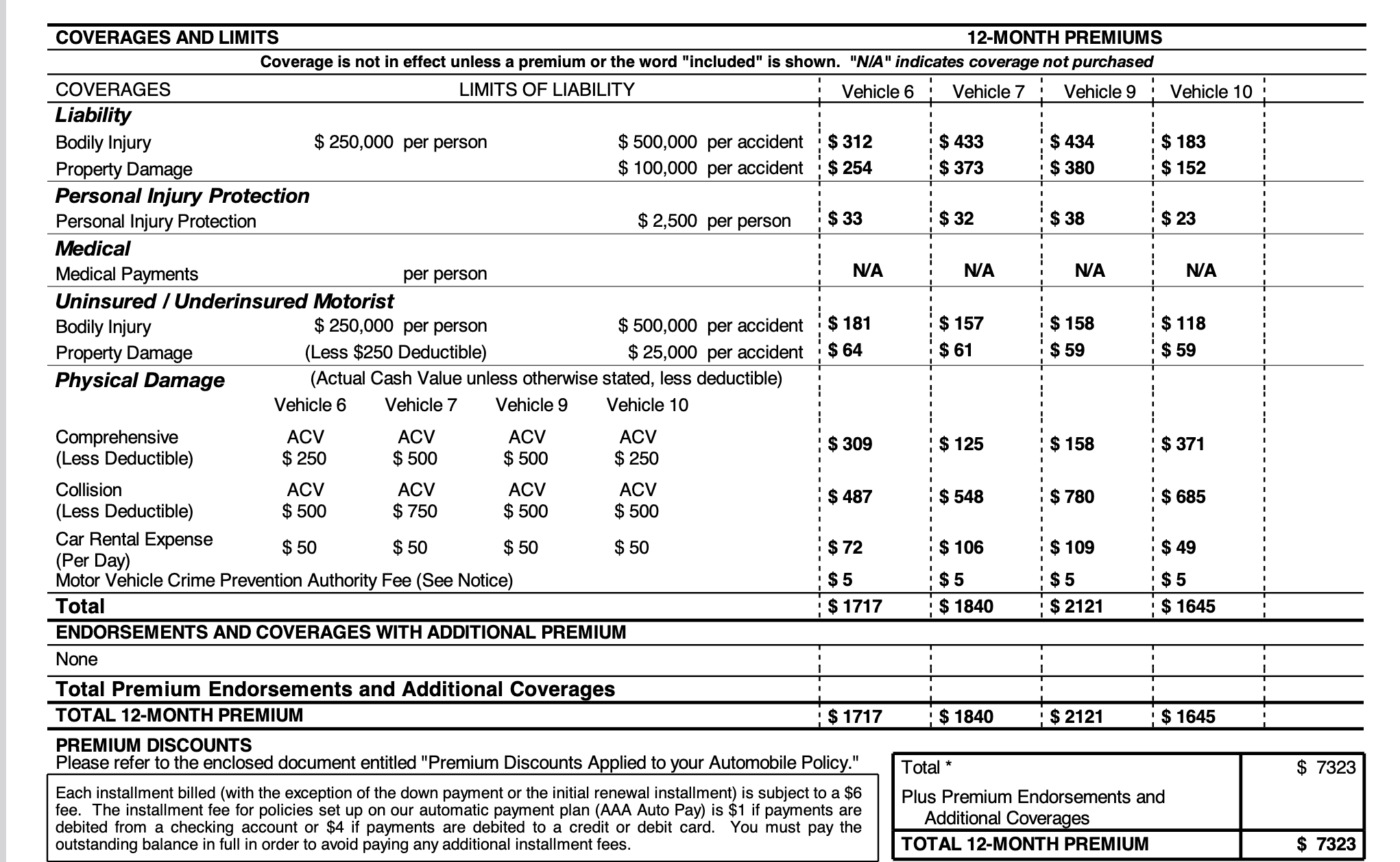
- Determine Your Coverage Needs: Decide on the liability limits and deductible amounts you want. Standard options typically include bodily injury liability, property damage liability, uninsured motorist coverage, and physical damage coverages (comprehensive and collision).
- Visit Carrier Websites or Comparison Tools: Input your ZIP code and personal details into an insurer's online quoting portal, then enter the VIN when prompted for vehicle details.
- Review and Compare: Examine the resulting quotes to ensure the VIN lookup accurately identified your vehicle's correct trim package, as trim discrepancies can alter the quoted premium.
If you are purchasing a vehicle from a private seller or dealership before finalizing the sale, ask the seller for a photo of the VIN or the vehicle registration document. You can use this VIN to secure an insurance binder or quote ahead of time, ensuring you can legally drive the vehicle off the lot.
Advantages of Using a VIN for Rate Shopping
Utilizing a VIN during the insurance shopping process provides distinct logistical and financial benefits compared to manual vehicle entry:
- Error Reduction: Manually selecting a vehicle make, model, and sub-model from drop-down menus often leads to mistakes. Selecting a base model instead of a turbocharged sport trim, for instance, can result in a quoted price that changes drastically once the insurer runs the actual VIN at underwriting.
- Instant Access to Safety Discounts: Automated VIN decoders instantly log passive safety devices, ensuring that anti-lock brakes, factory security systems, and advanced driver-assistance systems (ADAS) are factored into the initial calculation without manual checkbox verification.
- Accurate Financing and Lease Compliance: If you are financing or leasing a vehicle, lenders require specific coverage levels (usually comprehensive and collision with low deductibles). A VIN lookup ensures the insurer applies the correct vehicle value to satisfy lender requirements.
Common Mistakes to Avoid When Using a VIN
Navigating online insurance quotes requires attention to detail. Avoiding common pitfalls ensures your quote remains accurate when it comes time to purchase the policy:
- Confusing Similar Characters: The letters "I", "O", and "Q" are never used in standard VINs to prevent confusion with the numbers "1" and "0". If you type one of these letters, the system will reject the code or pull an error.
- Quoting the Wrong Trim Level: Sometimes, a VIN lookup tool may misinterpret a rare sub-trim or custom package. Always review the vehicle description generated by the quote tool to verify that it matches your actual vehicle registration.
- Omitting Household Drivers: Failing to list licensed household members or frequent operators of the vehicle during the quoting phase can lead to denied claims or policy cancellation later due to material misrepresentation.
- Neglecting Prior Claims Data: Relying solely on a VIN without providing an accurate driving history means your initial quote will likely rise when the insurer runs a comprehensive motor vehicle record (MVR) and claims history report (such as a C.L.U.E. report).
Frequently Asked Questions
Can I get an exact, binding insurance quote with just a VIN?
No. While a VIN provides all necessary vehicle specifications, insurers cannot generate a final, binding quote without knowing who is driving, where the vehicle is garaged, what coverage limits are selected, and what the driver's history looks like.
Where can I find the VIN on my car if I don't have the title?
The easiest place to find the VIN is on the driver's side dashboard, viewed from outside through the lower corner of the windshield. You can also find it printed on the manufacturer certification sticker located on the driver's side door jamb, or on your vehicle's current insurance card and registration documents.
Does a VIN lookup affect my credit score or insurance score?
Entering a VIN alone does not affect your credit score. However, when you proceed further into the quoting process and submit your personal information (such as name, address, and date of birth) for a formal rate, insurers may run a soft credit inquiry or check your claims history, which generally does not impact credit scores.
Can I insure a car using a VIN before I officially buy it?
Yes. Many buyers obtain the VIN from a dealer or private seller before completing the purchase. This allows you to secure an insurance quote and even set up a temporary binder so that the vehicle is insured the moment you take legal possession.
What should I do if the VIN lookup tool shows the wrong vehicle model?
If the online tool misidentifies your vehicle based on the VIN, contact the insurance company's customer support or speak directly with a licensed agent. Manual intervention by an underwriter may be required to override the automated database entry and ensure correct pricing.
Next Steps for Securing Coverage
Once you have gathered quotes using your vehicle's VIN and verified that all personal details, driver histories, and coverage selections are accurate, compare the rates across multiple licensed carriers. Evaluate not just the monthly premium, but also the financial stability ratings of the insurer, customer service reviews, and deductible structures. Choose the policy that balances adequate protection for your asset with a manageable out-of-pocket cost, and finalize your coverage before operating the vehicle on public roads.
Image Gallery