Optimizing Team Coordination in San Francisco Escape Room Experiences for 2026
Effective team coordination in San Francisco-based escape rooms requires a strategic blend of clear communication protocols, role delegation, and rapid feedback loops. As professional groups navigate the city's high-stakes indoor recre...
Effective team coordination in San Francisco-based escape rooms requires a strategic blend of clear communication protocols, role delegation, and rapid feedback loops. As professional groups navigate the city's high-stakes indoor recreational landscape in 2026, success hinges on moving beyond trial-and-error toward structured, objective-oriented problem-solving frameworks that mirror high-performance workplace dynamics.
Contents
Decoding the Mechanics of High-Stakes Collaboration
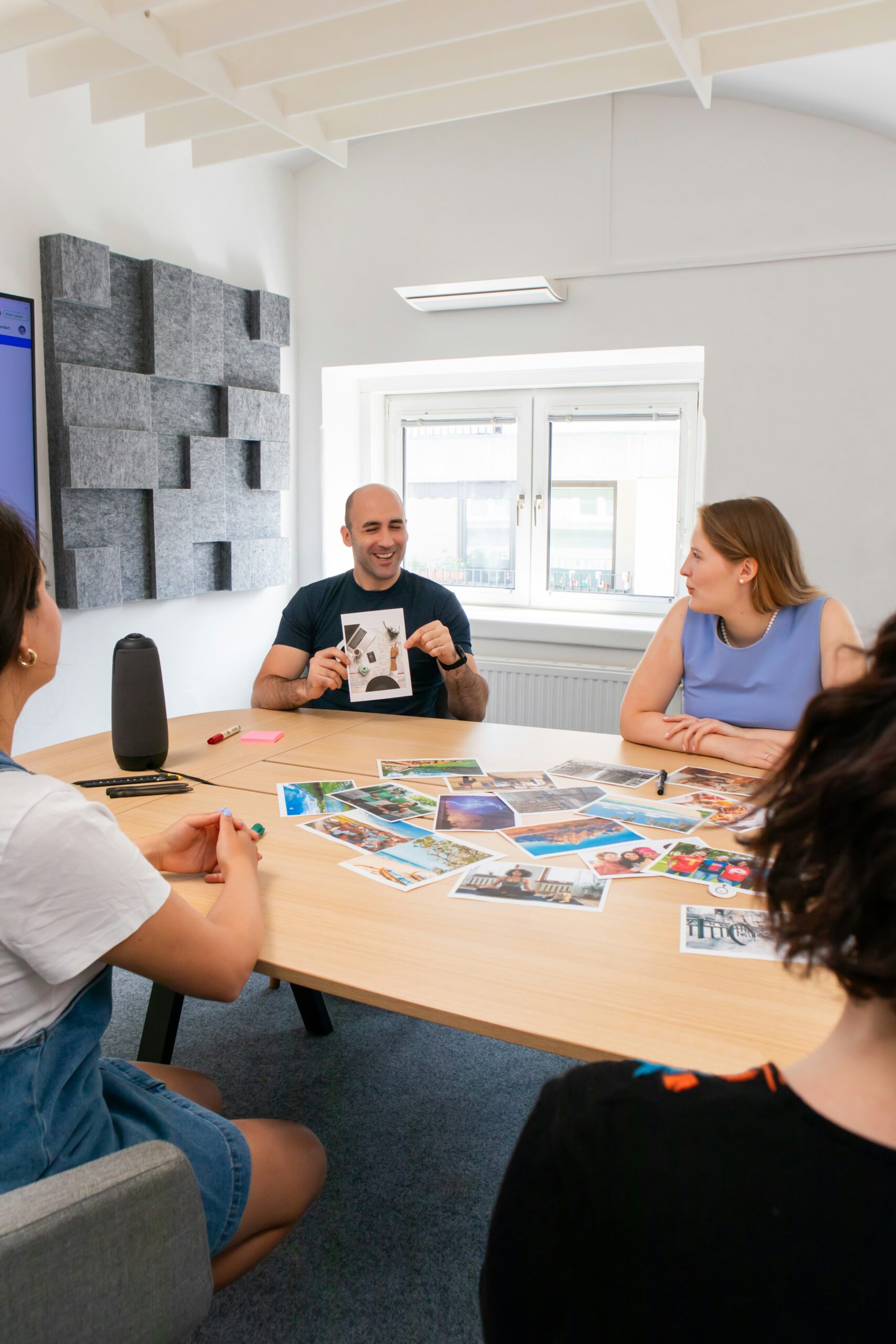
In the competitive environment of San Francisco’s specialized puzzle rooms, coordination is the primary performance indicator. Unlike casual social outings, high-performance team sessions require an understanding of cognitive load management and spatial awareness. The goal is to maximize the throughput of puzzles while minimizing redundant labor—a common failure point for unorganized groups.
Successful teams in the Bay Area market adopt a hierarchical yet flexible approach. When entering a room, the first sixty seconds should be dedicated to a reconnaissance sweep, where individuals identify distinct areas of focus. This reduces the "crowding" effect, where multiple participants work on a single sequence despite only needing one user's input. By partitioning the physical space into zones of responsibility, teams maintain constant momentum, ensuring that the room’s narrative progression is not throttled by bottlenecks.
Structural Frameworks for Operational Efficiency
To achieve optimal outcomes, teams should utilize proven coordination methodologies that prevent communication breakdown. Relying on organic interaction is often insufficient when faced with time-sensitive, complex logical sequences.
Essential Communication Protocols
- The Closed-Loop Method: When a piece of information is shared (e.g., a cipher key or a directional code), the receiver must repeat the core detail back to the sender. This verifies the data and prevents memory errors during high-stress moments.
- Active Inventory Tracking: Assign one member to maintain a mental or physical tally of discovered tools and keys. This prevents the common trap of missing a component that was found ten minutes prior but sidelined.
- Constraint Reporting: If a team member encounters a roadblock, they must explicitly state, "I am blocked on the padlock sequence," rather than simply venting frustration. This allows other team members to reassess resource allocation.
Role Allocation Matrix
Effective coordination is rarely flat. Utilizing specific roles can streamline the search for hidden clues and the decoding of complex narrative arcs.
| Role | Primary Responsibility | Key Skillset |
|---|---|---|
| Zone Coordinator | Manages physical search and item placement | Spatial awareness and attention to detail |
| Communication Liaison | Synchs information across the entire group | Auditory processing and synthesis |
| Logic Anchor | Focuses on multi-stage ciphers and math | Pattern recognition and patience |
| Timekeeper | Monitors remaining duration and pace | Stress management and prioritization |
Navigating the San Francisco Escape Room Ecosystem
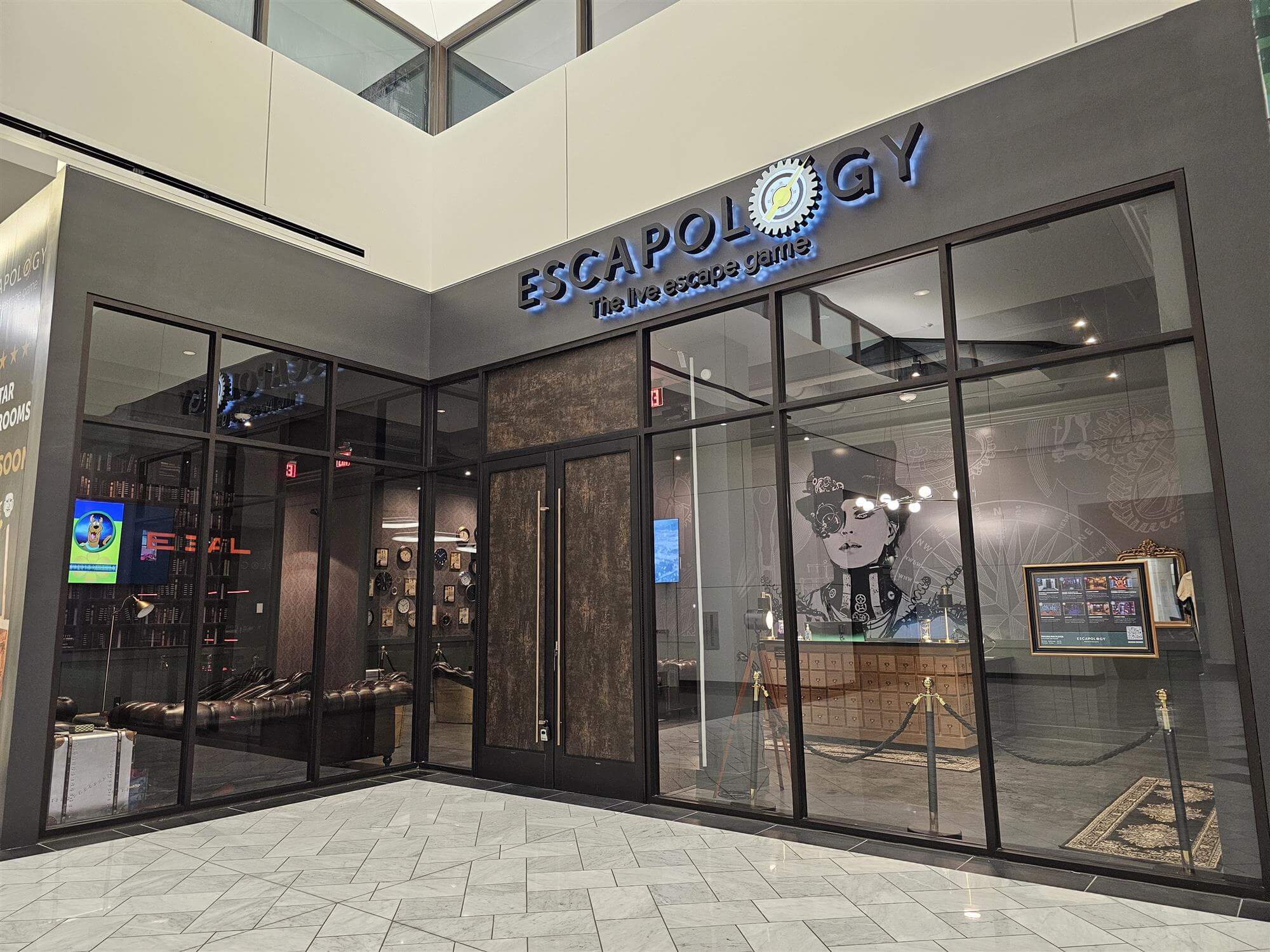
San Francisco’s escape room landscape in 2026 reflects a sophisticated demand for high-production value and narrative immersion. Facilities concentrated in districts like SoMa, the Financial District, and Fisherman's Wharf prioritize "team-build" packages designed for corporate cohorts. Coordination here is not just about solving puzzles; it is about demonstrating competency under pressure.
When selecting a venue for organizational team-building, prioritize rooms that explicitly state "cooperative" versus "linear" progression. Linear rooms require the team to finish one task before moving to the next; cooperative rooms allow multiple puzzle threads to run concurrently, which is where coordination becomes critical. If your team is large (6+ members), avoid smaller, single-track rooms where participants will experience inactivity. Instead, look for venues that provide multi-room layouts, as these naturally force decentralized decision-making.
Addressing Common Coordination Failures
Even seasoned teams fall into predictable patterns that lead to failure. Recognizing these behavioral traps is the first step toward mitigation.
- Dominance Bias: One team member assumes all control, causing others to disengage or wait for instructions. This lowers the collective IQ of the group and wastes time.
- Information Siloing: A member finds a clue but fails to broadcast its utility. If a team has five members, all five should have a general understanding of the current puzzle being solved.
- Premature Guessing: Attempting to brute-force a four-digit lock without finding the actual code. This consumes valuable time and increases frustration levels, which typically leads to lower performance in the latter half of the session.
Strategies for Rapid Recovery Under Pressure
When a team falls behind the 2026 standard clock, the instinct is to speed up, which often leads to errors. The recovery process must be deliberate. If the team reaches the final twenty minutes of a sixty-minute session and is less than halfway through the room, the Logic Anchor must force a "reset."
During a reset, all members gather in the center of the room. The Communication Liaison provides a status report of known items and locked puzzles. This realignment consumes approximately sixty seconds but frequently saves five to ten minutes of aimless searching. Always prioritize the "path of least resistance"—if a puzzle is consuming more than five minutes of sustained effort without a tangible lead, the team must be willing to abandon it momentarily to focus on other accessible clues.
Frequently Asked Questions regarding Team Coordination
How does room size impact team communication strategy? Larger rooms require the team to break into sub-units. Assign a lead for each sub-unit to maintain communication between groups, ensuring that findings in one area are relayed to those working in another.
Should we use clues if we are stuck? Yes, but use them strategically. The best practice is to set a "frustration timer" of eight minutes per puzzle. If no progress is made within that window, request a hint to maintain the team's momentum and avoid morale collapse.
Does prior experience help in new San Francisco rooms? While experience with logic puzzles helps, every room has a unique "logic language." Teams that are adaptable and willing to test different types of interactions usually outperform teams that rely solely on previous experiences with specific lock types.
How do we handle team members who are not engaged? Give them a clear, binary task, such as "test all magnetic surfaces for hidden keys." Providing a simple, active role often pulls disengaged members back into the collective problem-solving flow.
What is the best way to handle competitive versus collaborative team dynamics? Focus on the common goal of escaping within the time limit. If the team is overly competitive, incentivize group performance rather than individual performance by rewarding the team for "most efficient clue usage" rather than "fastest time."
Final Recommendations for Your Next Session
To ensure your team maximizes the experience in San Francisco’s top-rated venues, perform a quick "debrief" immediately after exiting the room. Discuss what communication protocols worked, which roles felt effective, and where bottlenecks occurred. This post-game analysis is the most effective way to turn a single recreational event into a genuine developmental milestone for your professional or social group. Whether you are navigating a high-tech facility in SoMa or a story-driven experience near the waterfront, the success of your escape room session is determined by your ability to function as a singular, synchronized unit.
Image Gallery