The Meaning of Gilmour in Popular Culture
David Gilmour functions in popular culture as the quintessential architect of atmospheric, emotive rock guitar, representing artistic integrity, sonic texture, and enduring progressive sensibilities. As the legendary lead guitarist and...
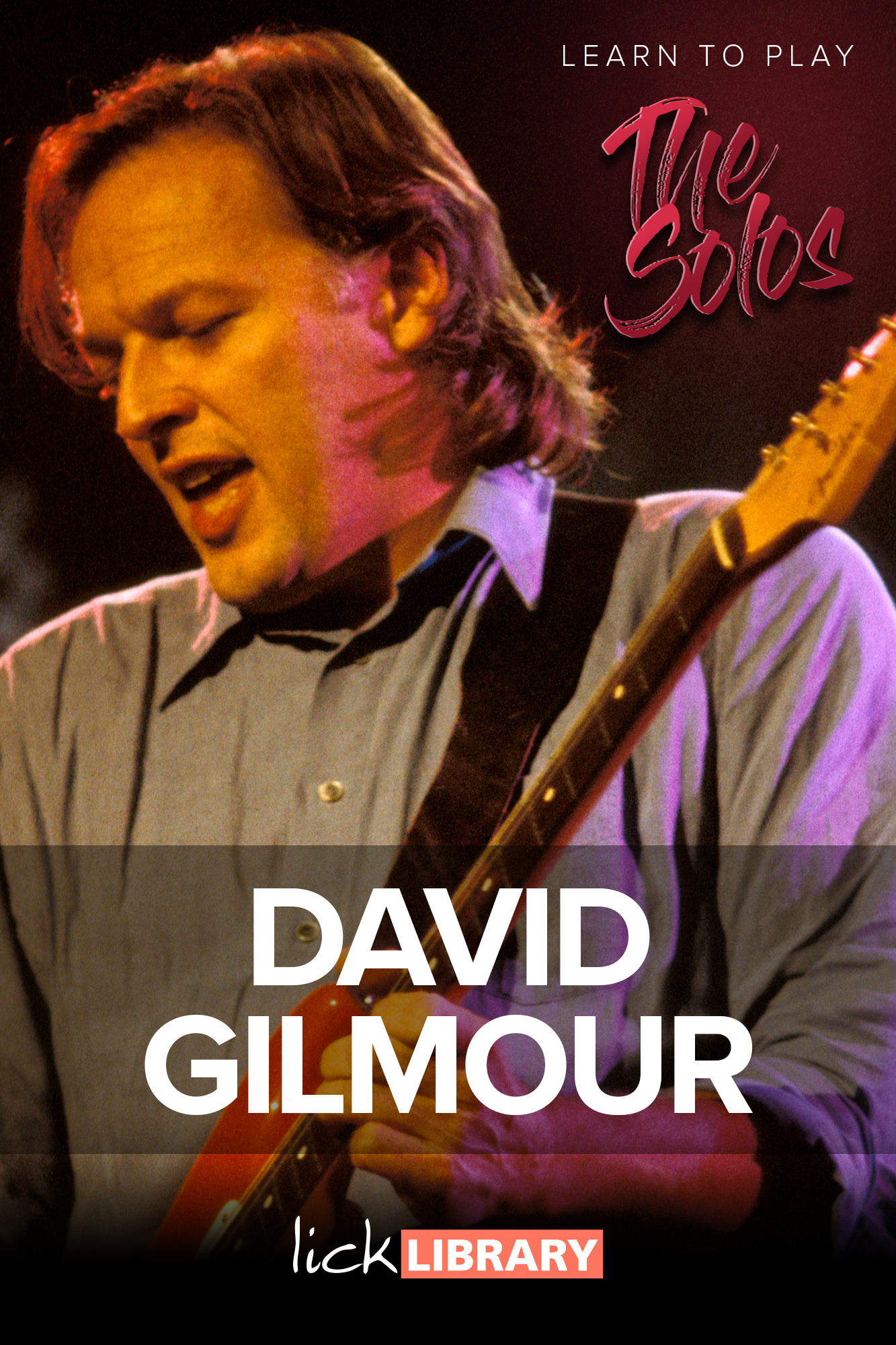
David Gilmour functions in popular culture as the quintessential architect of atmospheric, emotive rock guitar, representing artistic integrity, sonic texture, and enduring progressive sensibilities. As the legendary lead guitarist and co-lead vocalist of Pink Floyd, Gilmour’s cultural footprint extends far beyond conventional stardom, embodying a distinct aesthetic of restraint, technical mastery, and melancholic grandeur.
Contents
To understand the meaning of "Gilmour" in contemporary media, literature, and music, one must examine how his distinct artistic fingerprint transcends standard rock-star tropes. Rather than cultivating a persona built on erratic behavior or tabloid notoriety, Gilmour came to symbolize deliberate craftsmanship, emotional articulation through the electric guitar, and a lifelong commitment to pushing the sonic boundaries of recorded sound. This cultural identity operates across multiple dimensions, encompassing musical influence, philosophical associations with progressive counterculture, and a blueprint for a dignified, longevity-driven artistic career.
The Genesis of the Gilmour Aesthetic: From Pink Floyd to Solo Stardom
The foundational layer of Gilmour's cultural meaning originates with his entry into Pink Floyd in 1968, replacing founding member Syd Barrett. While Barrett represented the psychedelic, fragile avant-garde of the band's earliest era, Gilmour brought a blues-infused fluidity, harmonic vocal blend, and structural discipline that transformed the group into stadium-filling sonic architects.
In popular culture, the classic-era Pink Floyd sound—defined by monumental albums like The Dark Side of the Moon (1973), Wish You Were Here (1975), and The Wall (1979)—is inextricably linked to Gilmour's signature guitar tone. His solos on tracks like "Comfortably Numb," "Time," and "Shine On You Crazy Diamond" are frequently cited in cultural discourse as high-water marks of modern composition. Unlike shredders who prioritize velocity, Gilmour’s cultural signature is built on space, bending technique, and sustain. This style established a cultural archetype: the thoughtful instrumentalist who lets silence speak as powerfully as notes.
Furthermore, Gilmour's stewardship of Pink Floyd through legal battles and lineup shifts in the late 1980s and 1990s cemented his status as a pragmatic yet visionary custodian of a massive cultural legacy. When the band released The Endless River in 2014, it reinforced a cultural narrative of musical preservation and bittersweet closure.
Sonic Architecture and the Psychology of Tone in Media
In film, television, and digital media, invoking a "Gilmour-esque" soundscape is a deliberate artistic choice. Directors and supervisors use his atmospheric styling to evoke isolation, existential introspection, and cinematic vastness.
The Elements of the Gilmour Signature Sound
- Sustained Bends and Phrasing: Prioritizing emotional release over complex scale-running, creating a vocal-like quality in instrumental passages.
- Textural Layering: Extensive utilization of delays, modulation effects, and slide guitar to create expansive, oceanic soundscapes.
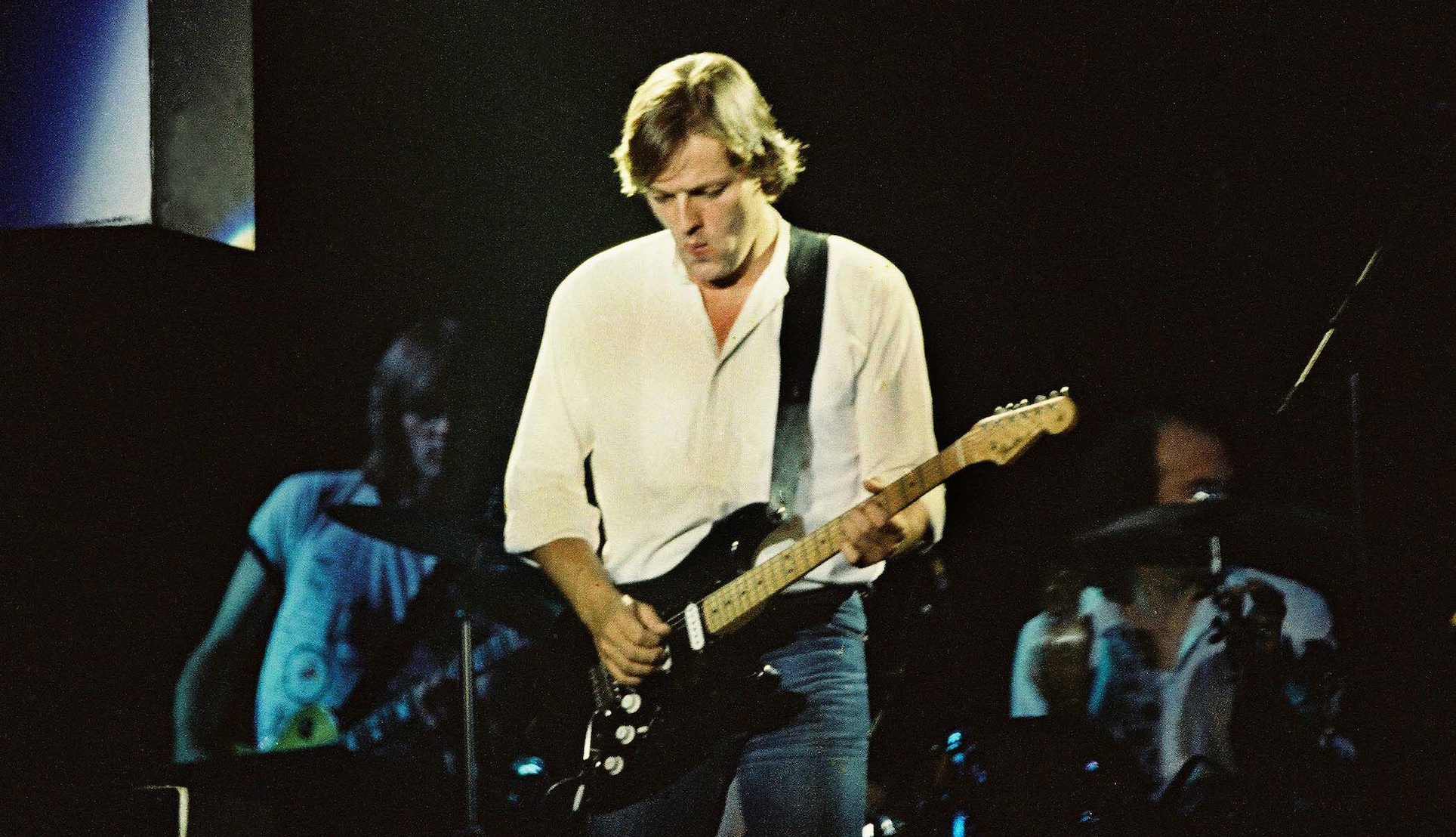
- The Stratocaster Identity: The visual and sonic pairing of a Fender Stratocaster—particularly the famous "Black Strat"—with high-end amplification, forming an iconic visual motif in rock iconography.
- Harmonic Dualism: Combining blues roots with modal scales, bridging traditional rock-and-roll structures with progressive art-rock ambitions.
This unique combination of sonic elements has made Gilmour a cultural shorthand for introspection. Whenever media needs to convey deep space, cosmic wonder, or deep-seated melancholy—from documentaries on astronomy to dramatic cinematic sequences—his tonal blueprint is frequently emulated.
Comparison: David Gilmour and Guitar Archetypes in Rock History
To fully appreciate Gilmour's distinct niche in popular culture, it is helpful to compare his cultural footprint with other defining guitar archetypes of the classic rock era. Each archetype represents a different set of cultural values, technical priorities, and audience relationships.
| Archetype / Artist | Primary Cultural Association | Technical & Compositional Focus | Audience Perception |
|---|---|---|---|
| David Gilmour (Pink Floyd) | Atmospheric introspection, artistic dignity, sonic texture | Melodic phrasing, bend sustain, spatial awareness | The thoughtful purist; intellectual yet accessible |
| Jimi Hendrix (The Jimi Hendrix Experience) | Revolutionary disruption, countercultural ignition, sonic alchemy | Improvised virtuosity, feedback manipulation, boundary-pushing experimentation | The transcendent visionary; mythic and untamed |
| Jimmy Page (Led Zeppelin) | Riff-driven heavy blues, mystical showmanship, studio production | Heavy riff construction, acoustic-electric dynamic, occult aesthetics | The master architect of heavy rock grandeur |
| Eric Clapton (The Yardbirds, Cream) | Blues traditionalism, virtuosic speed, the "Guitar Hero" mantle | Fast pentatonic runs, aggressive blues phrasing | The traditional virtuoso; historical blues authority |
This comparative matrix highlights why Gilmour occupies a singular space. While Hendrix and Page leaned heavily into myth-making and sonic rebellion, Gilmour’s cultural footprint remained anchored in emotional resonance, precision, and a deliberate refusal to overplay.
The Evolution of the "Elder Statesman" of Rock
In the 21st century, Gilmour represents a specific cultural ideal: the aging rock musician who maintains relevance through unwavering quality rather than commercial reinvention or media saturation. His sparse release schedule, marked by acclaimed solo albums like On an Island (2006) and Luck and Strange (2024), underscores a cultural narrative of artistic independence.
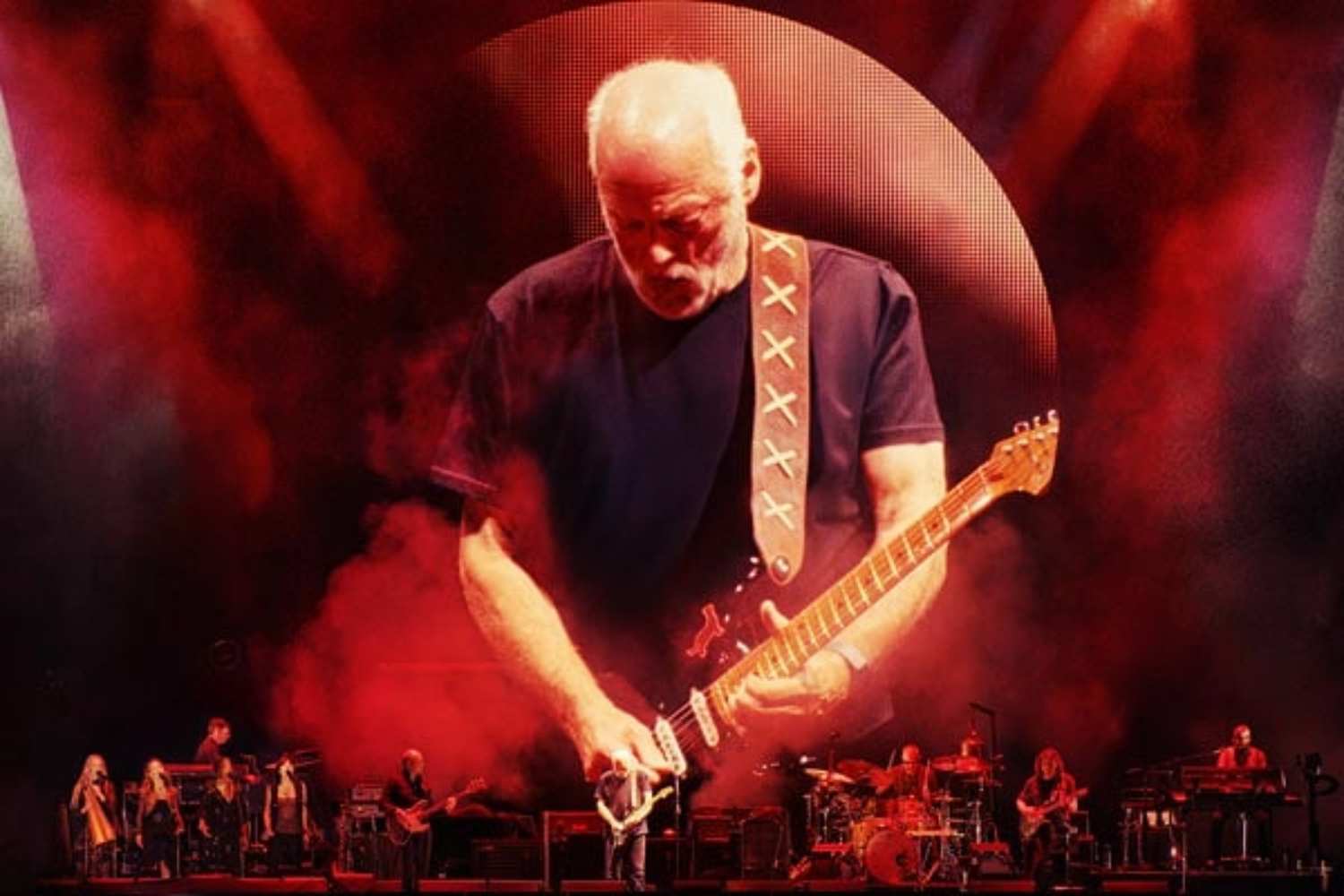
Pop culture often grapples with the decline of legacy acts, frequently casting aging rock stars in cycles of nostalgia tours and diminishing returns. Gilmour, conversely, has navigated his later decades by curating high-production live shows focused on acoustic clarity and visual artistry rather than frantic touring schedules. This approach has earned him respect across generations, bridging baby boomer audiences with younger listeners who discover vinyl records and vintage gear through streaming algorithms.
Furthermore, Gilmour’s public stances on environmental issues, charitable contributions (such as auctioning his famous guitar collection for millions of dollars to benefit Earthjustice), and support for human rights causes have framed him as a socially conscious public figure. He avoids the cynical pitfalls of modern celebrity culture, maintaining an aura of quiet dignity that enhances his artistic legacy.
Frequently Asked Questions
What makes David Gilmour’s guitar style instantly recognizable?
Gilmour’s style is defined by his use of sustained note bends, precise phrasing, and emotional economy. Rather than playing fast or complex solos, he focuses on making each note carry maximum emotional weight, utilizing delay and reverb effects to create an expansive, atmospheric environment.
How did David Gilmour change the trajectory of Pink Floyd?
When Gilmour joined Pink Floyd in 1968, he added a blues-based melodic sensibility and vocal harmonies that complemented Roger Waters' conceptual lyricism. Following Waters' departure in the 1980s, Gilmour steered the band toward massive stadium spectacles and more collaborative musical compositions, preserving the band's identity.
What is the significance of the "Black Strat"?
The "Black Strat" is Gilmour’s heavily modified 1969 Fender Stratocaster, which served as his primary studio and live instrument across decades of Pink Floyd and solo work. It holds legendary status in guitar culture, symbolizing his specific tonal evolution and customization philosophy.
Why is Gilmour often associated with progressive rock culture?
While Pink Floyd evolved out of the 1960s London psychedelic scene, their lengthy compositions, concept albums, and integration of classical, electronic, and blues elements defined the progressive rock movement. Gilmour's guitar work provided the emotional bridge that kept these complex, intellectual compositions accessible to mainstream audiences.
How does Gilmour's solo work differ from his catalog with Pink Floyd?
Gilmour's solo albums—such as About Face, On an Island, and Luck and Strange—tend to be more pastoral, blues-oriented, and personal. They feature collaborations with a tight circle of elite musicians and frequently explore themes of aging, mortality, and domestic tranquility.
Practical Next Steps for Exploring the Gilmour Legacy
For those looking to dive deeper into the cultural and musical significance of David Gilmour, a structured approach yields the best appreciation:
- Auditory Journey: Listen chronologically to Pink Floyd's The Dark Side of the Moon, Wish You Were Here, and Gilmour's solo record On an Island to trace the evolution of his tone from psychedelic exploration to refined atmospheric mastery.
- Visual Study: Watch the concert film Live at Pompeii (1972/2017) to observe his live performance style, focus, and guitar interaction in a stark historical setting.
- Gear and Technical Analysis: Research standard equipment setups—specifically Stratocaster wiring, analog delay pedals, and Hiwatt amplification—to understand how electronic signal chains create his signature sound.
Image Gallery