Understanding the Old World and New World Wine Divide: Styles, Regions, and Science
Understanding the Old World and New World wine divide requires exploring fundamental differences in geography, regulatory tradition, and winemaking philosophy. Old World wines prioritize regional terroir, lower alcohol, higher acidity,...
Understanding the Old World and New World wine divide requires exploring fundamental differences in geography, regulatory tradition, and winemaking philosophy. Old World wines prioritize regional terroir, lower alcohol, higher acidity, and savory flavor profiles. New World wines emphasize grape varietals, fruit-forward expressions, scientific technology, and warmer-climate richness.
Contents
Defining the Geographic Boundaries of the Wine Divide
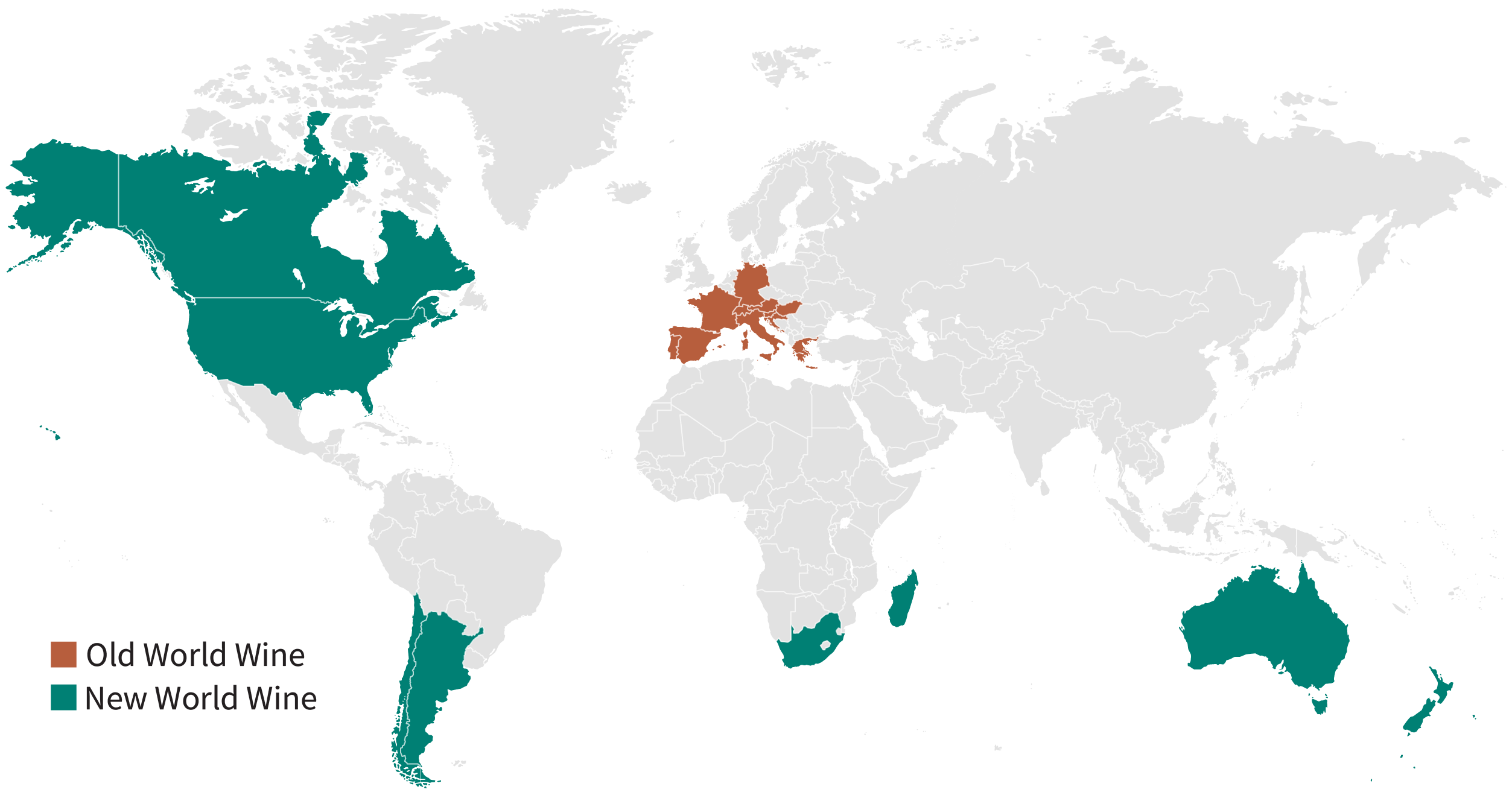
The distinction between Old World and New World wine is primarily historical and geographic, rooted in where viticulture originated versus where European settlers later introduced vine cultivation.
- Old World (Europe & Mediterranean)
- France, Italy, Spain
- Germany, Portugal, Austria
- Georgia, Greece, Lebanon
- New World (Americas, Oceania, Africa)
- United States, Australia
- New Zealand, Argentina
- Chile, South Africa
Old World Wine Regions
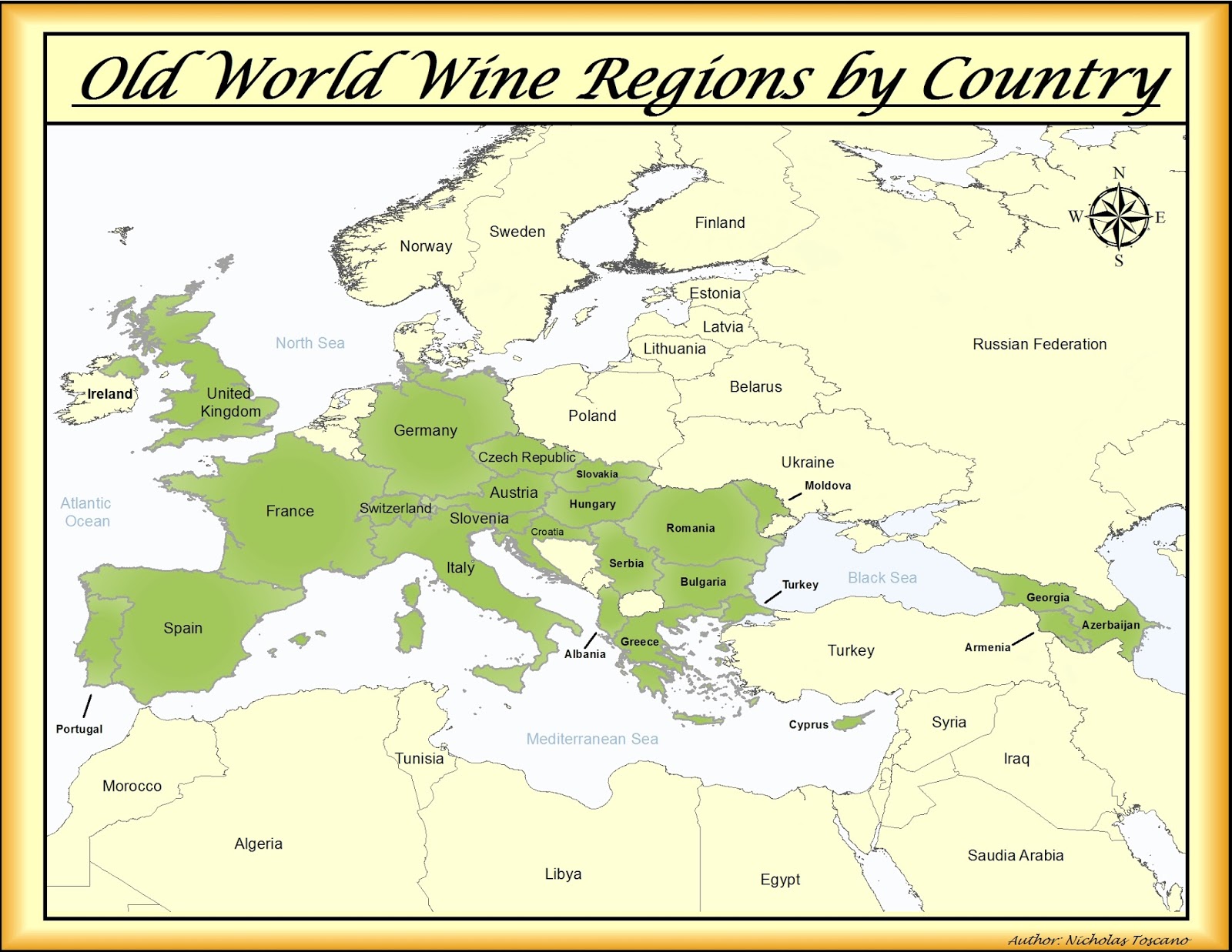
The Old World encompasses the traditional wine-growing countries of Europe, the Mediterranean basin, and parts of Western Asia where viticulture has been practiced for centuries—and in some cases, millennia.
- Primary Nations: France, Italy, Spain, Portugal, Germany, Austria, and Greece.
- Historical Cradle: Georgia, Armenia, Lebanon, and Israel, where archaeologists have uncovered evidence of winemaking dating back over 6,000 years.
In these regions, viticultural traditions evolved alongside local cuisine, cultural customs, and regional geology over hundreds of generations. Wine production became deeply entwined with specific landscapes, leading to the development of native grape varieties adapted to hyper-local microclimates.
New World Wine Regions
The New World refers to countries outside the historical European viticultural sphere where grape growing was established during and after the Age of Discovery through European exploration and colonization.
- Primary Nations: The United States, Australia, New Zealand, Argentina, Chile, and South Africa.
- Emerging Regions: China, Japan, Uruguay, and Canada.
Although South Africa (with viticultural roots dating to 1659) and South America (where Spanish colonists planted vines in the 16th century) have centuries of history, they are categorized as New World because their commercial wine industries were modernized through contemporary cellar technology, non-indigenous Vitis vinifera cuttings, and market-driven export strategies during the 20th century.
Viticultural Philosophy: Terroir vs. Technological Innovation
The divide extends far beyond geography; it reflects two opposing approaches to growing grapes and crafting wine.
- Philosophical Approaches
- Old World: Terroir-Driven
- Vineyard Site
- Microclimate/Soil
- Strict Rules
- The Wine
- New World: Varietal & Winemaker-Driven
- Grape Variety
- Tech & Management
- Winemaker Style
- The Wine
- Old World: Terroir-Driven
Terroir and Regulatory Codification in the Old World
Old World winemaking centers on the concept of terroir—the belief that a specific vineyard site’s soil composition, slope, aspect, rainfall, temperature variation, and local microflora impart an unmistakable identity to the wine that cannot be replicated elsewhere.
To preserve regional character, European nations established strict legal frameworks governing viticulture and enology. Systems such as France's Appellation d'Origine Protégée (AOP, formerly AOC), Italy's Denominazione di Origine Controllata e Garantita (DOCG), and Spain's Denominación de Origen Calificada (DOCa) dictate:
- Permitted Grape Varieties: Growers may only plant designated varieties within specific boundaries (e.g., only Pinot Noir and Chardonnay in Burgundy's top red and white appellations).
- Maximum Crop Yields: Tight caps are enforced on tonnes harvested per hectare to maintain concentrated flavor.
- Viticultural Practices: Regulations strictly govern pruning methods, minimum vine age, sugar levels at harvest, and artificial irrigation—which is often banned or strictly limited to preserve dry-farming principles.
- Enological Standards: Rules restrict artificial manipulation, maximum alcohol strength, and mandatory minimum oak aging before release.
Under this philosophy, the winemaker's role is that of a custodian whose objective is to minimize human intervention and allow the natural environment to express itself in the glass.
Innovation and Market Responsiveness in the New World
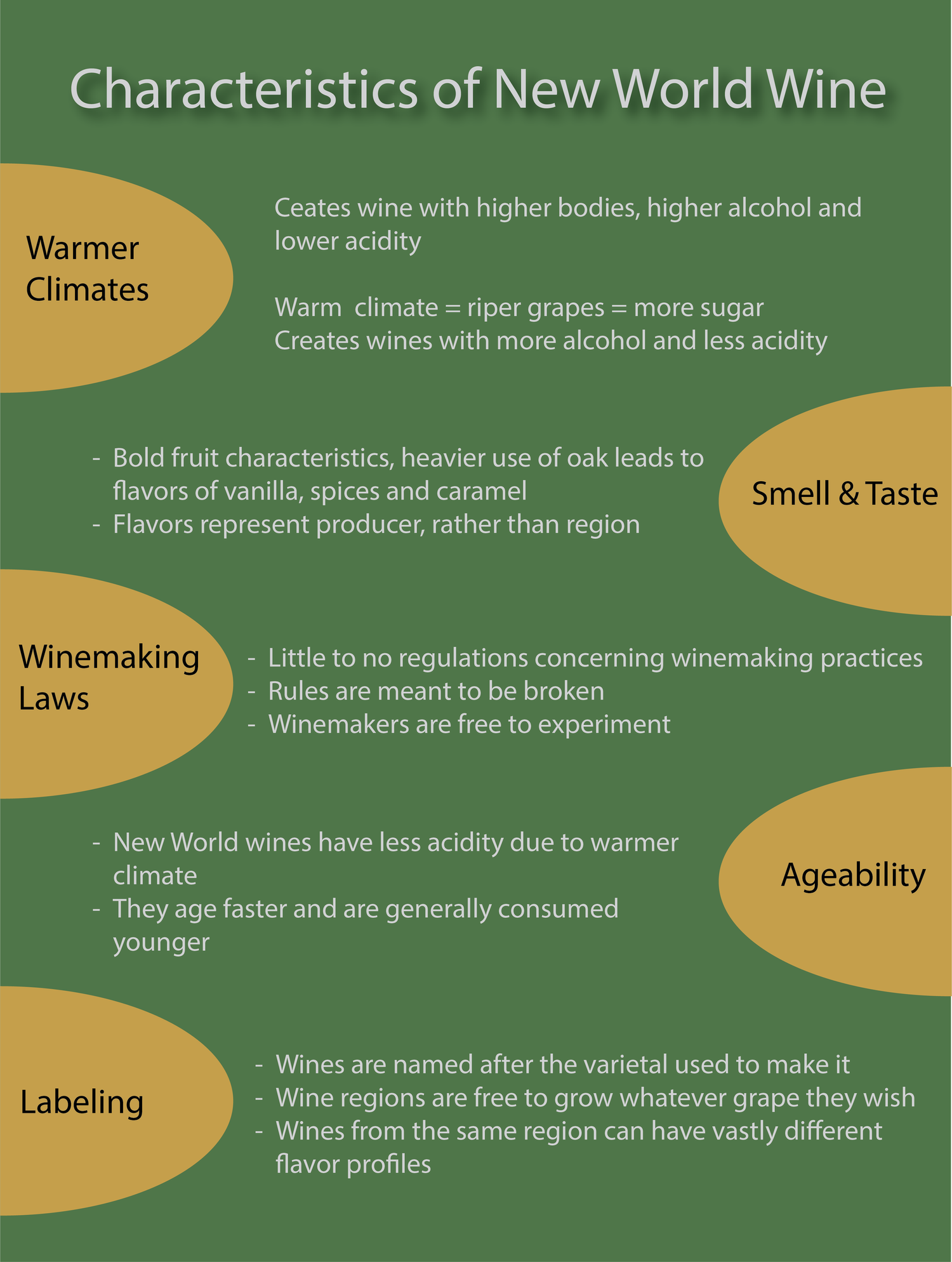
New World winemaking operates with a freer, consumer-focused, and technology-driven ethos. Free from centuries of strict legislative oversight, New World vintners treat the grape varietal as the primary star of the bottle and the winemaker as a creative craftsman.
Key characteristics of the New World approach include:
- Freedom of Plantation: Producers can plant any grape variety in any location they see fit, experimenting with non-traditional blends (e.g., Australian Cabernet-Shiraz blends).
- Precision Viticulture: Extensive use of drip irrigation, canopy management, mechanical harvesting, and soil analysis optimizes grape maturity regardless of vintage weather fluctuations.
- Cellar Intervention: Winemakers freely employ technological tools to achieve a targeted flavor profile. This includes temperature-controlled stainless steel fermentation, commercial cultured yeasts, reverse osmosis to adjust alcohol levels, and added tartaric acid to rebalance warm-climate fruit.
- Consumer-Centric Branding: Labels prominently highlight the grape variety (e.g., Cabernet Sauvignon, Sauvignon Blanc) rather than a historical region, making it easier for buyers to anticipate the wine's flavor.
The International Organisation of Vine and Wine (OIV) provides extensive global data on how these contrasting regulatory and production standards shape international trade patterns.
Sensory and Structural Breakdown: Tasting the Divide
Climatic conditions and cellar techniques create distinct structural profiles between Old World and New World wines.
| Old World Profile | New World Profile |
|---|---|
| High Acidity | Low to Medium Acidity |
| Moderate Alcohol | High Alcohol |
| Subtle/Tart Fruit | Ripe/Jammy Fruit |
| Earth, Herb, Mineral | Vanilla, Toast, Spice |
| Firm Tannins | Soft/Supple Tannins |
Climate Influence on Structure: Alcohol and Acidity
The climate of a region dictates how grapes mature. Cooler, cloudier European climates result in slower sugar accumulation and natural retention of tartaric and malic acids. Warm, sunny New World climates accelerate photosynthesis, producing grapes rich in sugar and lower in natural acid.
- Alcohol Content: Sugar converts to ethanol during fermentation. Old World wines generally range from 11.5% to 13.5% alcohol by volume (ABV). New World wines regularly reach 14.0% to 15.5% ABV due to higher grape ripeness at harvest.
- Acidity and Body: High natural acidity gives Old World wines a lighter body, tart fruit expression, and a crisp, mouth-watering finish. Lower relative acidity in New World wines creates a mouth-coating, full-bodied, and plush sensation on the palate.
Flavor Spectrum: Earth and Savory vs. Fruit and Oak
The aromatics and flavor compounds of the two styles reflect their different viticultural priorities:
Old World Aromatics
Focus on subtlety, minerality, and savory elements. Red wines often display notes of damp forest floor, dried leaves, leather, graphite, cured meats, and fresh herbs alongside tart red cherries or plums. White wines present chalky minerality, flint, crushed seashell, and sour citrus. Oak usage favors large, neutral oak casks or older French oak barrels that impart minimal oak flavor, preserving the grape's raw characteristics.
New World Aromatics
Focus on fruit intensity and sweet wood aromatics. Red wines deliver concentrated aromas of ripe blackberry, cassis, dark plum jam, vanilla, chocolate, and sweet tobacco. White wines exhibit tropical fruit notes such as mango, passionfruit, pineapple, and ripe peach. Oak usage frequently involves new French or American oak barrels, which introduce strong notes of vanilla, coconut, dill, baking spice, and sweet toast.
Comparative Overview: Old World vs. New World Wine
The following table summarizes the structural, viticultural, and analytical differences between Old and New World wines:
| Feature / Dimension | Old World Wine | New World Wine |
|---|---|---|
| Primary Regions | France, Italy, Spain, Portugal, Germany, Austria, Greece | USA, Australia, New Zealand, Argentina, Chile, South Africa |
| Primary Labeling Focus | Geographic Region / Appellation (e.g., Bordeaux, Rioja) | Grape Varietal (e.g., Cabernet Sauvignon, Malbec) |
| Growing Climate (Dominant) | Cool to Moderate / Temperate | Warm to Hot (with microclimate exceptions) |
| Alcohol Content (ABV) | Typically lower (11.5% – 13.5%) | Typically higher (13.5% – 15.5%+) |
| Acidity Level | Medium-high to high | Medium to low (often artificially adjusted) |
| Dominant Flavor Characteristics | Earthy, savory, herbaceous, mineral, tart fruit | Fruit-forward, ripe, jammy, sweet oak, tropical fruit |
| Tannin Profile | Firm, structured, high astringency when young | Soft, supple, polished, accessible early |
| Oak Influence | Subtle; neutral wood or older French oak | Pronounced; new French or American oak (vanilla, toast) |
| Viticultural Rules | Highly regulated (permitted grapes, yields, irrigation) | Flexible; high emphasis on technological adaptation |
| Food Pairing Suitability | High (savory structure balances fatty/acidic foods) | High for bold dishes; enjoyable as a standalone glass |
Reading Wine Labels: Geographic Origin vs. Grape Varietal
One of the biggest hurdles for wine consumers is decoding how bottles are labeled across the divide.
- Old World Label (Place-First)
- DOMAINE DU CHÂTEAU
- BORDEAUX
- Appellation Controlée 2022
- (Requires knowing region's grapes)
- New World Label (Grape-First)
- SILVER OAK
- NAPA VALLEY
- CABERNET SAUVIGNON 2022
- (Grape is stated directly)
Decoding Old World Appellation Labels
European labeling assumes the consumer understands regional wine laws. The primary identifier on the front label is the location, not the grape.
For example, a bottle labeled Chablis will not state "Chardonnay" anywhere on the front label, because French law dictates that all white Chablis must be 100% Chardonnay. Similarly:
- Chianti Classico indicates a Sangiovese-based red wine from Tuscany, Italy.
- Sancerre indicates a crisp Sauvignon Blanc from France's Loire Valley.
- Rioja Gran Reserva indicates a Tempranillo-dominated blend from northern Spain aged extensive years in barrel and bottle.
To evaluate Old World bottles, buyers must learn the primary grapes associated with major European appellations.
Reading New World Varietal Labels
New World labeling simplifies the selection process by placing the grape variety front and center.
Under regulations enforced by agencies such as the U.S. Alcohol and Tobacco Tax and Trade Bureau (TTB), a bottle labeled "Cabernet Sauvignon" must contain a minimum percentage of that specific grape variety (75% under federal U.S. law, and 85% in Australia and Chile). The geographic region listed on the label—known as an American Viticultural Area (AVA) in the U.S. or a Geographic Indication (GI) in Australia—provides secondary context regarding climate and origin, but the grape variety remains the central selling point.
Modern Convergence: Climate Change and Blurring Lines
While the traditional divide remains a useful educational framework, the boundary between Old World and New World styles has blurred significantly.
- Historical Separation
- Old World: Cold, Earthy, Rules
- New World: Warm, Ripe, Freedom
- Modern Convergence
- Global Climate Shift & Tech Sharing
- Old World gets riper & cleaner
- New World focuses on single terroir
Climate Impact on European Viticulture
Rising global temperatures have dramatically affected historic European vineyards. Regions that historically struggled to achieve full grape maturity—such as Champagne, Bordeaux, and Germany's Mosel Valley—now regularly experience warmer growing seasons.
As a result, European producers are harvesting riper fruit with natural alcohol levels creeping toward 14.5% ABV, producing wines that display the richness historically associated with New World regions.
New World Shift Toward Terroir and Restraint
Simultaneously, a new generation of New World winemakers is embracing restraint, lower alcohol, and site-specific expression.
- Cool-Climate Exploration: Winemakers in areas such as California's Sonoma Coast, Oregon's Willamette Valley, Australia's Yarra Valley, and Chile's Leyda Valley intentionally plant in cold, ocean-influenced sites to maintain natural acidity and delicate aromatics.
- Minimalist Cellar Practices: Many New World producers are reducing new oak usage, adopting spontaneous native-yeast fermentations, utilizing concrete eggs or terracotta amphorae, and focusing on single-vineyard bottlings that celebrate terroir over cellar technique.
Research published by the UC Davis Department of Viticulture and Enology highlights how advancing climate models and precise canopy management techniques are driving this global stylistic convergence.
Frequently Asked Questions
Are Old World wines naturally better than New World wines?
No. Quality depends on vineyard management, producer skill, and vintage conditions, not geographic origin. Old World wines tend to offer more subtle, savory, and food-friendly structures, while New World wines offer vibrant fruit, accessibility, and consistency. Neither style is superior; choice comes down to personal taste.
Why don't French and Italian wines list the grape variety on the label?
European wine systems were built around regional identity (terroir) rather than varietal identity. Historically, European consumers bought wine based on the reputation of the village or estate (e.g., Margaux or Barolo), assuming buyers knew which native grapes were legally permitted and grown in those designated areas.
How does oak aging differ between the Old World and New World?
Old World producers historically favored large, neutral oak casks or aged French oak barrels (barriques), which impart subtle tannins and allow micro-oxygenation without masking natural fruit and mineral flavors. New World producers frequently use new French or American oak barrels, which contribute bolder flavors of vanilla, coconut, dill, and sweet toast. However, many modern New World vintners are shifting toward neutral wood and concrete vessels.
Can a New World wine taste like an Old World wine?
Yes. When a New World winemaker uses grapes from a cool-climate site (such as Oregon's Willamette Valley or New Zealand's Central Otago) and employs traditional techniques—such as early harvesting for high acidity, neutral oak aging, and wild yeast fermentation—the resulting wine can closely mimic an Old World profile.
Which style is better for pairing with food?
Old World wines are generally easier to pair with meals due to their higher natural acidity, lower alcohol content, and savory flavor profiles, which complement food without overwhelming the palate. High-alcohol, highly extracted New World wines can sometimes overpower subtle dishes, though they pair exceptionally well with rich, highly seasoned foods, grilled meats, and sweet-and-savory sauces.
Practical Buying and Tasting Recommendations
To deepen your understanding of the divide, try conducting side-by-side comparative tastings. Sampling two wines made from the same grape variety—one from an Old World origin and one from a New World origin—clearly highlights the structural differences.
- Comparative Tasting Pairings
- Syrah / Shiraz: Northern Rhône (France) vs. Barossa Valley (Aus)
- Pinot Noir: Cône de Nuits (Burgundy) vs. Willamette Valley (OR)
- Sauvignon Blanc: Sancerre (Loire Valley) vs. Marlborough (NZ)
Recommended Comparative Pairings
- Syrah vs. Shiraz: Compare a French Northern Rhône Syrah (such as Crozes-Hermitage) with an Australian Barossa Valley Shiraz. The Rhône Syrah presents black pepper, cured meat, olive, and firm acidity. The Barossa Shiraz highlights plush blackberry jam, chocolate, high alcohol, and sweet vanilla oak.
- Pinot Noir: Compare a red Burgundy (such as a Village-level Gevrey-Chambertin) with an Oregon Willamette Valley Pinot Noir. Pay attention to the damp earth, mushroom, and tart red currant in the French wine versus the bright red cherry, cola, and floral fruit notes of the Oregon glass.
- Sauvignon Blanc: Compare a French Sancerre with a New Zealand Marlborough Sauvignon Blanc. Sancerre delivers flinty minerality, dry chalkiness, and tart lemon rind. Marlborough offers explosive aromas of passionfruit, fresh-cut grass, and jalapeño.
Final Buying Advice
When shopping:
- Choose Old World wines when planning a meal centered on subtle, classic cuisine (such as roasted poultry, earthy mushroom dishes, or rich cheeses), or when you prefer crisp acidity, lower alcohol, and savory complexity.
- Choose New World wines for bold outdoor gatherings, rich barbecue, spicy dishes, or when you want a rich, fruity, accessible glass of wine to enjoy on its own.
Image Gallery