Navigating the Pollen Count in Washington DC: A Comprehensive 2026 Allergy Guide
Managing seasonal allergies in Washington DC requires an understanding of local botanical timetables, accurate daily monitoring, and targeted mitigation strategies. The DC metro area experiences distinct tree, grass, and weed pollen su...
Managing seasonal allergies in Washington DC requires an understanding of local botanical timetables, accurate daily monitoring, and targeted mitigation strategies. The DC metro area experiences distinct tree, grass, and weed pollen surges driven by its humid subtropical climate and rich urban canopy, making reliable local pollen data essential for residents and visitors alike.
Contents
Seasonal allergies in the nation's capital are driven by a dense urban forest, varied regional topography, and shifting weather patterns that transport allergens from the surrounding Mid-Atlantic watersheds. Understanding how pollen counts are measured, which flora dominate specific seasons, and how to clinically manage symptoms ensures better health outcomes throughout the year.
Understanding Washington DC Pollen Metrics and Measurement Standards
Pollen counts measure the concentration of airborne allergen grains in a standard volume of air over a 24-hour period. In the Washington DC region, aerobiological monitoring relies on specialized volumetric spore traps, such as the Burkard trap, which draws air at a constant rate onto an adhesive-coated slide. Certified technicians analyze these samples under a microscope to identify and quantify grains per cubic meter of air.
The National Allergy Bureau (NAB), a section of the American Academy of Allergy, Asthma & Immunology (AAAAI), certifies official counting stations. While commercial weather apps often use proprietary algorithms combining weather data and regional models, true clinical readings depend on these physical collection sites.
The industry-standard categorization translates raw counts into actionable thresholds:
| Allergen Type | Low Range (grains/m³) | Moderate Range (grains/m³) | High Range (grains/m³) | Very High Range (grains/m³) |
|---|---|---|---|---|
| Tree Pollen | 1 - 14 | 15 - 89 | 90 - 1,499 | 1,500 + |
| Grass Pollen | 1 - 4 | 5 - 19 | 20 - 199 | 200 + |
| Weed Pollen | 1 - 9 | 10 - 49 | 50 - 499 | 500 + |
| Mold Spores | 0 - 6,499 | 6,500 - 12,999 | 13,000 - 49,999 | 50,000 + |
Interpreting these metrics requires looking beyond the single daily number. A high tree pollen day in April will provoke severe rhinitis in sensitized individuals, whereas the same numerical count for weed pollen in July might yield a different physiological response due to differing protein allergenicity.
Seasonal Breakdown of Allergens in the National Capital Region
The District of Columbia and its surrounding jurisdictions experience a protracted pollination cycle spanning nearly ten months. Recognizing the specific botanical culprits allows for proactive pharmaceutical and environmental interventions.
Spring: The Tree Pollen Surge
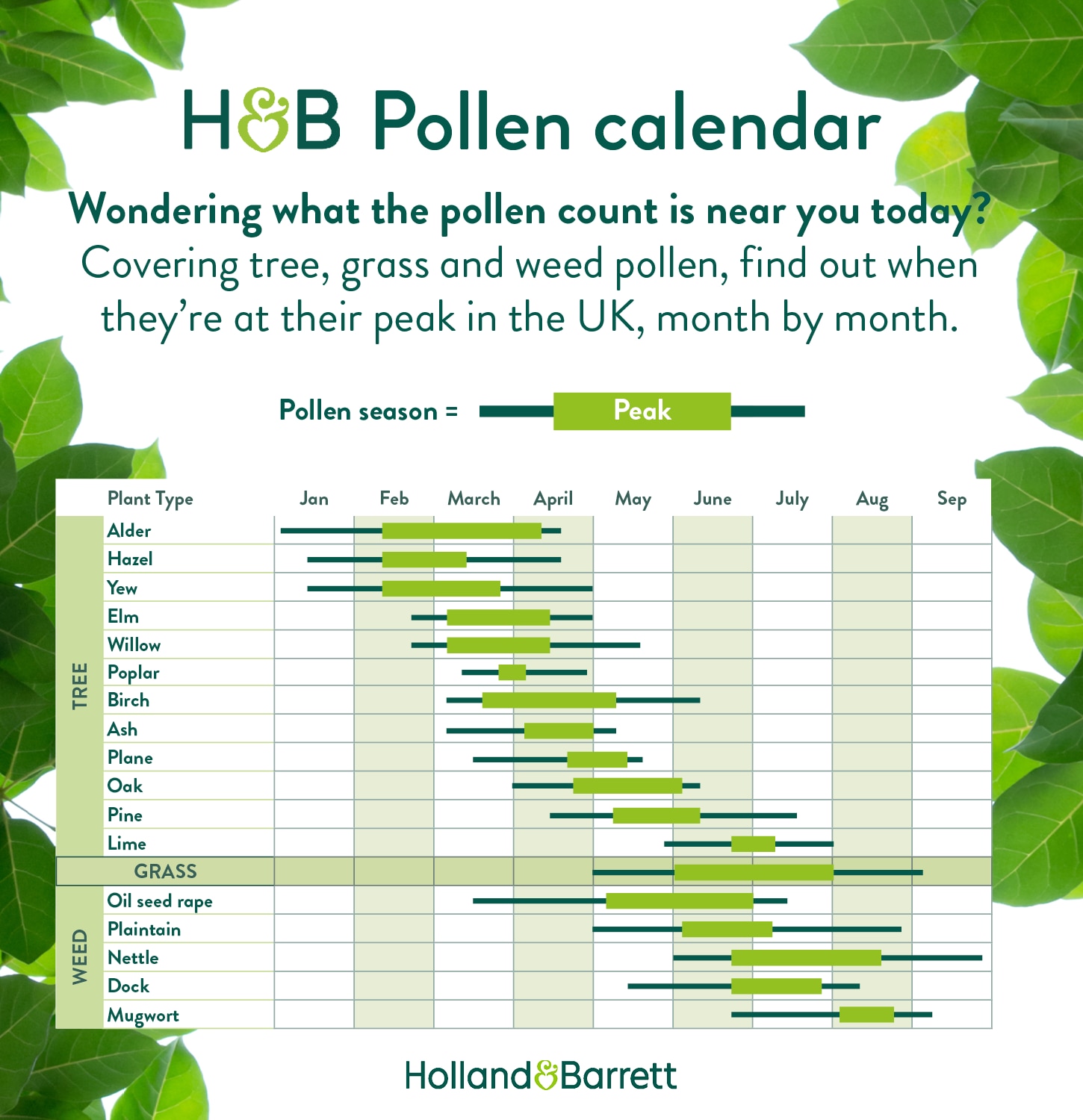
Tree pollen dominates the Washington DC landscape from late February through May. The city's famous flowering cherry trees, while visually striking around the Tidal Basin, are insect-pollinated and rarely trigger severe wind-borne allergies. Instead, native and ornamental wind-pollinated trees drive the severe counts:
- Oak (Quercus): A massive contributor across Rock Creek Park and suburban neighborhoods, producing heavy yellow dust that coats vehicles.
- Maple (Acer): Active early in the season, often overlapping with elm and birch.
- Birch (Betula): Noted for high cross-reactivity with certain foods, leading to oral allergy syndrome.
- Cedar and Juniper (Juniperus): Often initiate early-season spikes as early as late winter during warm spells.
Summer: Grass Pollen Dominance
As tree pollination wanes in late May, grass pollens take over through July. Lawns, athletic fields, and unmanaged rights-of-way throughout the District, Northern Virginia, and suburban Maryland generate substantial airborne particle loads.
- Kentucky Bluegrass (Poa pratensis): Widely utilized in residential lawns and public parks.
- Bermuda Grass (Cynodon dactylon): Thrives in warmer summer temperatures and high humidity.
- Timothy Grass (Phleum pratense): A primary agricultural grass found near the outer edges of the metro area.
Late Summer and Autumn: Weed Pollen and Mold Spores
From August until the first hard freeze, usually in November, weed pollens and environmental molds dictate local allergy severity.
- Ragweed (Ambrosia): The undisputed king of autumn allergies, a single plant can produce billions of lightweight pollen grains that travel dozens of miles on prevailing winds.
- Pigweed and Lambsquarters: Common agricultural and roadside weeds thriving in urban vacant lots.
- Alternaria and Cladosporium: Mold spores that flourish in decaying organic matter, damp mulch beds, and humid summer air masses.
Microclimates and Urban Heat Island Effects in DC
Geography significantly influences localized pollen distribution across Washington DC. The urban heat island effect causes the central District to warm faster and retain heat longer than outlying rural areas in Loudoun or Prince George's counties. This thermal differential can accelerate the onset of spring tree pollination by one to two weeks within downtown relative to the surrounding foothills.
Furthermore, the urban wind tunnel effect—created by high-rise corridors near downtown commercial centers—can trap particulate matter and sweep pollen grains along specific street grids. Conversely, proximity to major water bodies like the Potomac and Anacostia rivers creates localized humidity pockets that suppress airborne pollen suspension temporarily during morning fog events, followed by sharp increases as thermal updrafts develop by midday.
Clinical Management and Mitigation Strategies
Controlling exposure and managing the immune response requires a multi-layered defense plan. Relying solely on over-the-counter remedies is rarely sufficient during peak Washington DC pollen surges.
Environmental Control Protocols
- Monitor Daily Counts: Check verified NAB reporting stations each morning before planning outdoor activities. Limit strenuous outdoor exercise during peak morning hours when pollination rates peak (typically 5:00 AM to 10:00 AM).
- Vehicle and Home Filtration: Keep car windows rolled up while driving and utilize the recirculate setting on the climate control system equipped with high-efficiency particulate air (HEPA) cabin filters. At home, run central HVAC systems continuously with MERV 13 or higher rated filters, supplemented by standalone HEPA air purifiers in bedrooms.
- Post-Exposure Decontamination: Shower and wash hair immediately after extended time outdoors to remove trapped pollen grains. Change and launder clothing worn outside rather than leaving them in sleeping areas.
- Manage Indoor Humidity: Maintain indoor relative humidity below 50% using air conditioning and dehumidifiers to prevent secondary indoor mold proliferation.
Pharmacological and Immunological Interventions
When environmental avoidance fails, modern pharmacotherapy offers targeted relief:
- Intranasal Corticosteroids: Medications such as fluticasone or mometasone reduce nasal mucosal inflammation and block multiple inflammatory pathways. These require consistent daily use for maximum efficacy rather than occasional rescue dosing.
- Second-Generation Antihistamines: Non-drowsy oral options like cetirizine, loratadine, or fexofenadine control systemic histamine release, mitigating sneezing, itching, and rhinorrhea.
- Ophthalmics: Dual-action antihistamine/mast cell stabilizer eye drops (e.g., ketotifen) provide rapid relief for allergic conjunctivitis.
- Allergen Immunotherapy: For long-term remission, subcutaneous immunotherapy (allergy shots) or sublingual immunotherapy (tablets or drops) modify the underlying immune response to specific local pollens like oak and ragweed.
Comparative Overview of Allergy Management Options
Choosing the right approach depends on symptom severity, duration, and lifestyle constraints. The table below outlines standard interventions available to Washington DC residents.
| Intervention Type | Primary Mechanism | Onset of Action | Best Used For | Limitations |
|---|---|---|---|---|
| Intranasal Steroids | Reduces overall nasal inflammation | 12 to 36 hours | Moderate-to-severe persistent nasal congestion | Requires daily compliance; minor local irritation risk |
| Oral Antihistamines | Blocks histamine receptor sites | 1 to 2 hours | Acute sneezing, runny nose, and itching | Less effective for severe nasal blockage |
| HEPA Air Purifiers | Physically removes airborne particulates | Immediate upon running | Indoor air quality control in closed spaces | Ineffective once outside the treated room |
| Immunotherapy (SCIT/SLIT) | Induces immune system desensitization | Months to years | Long-term disease modification and cure | Requires long-term commitment and medical supervision |
Frequently Asked Questions About Washington DC Pollen
What time of year has the highest pollen count in Washington DC?
Springtime, specifically April and May, typically records the highest overall pollen counts due to heavy tree pollination coinciding with windy weather conditions. Late August through September experiences a secondary high-intensity peak driven by ragweed.
Where can I find official, real-time pollen counts for Washington DC?
The American Academy of Allergy, Asthma & Immunology (AAAAI) operates certified National Allergy Bureau counting stations in the regional area, providing validated physical spore counts rather than algorithmic estimates.
Do cherry blossoms cause seasonal allergies in Washington DC?
Generally, no. The famous Yoshino and Kwanzan cherry trees are insect-pollinated, meaning their heavy, sticky pollen grains are not carried significantly by the wind. Other native trees blooming simultaneously, such as oak and birch, are the actual culprits behind spring misery.
How does the weather affect daily pollen counts?
Warm, dry, and windy days dramatically increase pollen counts by facilitating the release and dispersal of grains. Conversely, steady rainfall temporarily washes pollen out of the air, though counts often surge immediately after a rainstorm as drying plants release a fresh wave of spores.
When should I consult an allergist instead of using over-the-counter medications?
You should schedule an evaluation with a board-certified allergist if your symptoms persist for more than three months, fail to respond to standard over-the-counter therapies, trigger chronic sinus infections or asthma exacerbations, or significantly impair your daily quality of life.
Are there specific neighborhoods in DC with worse pollen levels?
Neighborhoods with mature, dense canopies and extensive green spaces—such as Forest Hills, Cleveland Park, and areas bordering Rock Creek Park—often experience higher localized concentrations of tree pollen during peak spring weeks compared to heavily paved downtown commercial districts.
Practical Next Steps for Allergy Relief
Effective management of seasonal allergies in Washington DC starts with accurate daily tracking and a proactive treatment plan established before symptoms peak. Consult a local board-certified allergist or immunologist in the Washington metropolitan area to undergo comprehensive skin prick testing or specific IgE blood testing. Identifying your exact clinical triggers allows for targeted avoidance measures and personalized immunotherapy, ensuring you can enjoy the District's abundant outdoor spaces without severe allergic disruption.
Image Gallery