Workforce CNX: Comprehensive Strategy and Implementation Guide for 2026
Workforce CNX functions as an advanced enterprise ecosystem designed to streamline talent deployment, optimize human capital management, and integrate disparate staffing workflows into a unified operational grid. Organizations navigati...
Workforce CNX functions as an advanced enterprise ecosystem designed to streamline talent deployment, optimize human capital management, and integrate disparate staffing workflows into a unified operational grid. Organizations navigating complex talent landscapes rely on this framework to bridge the gap between contingent labor management, full-time talent acquisition, and real-time productivity tracking.
Contents
Core Architecture and Operational Framework of Workforce CNX
The fundamental objective of Workforce CNX is to eliminate organizational silos that typically fragment human resources and operations. By centralizing data streams related to contractor management, payroll integration, and compliance tracking, enterprises can achieve a single source of truth for all labor-related metrics.
At its core, the platform operates on three foundational layers:
- Data Ingestion Layer: Collects real-time inputs from applicant tracking systems (ATS), human resource information systems (HRIS), and vendor management systems (VMS).
- Processing and Analytics Engine: Applies machine learning models in 2026 to forecast labor shortages, analyze shift utilization, and recommend optimal staffing distributions.
- Execution Layer: Automates onboarding workflows, compliance checks, credential verifications, and cross-departmental scheduling permissions.
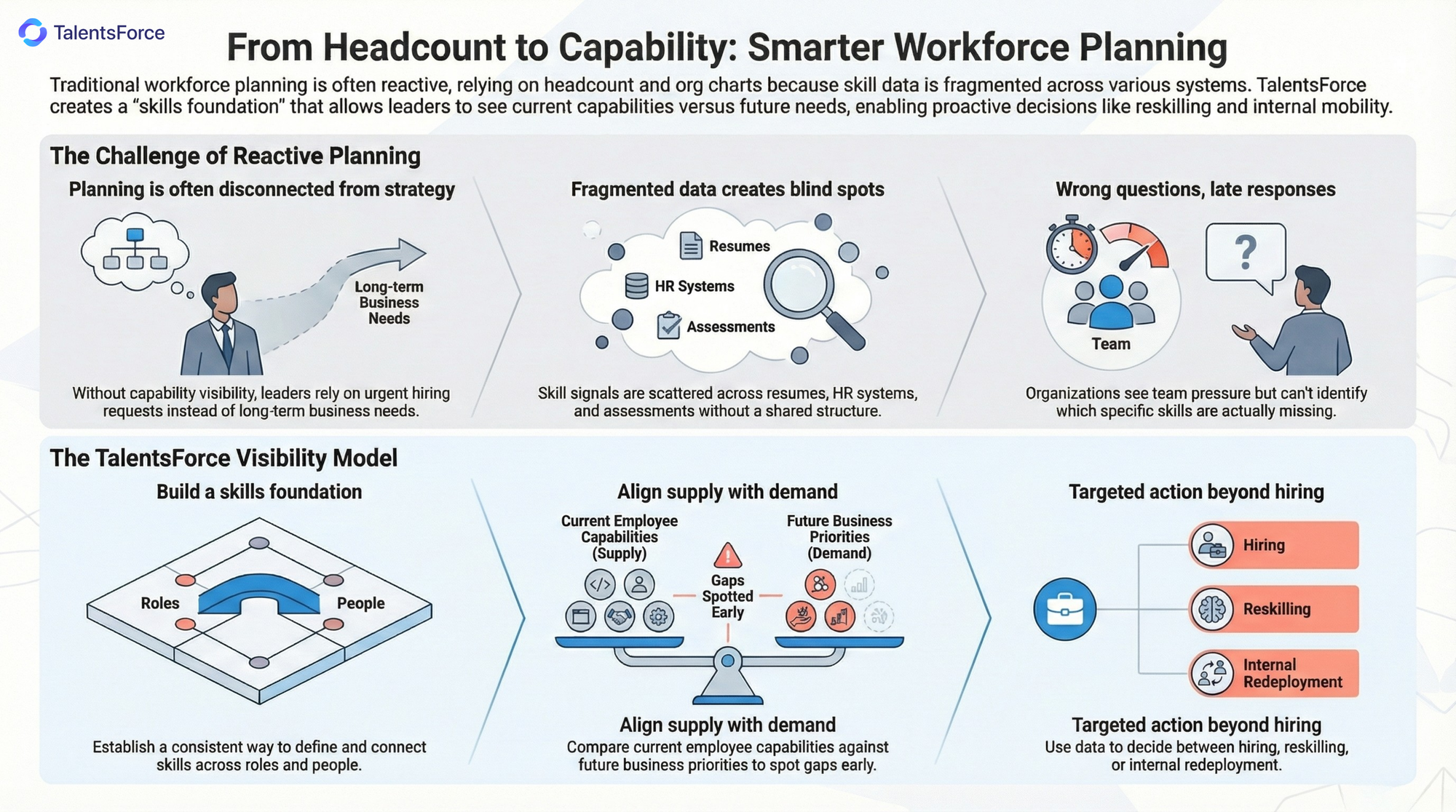
Organizations deploying this architecture must understand how metadata flows between modules. When a requisition is opened in the primary HRIS, Workforce CNX automatically parses the skill requirements, benchmarks them against historical deployment data, and routes the order to pre-vetted staffing vendors or internal talent pools without manual intervention.
Integration Prerequisites and Technical Specifications
Successful implementation of Workforce CNX requires strict adherence to enterprise IT standards and security protocols. Before initiating deployment, technical teams must audit existing infrastructure to ensure compatibility with modern API gateways and cloud-native environments.
System Requirements and Compatibility Matrix
| Component | Minimum Requirement | Recommended Enterprise Standard |
|---|---|---|
| API Integration | RESTful endpoints with basic JSON support | GraphQL support with OAuth 2.0 token rotation |
| Cloud Infrastructure | Hybrid cloud architecture | Multi-region AWS, Azure, or GCP deployment |
| Identity Management | SAML 2.0 single sign-on (SSO) | SCIM 2.0 automated provisioning and role-based access |
| Data Latency | Batch processing within 24 hours | Real-time event streaming via Apache Kafka or equivalent |
Security compliance remains a non-negotiable priority. The platform maintains alignment with SOC 2 Type II, ISO 27001, and GDPR frameworks, ensuring that personally identifiable information (PII) of candidates and employees remains encrypted both in transit and at rest using AES-256 standards.
Step-by-Step Deployment and Onboarding Workflow
Deploying Workforce CNX across a mid-to-large enterprise requires a phased methodology to minimize operational disruption. The following structured approach ensures system integrity and user adoption.
- Discovery and Scoping: Map all existing talent workflows, identify redundant software licenses, and define clear Key Performance Indicators (KPIs) such as time-to-fill and contractor compliance rates.
- Environment Configuration: Establish sandbox environments to test API connections with legacy payroll and time-tracking systems. Configure role-based access controls (RBAC) to restrict sensitive compensation data.
- Data Migration and Cleansing: Audit historical talent data, purge duplicate profiles, and standardize job title taxonomies to ensure accurate machine learning analytics.
- Pilot Testing: Roll out the platform to a single department or regional branch. Monitor error logs, API response times, and user feedback over a 30-day testing window.
- Enterprise-Wide Launch and Training: Conduct mandatory role-specific training sessions for hiring managers, HR personnel, and external vendors, followed by full system activation.
Comparative Analysis: Traditional Staffing Management vs. Workforce CNX
Evaluating the shift toward an integrated ecosystem highlights the operational efficiencies gained through modern workforce orchestration.
| Feature | Traditional Management Systems | Workforce CNX Platform |
|---|---|---|
| Vendor Management | Fragmented spreadsheets and isolated portals | Centralized multi-vendor marketplace |
| Compliance Tracking | Manual document collection and recurring audits | Automated verification with instant expiration alerts |
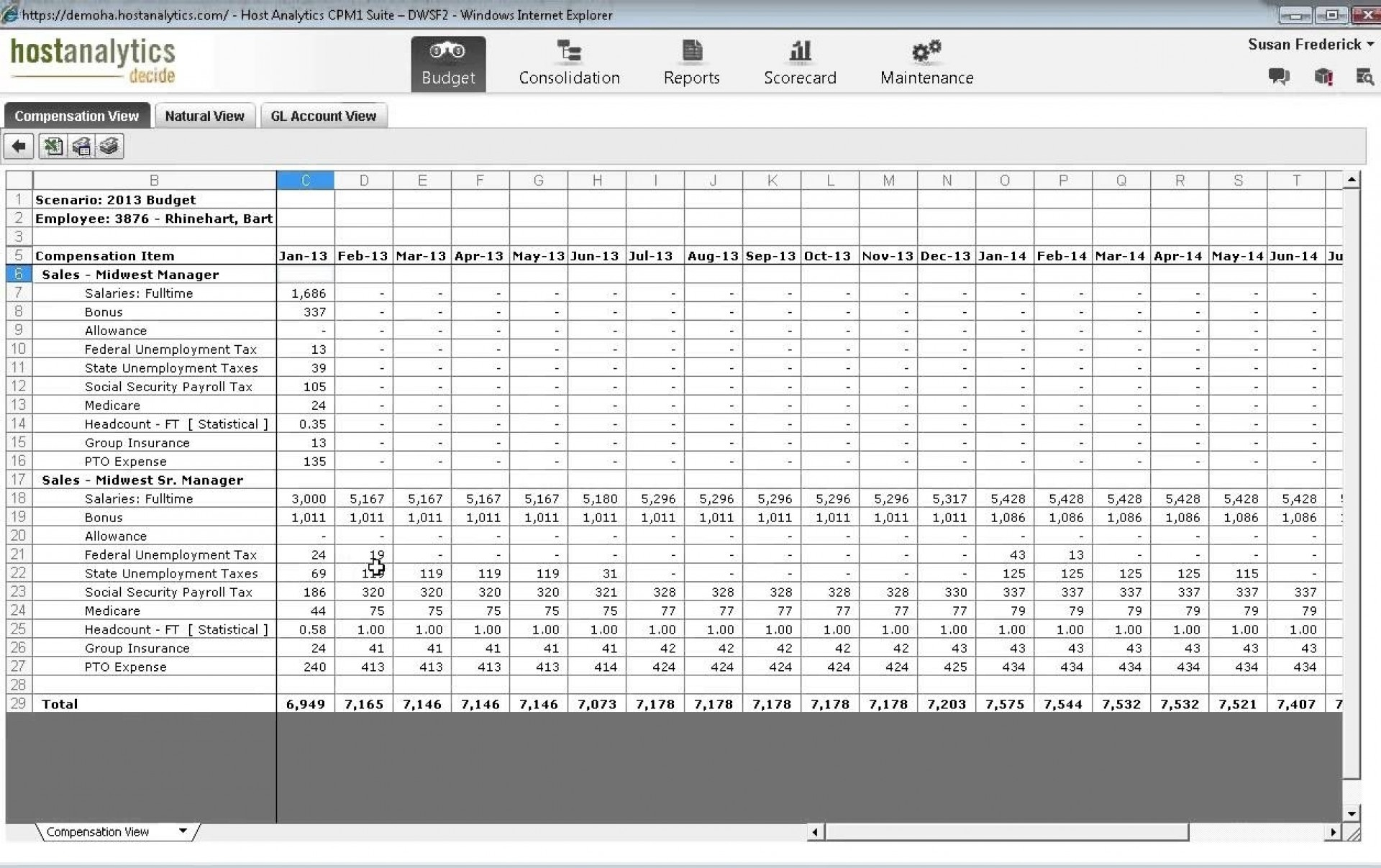
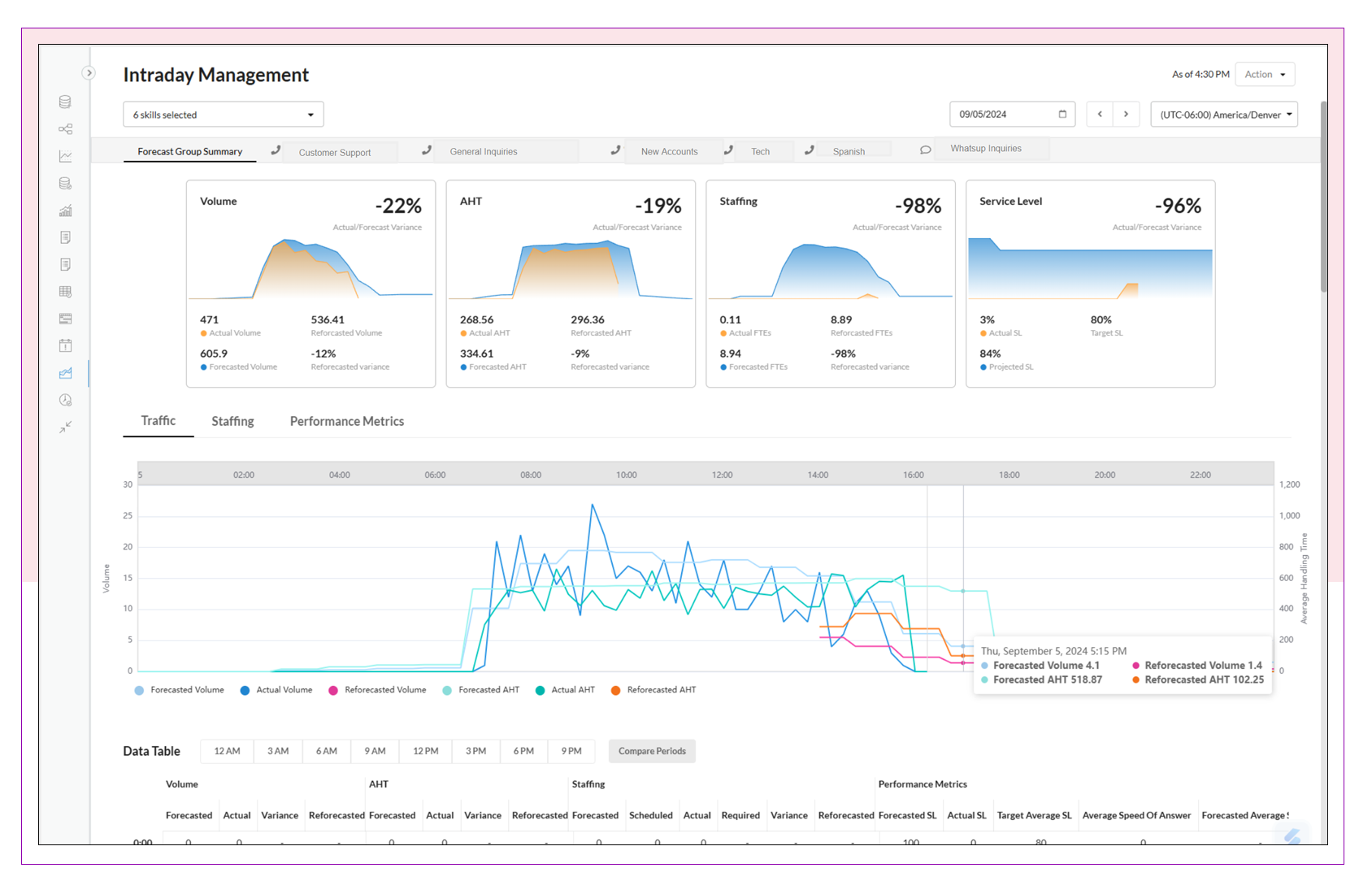
| Reporting Capabilities | Static monthly spreadsheets requiring manual compilation | Real-time predictive analytics dashboards |
| Cost Optimization | Reactive budgeting based on historical overages | Proactive labor utilization forecasting |
While traditional methods expose organizations to high compliance risks and administrative overhead, Workforce CNX automates routine governance tasks, reducing human error and freeing human resources teams to focus on strategic human capital development.
Risk Management, Limitations, and Common Pitfalls
Despite its robust feature set, implementing Workforce CNX presents specific challenges that administrators must actively manage.
- Resistance to Change: Long-tenured managers accustomed to legacy procurement habits often resist new software interfaces. Overcome this by designating internal champions and emphasizing how automation reduces administrative friction.
- Data Quality Issues: Feeding inaccurate historical data into the platform degrades the accuracy of predictive analytics. Rigorous data cleansing must precede full migration.
- Over-Automation: While automated onboarding streamlines workflows, eliminating human touchpoints entirely can degrade candidate experience. Retain mandatory human checkpoints during final offer stages and cultural alignment assessments.
Strategic Recommendations for Long-Term Value Realization
To maximize return on investment with Workforce CNX, organizations should adopt a continuous improvement mindset. Regularly audit automated workflows against changing labor laws and industry regulations. Leverage the platform's advanced reporting suites to renegotiate vendor contracts based on objective performance metrics rather than subjective estimates. By treating workforce orchestration as a dynamic, evolving discipline rather than a static IT project, enterprises can maintain a distinct competitive advantage in talent acquisition and retention.
Frequently Asked Questions
What is Workforce CNX?
Workforce CNX is an enterprise-grade talent and labor management ecosystem designed to centralize contingent workforce tracking, vendor management, and automated compliance. It eliminates operational silos by integrating disparate HR systems into a unified platform.
How does Workforce CNX handle data security and compliance?
The platform utilizes robust security measures, including SAML 2.0 single sign-on, role-based access controls, and AES-256 encryption for data at rest and in transit. It maintains compliance with major regulatory standards like SOC 2 Type II and GDPR.
Can Workforce CNX integrate with existing HRIS and payroll software?
Yes, the platform supports comprehensive API integrations, including RESTful endpoints and GraphQL, allowing seamless data synchronization with legacy human resource information systems and payroll providers.
What types of organizations benefit most from this platform?
Mid-to-large enterprises managing complex labor models, high volumes of contingent workers, or multi-vendor staffing arrangements experience the greatest efficiency gains and cost savings from the platform.
What is the typical timeframe for a full system deployment?
Deployment timelines vary based on organizational complexity, but a standard phased implementation—including discovery, sandbox testing, and pilot rollout—typically spans between 90 and 180 days.
Ready to transform your enterprise talent operations and eliminate administrative bottlenecks? Contact our implementation specialists today to schedule a customized architectural review and discover how Workforce CNX can scale with your organizational goals.
Image Gallery