What Can I Buy with a Healthy Food Card: Complete 2026 Guidelines
A healthy food card—often issued as part of a Medicare Advantage Special Needs Plan (SNP), Chronic Condition Special Needs Plan (C-SNP), or supplemental Medicaid benefit—typically lets you purchase approved fresh, frozen, or canned fru...
A healthy food card—often issued as part of a Medicare Advantage Special Needs Plan (SNP), Chronic Condition Special Needs Plan (C-SNP), or supplemental Medicaid benefit—typically lets you purchase approved fresh, frozen, or canned fruits and vegetables, meat, poultry, fish, dairy products, and pantry staples at participating nationwide retailers. Eligibility, benefit amounts, and exact item approvals depend entirely on your specific insurance provider's card network and point-of-sale scanning technology.
Contents
Understanding how to maximize these supplemental benefits requires navigating specific merchant category codes (MCC), approved product lists (APPL), and point-of-sale transaction rules. Because these over-the-counter (OTC) and grocery allowances are heavily regulated under federal and state health plan guidelines, knowing exactly what items clear the register prevents frustrating checkout rejections and ensures you utilize your full monthly or quarterly allowance.
Core Categories of Approved Foods and Groceries
The primary objective of a healthy food card is to support chronic condition management, nutritional health, and overall wellness. Consequently, the Universal Product Code (UPC) database tied to these cards is programmed to accept items that contribute directly to a balanced diet.
The following breakdown outlines the primary product categories universally recognized across major card providers like NationsBenefits, Convey Health Solutions, and Solutran:
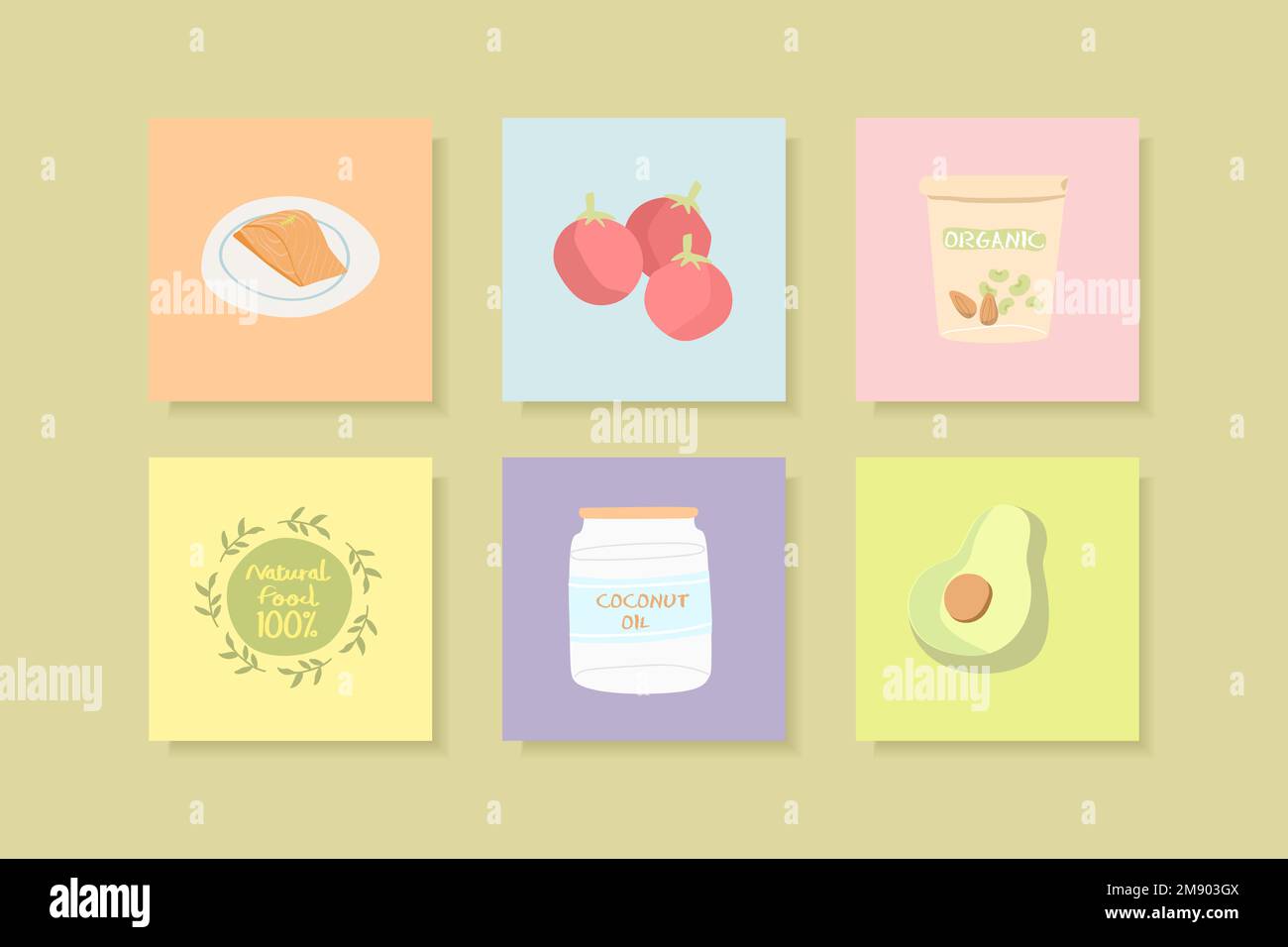
- Fresh Produce: All varieties of raw, unprocessed fruits and vegetables without added sugars, fats, or oils. This includes organic and conventionally grown items, pre-cut vegetables, and packaged salad greens.
- Meat, Poultry, and Seafood: Fresh or frozen cuts of beef, chicken, pork, turkey, lamb, fish, and shellfish, provided they are raw or minimally processed and do not contain heavy marinades, breading, or added sodium/sugars.
- Dairy and Alternative Products: Milk (whole, skim, 2%, plant-based alternatives like almond or oat milk), butter, natural cheeses (cheddar, mozzarella, cottage cheese), yogurt, and eggs.
- Pantry Staples and Grains: Whole-grain breads, brown and white rice, oatmeal, quinoa, pasta, dry and canned beans, lentils, raw nuts, seeds, and healthy cooking oils such as olive oil and canola oil.
- Canned and Frozen Goods: Canned fruits packed in water or 100% juice, canned vegetables with low sodium options, and frozen fruits and vegetables without added sauces or heavy syrups.
Items Strictly Prohibited by Healthy Food Card Policies
While these cards provide substantial purchasing power for nutritious groceries, stringent rules govern what is excluded. Point-of-sale systems use automated Product Eligibility Matching (PEM) to block non-qualifying merchandise instantly.
The following items are generally declined at checkout:
- Prepared and Hot Foods: Rotisserie chickens, hot deli items, freshly prepared sushi, and restaurant-style meals purchased inside grocery stores.
- Alcoholic Beverages: Beer, wine, liquor, and any fermented malt beverages.
- Tobacco and Nicotine Products: Cigarettes, cigars, electronic cigarettes, chewing tobacco, and vaping liquids.
- Non-Food Household Supplies: Paper towels, toilet paper, laundry detergent, dish soap, cleaning chemicals, and pet food.
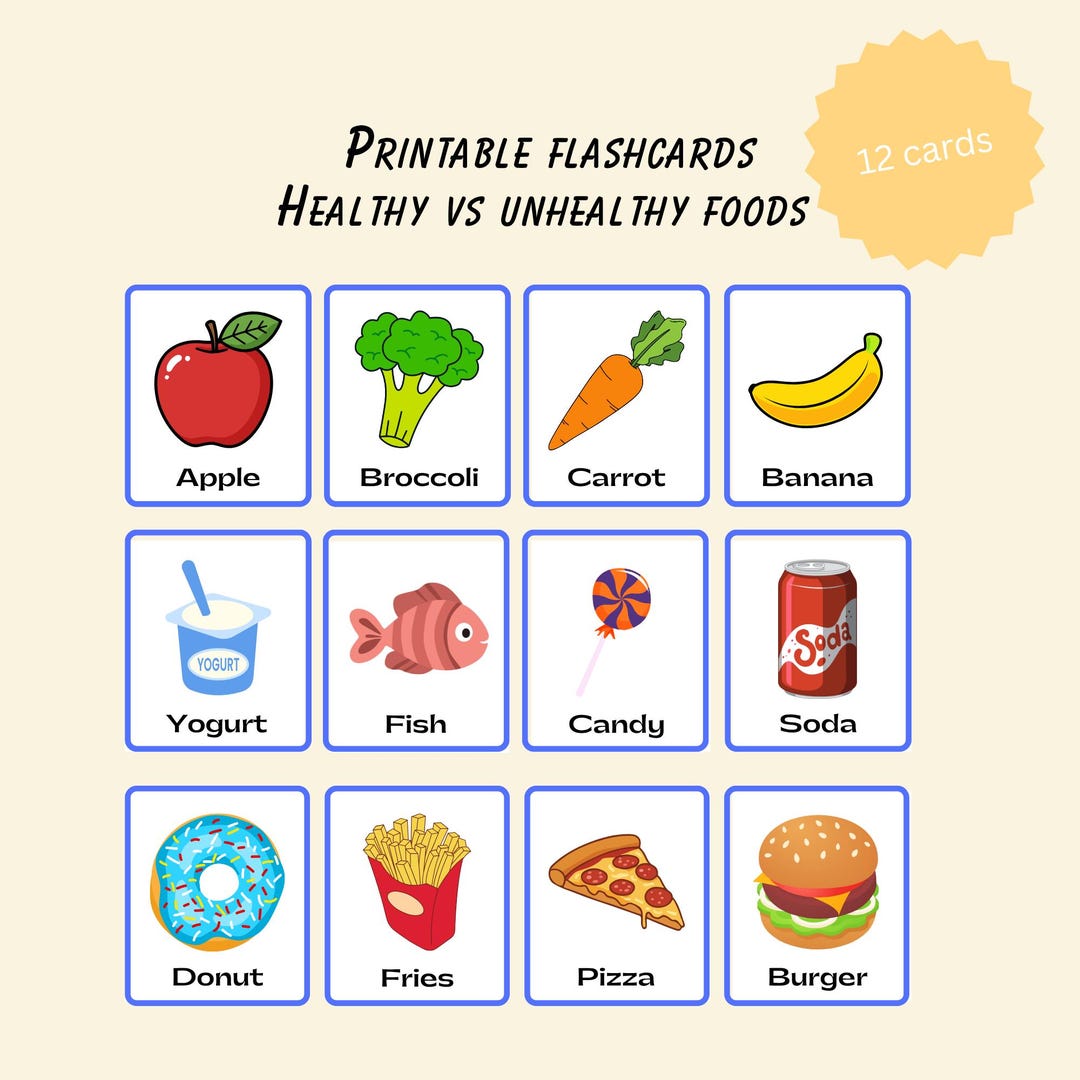
- Junk Food and Confectionery: Candy, potato chips, soda, energy drinks, pastries, and highly processed snack foods that lack nutritional value.
Comparing Healthy Food Card Networks and Providers
Different health insurance carriers partner with specific administrators to process healthy food card transactions. Knowing which network your plan utilizes dictates where you can shop and how your card interacts with the store's checkout terminal.
| Card Administrator / Network | Major Retail Partners | Point-of-Sale Integration Method | Typical Allowance Schedule |
|---|---|---|---|
| NationsBenefits | Walmart, CVS, Walgreens, Kroger, Family Dollar | UPC-level barcode scanning via integrated payment terminals | Monthly or quarterly reloadable balance |
| Solutran (S3) | Walmart, Aldi, Target, various regional grocers | Automatic sub-totalling of eligible items at checkout | Monthly fixed allocation (non-rollover) |
| InComm Healthcare | CVS, Walgreens, Rite Aid, select national supermarkets | Direct SKU matching; requires separate card swipe | Quarterly lump sum or monthly distribution |
| Access HeaLth / Convey | Kroger, Albertsons, Publix, Safeway | Real-time basket itemization via smart ledger technology | Monthly allocation |
Step-by-Step Guide to Using Your Healthy Food Card
Maximizing your benefit without encountering payment errors requires a methodical approach before, during, and after your shopping trip.
- Verify Your Current Balance and Rules: Log into your insurer’s member portal or call the dedicated customer service phone number listed on the back of your card to check your active balance, expiration rules, and whether unused funds roll over to the next month.
- Review the Approved Product List (APPL): Consult your plan's welcome packet or digital app to check specific brand eligibility or restricted sub-categories.
- Shop at Participating Retailers: Confirm that the supermarket or pharmacy is officially contracted with your card's network. Most major national chains automatically update their registers to recognize approved SKUs.
- Organize Your Shopping Cart: Group your eligible healthy foods together. When checking out, inform the cashier or self-checkout attendant if a split-tender transaction is required (paying for approved items with the food card first, then covering remaining ineligible items with cash, debit, or SNAP/EBT).
- Swipe the Card Correctly: Insert or swipe your healthy food card and select "Credit" or enter the designated PIN if required by your specific provider. Retain your receipt to verify which items were successfully covered.
Common Pitfalls and Troubleshooting Checkout Errors
Experiencing a card decline at the register is a frequent point of friction for cardholders. Understanding why a transaction fails can save time and embarrassment at the checkout counter.
Common Reasons for Card Declines:
Split-Tender Limitations: Some older POS terminals cannot automatically separate eligible and ineligible items in a single transaction. If your cart contains non-approved items, the entire transaction may fail until you remove them or ring them up separately.
Outdated UPC Databases: If a grocery store has recently introduced a new product or changed packaging, the barcode may not yet be mapped to the insurance network's approved product ledger, resulting in a false decline.
Expired Benefit Periods: Many standard health plans operate on a "use-it-or-lose-it" policy where monthly allocations expire at 11:59 PM on the final day of the month and do not accumulate.
Frequently Asked Questions
Can I use my healthy food card to buy items online for delivery?
Many major card administrators allow online ordering through partner apps or websites like Walmart.com or Instacart, provided you link your healthy food card as a valid payment method and select eligible items marked with benefit-eligible tags. Always check your plan portal to confirm digital platform compatibility before placing an order.
Do unused funds roll over to the next month?
Rollover rules vary significantly by insurance provider and specific plan design. While some Medicare Advantage plans permit balances to accumulate through the end of the calendar year, many others enforce a strict monthly expiration rule where unspent funds disappear on the last day of the month.
Can I buy vitamins and supplements with my healthy food card?
Vitamins, minerals, and herbal supplements are typically covered under a separate Over-The-Counter (OTC) benefit allowance rather than the healthy food card. However, some integrated plans issue a combined card with distinct sub-wallets for food versus general OTC health products.
What should I do if an eligible food item is rejected at the register?
First, check your receipt or ask the cashier to verify that the item was scanned correctly and matches an approved food category. If the item is definitively a fresh fruit, vegetable, or staple grain and still declines, keep the receipt, note the UPC barcode number, and call your plan’s customer service department to file a product inclusion request.
Can I use my healthy food card at local farmers markets?
Some specialized health plans have expanded their networks to include certified local farmers markets equipped with mobile payment processors that recognize eligible MCC codes. You must check your specific plan provider's directory to verify if regional agricultural stands are authorized participants.
Are name-brand foods covered, or only store brands?
Both name-brand and generic store-brand food items are generally covered as long as the underlying product meets nutritional guidelines (e.g., plain oats, fresh apples, or raw chicken) and contains no prohibited additives or processing characteristics.
Maximizing Your Supplemental Nutrition Benefits
Navigating a healthy food card effectively bridges the gap between clinical care and everyday nutrition management. By familiarizing yourself with your specific provider's network requirements, monitoring expiration schedules, and carefully separating eligible grocery items at checkout, you can optimize your health plan allowances to support long-term wellness goals. Always consult your insurance carrier’s official member documentation for the most precise, up-to-date item lists associated with your specific policy.
Image Gallery