Understanding Aircraft Propulsion Systems: A Comprehensive Guide to Modern Flight in 2026
Aircraft propulsion systems generate the mechanical force known as thrust to overcome an aircraft's drag, allowing it to move through the atmosphere. In 2026, this technology spans traditional internal combustion engines, high-efficien...
Aircraft propulsion systems generate the mechanical force known as thrust to overcome an aircraft's drag, allowing it to move through the atmosphere. In 2026, this technology spans traditional internal combustion engines, high-efficiency turbofans, and rapidly maturing electric and hydrogen systems, all focused on balancing high-speed performance with stringent international carbon reduction mandates.
Contents
The Fundamental Physics of Aircraft Propulsion
At its core, aircraft propulsion is an application of Sir Isaac Newton’s Third Law of Motion: for every action, there is an equal and opposite reaction. A propulsion system works by accelerating a mass of fluid (usually air or combustion gases) in one direction to produce a reactive force—thrust—in the opposite direction.
The efficiency of this process is governed by the relationship between the mass of the air moved and the change in its velocity. Mathematically, thrust ($F$) is represented as the mass flow rate ($\dot{m}$) multiplied by the change in velocity ($v_{exit} - v_{inlet}$). Modern engineering focuses on optimizing this equation. For instance, high-bypass turbofans achieve high efficiency by moving a massive amount of air at relatively low speeds, whereas turbojets move a smaller amount of air at extremely high speeds to achieve supersonic flight.
In 2026, propulsion is no longer just about raw power; it is about propulsive efficiency (how well the engine converts energy into motion) and thermal efficiency (how well the engine converts fuel into heat energy). As fuel costs and environmental regulations like the Carbon Offsetting and Reduction Scheme for International Aviation (CORSIA) become more stringent, the focus has shifted toward maximizing these two metrics through advanced materials and digital twin modeling.
Piston Engines and General Aviation
While large commercial jets dominate the headlines, the piston engine remains the workhorse of general aviation (GA). These engines operate on the Otto cycle, a four-stroke process consisting of intake, compression, power, and exhaust.
The Transition to Unleaded Fuels
A significant development in 2026 is the finalized industry-wide transition toward high-octane unleaded fuels, such as G100UL. For decades, the GA sector relied on 100LL (low lead) fuel, which contains tetraethyl lead to prevent engine knocking. Modern piston propulsion systems have been retrofitted or redesigned with electronic engine control units (ECUs) to manage combustion timing more precisely, allowing for the safe use of unleaded alternatives without sacrificing the power-to-weight ratio required for small aircraft.
Horizontally Opposed Configurations
Most aircraft piston engines utilize a horizontally opposed configuration. This design provides a low profile, which reduces aerodynamic drag on the cowling and improves pilot visibility. In 2026, manufacturers like Lycoming and Continental have integrated more sophisticated Full Authority Digital Engine Control (FADEC) into these engines, bringing the "single-lever" power control simplicity of a jet to the cockpit of a four-seat Cessna or Piper.
Gas Turbine Engines: The Powerhouse of Commercial Flight
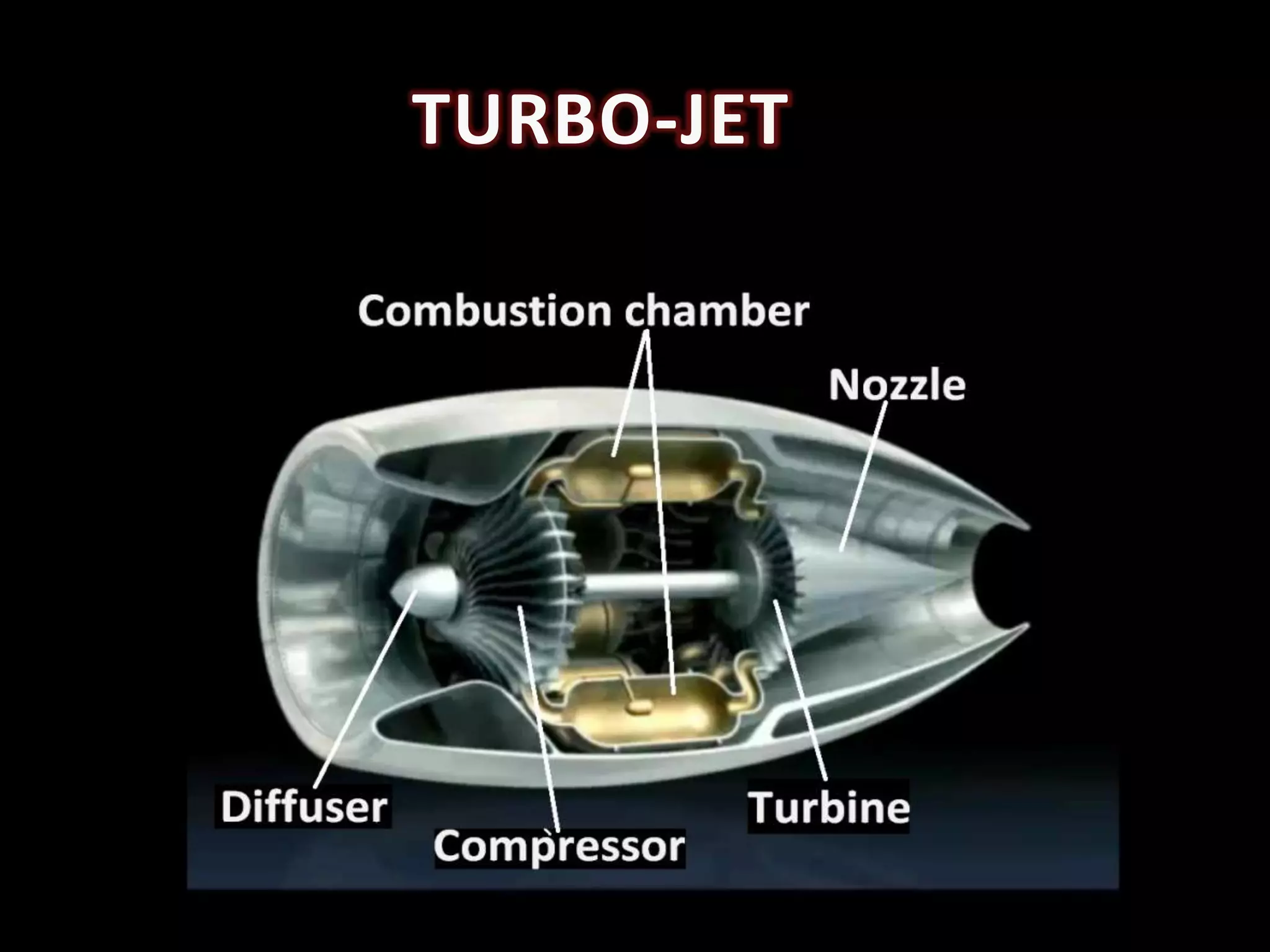
Gas turbine engines are the primary propulsion choice for commercial and military aviation due to their exceptional power-to-weight ratios and reliability over long distances. These engines operate on the Brayton cycle, which involves continuous induction, compression, combustion, and expansion.
Turbofans: Efficiency through Bypass
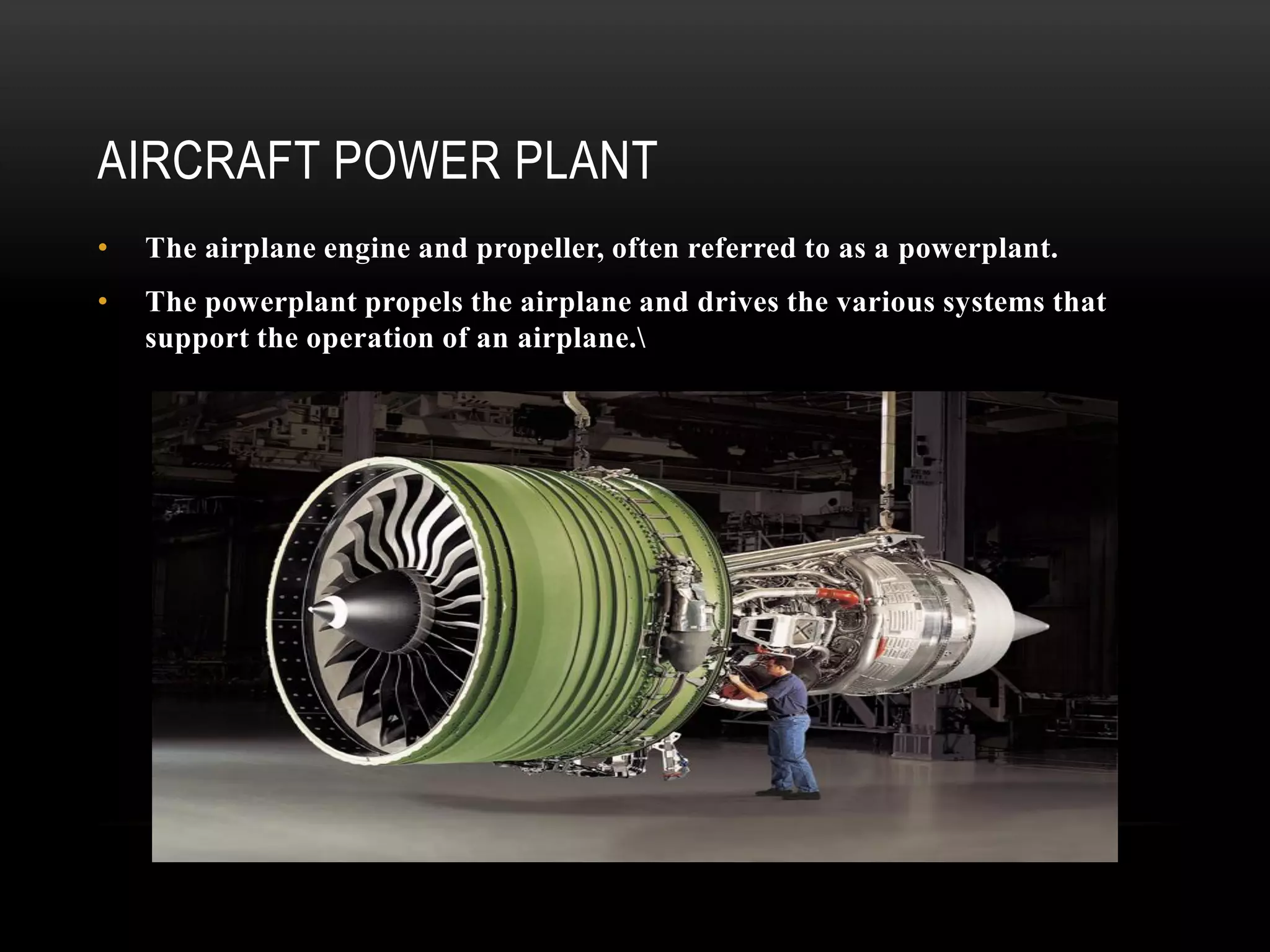
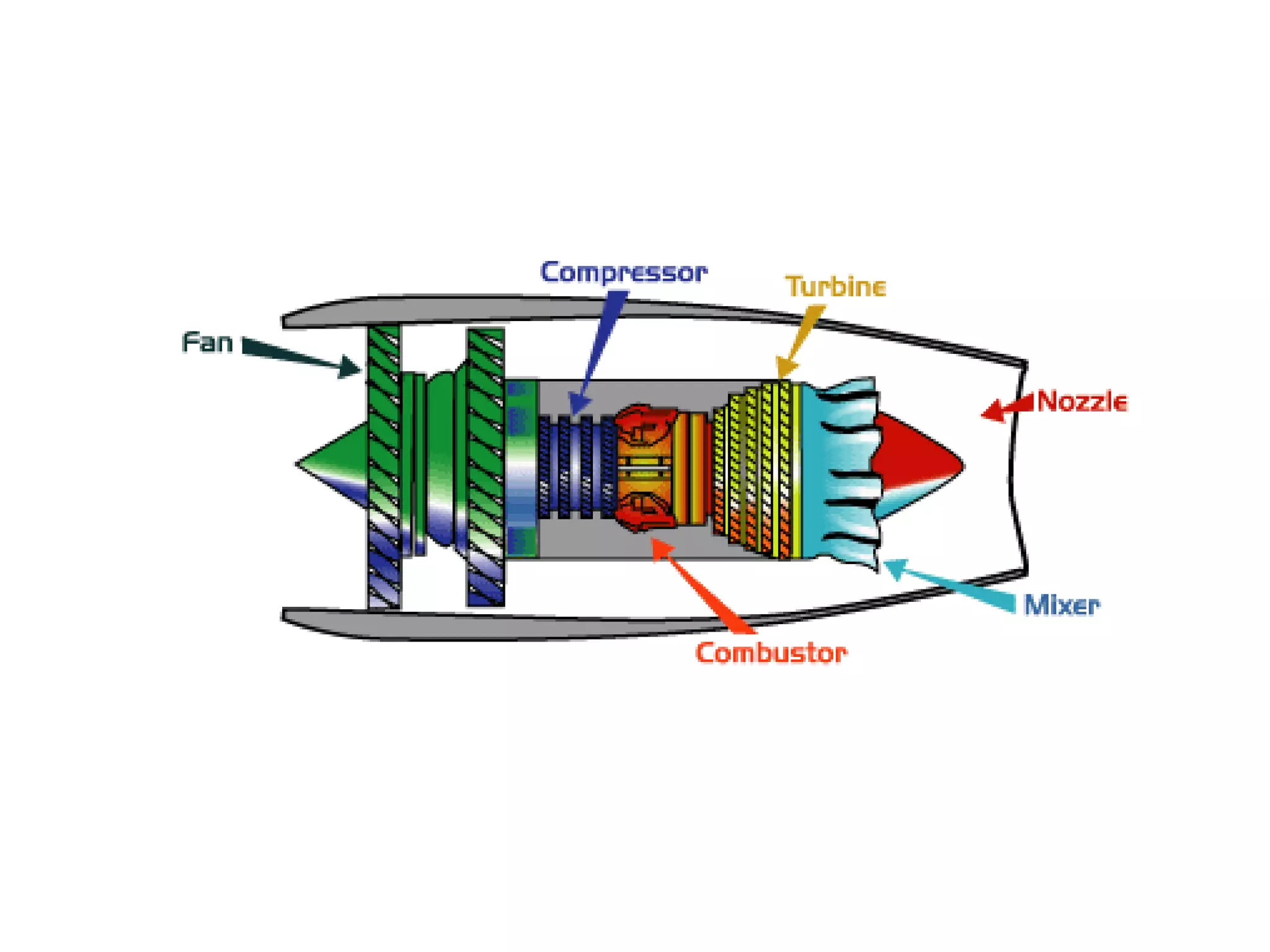
The turbofan is the most common engine type in 2026 for commercial airliners. It features a large fan at the front that pushes a portion of the air through the core (combustion) and the majority of the air around the core (bypass).
- High-Bypass Ratios: Modern engines, such as the CFM International LEAP or the Pratt & Whitney GTF (Geared Turbofan), often feature bypass ratios of 10:1 or higher.
- Geared Technology: Geared turbofans allow the large front fan to rotate at a slower, more efficient speed than the high-speed turbine that drives it. This reduces noise pollution and improves fuel burn by up to 15-20% compared to previous generations.
Turboprops and Turboshafts
For shorter regional routes and rotary-wing aircraft, turboprops and turboshafts are the preferred propulsion methods.
- Turboprops: Use a gas turbine to drive a propeller through a reduction gearbox. They are significantly more fuel-efficient than turbofans at speeds below 400 knots, making them ideal for the regional "hub-and-spoke" missions emphasized in 2026 to reduce the carbon footprint of short-haul travel.
- Turboshafts: These deliver power to a shaft rather than a propeller, commonly used to turn helicopter rotors or provide auxiliary power units (APUs) for large aircraft.
High-Speed Propulsion: Ramjets and Scramjets
As the aerospace industry pushes toward hypersonic travel (speeds exceeding Mach 5), traditional turbine engines become ineffective because the rotating blades cannot withstand the extreme heat and pressure of incoming air.
- Ramjets: These engines have no moving parts. They rely on the aircraft's high forward speed to "ram" air into a smaller volume, creating compression for combustion. However, they cannot produce thrust at zero airspeed.
- Scramjets (Supersonic Combustion Ramjets): These are a variation where the airflow through the engine remains supersonic. In 2026, scramjet technology is primarily utilized in experimental military platforms and high-altitude reconnaissance drones, though research continues into their viability for "point-to-point" global commercial travel.
The 2026 Shift: Sustainable and Electric Propulsion
The most transformative aspect of propulsion in 2026 is the integration of "green" technologies. To meet the goal of net-zero emissions by 2050, the industry has branched into three distinct paths for aircraft propulsion.
Sustainable Aviation Fuel (SAF)
SAF is a "drop-in" replacement for traditional Jet A-1 fuel, derived from renewable sources like waste oils, agricultural residues, or synthetic fuels captured from CO2. By 2026, many major engine manufacturers have certified their entire product lines to run on 100% SAF. The challenge remains in the scaling of supply chains rather than the engine technology itself. SAF is critical because it requires zero modifications to existing aircraft propulsion hardware.
Electric and Hybrid-Electric Systems
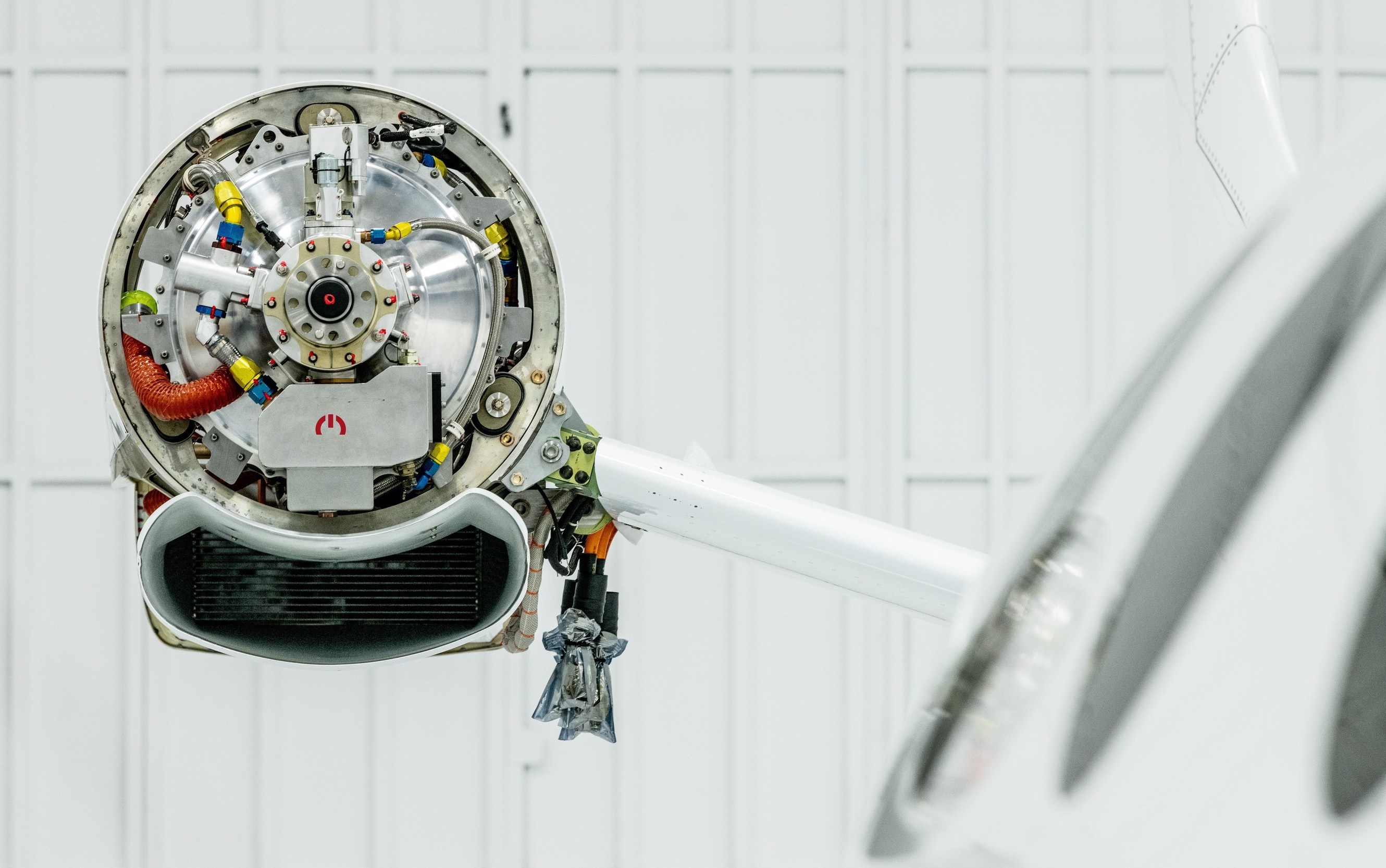
For the Advanced Air Mobility (AAM) sector—including "flying taxis" or eVTOLs (Electric Vertical Take-off and Landing)—electric propulsion is the standard.
- Batteries vs. Range: While battery energy density remains a limitation for transcontinental flights, 2026 has seen the entry into service of several regional electric aircraft capable of 150-250 mile ranges.
- Distributed Electric Propulsion (DEP): This involves placing multiple small electric motors along the wing. DEP increases aerodynamic efficiency and provides redundancy, making aircraft safer and quieter during takeoff and landing.
Hydrogen Propulsion
Hydrogen is being pursued in two forms: Liquid Hydrogen Combustion (burning hydrogen in a modified gas turbine) and Hydrogen Fuel Cells (converting hydrogen to electricity to drive a motor). Airbus’s ZEROe project remains a focal point in 2026, testing modified turbofan engines that emit only water vapor. Hydrogen offers three times the energy per unit of mass compared to jet fuel, though it requires significantly larger, cryogenic storage tanks.
Comparison of Propulsion Aircraft Technologies
| Propulsion Type | Typical Speed Range | Fuel Source | Primary Use Case |
|---|---|---|---|
| Piston Engine | 100–250 knots | Avgas / Unleaded | General Aviation, Training |
| Turboprop | 200–400 knots | Jet A-1 / SAF | Regional Commuter, Cargo |
| High-Bypass Turbofan | 450–550 knots | Jet A-1 / SAF | Commercial Airliners |
| Turbojet | Mach 1.0–2.0+ | Jet A-1 / SAF | Military Fighters, Supersonic |
| Electric Motor | 50–150 knots | Battery / Fuel Cell | eVTOL, Short Regional |
| Scramjet | Mach 5.0+ | Specialty / Hydrogen | Hypersonic Research, Defense |
Operational Maintenance and Lifecycle
Maintaining a modern aircraft propulsion system is a data-intensive process. In 2026, Health and Usage Monitoring Systems (HUMS) provide real-time telemetry to ground stations.
- Thermal Cycles: Every time an engine is started, heated, and cooled, it completes a thermal cycle. Maintenance intervals are often dictated by these cycles rather than just flight hours, as the extreme heat of the "hot section" (combustor and high-pressure turbine) causes metal fatigue and creep.
- Borescope Inspections: Technicians use specialized cameras to inspect internal turbine blades for cracks or erosion without disassembling the engine.
- Environmental Impact: Engines operating in sandy or salt-heavy environments (maritime or desert) require more frequent "compressor washes" to prevent mineral buildup, which can degrade aerodynamic efficiency and lead to overheating.
The cost of maintaining a turbine engine can be significant, often represented through "Power by the Hour" contracts, where operators pay a flat fee per flight hour to the manufacturer (e.g., Rolls-Royce or GE) to cover all scheduled and unscheduled maintenance.
Frequently Asked Questions
What is the most fuel-efficient aircraft propulsion system?
The high-bypass turbofan is the most efficient for high-speed commercial travel. However, for speeds below 400 knots, the turboprop is significantly more efficient because it uses a gas turbine to move a larger mass of air via the propeller, requiring less fuel per pound of thrust at lower altitudes.
Can old aircraft engines run on Sustainable Aviation Fuel (SAF)?
Yes, SAF is designed as a "drop-in" fuel. As of 2026, most legacy engines can run on blends of up to 50% SAF without any modifications. Ongoing testing has shown that even older engines can operate on 100% SAF, although some seal swell issues in very old rubber components are still being monitored by the Federal Aviation Administration (FAA).
Why aren't all aircraft electric in 2026?
The primary hurdle is energy density. Jet fuel carries about 43 times more energy than an equivalent weight of current state-of-the-art lithium-ion batteries. While electric propulsion is excellent for short trips, the weight of the batteries required for a long-haul flight would make the aircraft too heavy to take off.
What is "bypass ratio" and why does it matter?
The bypass ratio is the ratio between the mass of air that goes around the engine core versus the air that goes through it. A higher bypass ratio generally means better fuel efficiency and quieter operation, which is why modern 2026 engines have much larger diameters than those from the 1970s.
How does hydrogen propulsion differ from traditional jet engines?
Hydrogen can be used in two ways. In a combustion system, it is burned much like jet fuel but requires different injectors and cooling systems because it burns hotter. In a fuel cell system, the hydrogen isn't burned; it’s combined with oxygen to create electricity, which then powers an electric motor to turn a propeller or fan.
Final Recommendation for Operators and Enthusiasts
When evaluating propulsion aircraft options in 2026, prioritize the mission profile over raw specifications. For short-range, urban missions, investigate battery-electric eVTOL platforms which offer lower noise and maintenance costs. For regional commercial operations, turboprops remains the gold standard for balancing cost and carbon emissions. If you are operating a legacy fleet, the most effective "green" step is the immediate adoption of Sustainable Aviation Fuel (SAF), which is now widely available at major international hubs. Always consult the latest EASA or NASA technical bulletins regarding engine-specific SAF blend certifications.
Image Gallery