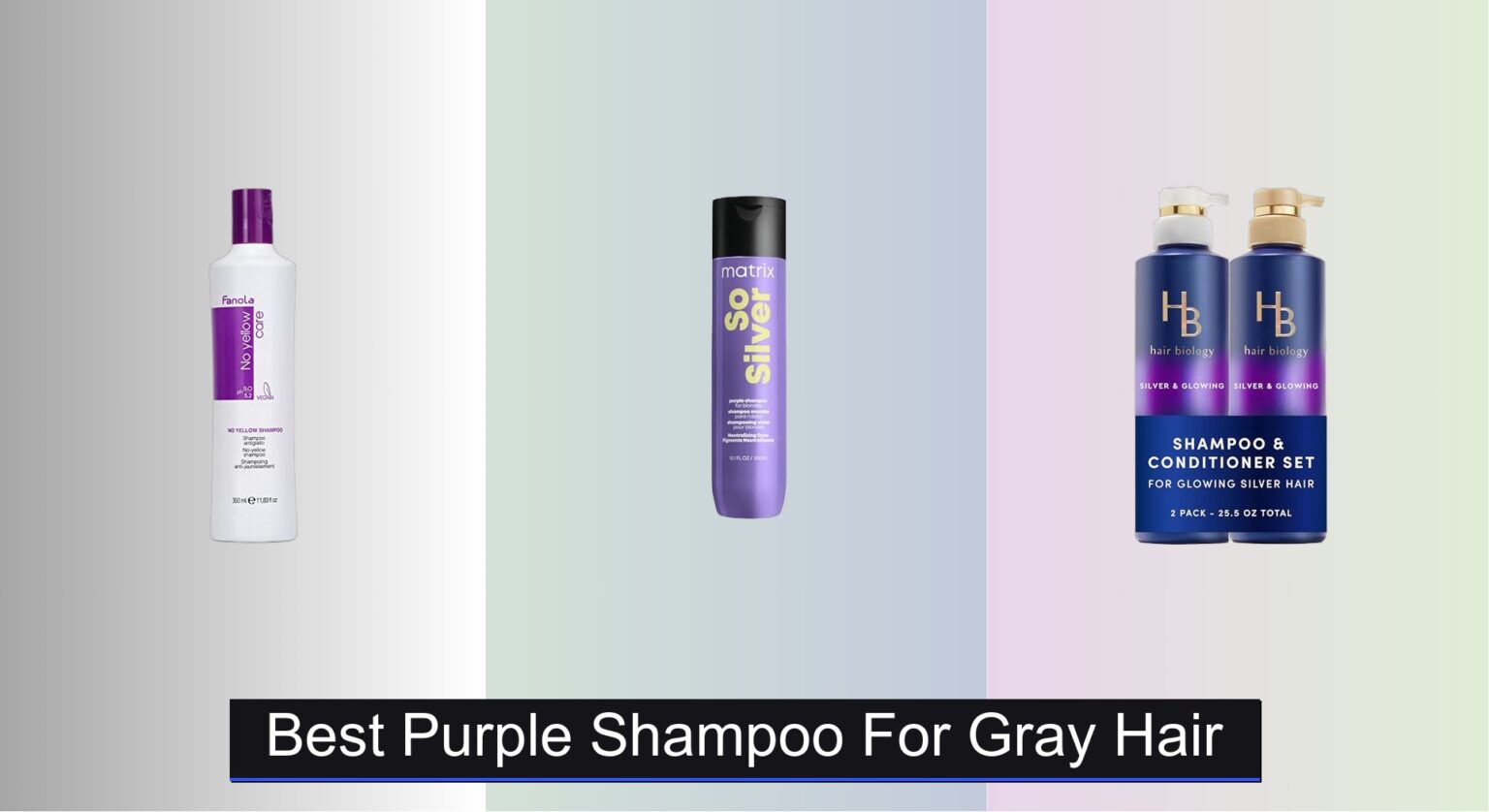
The Ultimate Guide to Purple Shampoo for Graying Hair in 2026
Purple shampoo is a color-toning cleanser designed to neutralize yellow, brassy tones in gray, silver, and white hair. By depositing crushed violet pigments onto the hair shaft, it counteracts the warm hues that naturally occur due to...
Purple shampoo is a color-toning cleanser designed to neutralize yellow, brassy tones in gray, silver, and white hair. By depositing crushed violet pigments onto the hair shaft, it counteracts the warm hues that naturally occur due to oxidation, environmental pollutants, and UV exposure, restoring a cool, vibrant, and youthful silver finish.
Contents
As we move through 2026, the trend of "silver positivity" continues to grow. More individuals are embracing their natural gray hair rather than hiding it under permanent dyes. However, natural gray hair—which is essentially hair that has lost its melanin—is highly susceptible to discoloration. Maintaining that crisp, salon-quality silver requires a specialized maintenance routine, with purple shampoo serving as the foundational tool.
The Science of Color Correction: Why Purple?
To understand why purple shampoo is essential for graying hair, one must look at basic color theory. On the traditional color wheel, purple sits directly opposite yellow. These are known as complementary colors. When they are layered together, they cancel each other out, resulting in a neutral or "achromatic" tone.
Natural gray hair is not actually "gray"; it is a mixture of pigmented hairs and white hairs (which lack pigment). The white hairs are essentially a blank canvas. Because they lack the protective shield of melanin, they easily absorb external substances and react to environmental stressors. When these white strands become "stained" or oxidized, they take on a yellowish, dingy hue. Applying a shampoo with violet micro-pigments masks these yellow tones, tricking the eye into seeing a brighter, cooler shade of silver or white.
Why Gray Hair Turns Yellow: Common Culprits
Understanding the causes of yellowing is the first step in preventing it. While purple shampoo fixes the symptom, managing the environment helps maintain the health of the hair cuticle.
Oxidation and UV Exposure
Just as an apple turns brown when exposed to air, hair undergoes oxidation. UV rays from the sun break down the proteins in the hair and react with any residual pigment or environmental buildup, leading to a yellowed appearance. In 2026, despite advancements in hair care, UV radiation remains the primary cause of "brassiness" in natural silver hair.
Hard Water and Mineral Buildup
Many households deal with hard water containing high concentrations of calcium, magnesium, and iron. These minerals can bond to the hair’s porous surface. Over time, iron specifically creates a rusty or yellowish tint. If you live in an area with high mineral content in the water, purple shampoo becomes even more critical to strip away that "drab" look.
Heat Styling Damage
Gray hair tends to be more fragile and prone to dryness because the sebaceous glands produce less oil as we age. Excessive use of flat irons, curling wands, or high-heat blow dryers can literally "scorch" the hair. This thermal damage often manifests as a yellow discoloration that is difficult to remove without professional intervention.
Environmental Pollutants
Smoke, smog, and even certain hair products (like yellow-tinted oils or heavy waxes) can leave a residue on the hair. Because gray hair is often more porous than pigmented hair, it acts like a sponge, soaking up these pollutants and losing its natural luster.
Selecting the Right Purple Shampoo for Your Hair Type
Not all purple shampoos are created equal. In 2026, the market offers a variety of formulations tailored to different hair textures and levels of gray. When selecting a product, consider the following technical specifications.
Pigment Density
Some shampoos are a light lavender, while others are a deep, dark indigo. If your hair is salt-and-pepper, a lighter lavender formula is usually sufficient. However, if your hair is stark white or bright silver, you may need a more highly pigmented "professional strength" formula to see a noticeable difference.
Ingredient Integrity: Sulfates vs. Moisture
Gray hair is notoriously dry. Many traditional purple shampoos use harsh sulfates (like Sodium Lauryl Sulfate) to ensure the pigments penetrate the hair. However, this can leave gray hair feeling brittle. Look for "sulfate-free" options that include hydrating ingredients such as:
- Argan or Jojoba Oil: To mimic natural sebum.
- Keratin or Wheat Protein: To strengthen the often-thinned hair cuticle.
- Hyaluronic Acid: A modern standard in 2026 hair care for moisture retention.
pH Balance
The ideal pH for a toning shampoo is slightly acidic (between 4.5 and 5.5). An acidic pH helps to flatten the hair cuticle, "locking in" the purple pigment and reflecting more light, which gives the hair its characteristic silver shine.
How to Use Purple Shampoo: A Step-by-Step Guide
Using purple shampoo incorrectly can lead to patchy results or, in extreme cases, hair that looks slightly lilac. Follow these steps for an even, professional-looking tone.
- Preparation: Thoroughly wet your hair with warm water. Warm water helps open the cuticle slightly, allowing the violet pigments to enter the hair shaft.
- The First Wash (Optional): If your hair has a lot of product buildup, use a regular clarifying shampoo first. This ensures the purple shampoo can work directly on the hair fibers.
- Application: Apply the purple shampoo starting at the areas with the most yellowing (usually the ends or the top layer exposed to the sun). Work it into a lather, ensuring every strand is coated.
- Dwell Time: This is the most important step.
- For slight yellowing: 1–3 minutes.
- For stubborn brassiness: 3–5 minutes.
- Caution: Do not exceed 10 minutes unless the product specifically instructs you to, as this can lead to "over-toning."
- Rinse: Rinse thoroughly with cool water. Cool water helps seal the cuticle, trapping the tone and increasing shine.
- Condition: Always follow with a conditioner, preferably a purple-tinted conditioner or a deep-moisturizing mask. This replaces the moisture lost during the cleansing process.
Comparison of Toning Products for Gray Hair
| Product Type | Pigment Intensity | Best For | Usage Frequency |
|---|---|---|---|
| Purple Shampoo | Moderate to High | Neutralizing active yellowing | 1–2 times per week |
| Purple Conditioner | Low | Maintaining cool tones & softening | Every wash |
| Purple Hair Mask | Very High | Deep toning and intensive repair | Once every two weeks |
| Toning Foam/Mousse | Low | Temporary brightening/styling | Daily or as needed |
| Silver Gloss/Glaze | Moderate | Adding high shine and subtle tint | Monthly |
Managing Potential Issues: Troubleshooting
The "Purple Stain" Effect
If your hair is extremely porous, it may absorb too much pigment, resulting in a lavender or blue tint. If this happens, don't panic. Simply wash your hair two or three times with a clarifying shampoo or a dandruff shampoo. These have a higher stripping power and will remove the excess pigment. In the future, mix your purple shampoo with a bit of regular white shampoo to dilute the intensity.
Dryness and Frizz
Because toning shampoos are designed to deposit pigment, they sometimes lack the conditioning agents of regular shampoos. If your hair feels like "straw" after use, ensure you are using a leave-in conditioner or a hair oil specifically formulated for silver hair. By 2026, many brands have integrated squalane into their formulas to combat this specific issue.
Patchy Results
Patchiness usually occurs because the hair wasn't fully saturated or because different parts of the hair have different porosity levels. To avoid this, comb the shampoo through your hair with a wide-tooth comb while in the shower to ensure even distribution.
Frequently Asked Questions
Can I use purple shampoo on "salt and pepper" hair?
Yes. Purple shampoo will not change the color of your naturally dark (pigmented) hair, but it will brighten the "salt" (white) sections. This creates a sharper contrast and makes the overall salt-and-pepper look appear intentional and groomed rather than dull.
Is purple shampoo a hair dye?
No. Purple shampoo contains direct dyes, which are large pigment molecules that sit on the surface of the hair or just under the cuticle. They do not penetrate the hair cortex or cause a chemical change like permanent or semi-permanent hair dye. The effect is temporary and will wash out over time.
How often should I use it?
For most people with graying hair, once or twice a week is the "sweet spot." Using it every day can lead to pigment buildup, making the hair look darker and less vibrant. Use a moisturizing, color-safe shampoo on the other days of the week.
Will purple shampoo work on "golden" or "orange" hair?
Purple is best for yellow. If your hair is turning a deep orange or "rusty" color (often seen in brunettes transitioning to gray), you may actually need a blue shampoo. Blue is opposite orange on the color wheel and is more effective at neutralizing those deeper, coppery tones.
Does purple shampoo expire?
Like most hair care products in 2026, purple shampoo typically has a shelf life of 12 to 24 months after opening. Over time, the pigments may settle or the formula may lose its consistency. If the shampoo smells off or has separated significantly, it is time for a replacement.
Next Steps for Your Hair Care Routine
To keep your gray hair looking its best, start by incorporating a high-quality purple shampoo into your routine once a week. Observe how your hair reacts after the first three uses; if you see a purple tint, reduce the dwell time. If the yellow remains, increase the time or frequency. For the best results, supplement your toning routine with a UV-protectant spray to prevent the yellowing from occurring in the first place. If you find that your hair remains yellow despite using purple shampoo, consult a professional stylist to check for heavy metal buildup from your water supply, which may require a professional demineralizing treatment.
Image Gallery