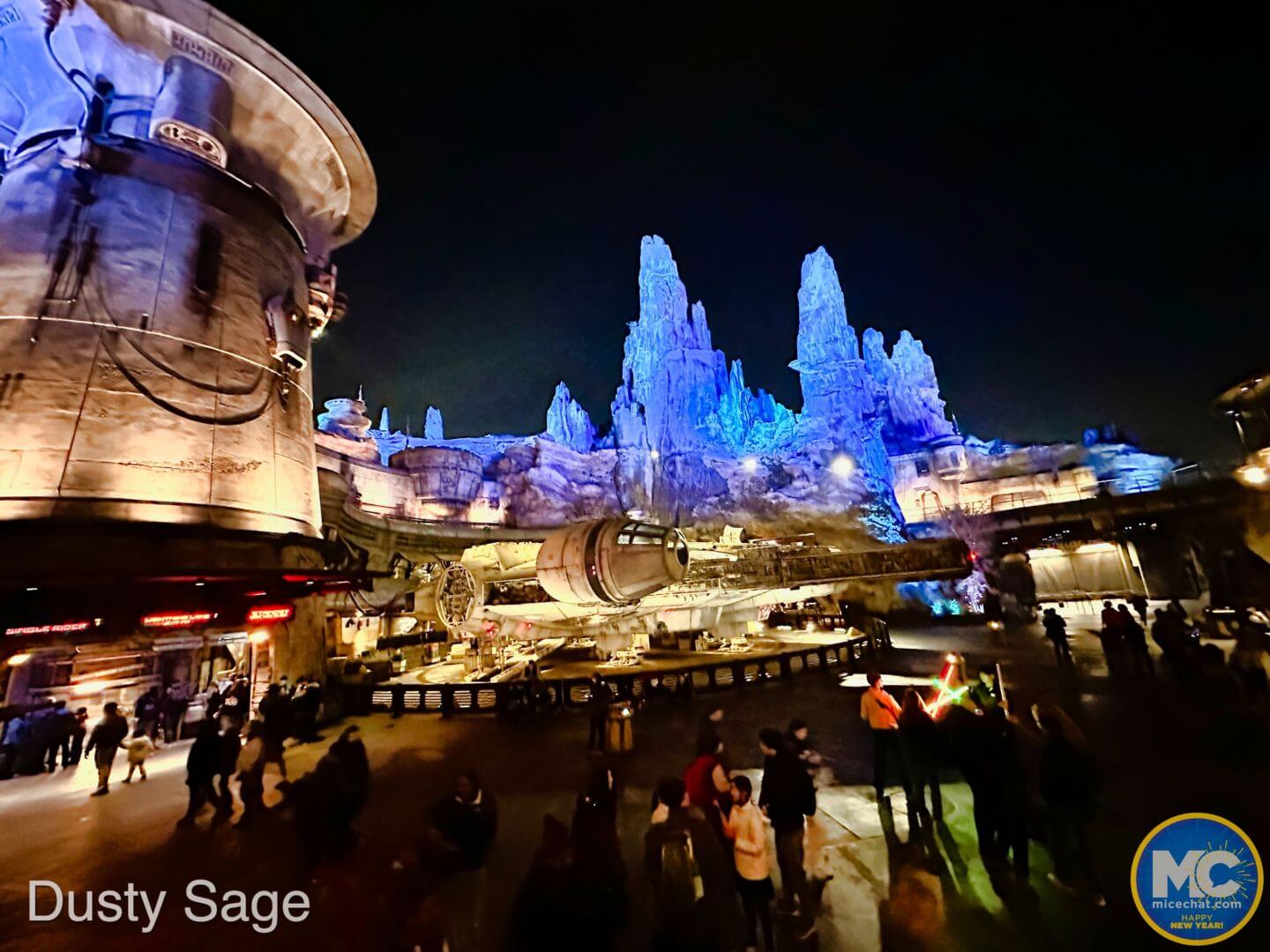
What Used to Be Where Galaxy’s Edge Is at Disneyland
Before the immersive vistas of Star Wars: Galaxy’s Edge opened its gates to the public in 2019, the 14-acre expanse at the northern edge of Disneyland Park was home to a variety of guest-facing facilities and park infrastructure. The f...
Before the immersive vistas of Star Wars: Galaxy’s Edge opened its gates to the public in 2019, the 14-acre expanse at the northern edge of Disneyland Park was home to a variety of guest-facing facilities and park infrastructure. The footprint for the Black Spire Outpost was primarily comprised of the Big Thunder Ranch area, a segment of the Rivers of America, and various backstage support facilities that were essential for the daily operations of the park.
Contents
The Transformation of the Northern Frontier
For decades, the area now occupied by the planet Batuu served a very different purpose. Longtime visitors remember this section of the park as a quieter, pastoral corner of Frontierland. The land acquisition and subsequent demolition required to make way for the 14-acre expansion represented one of the largest construction projects in the history of the Disneyland Resort.
The most prominent feature removed to make space for the new land was Big Thunder Ranch. Opened in the 1980s, the ranch was a rustic, family-friendly area that included a petting zoo, a small performance stage for seasonal live entertainment, and "Barbecue at Big Thunder Ranch," a popular dining spot. It provided a stark contrast to the high-velocity thrills of the nearby Big Thunder Mountain Railroad, serving as a pastoral retreat for families.
Repurposing the Rivers of America
While much of the land was gained through the removal of the ranch and backstage zones, the project also required a significant alteration to the Rivers of America. To accommodate the new layout, the northern banks of the river were reshaped, and the railroad tracks for the Disneyland Railroad—which previously looped around the perimeter—had to be rerouted.
This period of transition, lasting from early 2016 through 2017, saw the temporary closure of the Mark Twain Riverboat, the Sailing Ship Columbia, and the Davy Crockett Explorer Canoes. This was a necessary logistical step to shift the river’s boundary further south, allowing for the construction of the massive show buildings and the rockwork that now obscures the park’s northern perimeter from the guest experience.
The Backstage Displacement
A substantial portion of what is now Galaxy’s Edge was previously dedicated to "backstage" or "cast-only" areas. Disneyland is a constrained park, meaning it has very little room to expand outward. Consequently, a vast network of administrative offices, maintenance shops, and staging areas that previously occupied the northern reaches of the property had to be relocated.
By moving these essential support functions to other areas of the resort or off-site facilities, Walt Disney Imagineering was able to reclaim space that was previously invisible to the average guest. This reclamation was a primary catalyst for the scale of the Star Wars expansion, allowing the project to be fully integrated into the park’s existing flow rather than requiring a separate gate or a massive expansion into public roadways.
Comparative Land Usage: Before and After
To understand the scope of the shift, it is helpful to contrast the historical usage of this specific tract of land with its current function.
| Feature | Historical Usage (Pre-2016) | Current Usage (2026) |
|---|---|---|
| Big Thunder Ranch | Petting zoo, BBQ dining, live stage | Millennium Falcon: Smugglers Run |
| Backstage Staging | Maintenance, offices, storage | Rise of the Resistance, Market area |
| River North Bank | Boundary for Rivers of America | Docking Bay 7 Food and Cargo |
| Railroad Path | Perimeter edge of the park | Elevated berm with rockwork scenery |
Impact on Park Operations and Navigation
The removal of Big Thunder Ranch had a profound impact on the "vacation" feel of Frontierland. Guests who frequented the area for the petting zoo and the live music found the transition toward the high-intensity, immersive environment of Star Wars to be a complete departure from the park’s original thematic DNA. However, the move was strategically sound for Disney, as it centralized the park’s most high-capacity attractions.
The rerouting of the Disneyland Railroad provided a unique technical achievement. By constructing a new elevated trestle that carries the train along the edge of the galaxy, the Imagineers were able to maintain the classic circle-the-park experience while effectively hiding the massive show buildings of the attraction Star Wars: Rise of the Resistance from the eyes of guests walking through the rest of the park.
Common Questions Regarding the Expansion
Why did Disneyland choose this specific location for Galaxy’s Edge? The location was chosen because it represented the largest contiguous undeveloped or low-density parcel of land available within the existing park boundaries. By utilizing the space behind Frontierland, Disney could avoid the need for external land expansion, which would have required complex negotiations with the City of Anaheim.
Is anything left of the old Big Thunder Ranch? Virtually all physical structures associated with Big Thunder Ranch were demolished. While some of the goats and animals that lived at the ranch were relocated to other facilities, the infrastructure itself—including the kitchen equipment and the performance stage—was decommissioned to make way for the new construction.
Did the removal of the old area change the length of the Disneyland Railroad? Yes, the track was slightly reconfigured to accommodate the new terrain. The new route features an elevated berm that provides guests on the train with a unique, high-vantage point view of the scenery designed for the planet Batuu, effectively masking the transition between the 19th-century frontier theme and the science-fiction environment.
Were there historical attractions lost to this construction? Aside from the Big Thunder Ranch facilities, the primary "lost" experience was the undisturbed natural view of the north bank of the Rivers of America. The reconfiguration forced the closure of certain trails and vantage points that had existed since the early years of the park, replacing a natural landscape with controlled, themed architecture.
Recommendations for Further Discovery
If you are interested in the evolution of Disneyland’s landscape, the best way to visualize these changes is by comparing historic park maps with current ones. The transition from the rustic, open-air space of the Big Thunder Ranch to the dense, vertical complexity of Black Spire Outpost is one of the most significant architectural shifts in theme park history.
For visitors planning a trip in 2026, the most effective way to appreciate the engineering feat that replaced the old north end is to ride the Disneyland Railroad from the Frontierland station. The journey allows you to pass through the very transition point where the old park met the new expansion, showcasing the massive rockwork walls that were built to preserve the immersion of both the Wild West and the Star Wars galaxy.
Image Gallery