Denver is Not in Central Time Zone: Understanding Colorado’s Time Standards
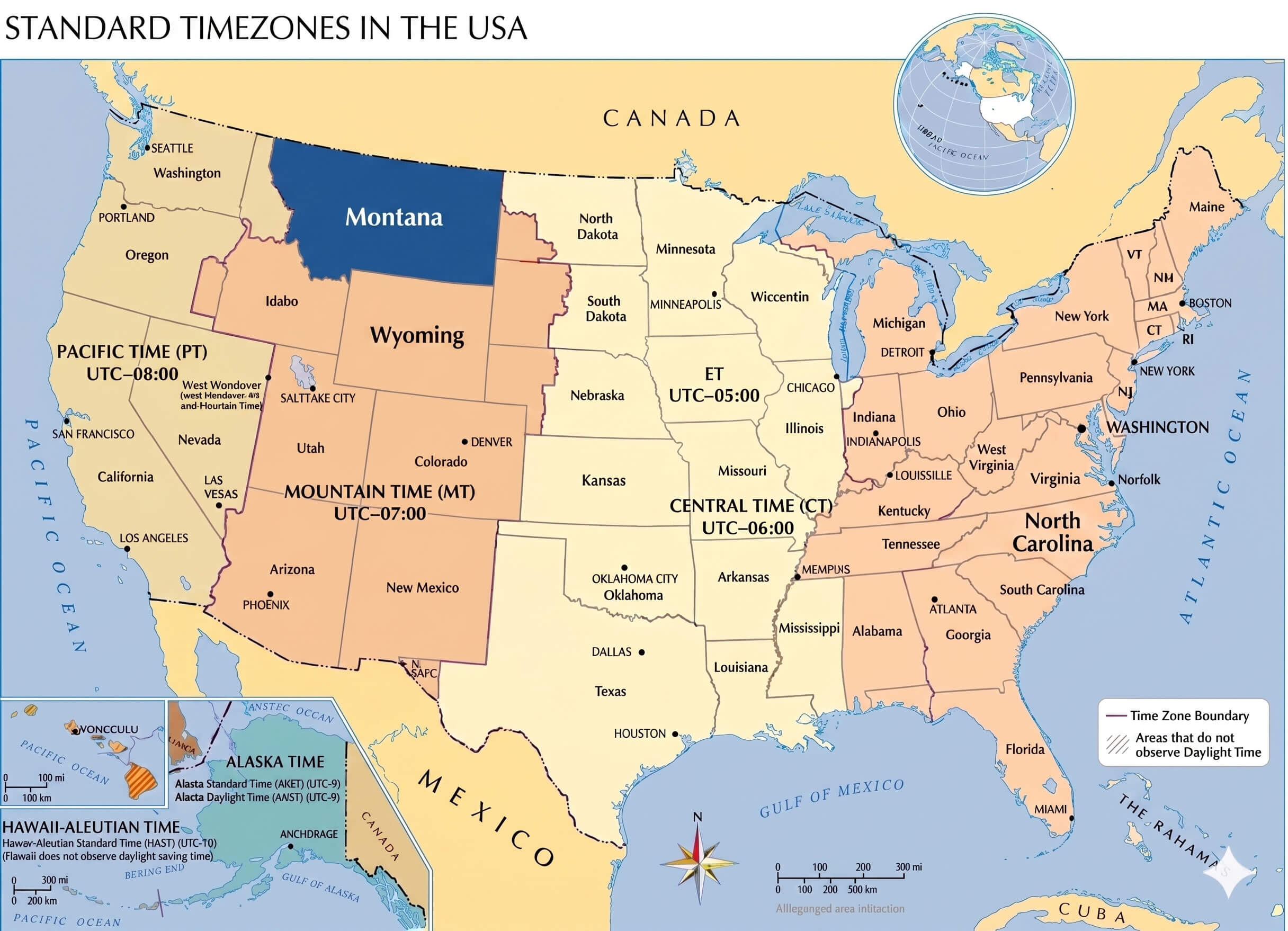
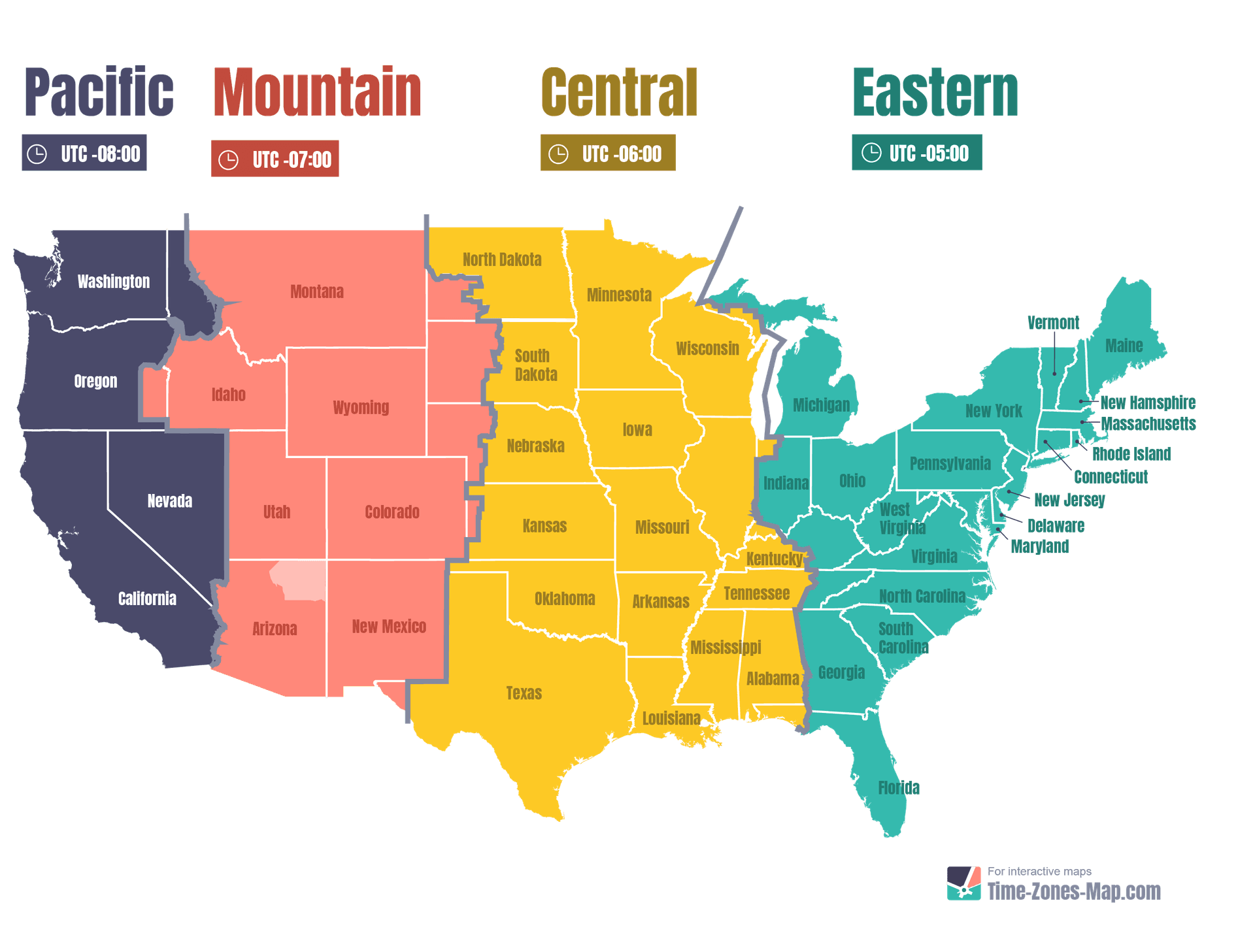
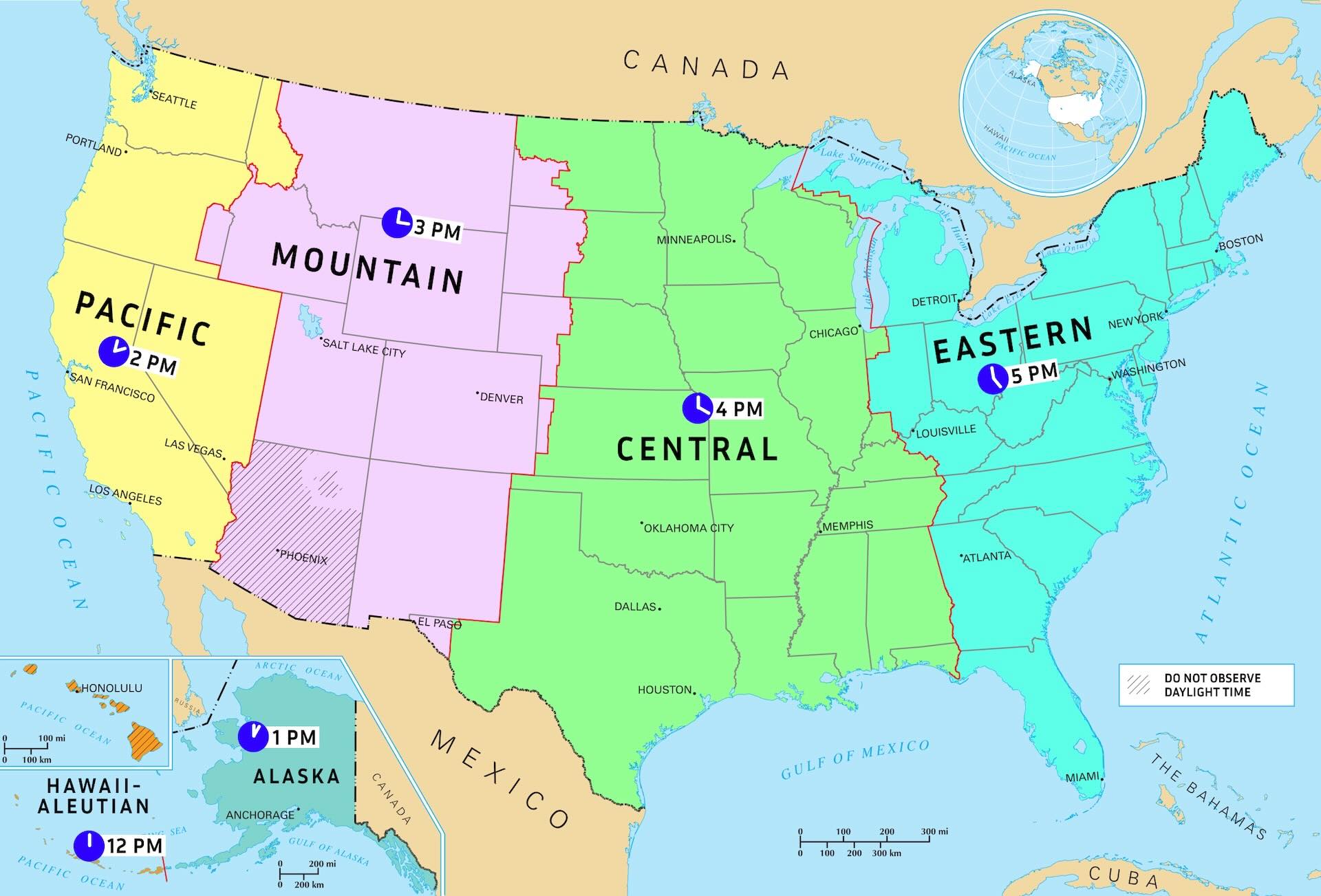
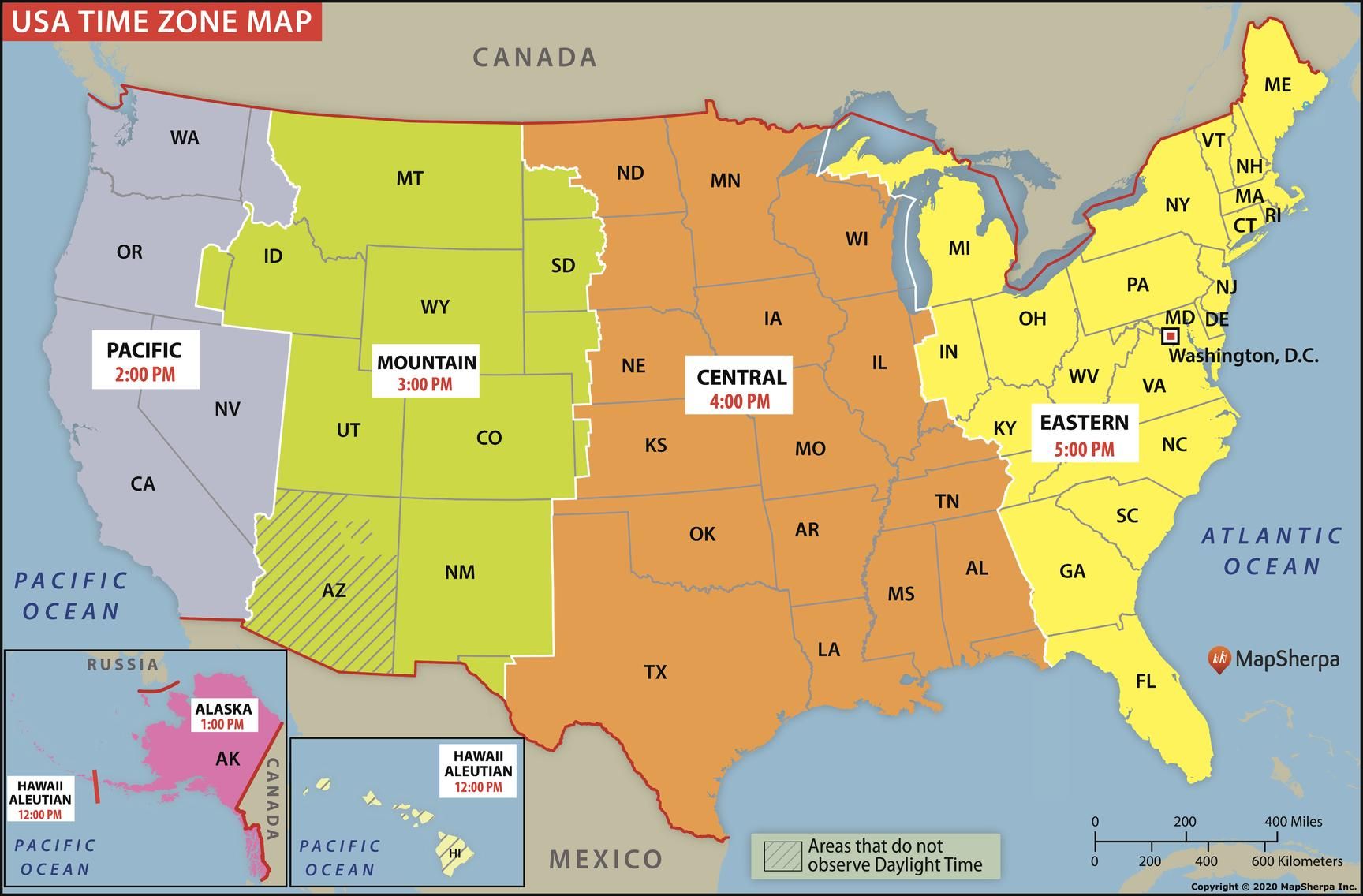
Denver is located in the Mountain Time Zone, not the Central Time Zone. Specifically, Denver observes Mountain Standard Time (MST) during the winter months and Mountain Daylight Time (MDT) during the summer. This placement puts Denver...
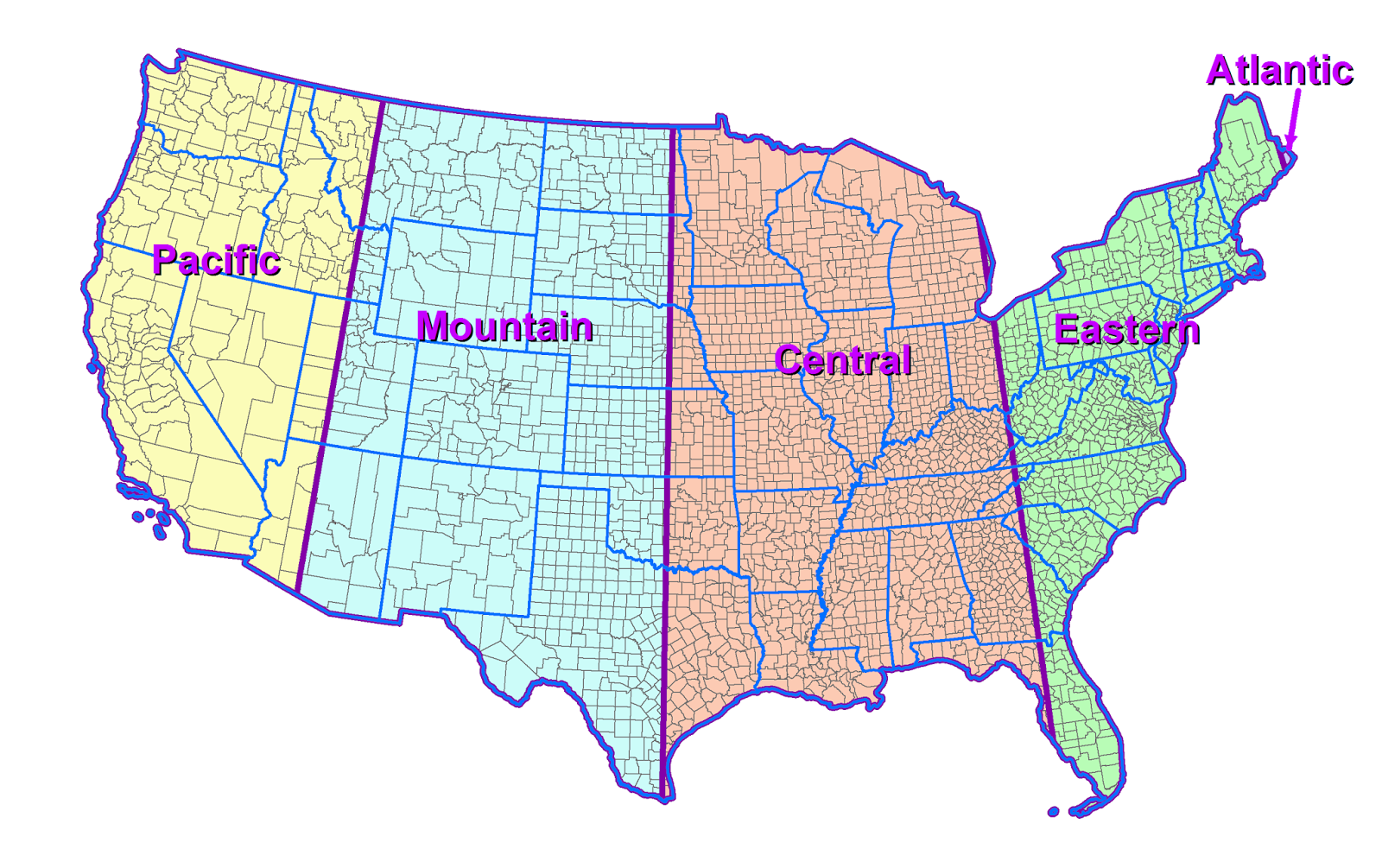
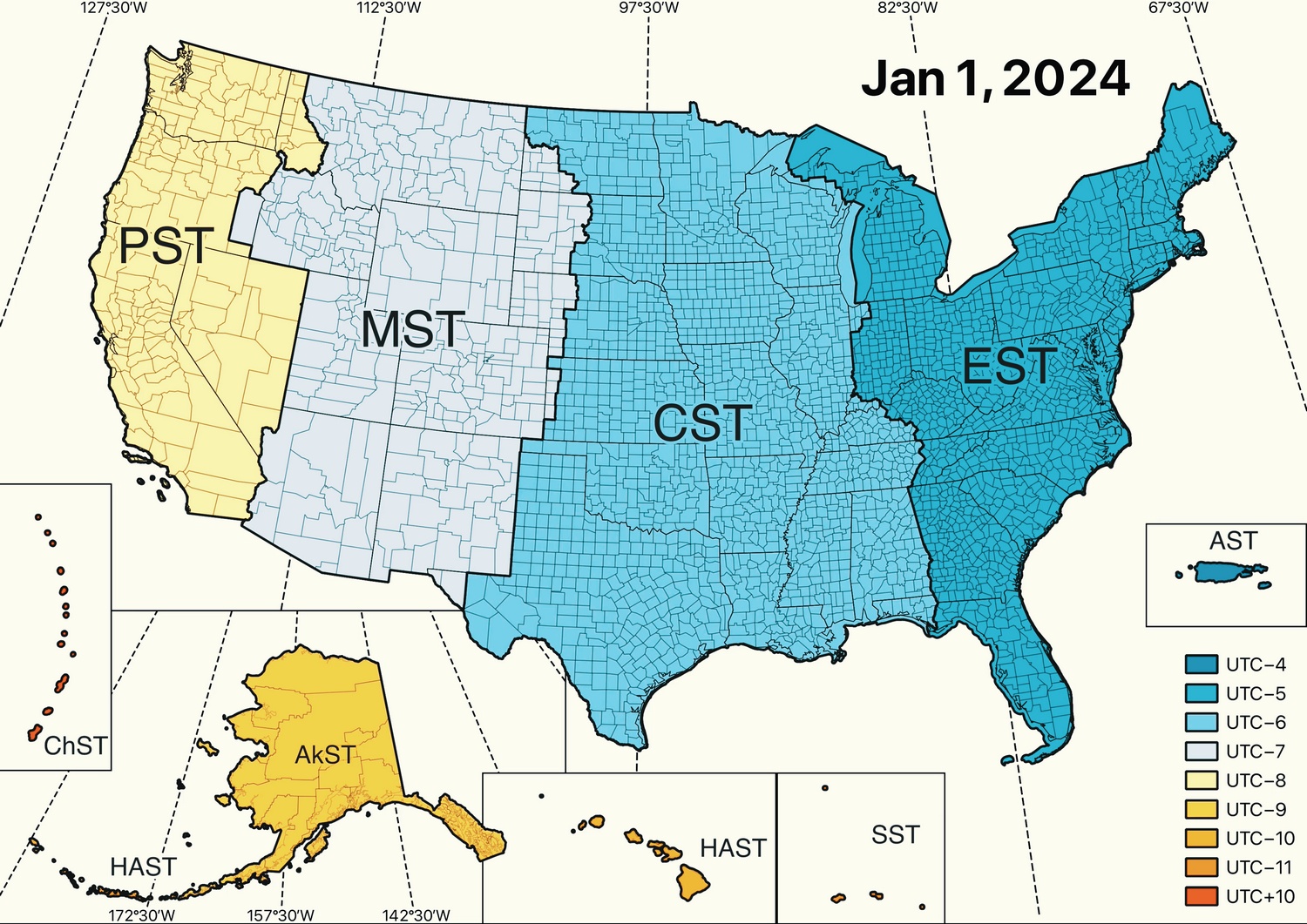
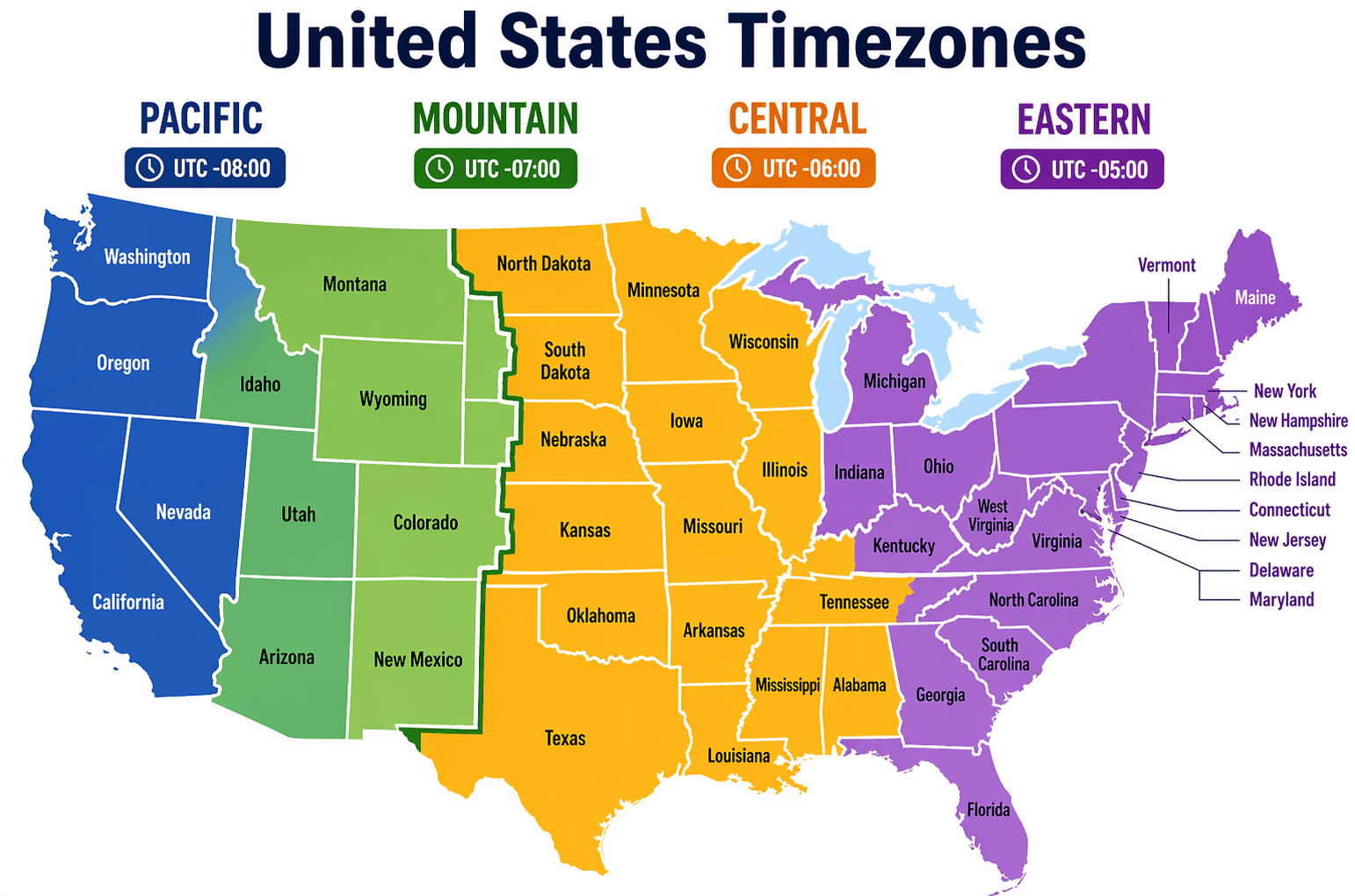
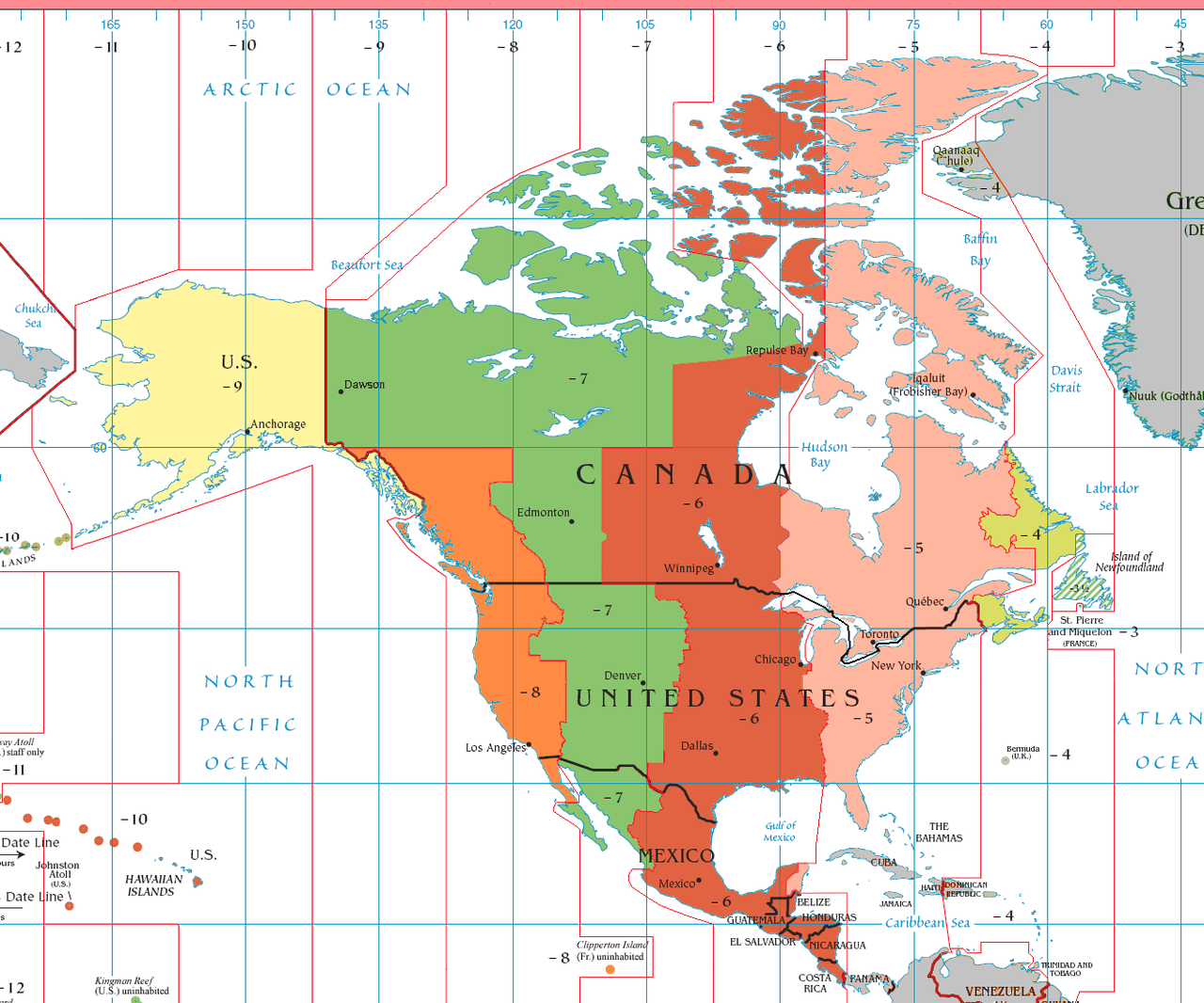
Denver is located in the Mountain Time Zone, not the Central Time Zone. Specifically, Denver observes Mountain Standard Time (MST) during the winter months and Mountain Daylight Time (MDT) during the summer. This placement puts Denver exactly one hour behind the Central Time Zone (CST/CDT) and one hour ahead of the Pacific Time Zone (PST/PDT).
Contents
Understanding exactly where Denver sits on the chronological map is essential for travelers, remote workers, and logistics professionals. While it may seem like a minor detail, the distinction between Mountain and Central time affects everything from flight schedules at Denver International Airport to the broadcast times of major sporting events and national news. As of 2026, Denver continues to follow this distinct Mountain Time alignment, serving as a primary hub for the Rocky Mountain region.
The Geographic and Technical Reality of Denver’s Time Zone
The United States is divided into several distinct time zones based roughly on longitude, though political and economic boundaries often dictate the final lines. Denver, Colorado, sits at approximately 104.99° W longitude. Under the standard 15-degree increment system used to establish global time zones, Denver falls squarely within the bounds of the Mountain Time Zone.
In the legal and technical landscape of 2026, Denver operates under the America/Denver identifier in the IANA Time Zone Database. This ensures that computerized systems, from smartphones to global server networks, automatically adjust for the transition between Standard and Daylight time.
Mountain Standard Time (MST) vs. Mountain Daylight Time (MDT)
For most of the year, Denver observes Mountain Daylight Time. This transition is part of the broader North American effort to extend evening daylight. During this period, Denver is UTC-6. When the clocks "fall back" in November, the city returns to Mountain Standard Time, which is UTC-7.
It is important to note that while Denver follows these changes, the nearby state of Arizona (with the exception of the Navajo Nation) remains on Mountain Standard Time year-round. This often leads to seasonal confusion for those traveling between Denver and Phoenix; half the year they are on the same time, and the other half they are an hour apart.
Why the Confusion Between Central and Mountain Time Exists
Many visitors and business partners mistakenly assume Denver is in the Central Time Zone. This confusion typically stems from three primary factors: media marketing, geographical proximity, and the unique way time zone boundaries are drawn in the Great Plains.
1. The "8/7 Central" Marketing Effect
For decades, television networks have used the catchphrase "8/7 Central" to announce airtimes. This phrasing explicitly mentions the Eastern and Central time zones but frequently omits Mountain Time. Viewers in Denver often see the "7 Central" slot and subconsciously associate their local 7:00 PM start time with the Central label, even though they are actually watching a Mountain Time broadcast.
2. Proximity to the Central Border
The border between the Mountain and Central time zones is not a straight vertical line. It zig-zags through the states immediately to the east of Colorado. Portions of Nebraska, Kansas, and South Dakota are split between the two zones. Because major Midwestern hubs like Kansas City, Omaha, and Dallas are in Central Time, there is a common misconception that the "middle" of the country—including the Front Range of the Rockies—shares the same clock.
3. Business Hub Connectivity
Denver serves as a major financial and logistical bridge between the Midwest and the West Coast. Because Denver-based companies frequently collaborate with partners in Chicago, Houston, and Minneapolis, the constant "one hour difference" becomes a daily part of conversation, which can paradoxically lead people to forget which city is which when they aren't looking at a clock.
Central Time vs. Mountain Time: A Direct Comparison
To visualize the difference, it is helpful to look at how specific times translate across the zones. The following table illustrates the time difference as it stands in 2026.
| Activity/Event | Mountain Time (Denver) | Central Time (Chicago/Dallas) | Eastern Time (New York) |
|---|---|---|---|
| Early Morning Commute | 7:00 AM | 8:00 AM | 9:00 AM |
| Standard Lunch Hour | 12:00 PM | 1:00 PM | 2:00 PM |
| End of Business Day | 5:00 PM | 6:00 PM | 7:00 PM |
| Prime Time Television | 7:00 PM | 7:00 PM* | 8:00 PM |
| Late Night News | 10:00 PM | 10:00 PM | 11:00 PM |
*Note: In many broadcasting schedules, Central and Mountain time zones share the same "clock time" for national broadcasts, meaning a show airing at 7 PM in Chicago also airs at 7 PM in Denver, despite being one hour apart in real-time.
Regional Variations: The Nebraska and Kansas Borders
One of the most complex aspects of Denver’s time zone is the proximity to "split" states. If you drive east from Denver on I-70, you will cross from Colorado into Kansas. However, you do not immediately change time zones.
Western Kansas observes Mountain Time in several counties (including Sherman, Wallace, Greeley, and Hamilton) to stay aligned with the economic activity of the Denver area. It is only when you continue further east toward Hays or Salina that you cross the official boundary into Central Time.
Similarly, in Nebraska, the western "panhandle" stays on Mountain Time. This regional alignment is vital for agriculture and local commerce, as these communities often look toward Denver as their primary metropolitan center rather than Omaha or Lincoln.
Navigating Denver International Airport (DEN)
As one of the busiest aviation hubs in the world, Denver International Airport (DEN) is a frequent site of time-zone-related stress. Travelers arriving from the East Coast or the Midwest often forget to set their watches back, leading to missed connections or confusion regarding ground transportation.
When booking flights in 2026, always remember that airline tickets are printed in local time. If your flight departs Denver at 2:00 PM, that is 2:00 PM Mountain Time. If you are flying in from a Central Time city like St. Louis, you effectively "gain" an hour upon arrival, but you must be vigilant when calculating your total travel duration.
Logistics and Shipping
For businesses relying on Denver as a distribution point, the Mountain Time Zone provides a unique advantage. Denver can communicate with East Coast offices in the morning and still reach West Coast partners late into the afternoon. However, shipping cut-off times are strictly dictated by the 104th meridian's standards. Most major carriers (FedEx, UPS) operating out of Denver set their "End of Day" based on Mountain Time, which is vital for Central Time customers to understand when expecting overnight deliveries.
Professional Scheduling and Remote Work Tips
In the modern era of remote work, Denver has become a favorite destination for digital nomads and tech professionals. However, working from the Mountain Time Zone requires a deliberate approach to scheduling.
- Clarify the Zone in Invites: When sending a calendar invitation from Denver to a colleague in Chicago, always specify "MT" or "Denver Time." Modern tools like Google Calendar and Outlook handle this automatically, but verbal confirmations should always include the zone.
- The "Golden Hours": The best time for Denver professionals to meet with both East and West Coast teams is between 10:00 AM and 3:00 PM Mountain Time. This window avoids the early morning rush in California and the late afternoon departure in New York.
- Awareness of Arizona: If your business dealings extend to Arizona, remember that Denver will be on the same time as Phoenix from November to March, but Denver will be one hour ahead from March to November.
Historical Context: The Uniform Time Act
The reason Denver’s time zone is so strictly regulated dates back to the Uniform Time Act of 1966. Before this federal mandate, time zones and Daylight Saving Time (DST) observations were a patchwork of local decisions. This caused massive disruption for the railroad and burgeoning airline industries.
By 2026, Colorado has seen various legislative attempts to move to "Permanent Daylight Saving Time." While the state legislature passed a bill in 2022 to make this change, it remains contingent on federal approval (the Sunshine Protection Act). Until such a federal shift occurs, Denver remains committed to the standard oscillation between MST and MDT, maintaining its distinct status separate from the Central Time Zone.
Frequently Asked Questions
Is all of Colorado in the Mountain Time Zone?
Yes, the entire state of Colorado observes Mountain Time. Unlike states such as Nebraska, Kansas, or South Dakota, Colorado does not have any counties that observe Central Time. This makes timekeeping consistent across the state, from the Eastern Plains to the Western Slope.
How many hours is Denver behind New York?
Denver is exactly two hours behind New York City. When it is 10:00 AM in New York (Eastern Time), it is 8:00 AM in Denver (Mountain Time). This gap remains constant throughout the year because both regions observe Daylight Saving Time on the same schedule.
Does Denver change its clocks for Daylight Saving Time in 2026?
Yes, in 2026, Denver is scheduled to follow the standard "spring forward" and "fall back" protocol. Unless there is a change in federal law by the U.S. Congress, Denver will move to Mountain Daylight Time (MDT) on the second Sunday in March and return to Mountain Standard Time (MST) on the first Sunday in November.
Is Denver in the same time zone as Salt Lake City?
Yes, both Denver, Colorado, and Salt Lake City, Utah, are in the Mountain Time Zone. They observe the same time year-round. Other major cities in this zone include Albuquerque, New Mexico; Boise, Idaho; and Cheyenne, Wyoming.
Why do some people call it "Mountain Standard Time" all year?
"Mountain Standard Time" is often used as a colloquial catch-all for the region’s time, but technically, it is only MST during the winter. Using the term "Mountain Time" (MT) is the most accurate way to refer to Denver’s time without worrying about the seasonal designation.
Final Recommendation for Travelers and Professionals
When coordinating activities involving Denver, the most effective strategy is to treat the 1-hour difference from Central Time as a fixed rule. Whether you are scheduling a digital conference or planning a layover at DEN, always verify that your clocks are set to Mountain Time. For those moving to the region, the extra hour of evening light during the summer is one of the city's most celebrated features, providing ample opportunity to enjoy the nearby Rocky Mountains.
Image Gallery