Jimmy Swaggart Turned Down Offer Music: The Real Story Behind the Decision and Ministry Legacy
Jimmy Swaggart turning down various secular music and media offers throughout his historic career stems from his strict adherence to traditional Pentecostal doctrine and his absolute commitment to gospel broadcasting. For decades, the...
Jimmy Swaggart turning down various secular music and media offers throughout his historic career stems from his strict adherence to traditional Pentecostal doctrine and his absolute commitment to gospel broadcasting. For decades, the famous televangelist and piano stylist chose to reject lucrative secular recording contracts, mainstream television crossovers, and commercial entertainment deals to keep his ministry focused exclusively on Christian music and evangelism.
Contents
The Intersection of Pentecostal Ministry and Secular Music Markets
The relationship between faith-based performers and the commercial music industry has always involved complex negotiations. During the height of Jimmy Swaggart's global television reach in the 1970s and 1980s, his distinctively energetic southern gospel piano style and vocal delivery gained massive mainstream attention. Record labels, promoters, and television executives recognized his massive crossover appeal. However, Swaggart consistently maintained a theological boundary that prohibited him from crossing over into secular entertainment.
Mainstream music executives frequently approached prominent gospel artists with offers designed to broaden their audience appeal. These proposals usually required artists to dilute explicitly religious lyrical content, adopt secular staging elements, or perform in non-church venues. For Swaggart, whose ministry operated under the umbrella of the Jimmy Swaggart Ministries (JSM) and Family Worship Center in Baton Rouge, Louisiana, such compromises contradicted his foundational beliefs regarding separation from worldly culture.
Theological Integrity Over Commercial Gain Jimmy Swaggart's refusal of secular music propositions was rooted in his Pentecostal upbringing in Ferriday, Louisiana. His musical style, heavily influenced by early rhythm and blues artists he encountered in his youth—such as his cousin Jerry Lee Lewis—was entirely repurposed for worship, leaving no room for secular commercialization.
Historical Context of the Decisions
To understand why Jimmy Swaggart turned down secular music offers, one must examine the operational and spiritual landscape of his ministry during its peak years. By the mid-1980s, the Jimmy Swaggart Telecast reached millions of households across the globe, making him one of the most recognizable religious figures in the world.
Several key factors governed his artistic and ministerial choices during this era:
- Doctrinal Purity: Swaggart frequently preached against worldly influences in music, asserting that gospel music must retain its singular purpose of winning souls rather than entertaining secular audiences.
- Ministry Control: Accepting secular contracts would have subjected his creative output to corporate boardrooms, censorship, and commercial demands that conflicted with his pastoral authority.
- Financial Independence: The massive influx of tithes, offerings, and direct-to-consumer music sales through his own SonLife Broadcasting Network (SBN) and recording label provided all the financial leverage necessary without external backing.
- Brand Consistency: Transitioning into secular pop or country music would have alienated his core conservative Christian base, which viewed his television ministry as a strict refuge from secular media.
Comparative Analysis: Secular Crossovers vs. Dedicated Gospel Ministry
Many contemporary gospel and country artists navigated the line between sacred and secular music differently than Swaggart. The following table contrasts Swaggart's approach with other prominent musicians of his era who faced similar career crossroads.
| Artist / Performer | Industry Offer Type | Career Decision | Outcome & Impact |
|---|---|---|---|
| Jimmy Swaggart | Secular recording and television contracts | Declined | Maintained total focus on gospel music, crusades, and the establishment of the SonLife Broadcasting Network. |
| Elvis Presley | Gospel roots vs. secular rock and roll | Embraced Secular | Became a global secular icon while occasionally recording gospel albums for spiritual fulfillment. |
| Johnny Cash | Secular country music with spiritual themes | Blended Both | Retained secular commercial success while aggressively inserting Christian testimony into mainstream venues. |
| Amy Grant | Contemporary Christian Music (CCM) crossover | Embraced Crossover | Successfully transitioned into mainstream pop charts while facing criticism from fundamentalist critics. |
The Mechanics of Jimmy Swaggart's Musical Output
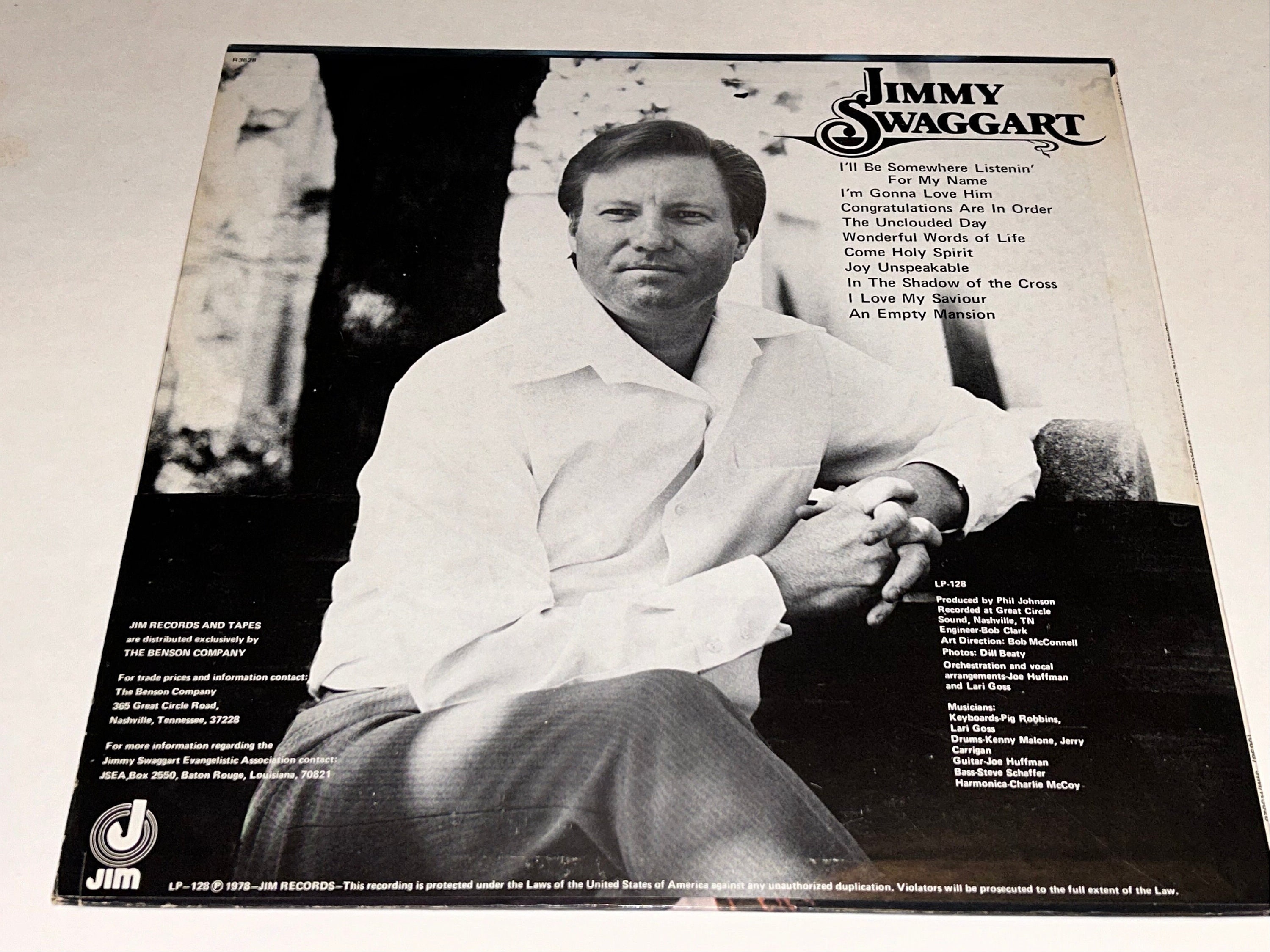
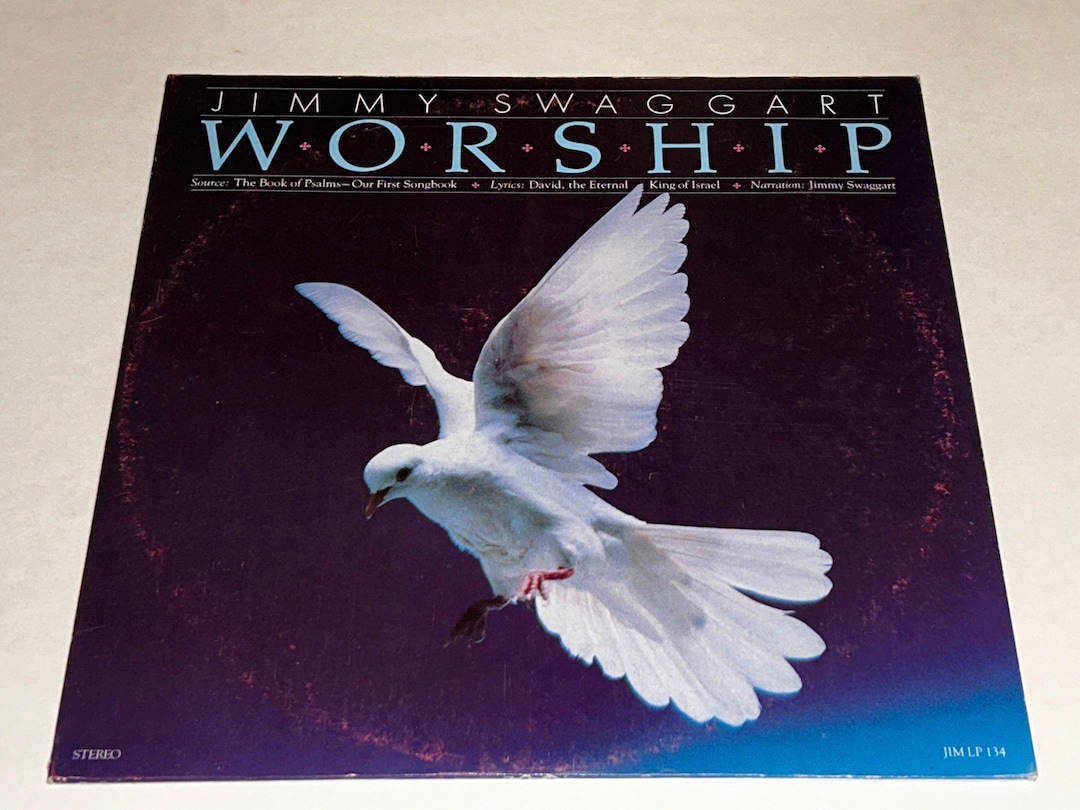
Rather than accepting external commercial offers, Swaggart built an internal production ecosystem. He recorded dozens of gospel albums, playing the piano by ear in the traditional southern gospel style. His instrumental and vocal recordings became staples of the Jimmy Swaggart Ministries catalog, distributed primarily through camp meetings, telecasts, and mail-order services before the digital era.
Key elements defining his musical approach included:
- The Baton Rouge Recording Studio: Utilizing in-house facilities to maintain complete ownership of masters and publishing rights.
- Traditional Instrumentation: Focusing heavily on acoustic piano, Hammond organ, and traditional rhythm sections without modern secular synthesizers or electronic dance beats.
- Family Collaborations: Featuring family members and close ministry associates, such as Frances Swaggart and various ministry choir members, ensuring every participant shared the same doctrinal alignment.
- Global Distribution: Utilizing his international crusades and television broadcasts as the primary marketing channels for his music, bypassing traditional secular retail distribution networks.
Pros and Cons of Rejecting Secular Music Offers
Every major career decision in the public eye carries distinct advantages and disadvantages. Swaggart's choice to keep his musical talent strictly within the confines of his ministry shaped his legacy in profound ways.
Advantages
- Preserved absolute authority over his theological messaging without corporate interference.
- Retained the complete trust of his fundamentalist and Pentecostal supporters who expected strict separation from secular culture.
- Ensured all revenue generated from his music directly funded church operations, missionary work, and media expansion.
Disadvantages
- Limited his cultural footprint strictly to the religious demographic, missing out on mainstream musical accolades and broader pop culture longevity.
- Subjected his ministry's financial stability entirely to donor contributions and internal enterprise rather than diversified corporate revenue streams.
- Restricted his musical evolution within rigid stylistic boundaries dictated by traditional church expectations.
Frequently Asked Questions
Did Jimmy Swaggart ever record secular music?
No, Jimmy Swaggart never commercially recorded or released secular music. Every album, tape, and CD produced under his name throughout his career features strictly Christian hymns, southern gospel, and worship music. His unique piano style was entirely dedicated to ministry and church services.
Why did Jimmy Swaggart's piano playing draw comparisons to secular artists?
Swaggart grew up in Ferriday, Louisiana, alongside his cousin Jerry Lee Lewis and country star Mickey Gilley, absorbing the same early boogie-woogie and rhythm and blues traditions. While he utilized these energetic rhythms and blues inflections, he deliberately redirected them into Pentecostal worship music instead of secular commercial genres.
How did Jimmy Swaggart distribute his music without secular record labels?
Swaggart distributed his music independently through the Jimmy Swaggart Ministries book store, mail-order catalogs, live crusade events, television broadcasts on the Jimmy Swaggart Telecast, and later through the SonLife Broadcasting Network (SBN). This direct-to-consumer model allowed the ministry to retain 100% of the profits and artistic control.
What is the SonLife Broadcasting Network's role in his music legacy?
Launched in the 210s, the SonLife Broadcasting Network (SBN) serves as the 24/7 television arm of Jimmy Swaggart Ministries. The network frequently rebroadcasts classic crusade footage, vintage music specials featuring Swaggart at the piano, and contemporary services from the Family Worship Center, keeping his musical style accessible to modern audiences.
Conclusion and Ministerial Legacy
The decision by Jimmy Swaggart to turn down secular music offers aligns perfectly with his lifetime commitment to traditional Pentecostal evangelism. By refusing to compromise his theological stance for mainstream commercial success, he cemented his status as a polarizing yet steadfast figure in religious broadcasting history. His extensive catalog of gospel piano recordings remains a foundational component of his ministry's enduring archive, demonstrating an unwavering adherence to his spiritual convictions.
Image Gallery